Tollboden
Tollboden in Oslo comprises Stenpakkhuset and an administration building, together forming the city’s historic customs station. Stenpakkhuset dates from 1846 to 1850 and follows late Classicist design. Johan Henrik Nebelong designed the older building as a warehouse for the former customs house. Its symmetry and masonry show the building’s late Classicist character. The administration building dates from 1891 to 1896 in Oslo. Adolf Schirmer gave it a late Renaissance façade with detailed exterior work. The building used brick from the Christiania Portland Cement Factory in Slemmestad. Norwegian Customs Museum has occupied Stenpakkhuset since 1915. It presents Norway’s customs history through inspections, taxation, smuggling, uniforms, tools, and changing regulations. Customs work has continued at this site since the early nineteenth century. Oslo’s port and trade shaped the station’s role. Earlier customs houses stood near Nordre brygge, at the end of Tollbugata. Land reclamation in the late 1950s and early 1960s changed the waterfront setting. The Directorate for Cultural Heritage protected both buildings in 2013. Together, their architecture and public history record Oslo’s changing relationship with trade and customs.
- City
- Oslo
- Content updated
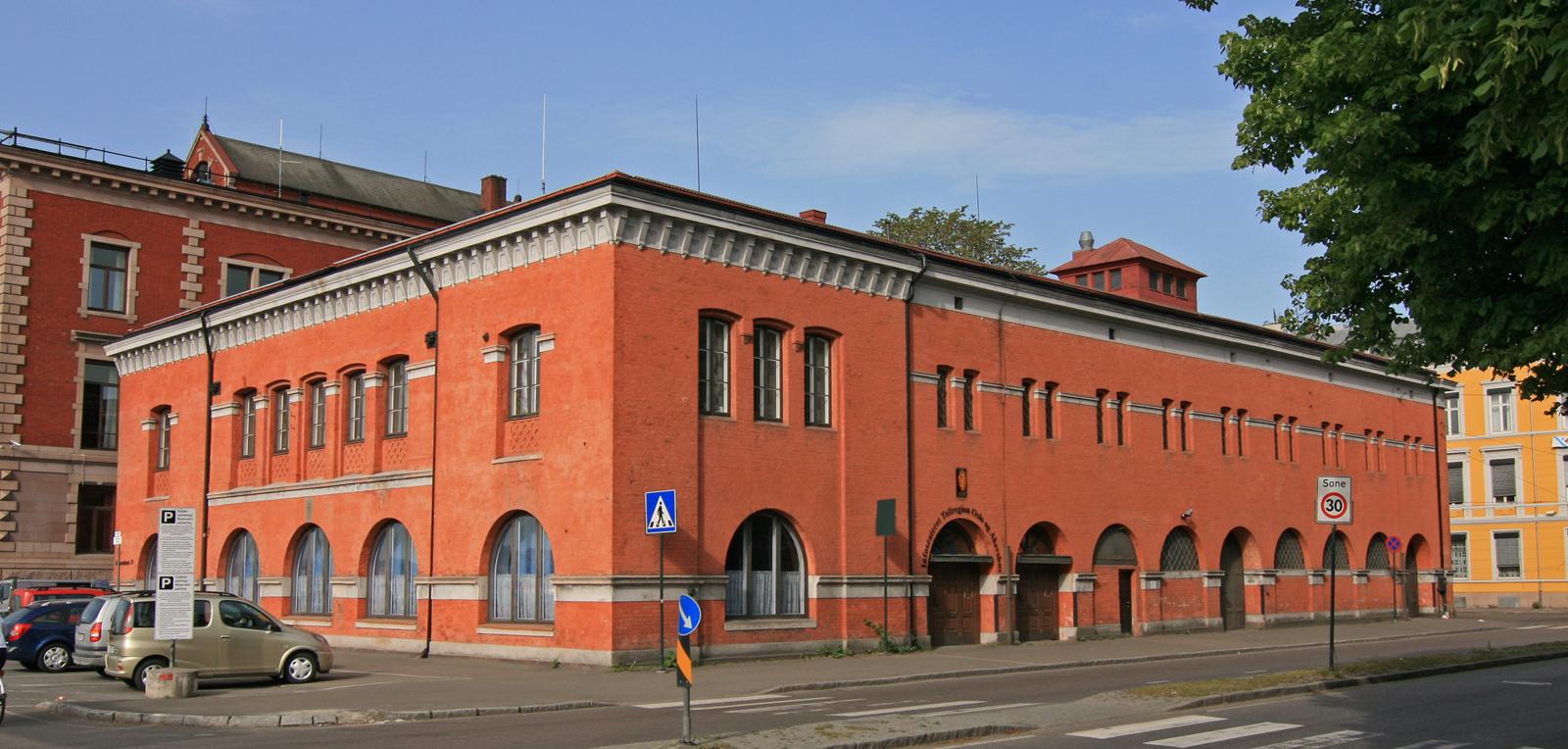
Image: User:MahlumPublic domain 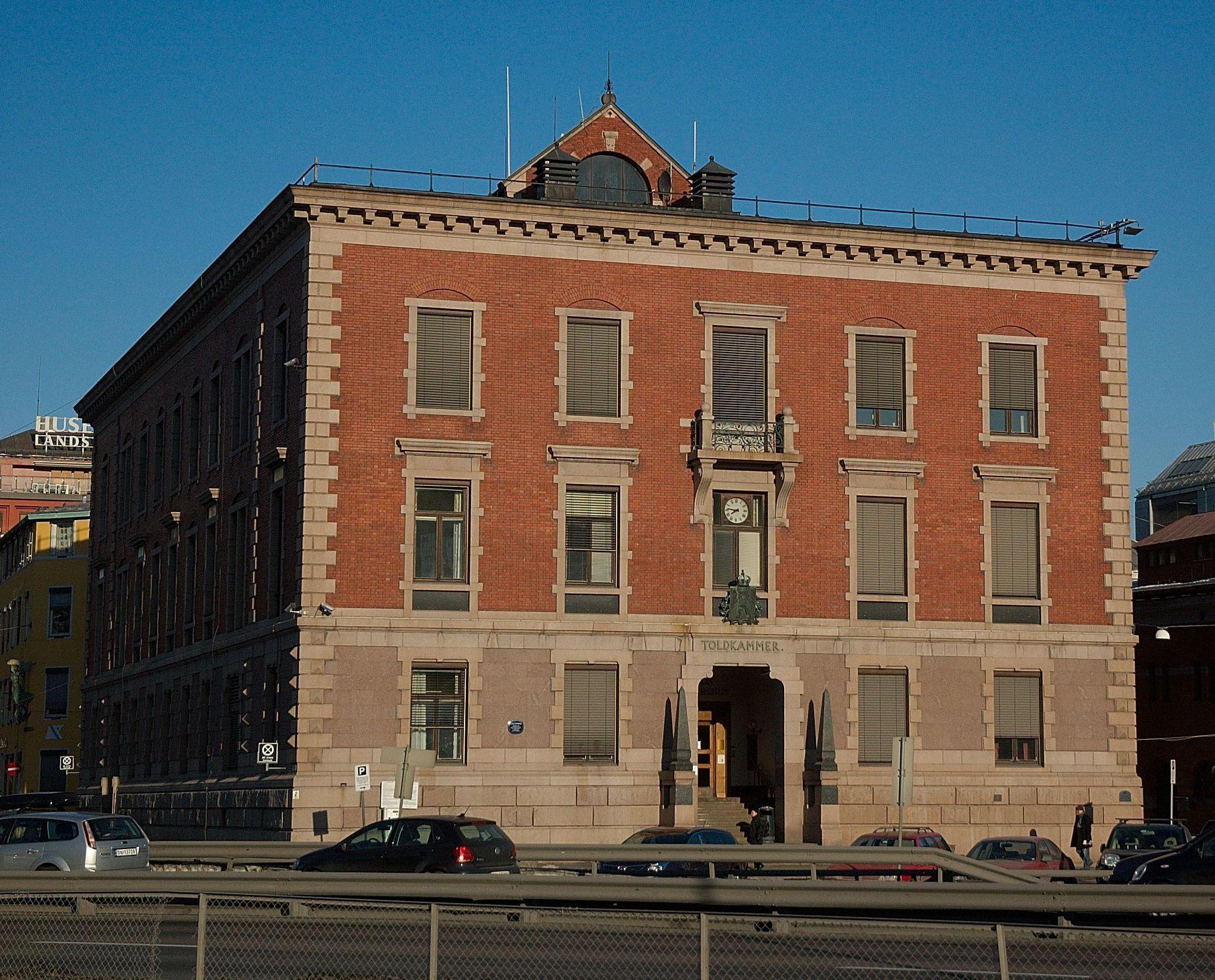
Image: Anne-Sophie OfrimCC BY-SA 3.0 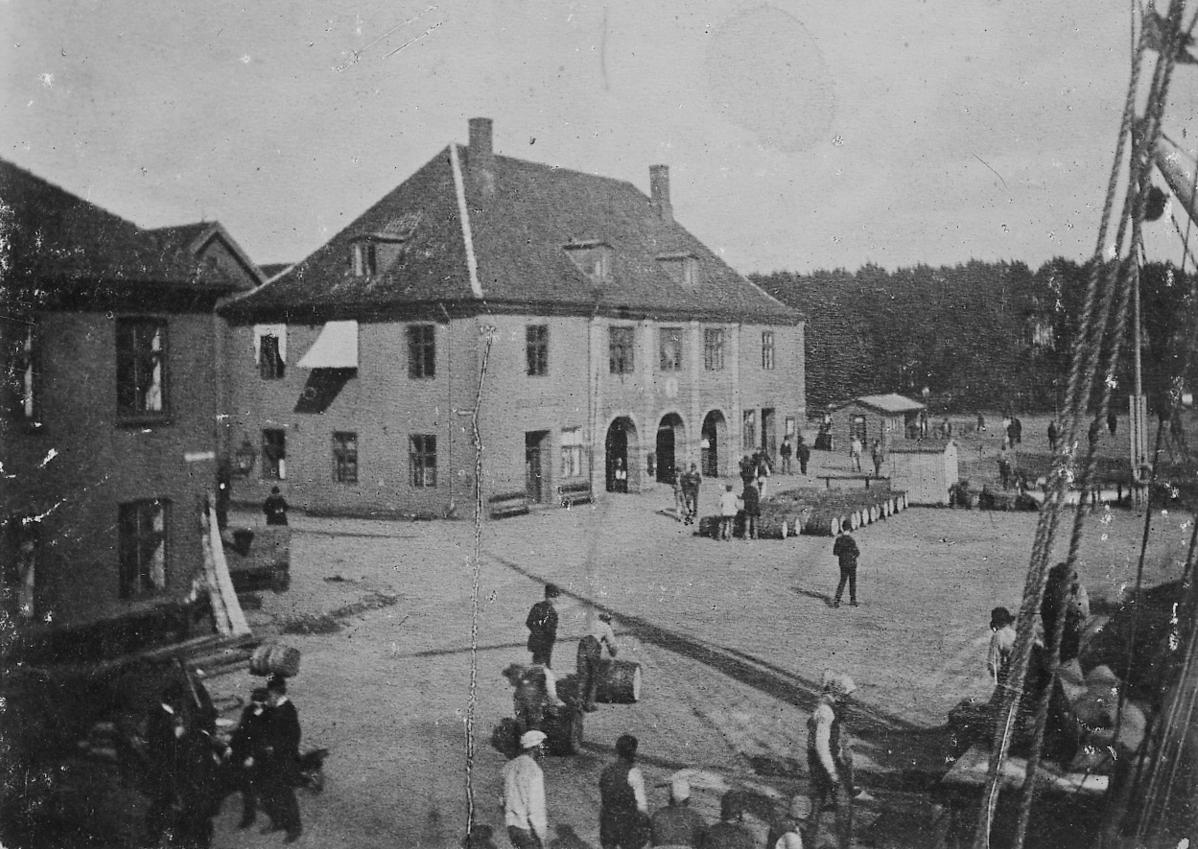
Image: Caroline Colditz / Oslo MuseumPublic domain
Take this page with you
The myTuur app is free, and once you are standing at a spot its story starts by itself.


Spots like this one are the stops myTuur strings into tours through Oslo. In the app, each story begins where you stand: walk up to a spot and it starts, read it on screen or listen as you go, then follow the route to the next one.
What is myTuur?
myTuur is a free city-guide app. Its tours are built from spots, and each spot carries a story that starts when you get there, to read or to listen to as you like.