Grotten
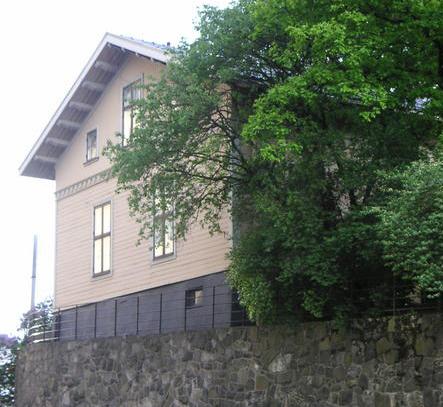
Grotten stands in Slottsparken beside Oslo’s Royal Palace, above a natural grotto on a rocky outcrop. Built in 1823, the timber house combines log construction with panelled walls. Hans Linstow designed it, as well as the nearby Royal Palace and the park’s guardhouse.
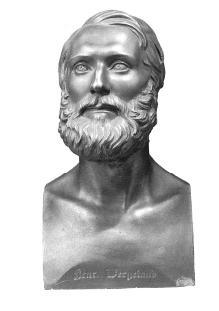
Henrik Wergeland built the house and lived there from 1841 to 1845. Beneath it, he kept collected curiosities in the grotto. A bust of the poet now stands below the building, where a visible cleft marks earlier stone quarrying for Oslo’s streets and palace square. Since 1922, the Norwegian state has used the residence to honour leading artists, including Christian Sinding, Arnulf Øverland, Arne Nordheim and Jon Fosse.
The architecture represents an early form of Norway’s Swiss style. Poets, composers and playwrights have successively made this secluded house their home. On Norway’s Constitution Day, the grotto beneath it opens for visitors, offering a close view of Wergeland’s underground retreat.
- City
- Oslo
- Content updated
Take this page with you
The myTuur app is free, and once you are standing at a spot its story starts by itself.


Spots like this one are the stops myTuur strings into tours through Oslo. In the app, each story begins where you stand: walk up to a spot and it starts, read it on screen or listen as you go, then follow the route to the next one.
What is myTuur?
myTuur is a free city-guide app. Its tours are built from spots, and each spot carries a story that starts when you get there, to read or to listen to as you like.