St. Rochusfriedhof
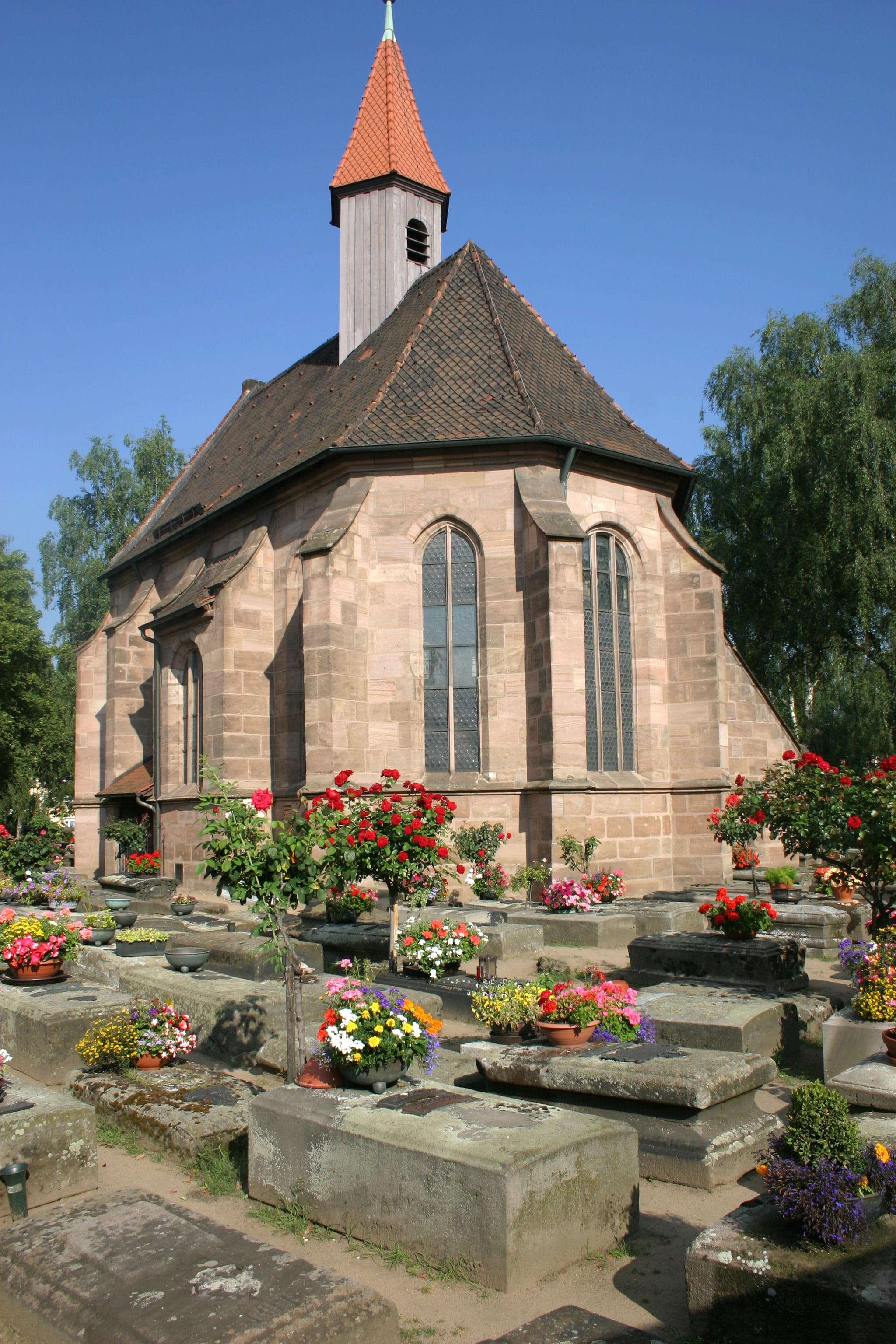
St. Rochusfriedhof stands in Gostenhof, Nuremberg, outside the former city walls and away from the historic centre. It served plague victims in 1517 and 1518. City authorities consecrated the cemetery on 21 March 1519, establishing a burial place beyond Nuremberg’s old defensive boundary. The cemetery gained its chapel soon afterwards. The St. Rochus Chapel, built between 1520 and 1521, presents Hans Beheim the Elder’s late Gothic design. That style reflects early sixteenth-century Nuremberg.
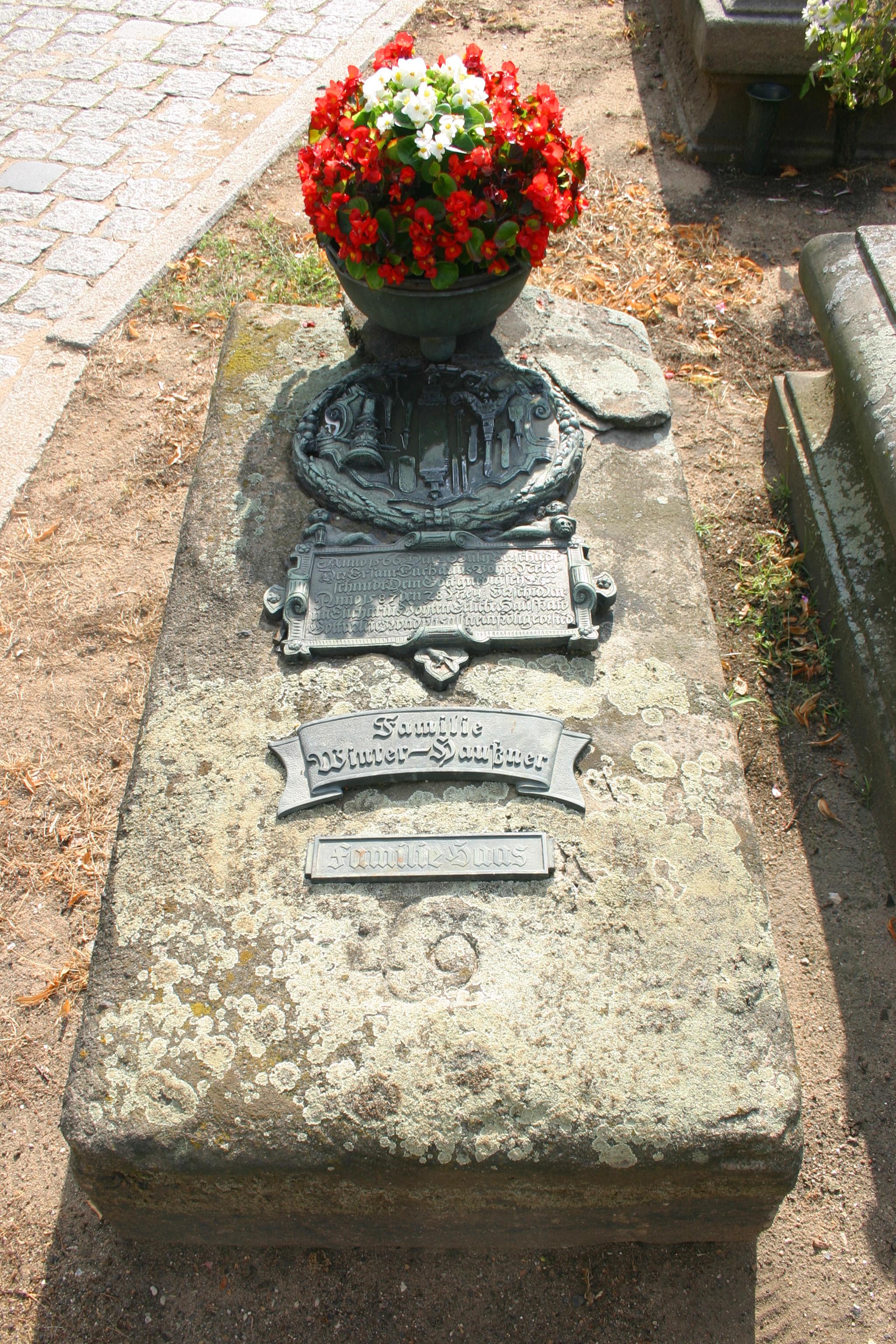
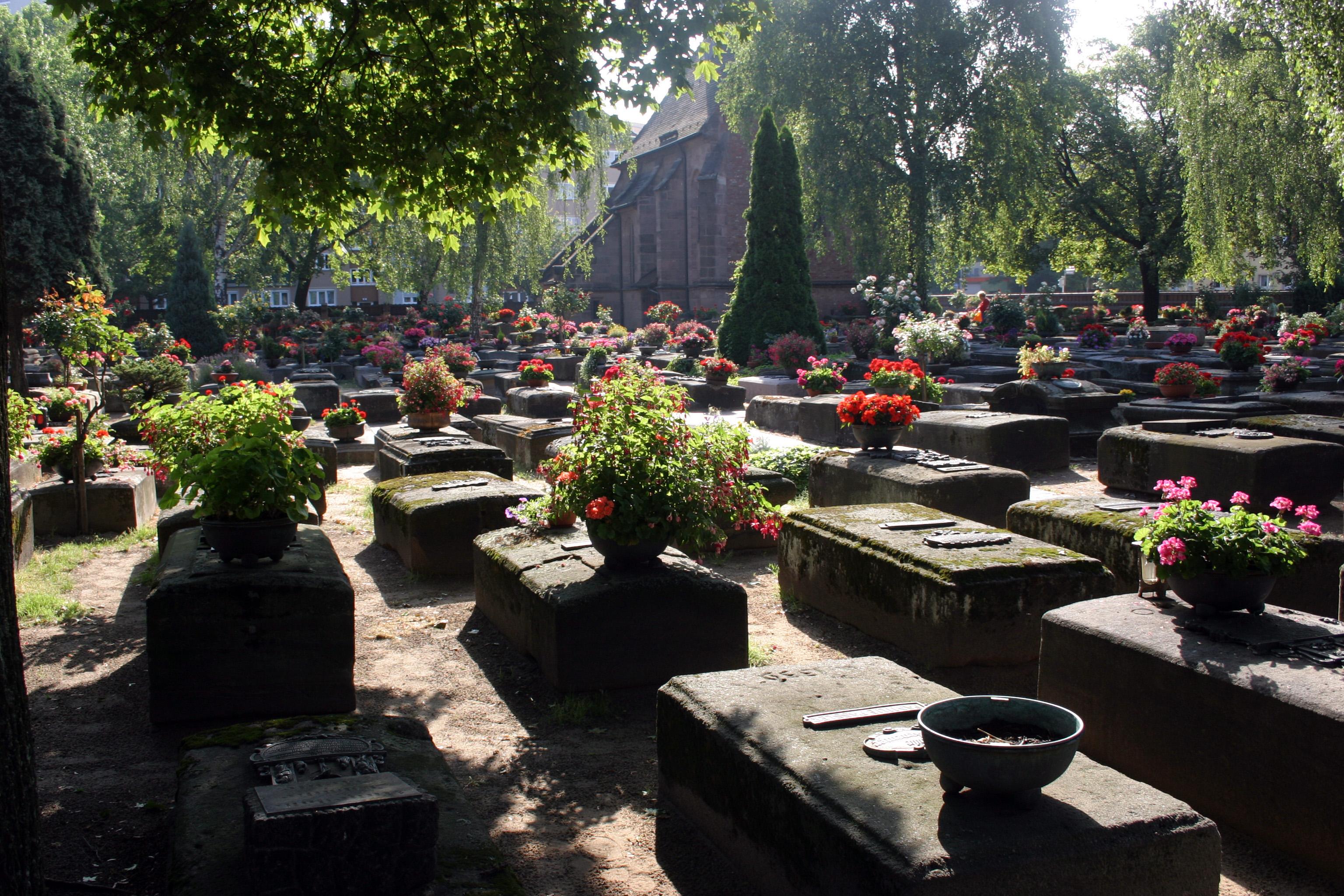
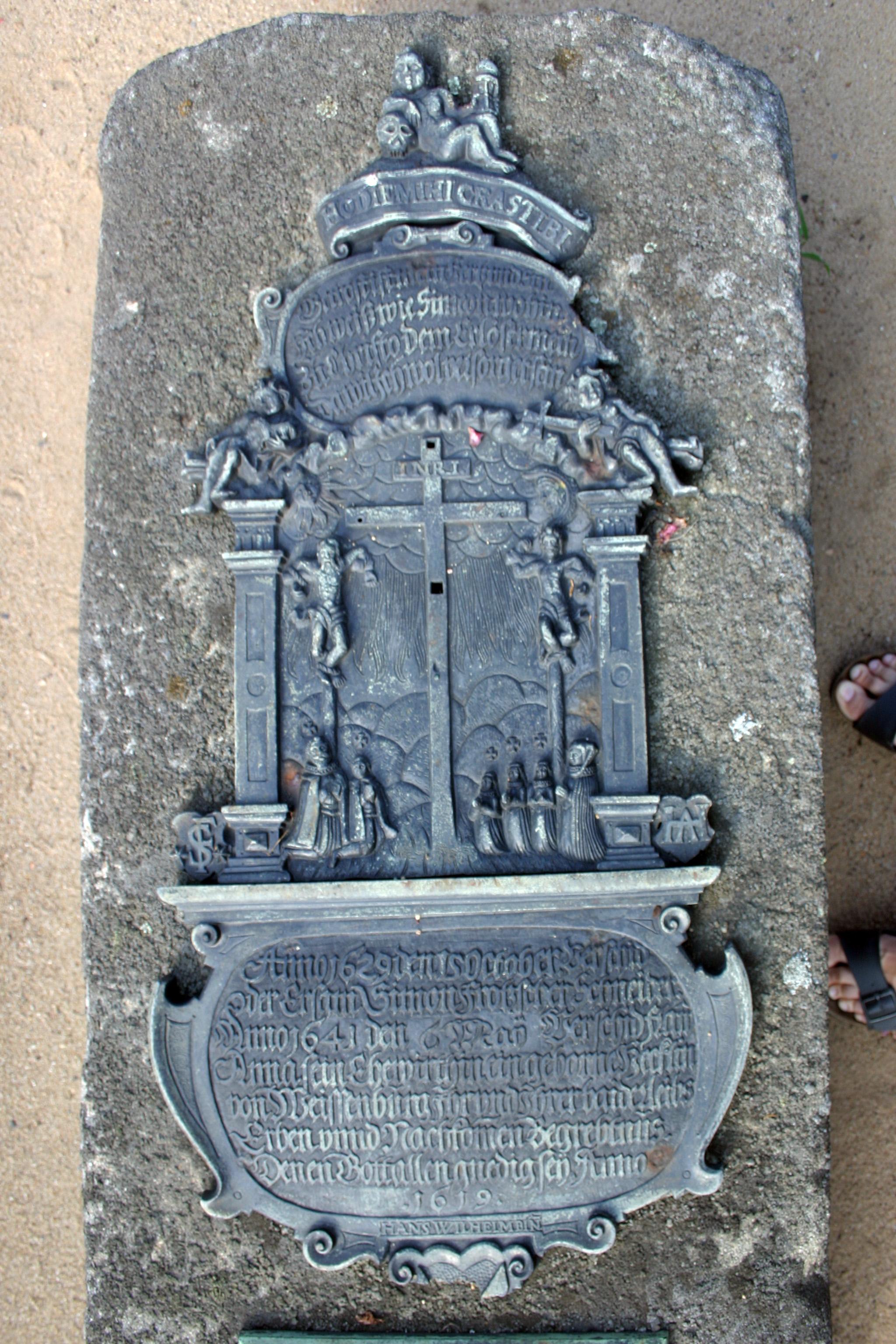
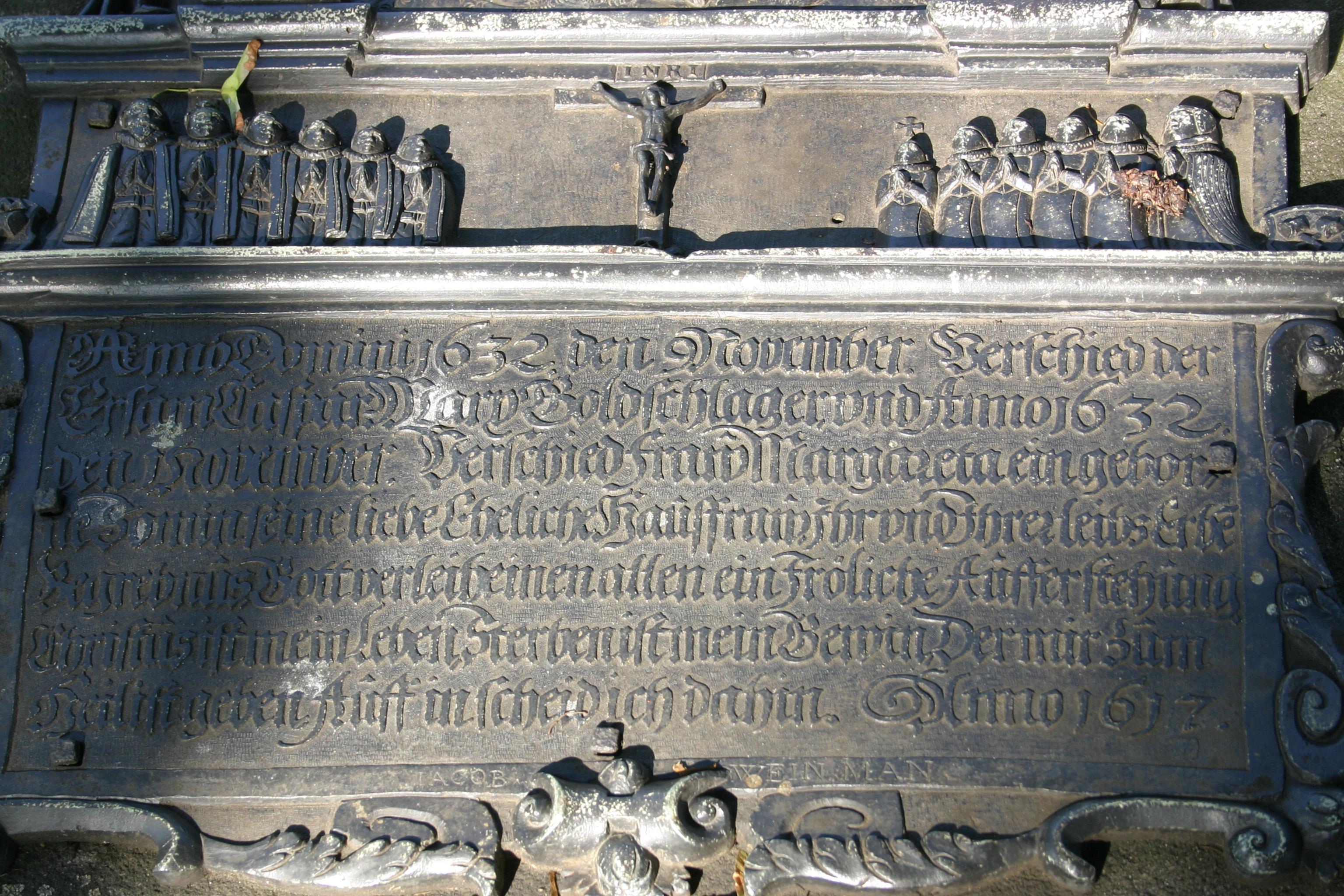
Historical gravestones cover the cemetery, with bronze or brass epitaphs mounted on flat stone slabs. Individual designs give each epitaph a distinct presence. Strict rules limited gravestone size, so families used epitaphs to distinguish their buried relatives. Early examples are rectangular sandstone slabs. Later stones display vaulted tops and carved details, recording artistic changes from the sixteenth through nineteenth centuries. Johann Pachelbel lies here, alongside Peter Vischer the Elder. The Evangelical Lutheran Church continues to care for the cemetery, which remains in continuous use. Wheelchair accessibility is recorded for the site.
- City
- Nuremberg
- Content updated
Take this page with you
The myTuur app is free, and once you are standing at a spot its story starts by itself.


Spots like this one are the stops myTuur strings into tours through Nuremberg. In the app, each story begins where you stand: walk up to a spot and it starts, read it on screen or listen as you go, then follow the route to the next one.
What is myTuur?
myTuur is a free city-guide app. Its tours are built from spots, and each spot carries a story that starts when you get there, to read or to listen to as you like.