William Zipperer
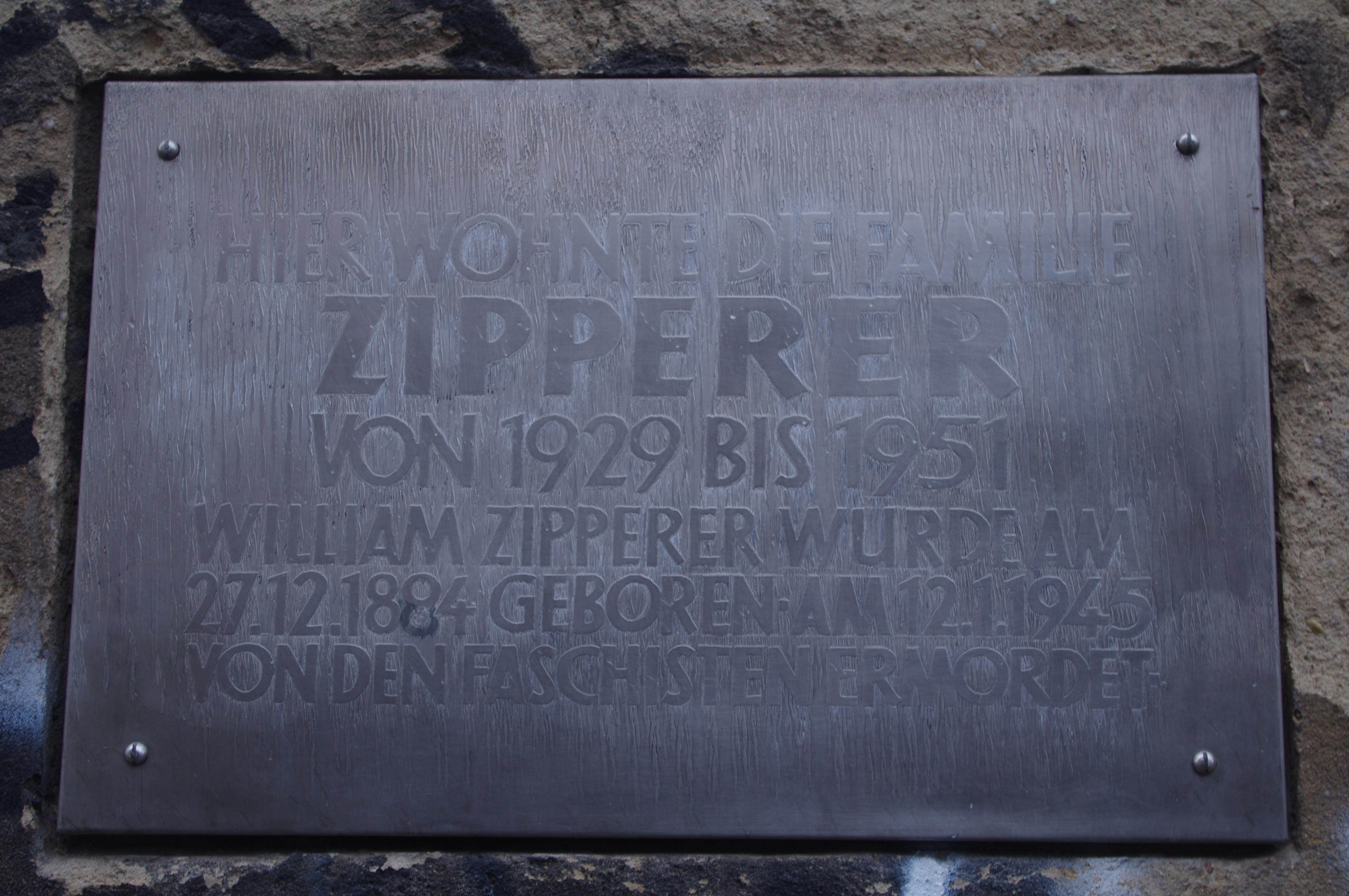
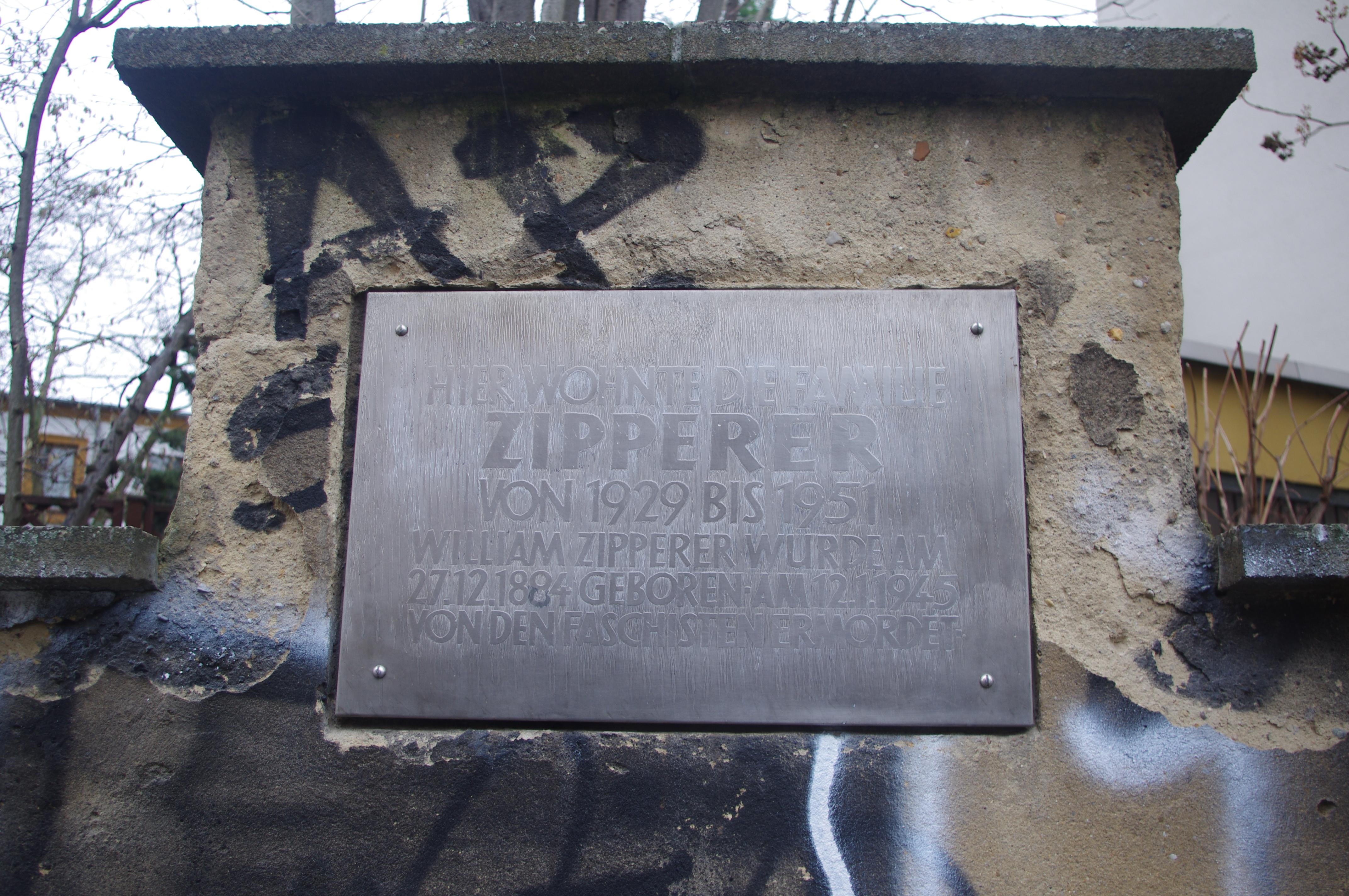
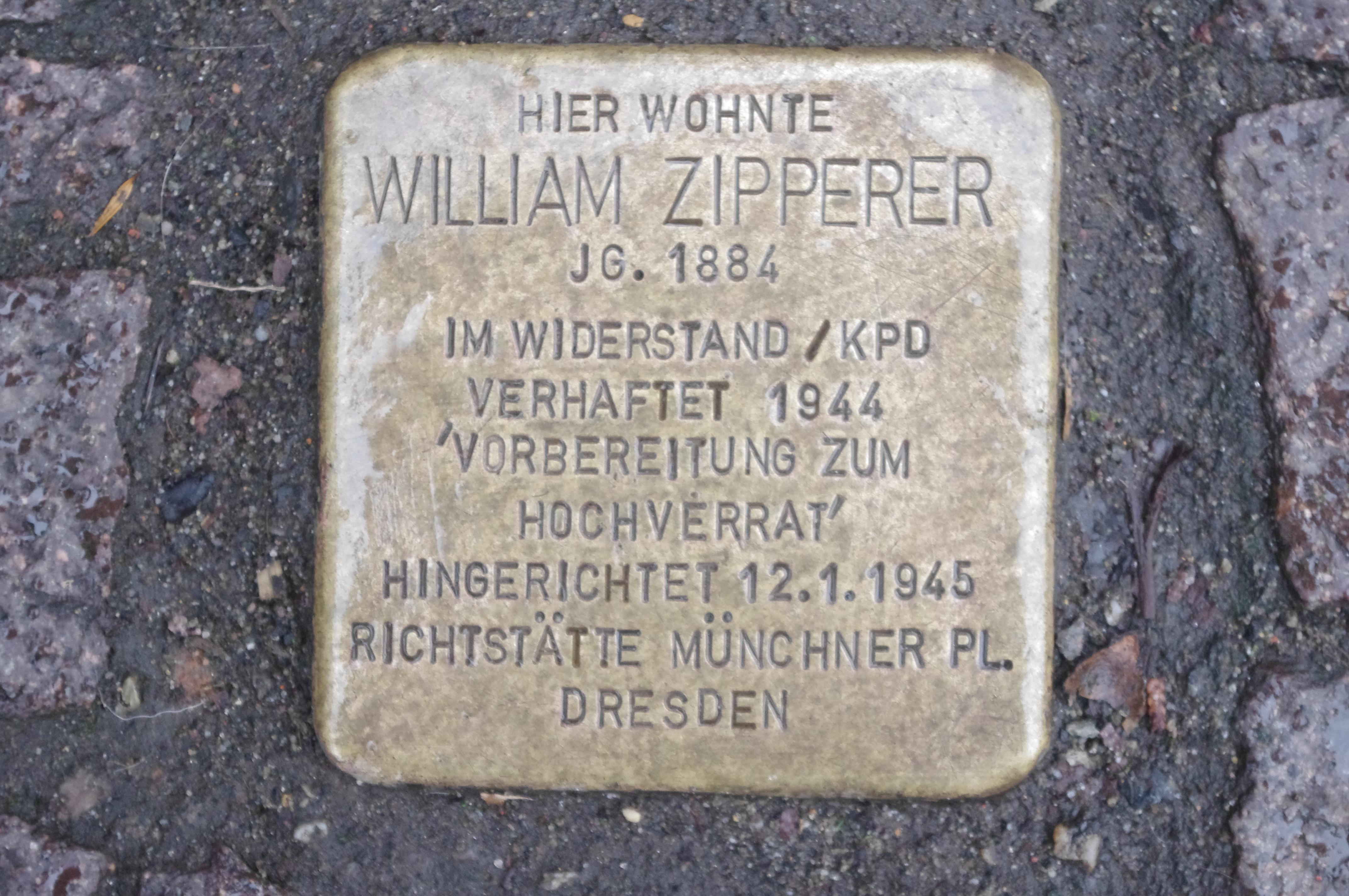
William Zipperer marks a Leipzig place of remembrance for resistance against National Socialism. Born in Dresden in 1884, he worked as an engraver and helped establish Leipzig’s KPD branch in 1919. He later became its first chairman and edited the Sächsische Arbeiterzeitung between 1923 and 1925. After 1933, he hid communist literature in his attic, wrapped inside old newspapers, while supporting networks opposing the dictatorship. The Gestapo arrested him in 1944, and a People’s Court in Dresden sentenced him to death. He was executed in Dresden during January 1945.
At Stadtgeschichtliches Museum Leipzig, a special exhibition brings his resistance together through recovered books, documents, and photographs. The hidden volumes resurfaced in August 2024, after remaining undiscovered for more than ninety years. The display explains how attic concealment protected forbidden reading from discovery. A farewell letter and three resistance leaflets join personal photographs and archival material from Saxony. His former Leutzscher Straße address now belongs to a street bearing his name, creating a visible link across Leipzig.
- City
- Leipzig
- Content updated
Take this page with you
The myTuur app is free, and once you are standing at a spot its story starts by itself.


Spots like this one are the stops myTuur strings into tours through Leipzig. In the app, each story begins where you stand: walk up to a spot and it starts, read it on screen or listen as you go, then follow the route to the next one.
What is myTuur?
myTuur is a free city-guide app. Its tours are built from spots, and each spot carries a story that starts when you get there, to read or to listen to as you like.