Sühnekreuz
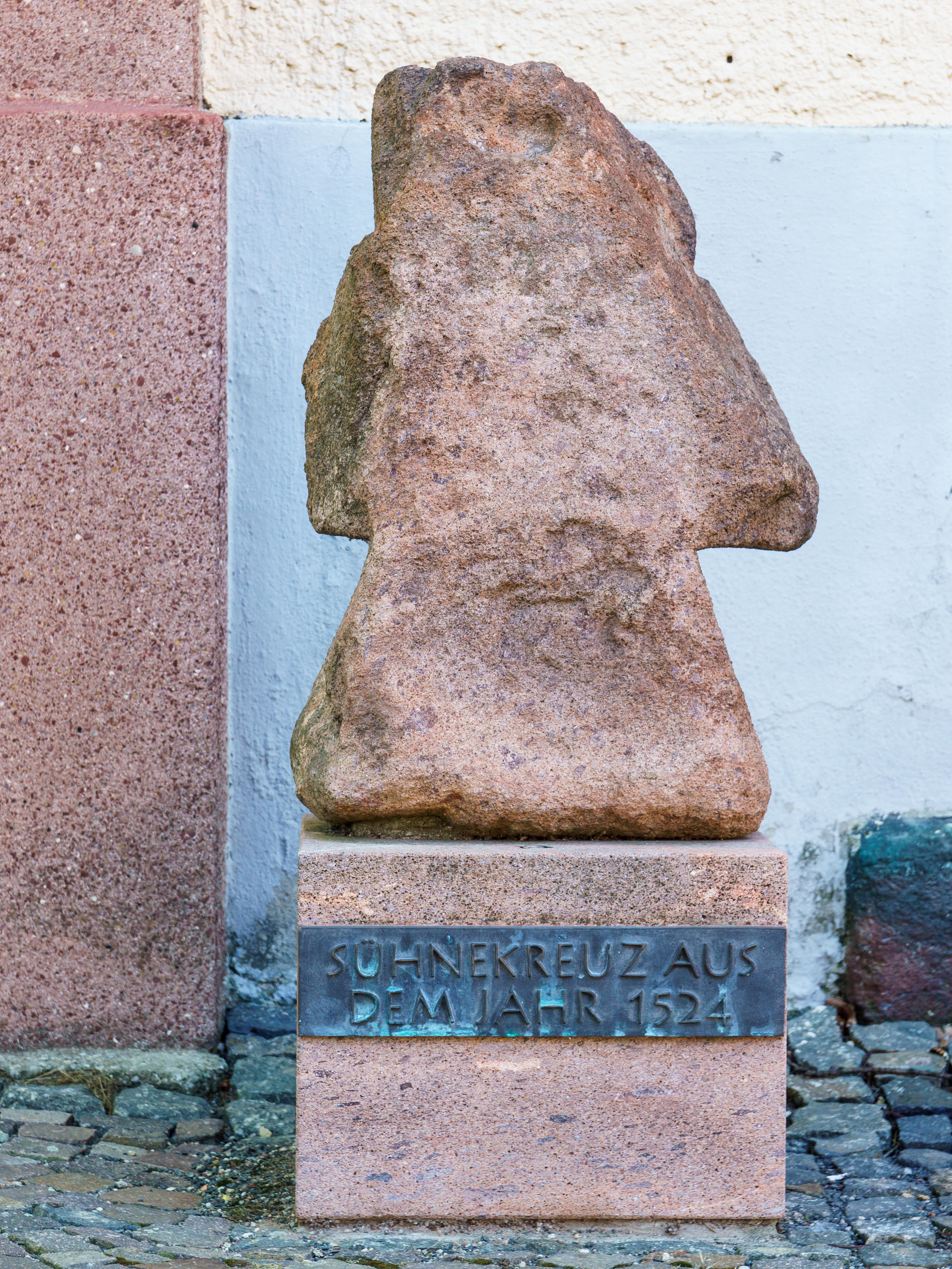
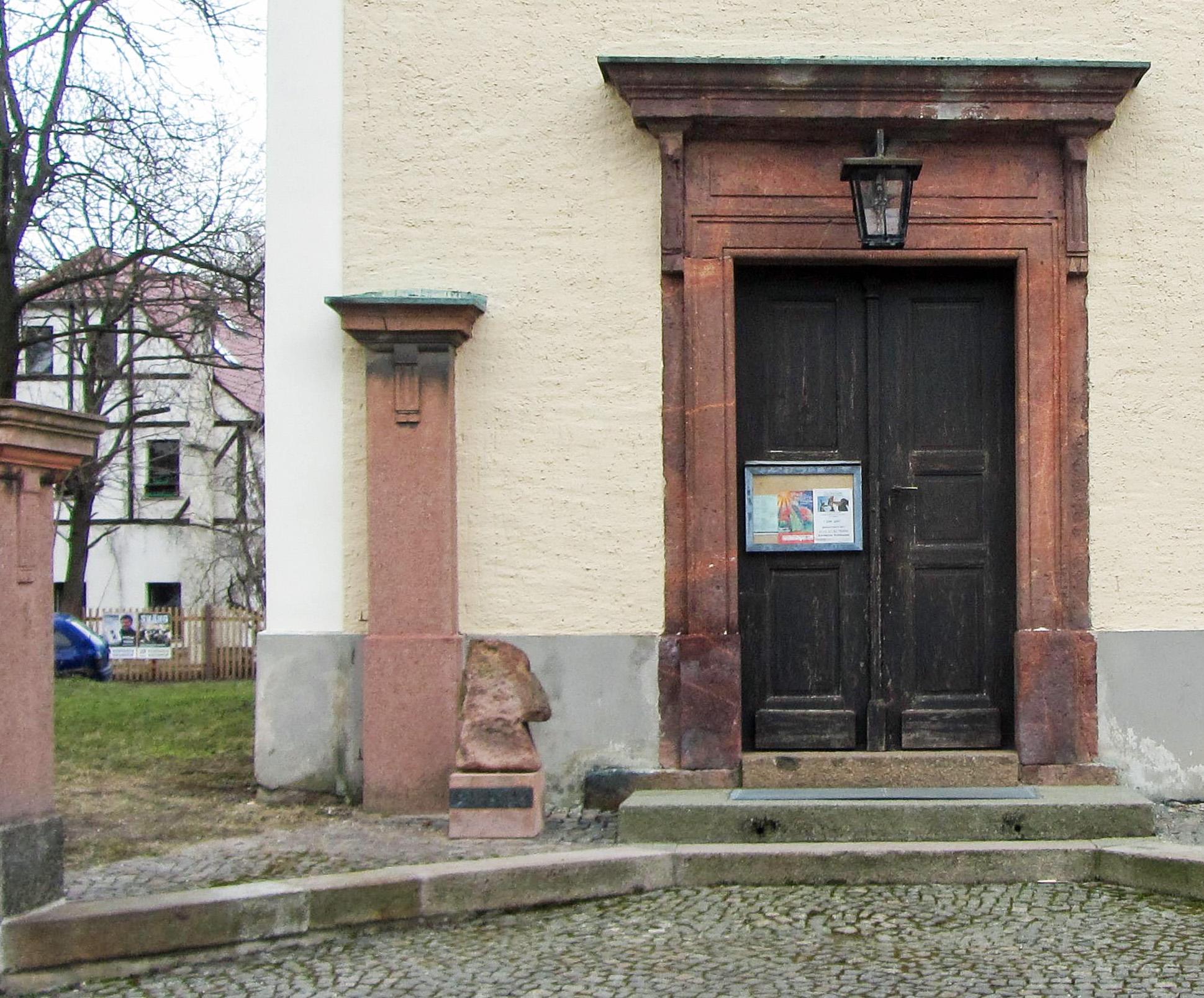
The Sühnekreuz stands beside the west entrance of Holzhausen church in Leipzig. The Leipzig monument stands in the Holzhausen district.
Known as a Sühnestein, it belongs to a medieval tradition of atonement monuments after serious violence. The stone marked a public settlement between families.
The monument uses Rochlitz porphyry tuff, a volcanic rock used in regional historic buildings. Its stone surface shows wear, breakage, and missing cross arms.
The damaged form tapers upward and rests on a modern porphyry base for stability. A bronze plaque sits on the modern porphyry base.
No secure record establishes its origin, although historians place it in the fifteenth or sixteenth century. Its story includes possible connections with Leipzig’s past.
The cross has moved from fields near Holzhausen to the railway station area and finally beside the church. Its settings included fields, a station area, and the church.
As a protected historical monument, the Sühnekreuz preserves a visible link with Leipzig’s older ideas about conflict and peace. Its broken arms remain part of that record.
- City
- Leipzig
- Content updated
Take this page with you
The myTuur app is free, and once you are standing at a spot its story starts by itself.


Spots like this one are the stops myTuur strings into tours through Leipzig. In the app, each story begins where you stand: walk up to a spot and it starts, read it on screen or listen as you go, then follow the route to the next one.
What is myTuur?
myTuur is a free city-guide app. Its tours are built from spots, and each spot carries a story that starts when you get there, to read or to listen to as you like.