Ρωμαϊκό Ωδείο
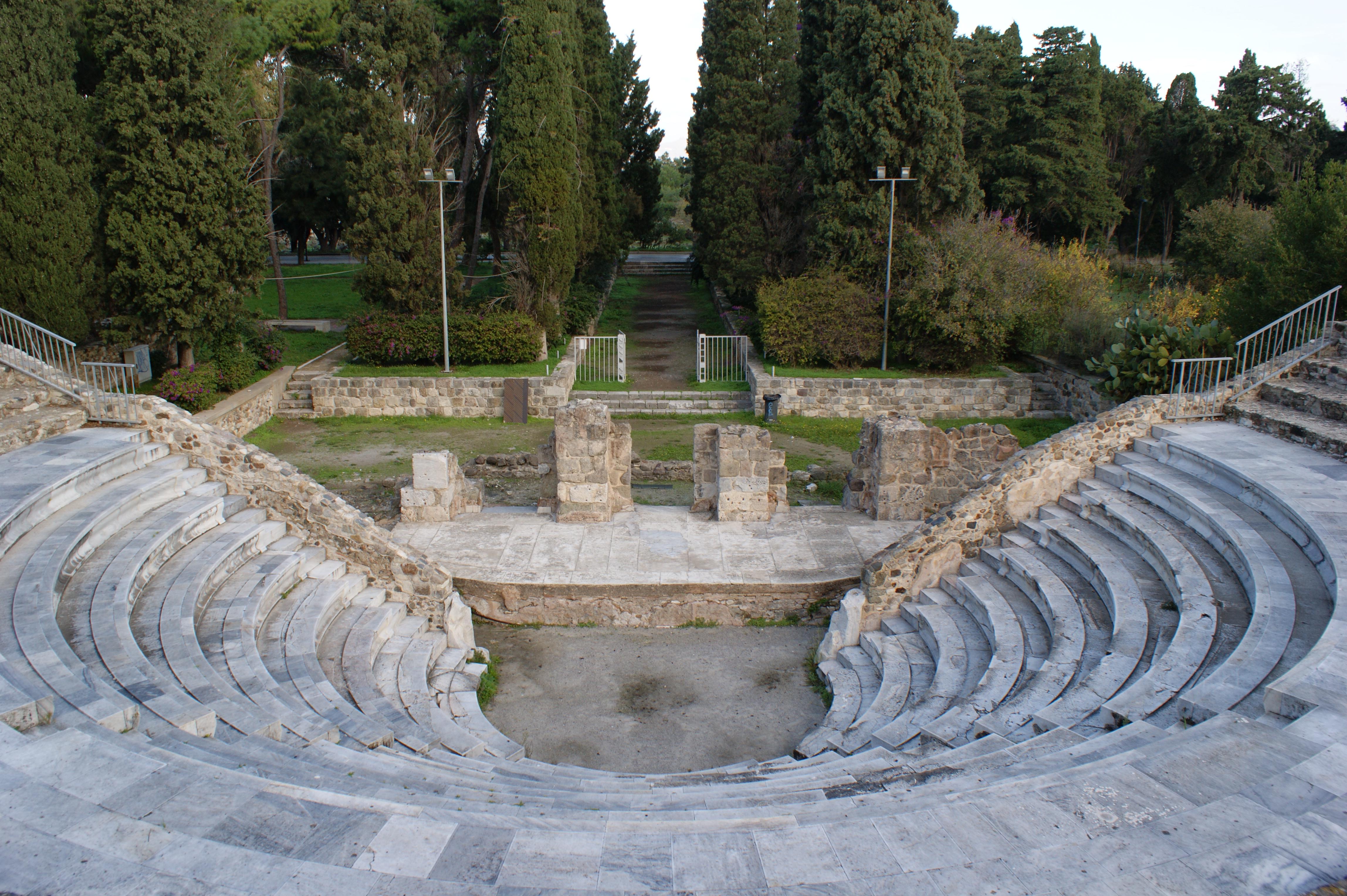
Roman Odeon is an ancient theatre in Kos, built by the Romans during the second century AD. Its reconstructed seating rises across a compact archaeological site measuring about 22 metres long and 25 metres wide.
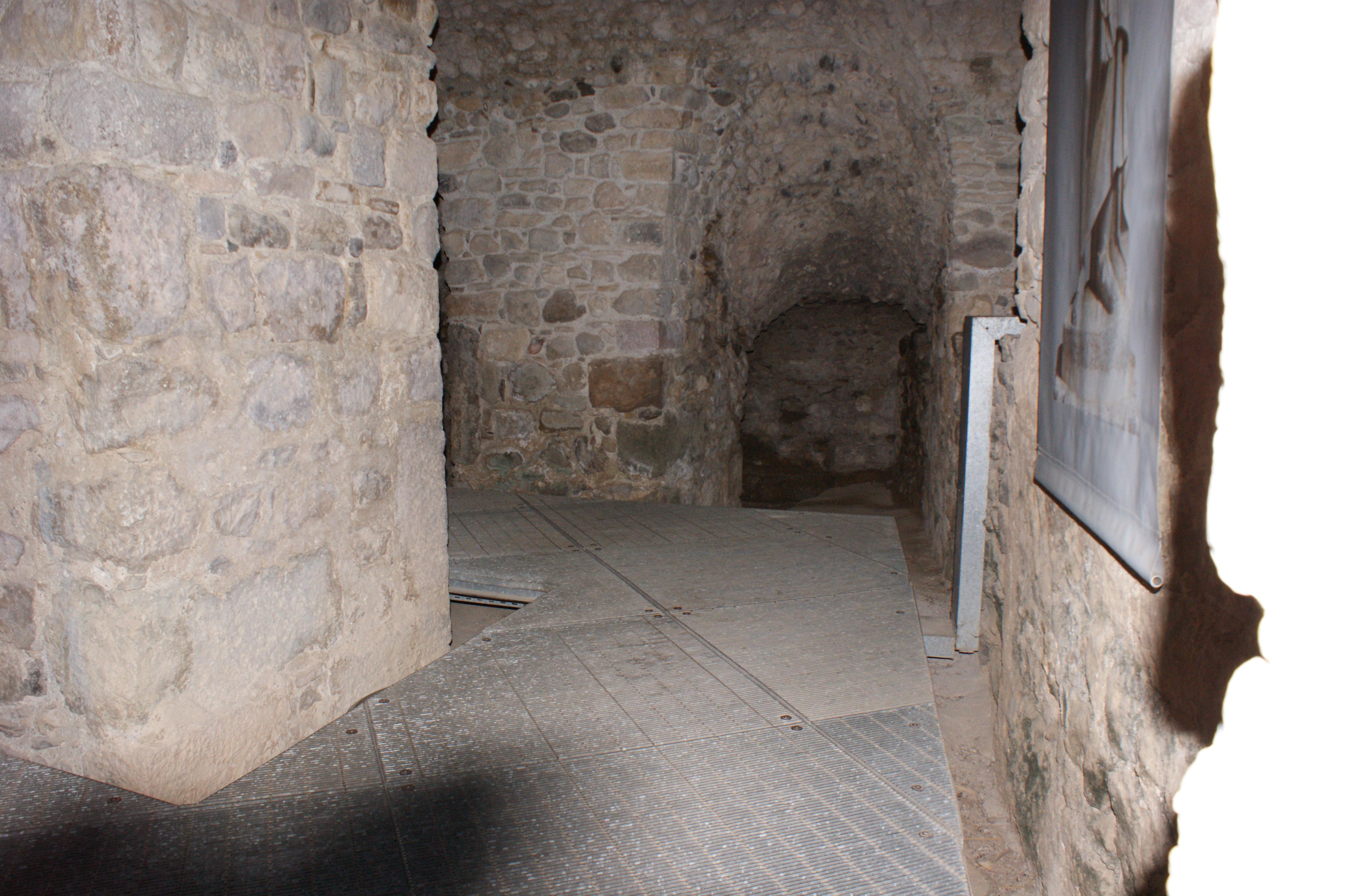
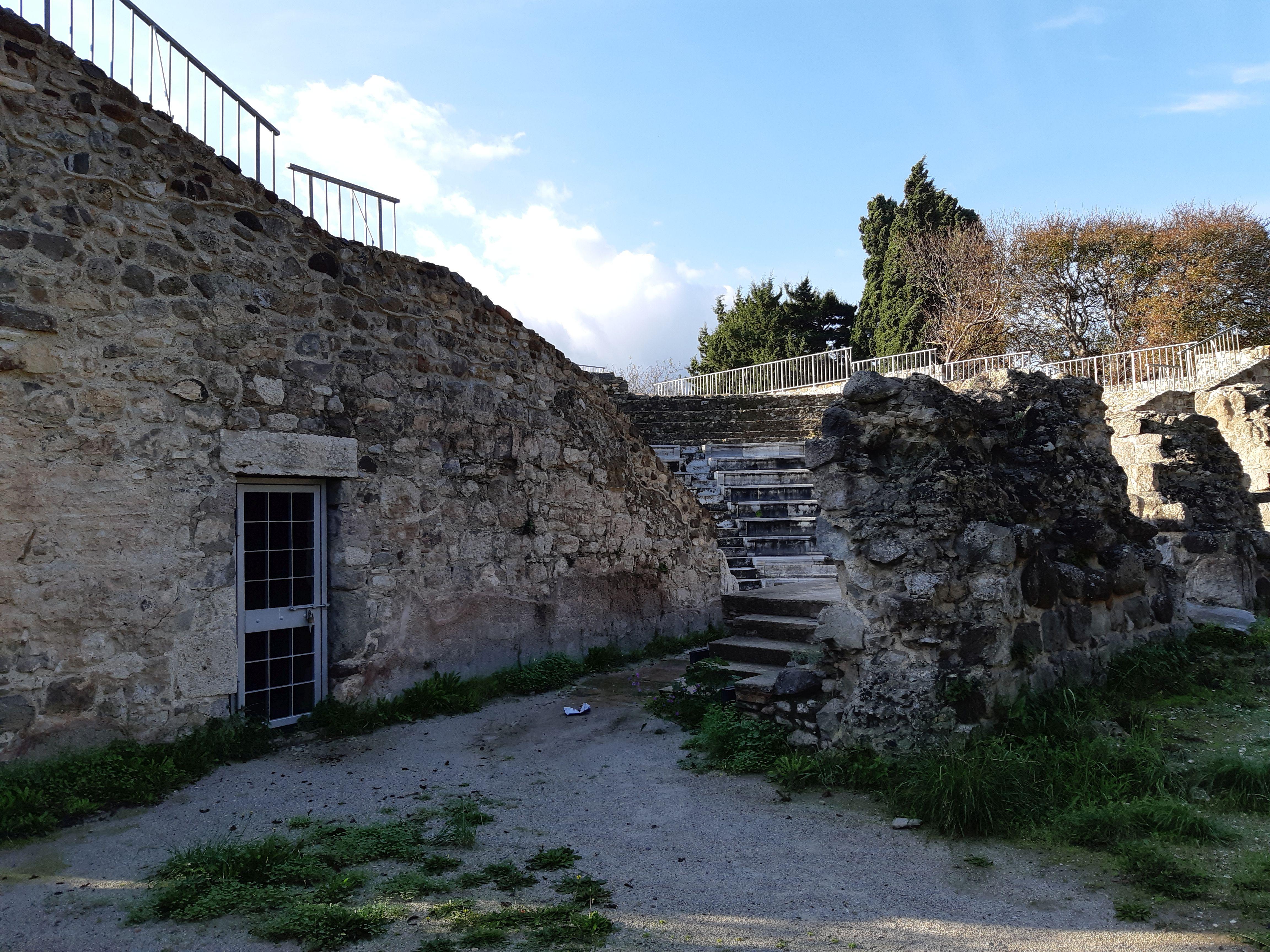
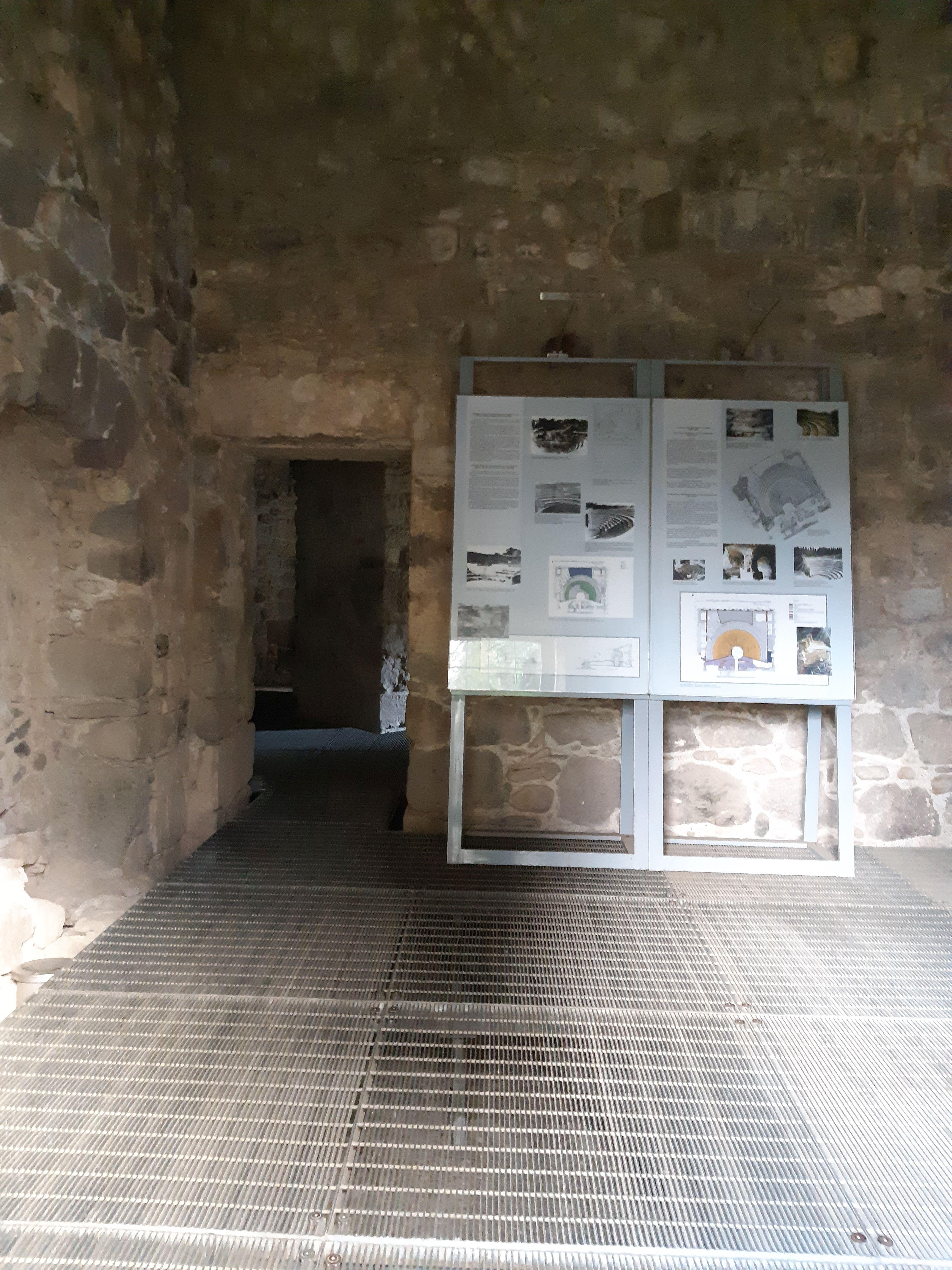
Fourteen seating rows once accommodated roughly 750 spectators, with original marble reserved for prominent citizens and granite used for the wider public. A circular orchestra, marble mosaics, and an irregular pentagonal stage served musical competitions and public sessions of the local gerousia. An earthquake damaged the building in AD 142, and repairs followed under Emperor Antoninus Pius. Excavations began in 1929, while restoration continued through the twentieth century. Nearly underground corridors beneath the seats now contain exhibition spaces, including photography displays, and the venue hosts cultural events during summer.
Look closely at the restored first nine rows and the well-preserved mosaics, especially toward the rear left side. The entrance path passes tall cypress trees and flowers, with cicadas often audible in summer. Nearby, Casa Romana, the Decumanus Maximus, the gymnasium, and the altar of Dionysos create a wider archaeological landscape around the theatre. A marble portrait often identified as Hippocrates was found in the surrounding area and is now displayed at the Archaeological Museum of Kos.
- City
- Kos
- Content updated
Take this page with you
The myTuur app is free, and once you are standing at a spot its story starts by itself.


Spots like this one are the stops myTuur strings into tours through Kos. In the app, each story begins where you stand: walk up to a spot and it starts, read it on screen or listen as you go, then follow the route to the next one.
What is myTuur?
myTuur is a free city-guide app. Its tours are built from spots, and each spot carries a story that starts when you get there, to read or to listen to as you like.