Museum der Natur
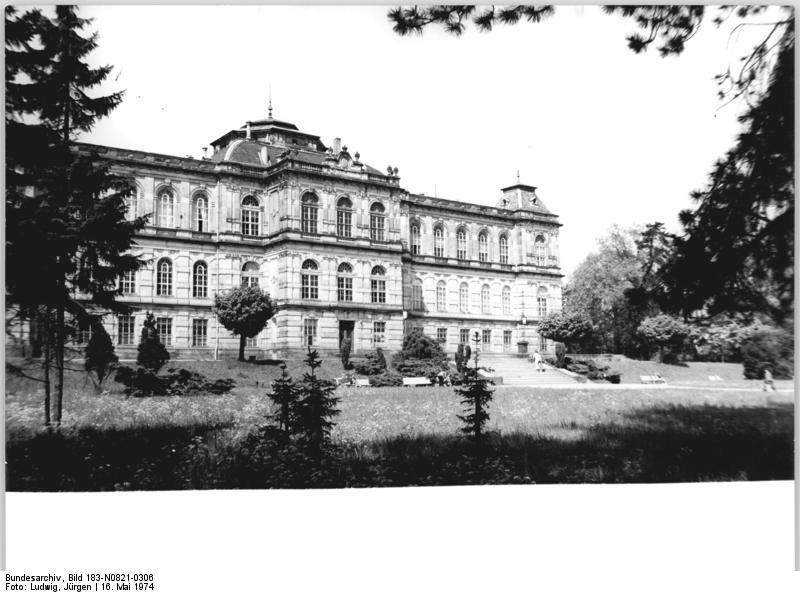
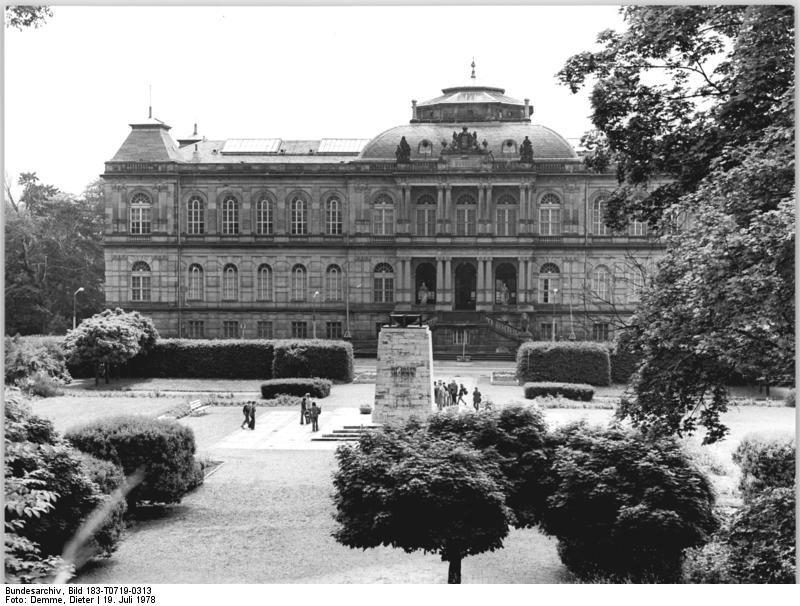
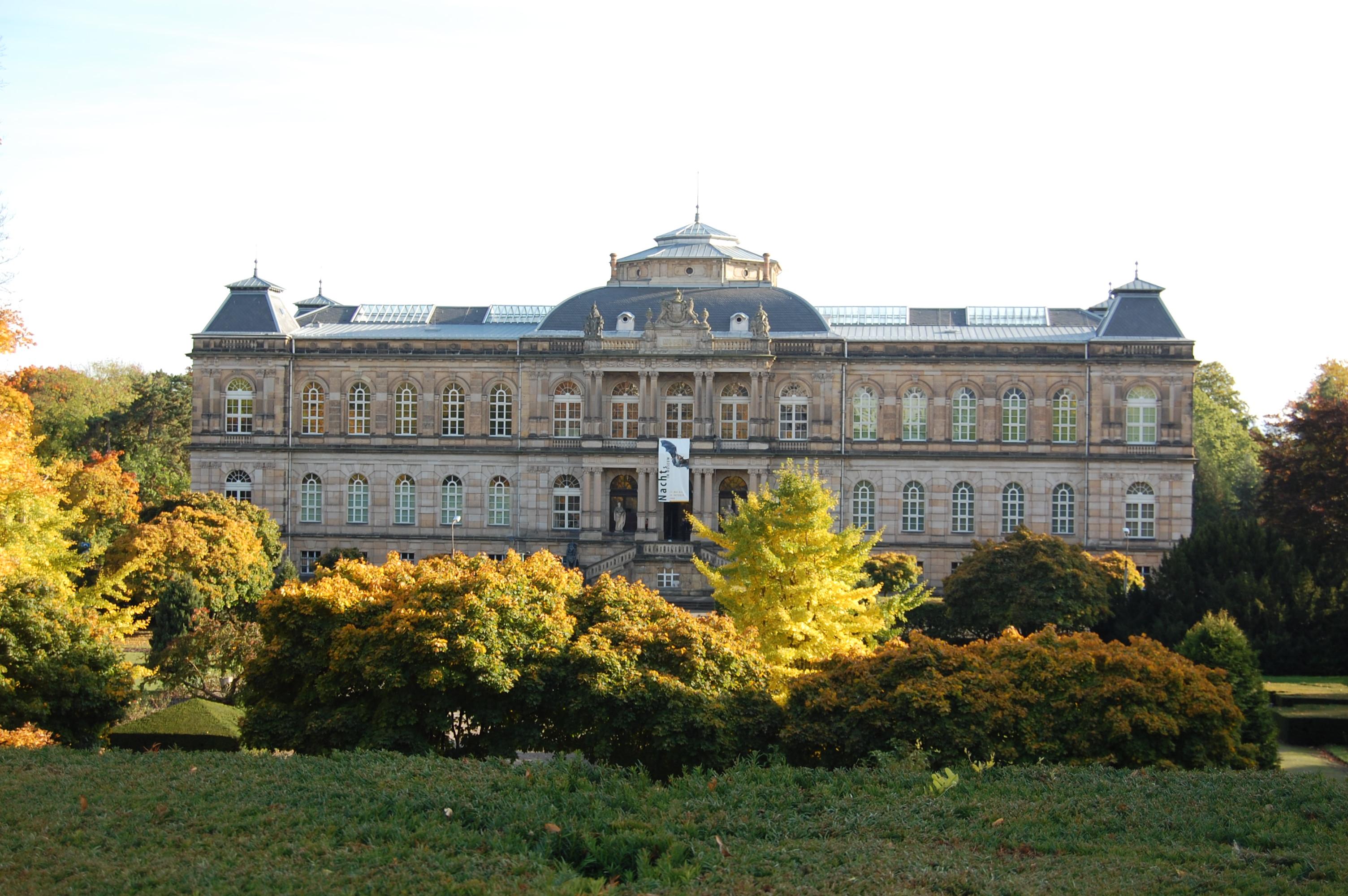
Museum der Natur occupies a late nineteenth-century building inspired by the palaces of Renaissance Italy. Broad steps lead visitors past stone lions.
Double colonnades of classical columns frame an entrance with statues representing art and science. A bright vestibule contains a colourful Italian marble mosaic.
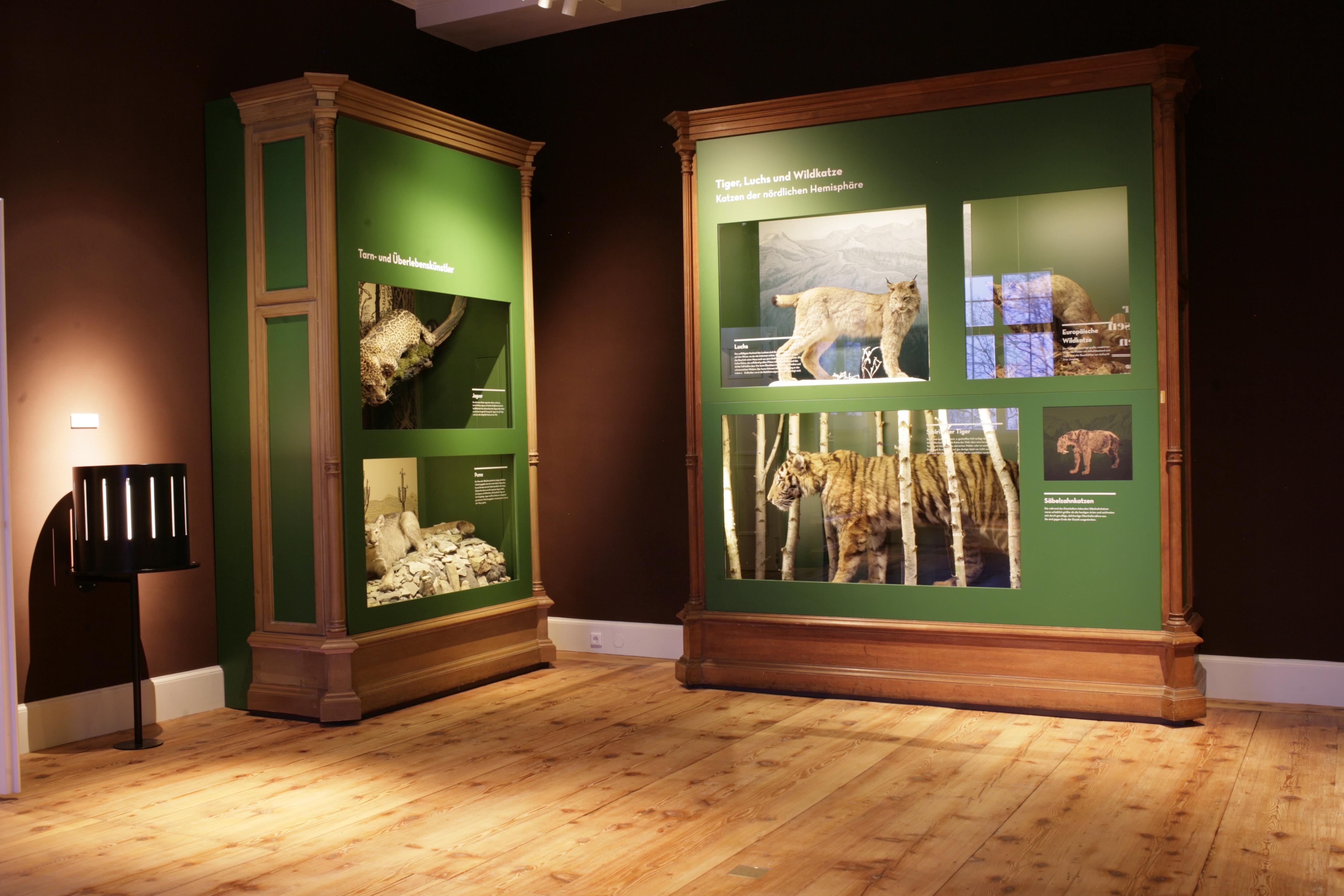
The museum’s collections examine Earth’s history through fossils, interactive exhibits, and photography exhibitions about nature. The Bromacker Lab focuses on early land vertebrates.
Fossils and ancient footprints from Bromacker illuminate how life moved onto land nearly 300 million years ago. Orobates pabsti represents that ancient world.
Scientists built the Orobot robot to investigate how Orobates pabsti walked across the ground. Ancient footprints preserve another trace of movement.
Interactive stations give adults and children hands-on ways to investigate prehistoric science together. Chirotherium barthii appears among the named fossils.
Photography exhibitions show nature’s beauty and fragility. Marble, columns, lions, fossils, and footprints connect the building with the history of life on Earth.
- City
- Gotha
- Content updated
Take this page with you
The myTuur app is free, and once you are standing at a spot its story starts by itself.


Spots like this one are the stops myTuur strings into tours through Gotha. In the app, each story begins where you stand: walk up to a spot and it starts, read it on screen or listen as you go, then follow the route to the next one.
What is myTuur?
myTuur is a free city-guide app. Its tours are built from spots, and each spot carries a story that starts when you get there, to read or to listen to as you like.