Eurydike
Eurydike stands in Copenhagen’s Kongens Have, inside the Hercules Pavilion among the garden’s historic avenues. Giovanni Baratta’s marble figure portrays Eurydice, the Greek mythological figure lost to the underworld. Orpheus and Hercules occupy neighbouring niches, creating a classical group within the pavilion.
The three sculptures came to Copenhagen from Italy in the early eighteenth century. The Hercules figure dates from 1702, while the other two joined it in the royal collection. C. F. Harsdorff remodelled the pavilion in the 1770s, when Baratta’s sculptures were installed there. Music once travelled from its lower floor to guests gathered above.
Christian IV initiated the garden around 1606 to supply the royal court with fruit and vegetables. J. C. Krieger later shaped a Baroque garden with fountains, statues and clipped boxwood hedges. Central avenues and flower beds still show the earlier layout, while the park’s public history began in the late eighteenth century.
- City
- Copenhagen
- Content updated
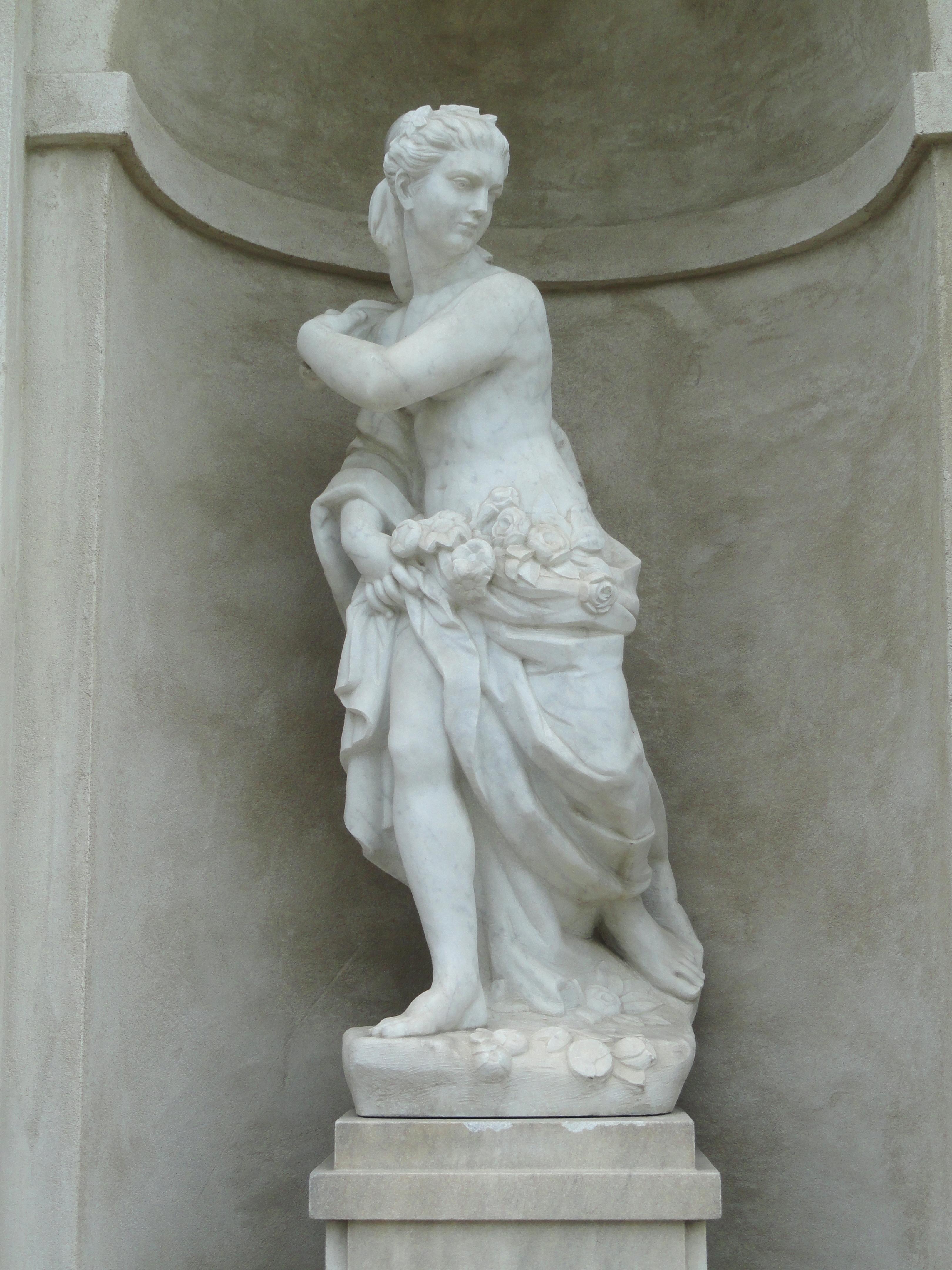
Image: DaderotCC0 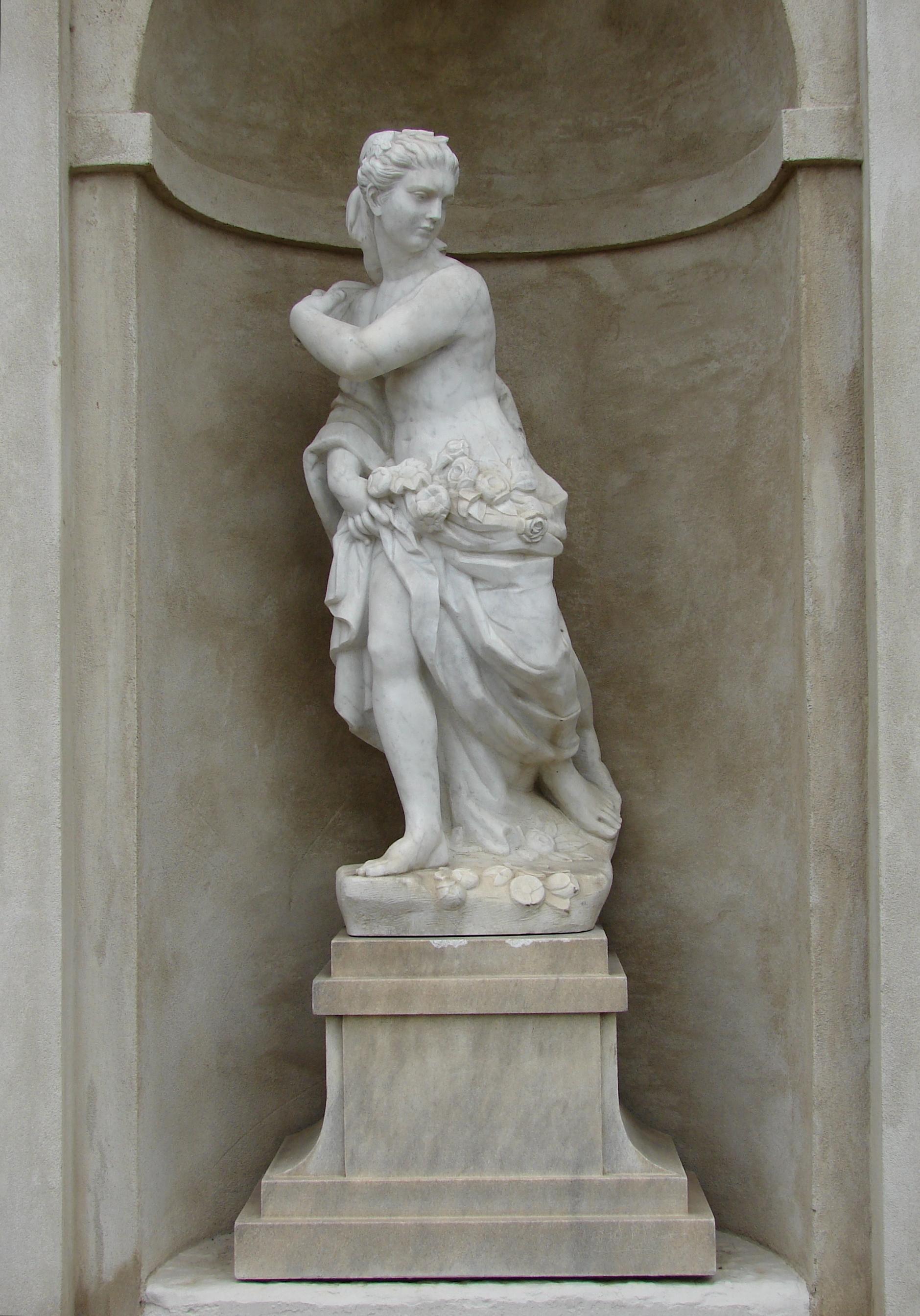
Image: Orf3usPublic domain
Take this page with you
The myTuur app is free, and once you are standing at a spot its story starts by itself.


Spots like this one are the stops myTuur strings into tours through Copenhagen. In the app, each story begins where you stand: walk up to a spot and it starts, read it on screen or listen as you go, then follow the route to the next one.
What is myTuur?
myTuur is a free city-guide app. Its tours are built from spots, and each spot carries a story that starts when you get there, to read or to listen to as you like.