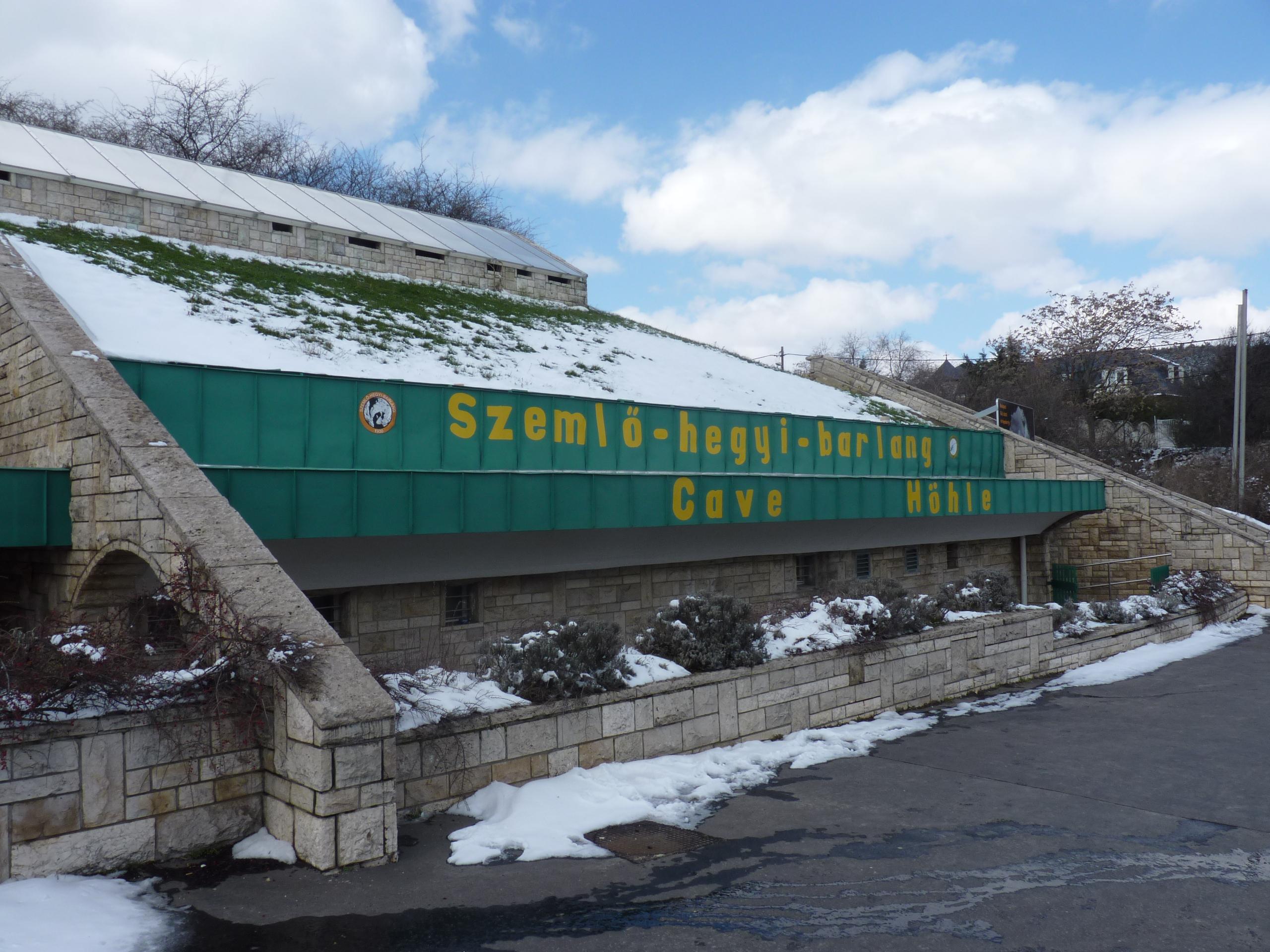
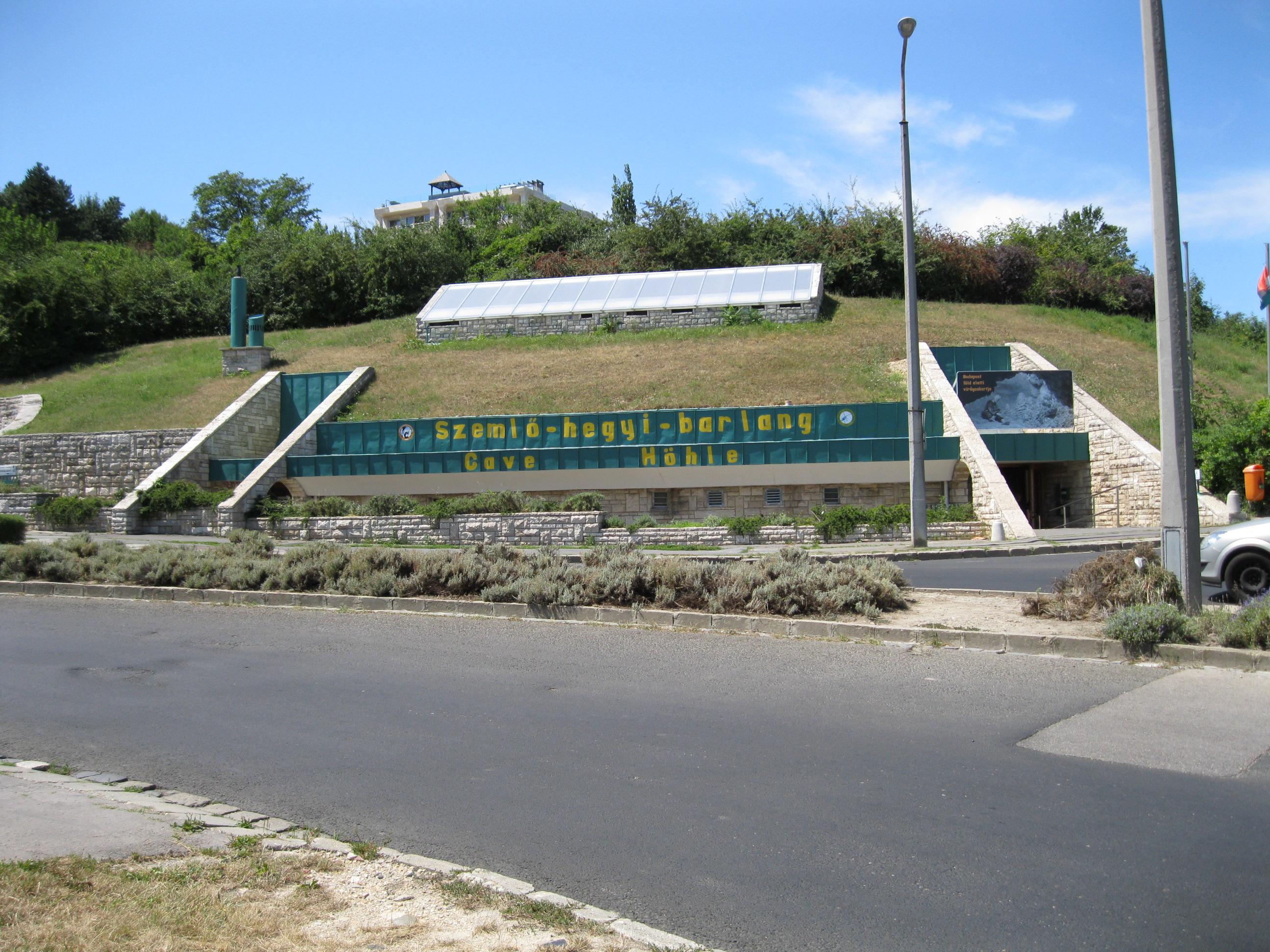
Szemlő-hegyi-barlang
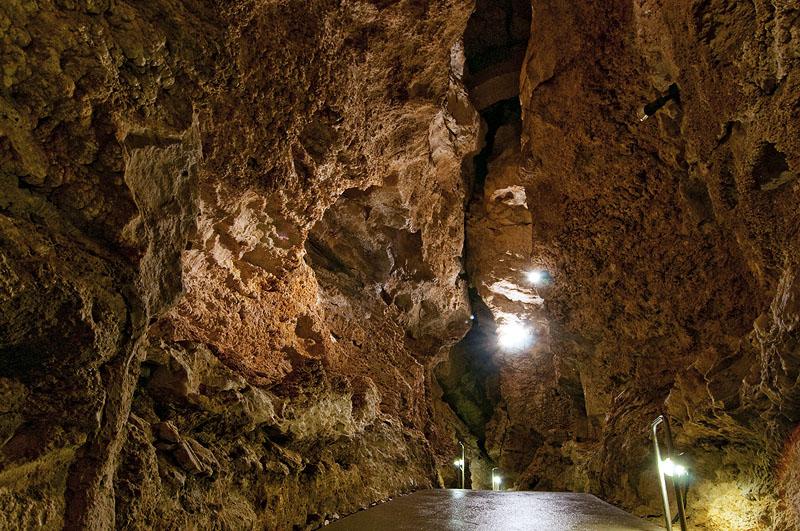
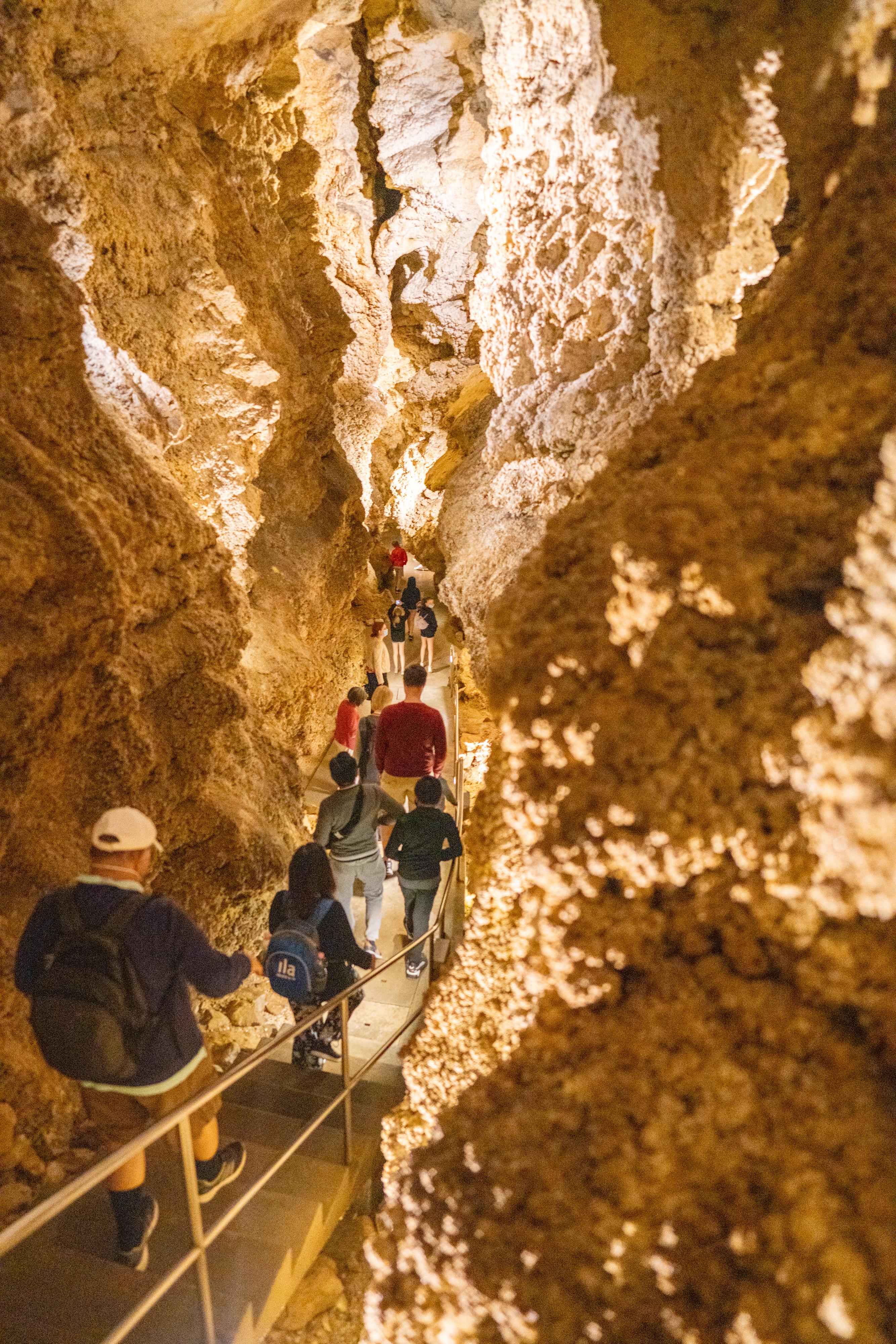
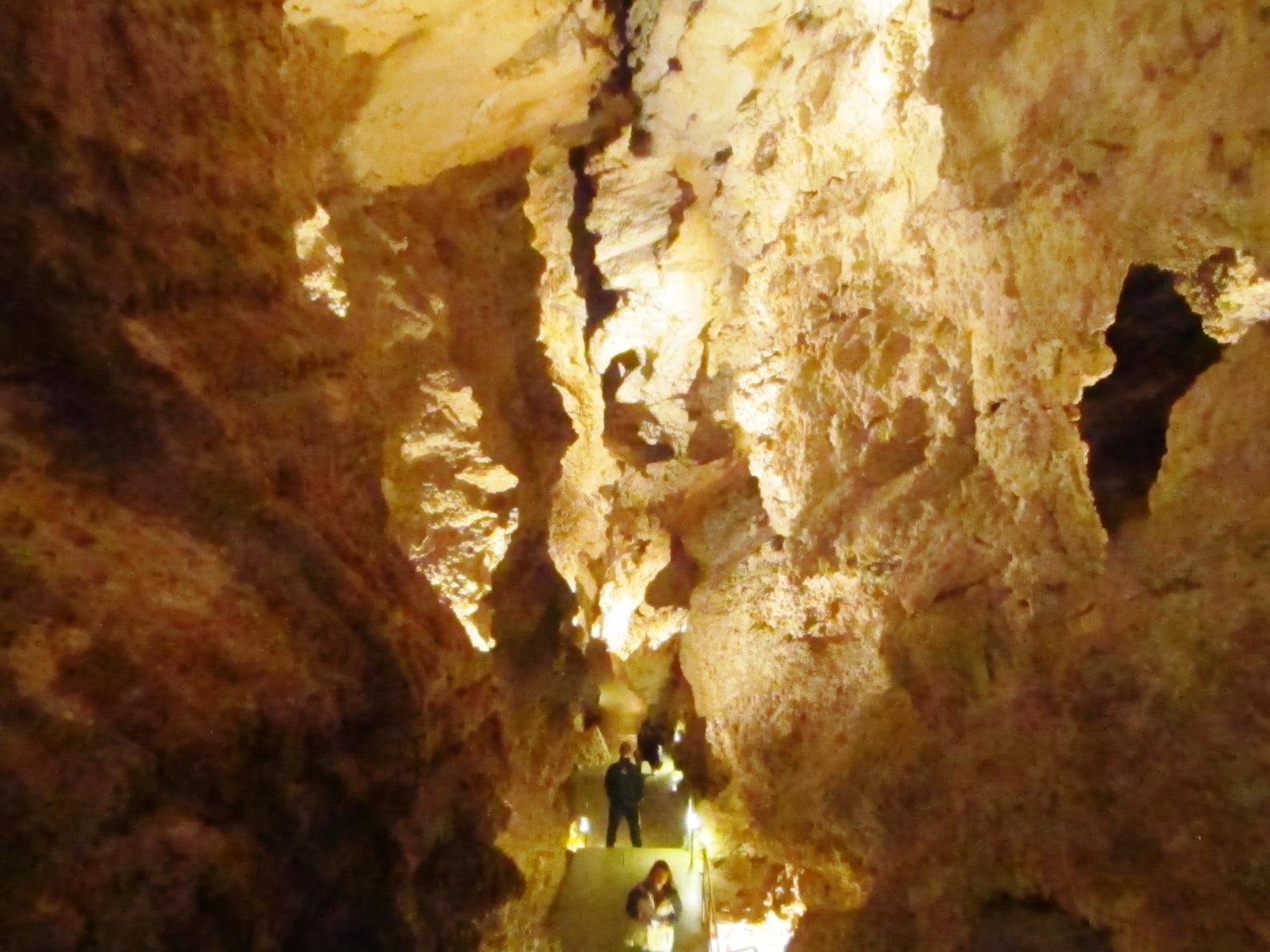
Szemlő-hegyi-barlang lies beneath a hill in Budapest, Hungary, opening into a protected world shaped by warm underground waters. Its walls carry pale yellow and white pea stones, rounded formations that resemble grapes or tiny cauliflower heads. A paved route leads through halls where aragonite needles and gypsum patches catch the light.
Quarry workers discovered the cave in 1930 after finding a narrow, deep opening in the rock. The accessible passage covers about 250 metres, while the cave continues for more than two kilometres beneath the hillside. Ramps and stairs make the route suitable for families with strollers and visitors using wheelchairs.
No bats live inside, because the cave has no natural entrance. Rare mineral deposits make these quiet chambers valuable to geology and mineralogy, while every pea stone records the slow movement of thermal water.
- City
- Budapest
- Content updated
Take this page with you
The myTuur app is free, and once you are standing at a spot its story starts by itself.


Spots like this one are the stops myTuur strings into tours through Budapest. In the app, each story begins where you stand: walk up to a spot and it starts, read it on screen or listen as you go, then follow the route to the next one.
What is myTuur?
myTuur is a free city-guide app. Its tours are built from spots, and each spot carries a story that starts when you get there, to read or to listen to as you like.