Lustgarten
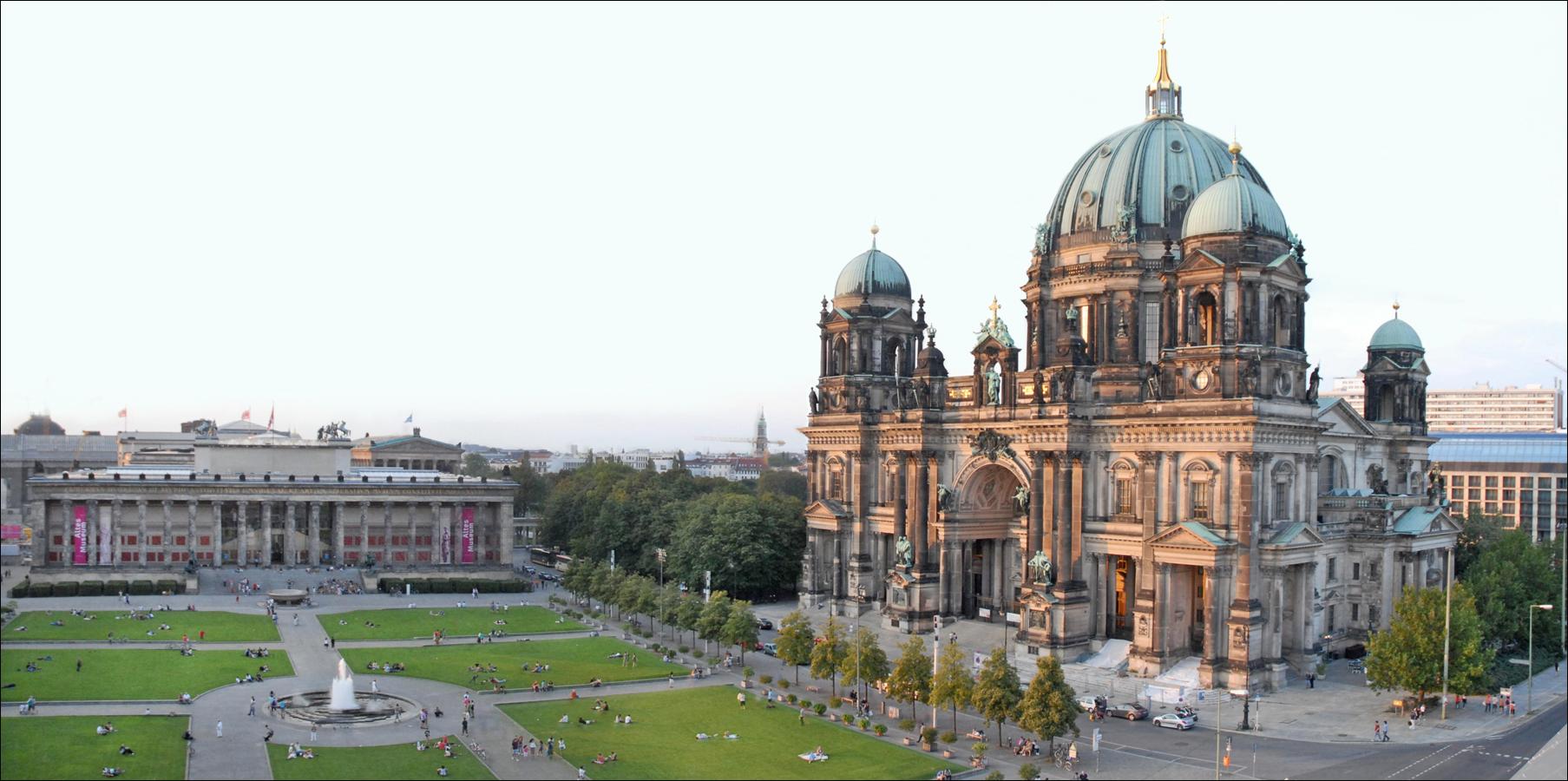
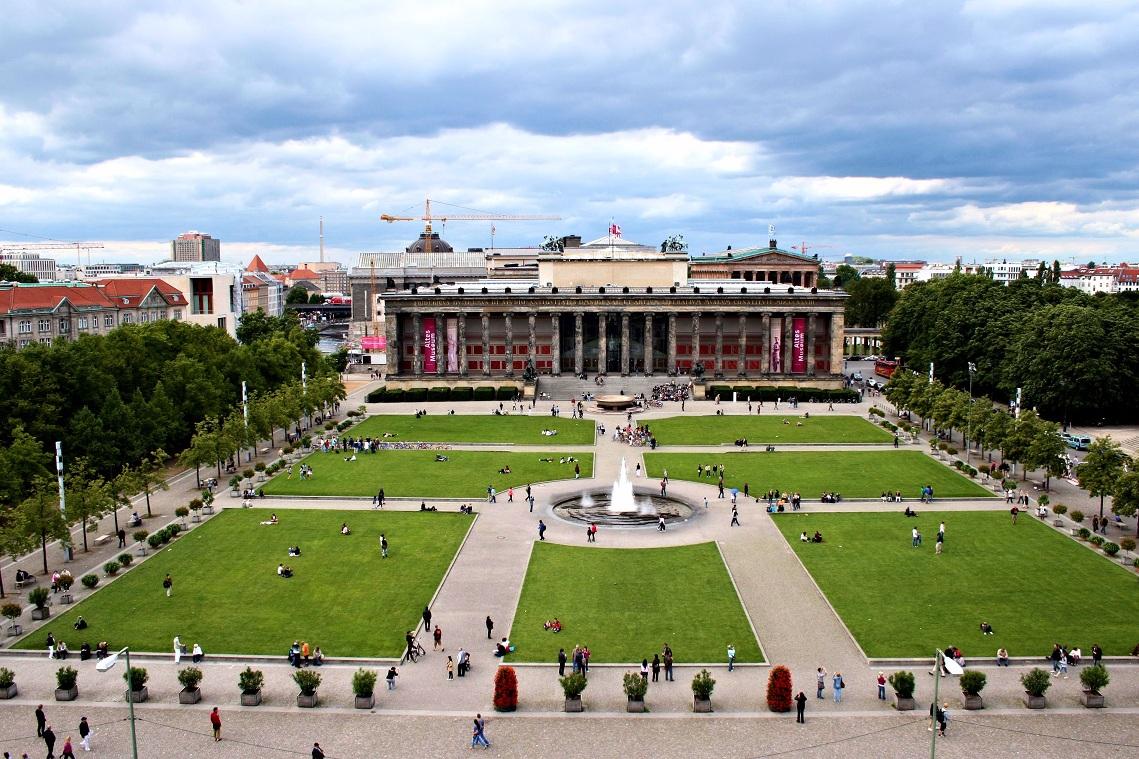
The Lustgarten sits on Museum Island in central Berlin, directly in front of the Altes Museum and beside the Berlin Cathedral. It is a public park with fountains and open green space, and it is wheelchair accessible. The scene you see is only the newest layer in a long story.
It began in the sixteenth century as a kitchen garden for the palace of the Elector of Brandenburg. Luise Henriette of Nassau reshaped it into a formal garden with fountains and geometric paths. In the early eighteenth century Friedrich Wilhelm I turned it into a parade ground, a sign of Prussia's militaristic focus. Peter Joseph Lenné redesigned it in the nineteenth century and gave it a steam-powered fountain, a genuine marvel of its day. Political demonstrations took place here during the Weimar Republic and the Nazi era. The Second World War left the area damaged, and restoration began after Germany's reunification.
The buildings around the park have their own history. Karl Friedrich Schinkel's Altes Museum went up between 1826 and 1829, a prime example of neoclassical architecture. Its position facing the park was strategic, part of a broader effort to make Berlin a cultural hub. The cathedral replaced an older church and reached completion in the early twentieth century, blending Renaissance and Baroque styles. The layers still show: kitchen garden, parade ground, rally site, park.
- City
- Berlin
- Content updated
Take this page with you
The myTuur app is free, and once you are standing at a spot its story starts by itself.


Spots like this one are the stops myTuur strings into tours through Berlin. In the app, each story begins where you stand: walk up to a spot and it starts, read it on screen or listen as you go, then follow the route to the next one.
What is myTuur?
myTuur is a free city-guide app. Its tours are built from spots, and each spot carries a story that starts when you get there, to read or to listen to as you like.