Goa Gajah
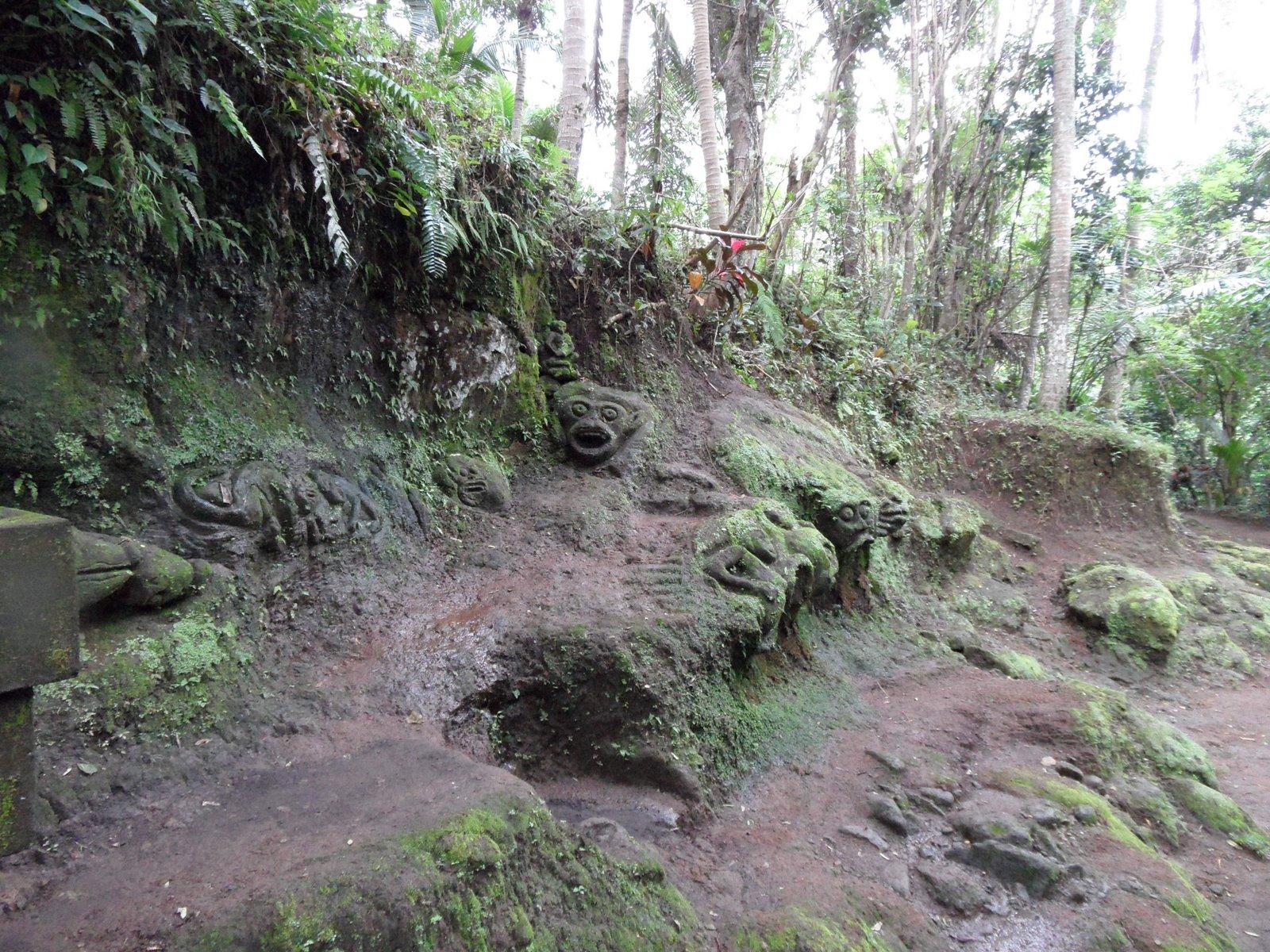
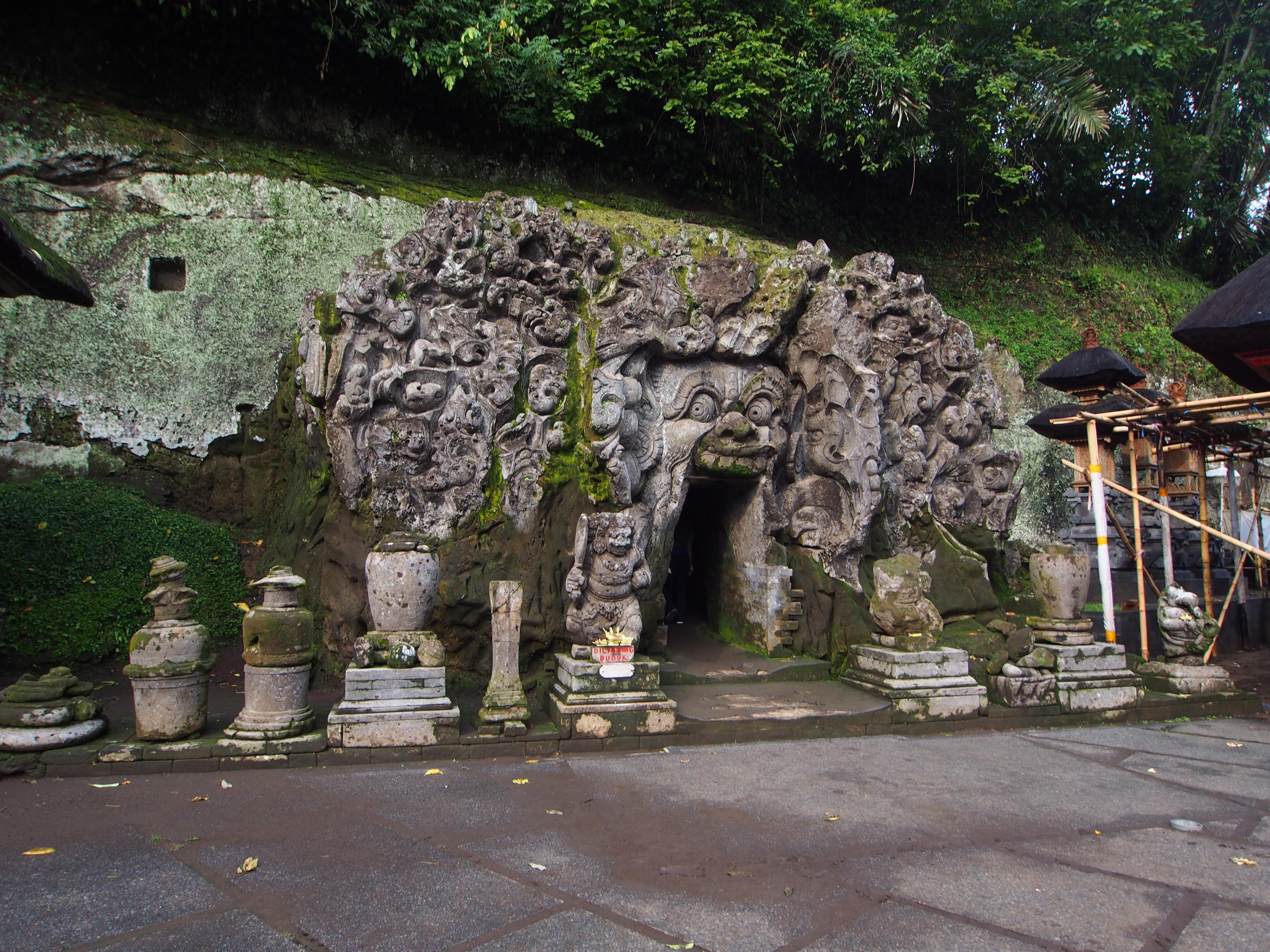
Goa Gajah lies near Bedulu, where a rock-hewn cave opens through a demon’s wide, carved mouth. Forest and animal motifs cover the outer rock face around the entrance.
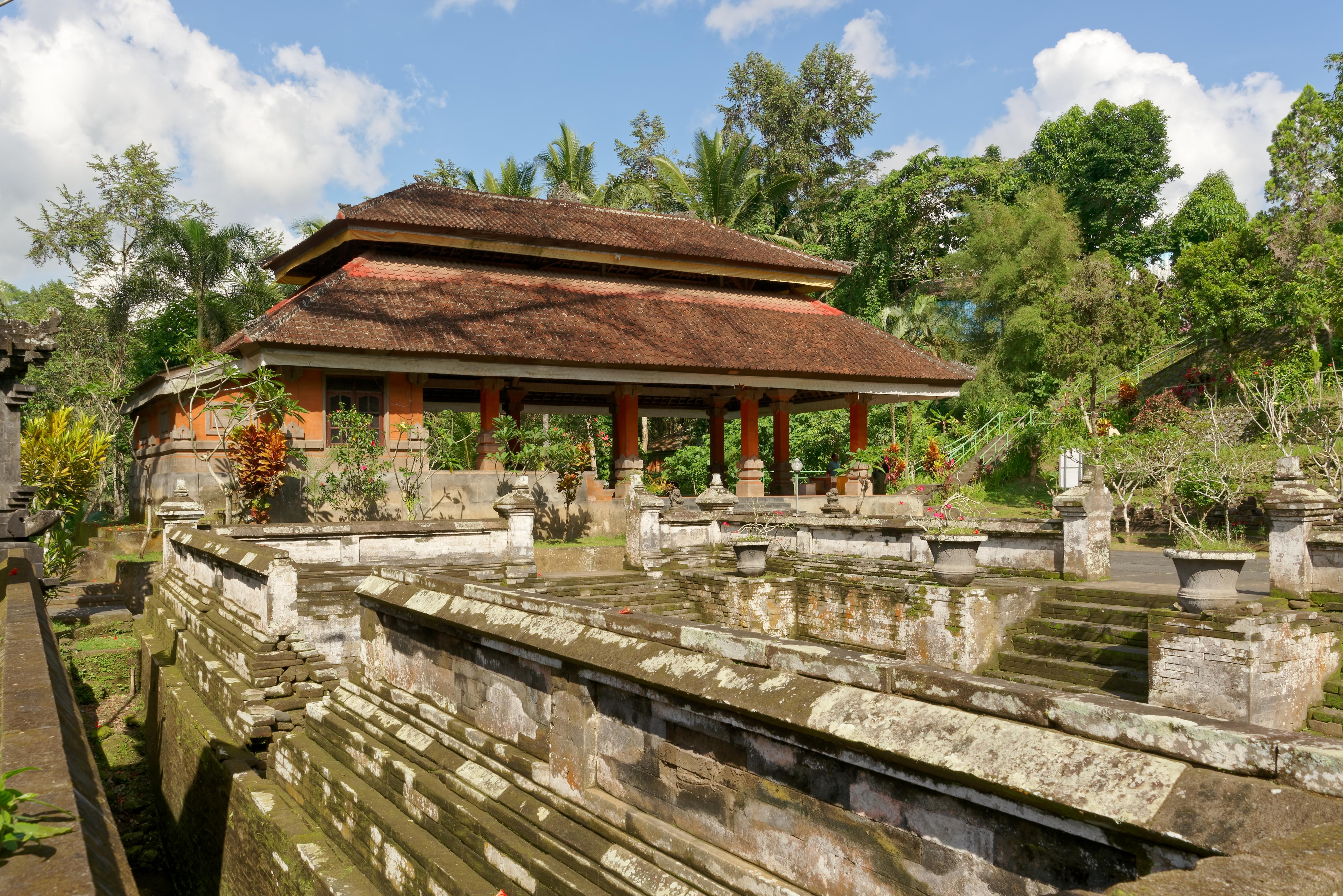
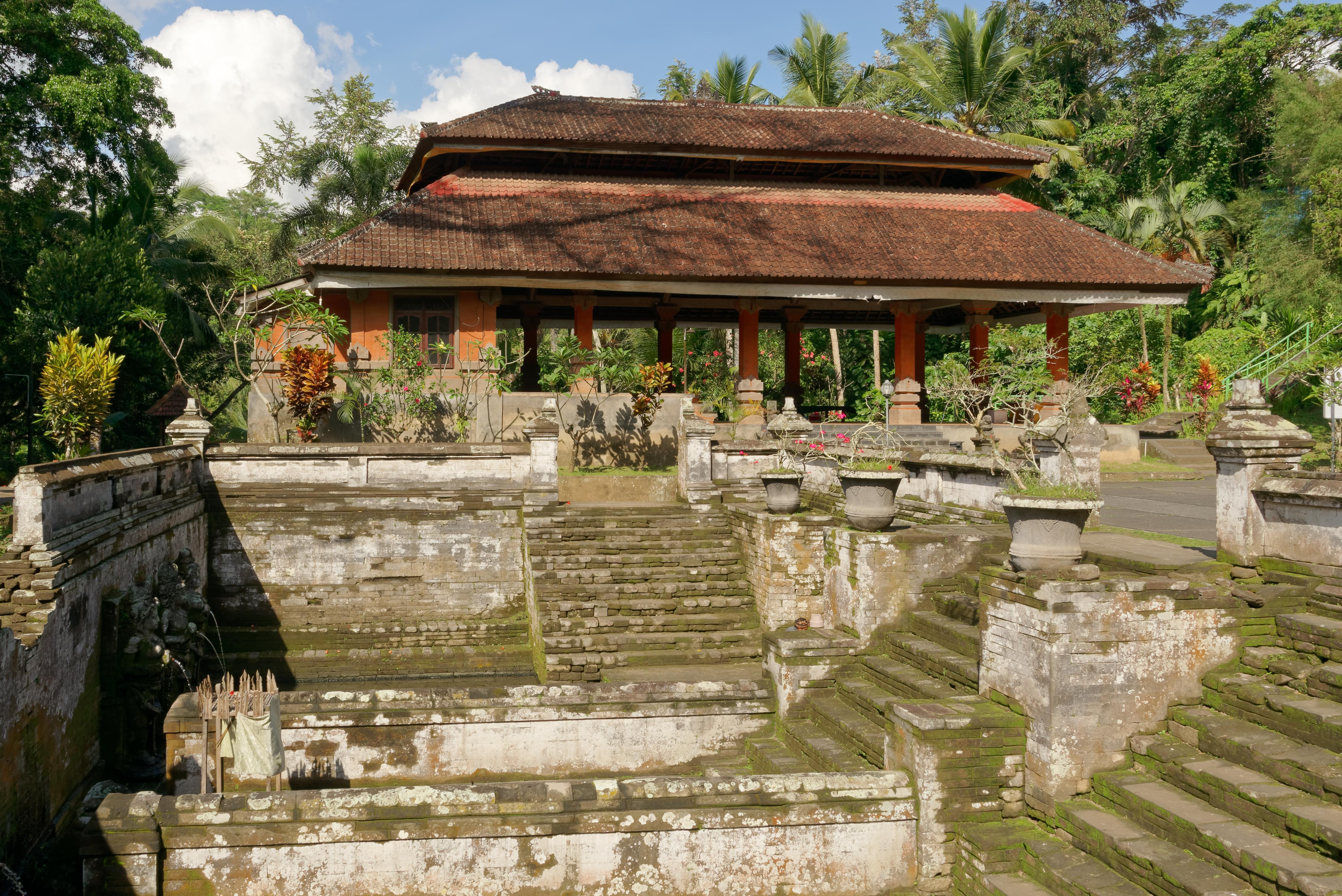
Inside, a lingam, yoni, and statue of Ganesha mark Hindu worship, while Buddhist elements shape the wider complex. Two square bathing pools stand nearby, with waterspouts held by six female figures. The cave likely dates to the eleventh century, while some relics reach back to the eighth. Dutch archaeologists rediscovered the place in 1923, and workers uncovered the pools and fountains in 1954.
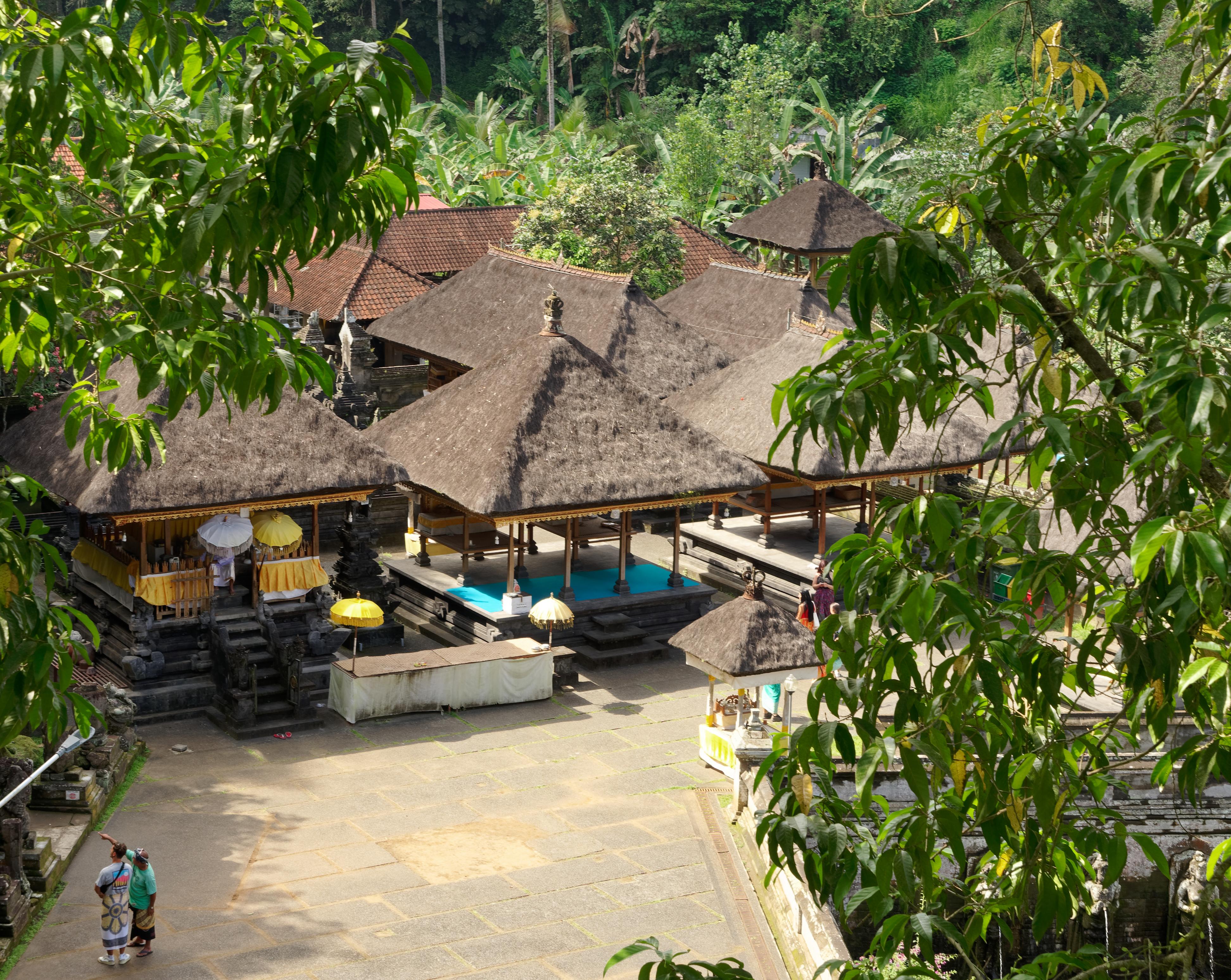
Northern areas show predominantly Buddhist influence, while the southern side centres on Shivaite traditions beside rice fields and streams. Small streams cross the rice fields before reaching the Petanu River, a setting linked with local legends. A sarong and waist sash accompany entry attire, and both can be rented at the entrance.
- City
- Bedulu
- Content updated
Take this page with you
The myTuur app is free, and once you are standing at a spot its story starts by itself.


Spots like this one are the stops myTuur strings into tours through Bedulu. In the app, each story begins where you stand: walk up to a spot and it starts, read it on screen or listen as you go, then follow the route to the next one.
What is myTuur?
myTuur is a free city-guide app. Its tours are built from spots, and each spot carries a story that starts when you get there, to read or to listen to as you like.