Kartause Güterstein
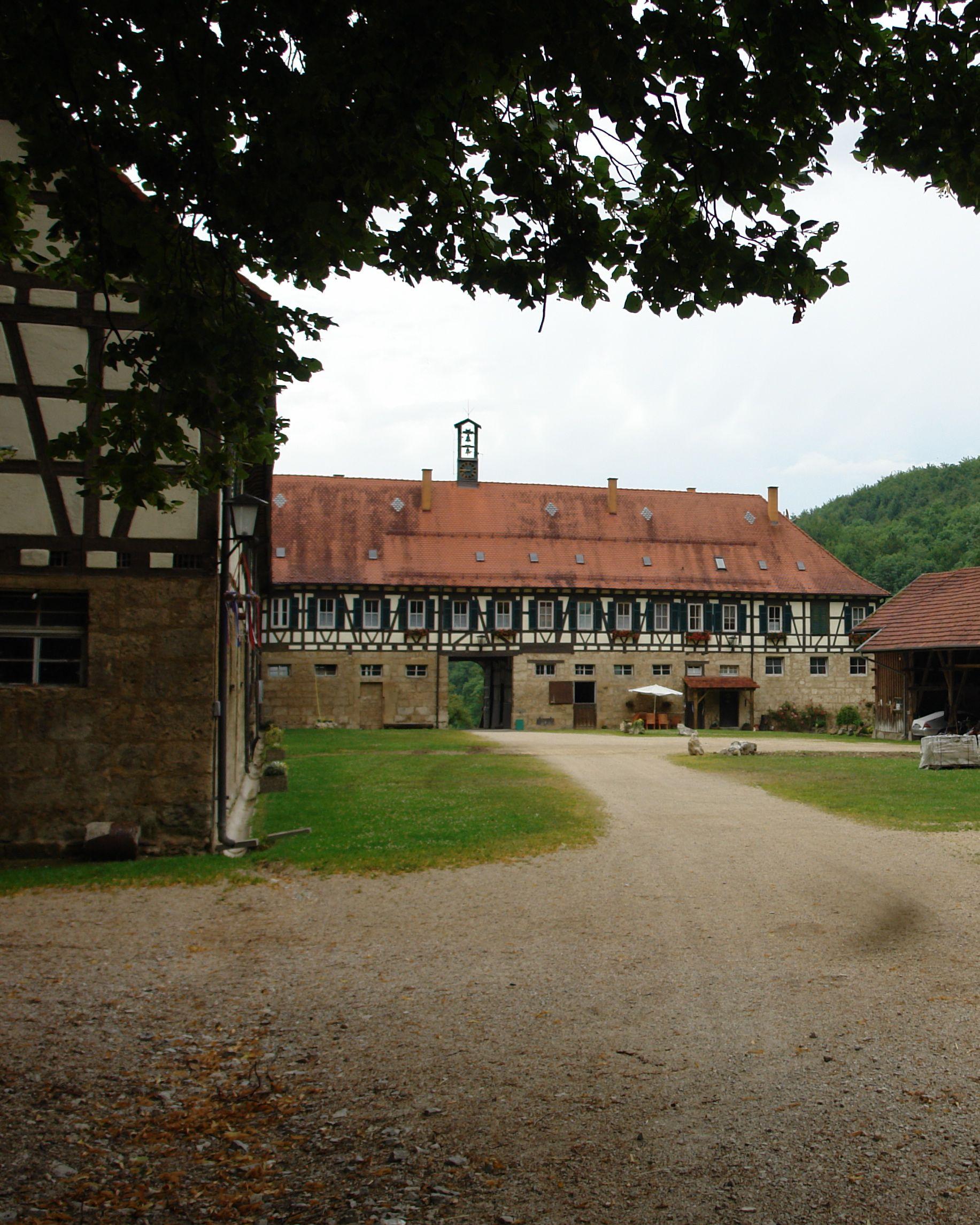
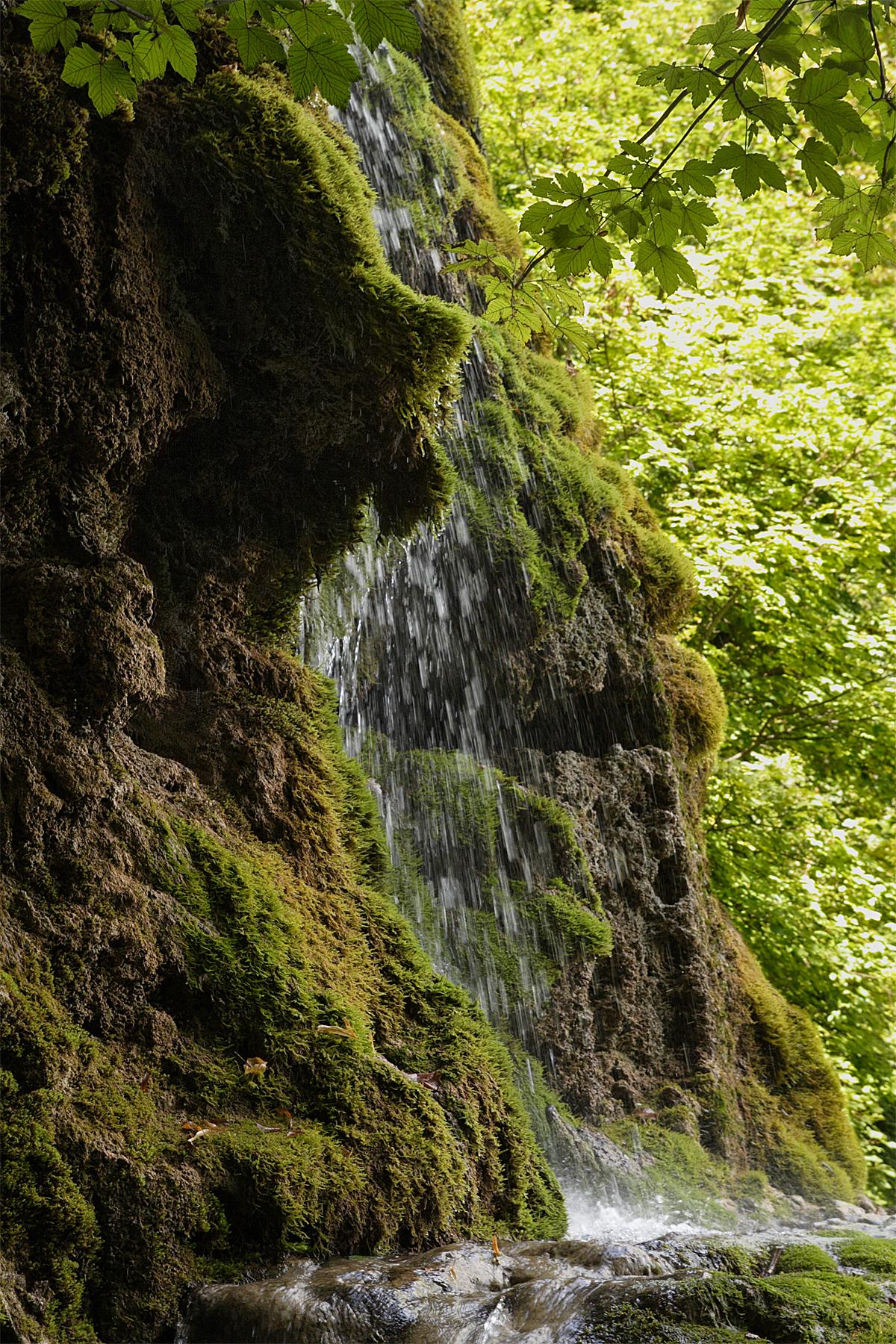
Kartause Güterstein stands near Bad Urach in Germany’s Swabian Alb, marking the remains of a monastery with several religious chapters. Its earliest record places the foundation in the thirteenth century. Cardinal Konrad von Urach connected the site with the Cistercian Order, before Benedictines from Zwiefalten Abbey later took charge. Their monastery flourished during the fourteenth and early fifteenth centuries under the protection of the Counts of Württemberg. In 1439, the Counts transferred the monastery to the Carthusians. The community then gained secure finances and new construction. Kartause Güterstein also became a burial place for the Württemberg ruling family from 1441. Its presses produced important works intended for lay readers. The University of Tübingen and the Brethren of the Common Life in Urach contributed to its decline. The Reformation dissolved the monastery in 1535. Most monks moved to Buxheim Charterhouse, while most buildings were dismantled. Only the burial chapel of the Württemberg ruling house remained at the site. Monuments from that chapel later moved to St George’s Church in Tübingen. Güterstein waterfalls stand nearby, alongside the site’s tufa and spring-water workings. These physical traces connect the former monastery with the surrounding landscape and its later uses.
- City
- Bad Urach
- Content updated
Take this page with you
The myTuur app is free, and once you are standing at a spot its story starts by itself.


Spots like this one are the stops myTuur strings into tours through Bad Urach. In the app, each story begins where you stand: walk up to a spot and it starts, read it on screen or listen as you go, then follow the route to the next one.
What is myTuur?
myTuur is a free city-guide app. Its tours are built from spots, and each spot carries a story that starts when you get there, to read or to listen to as you like.