Musée d'archéologie
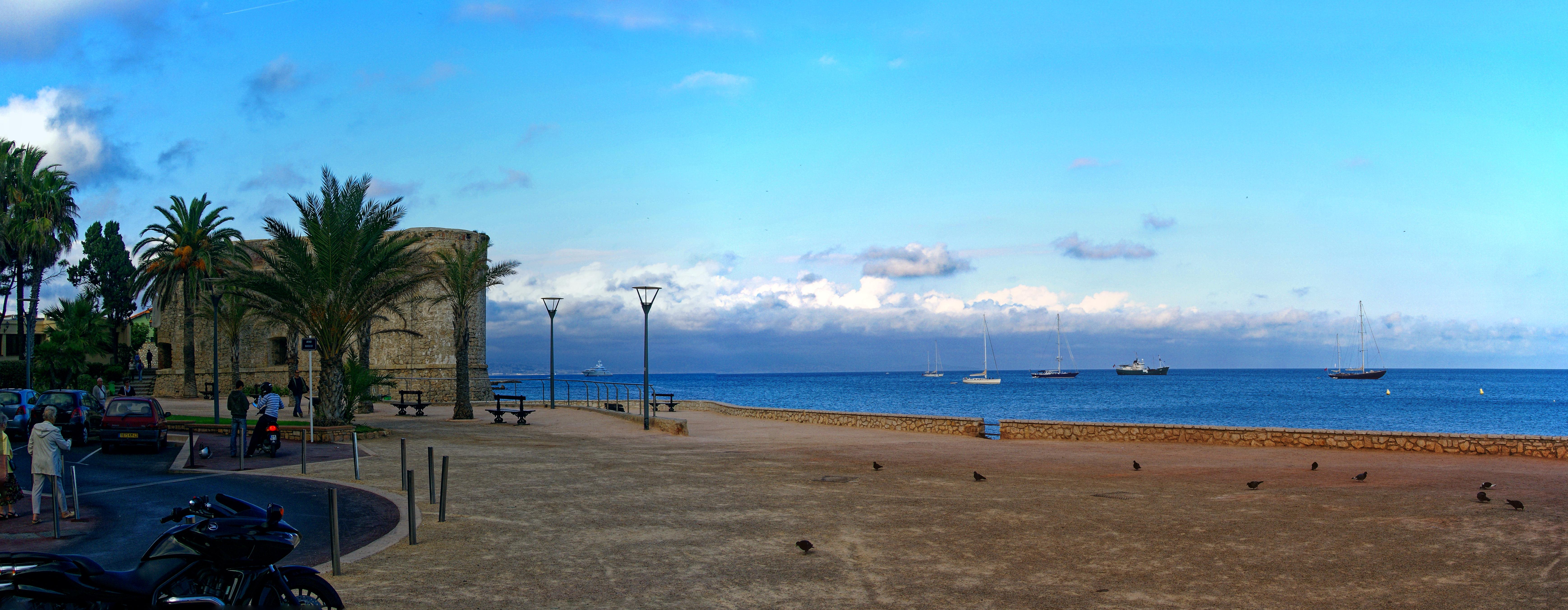
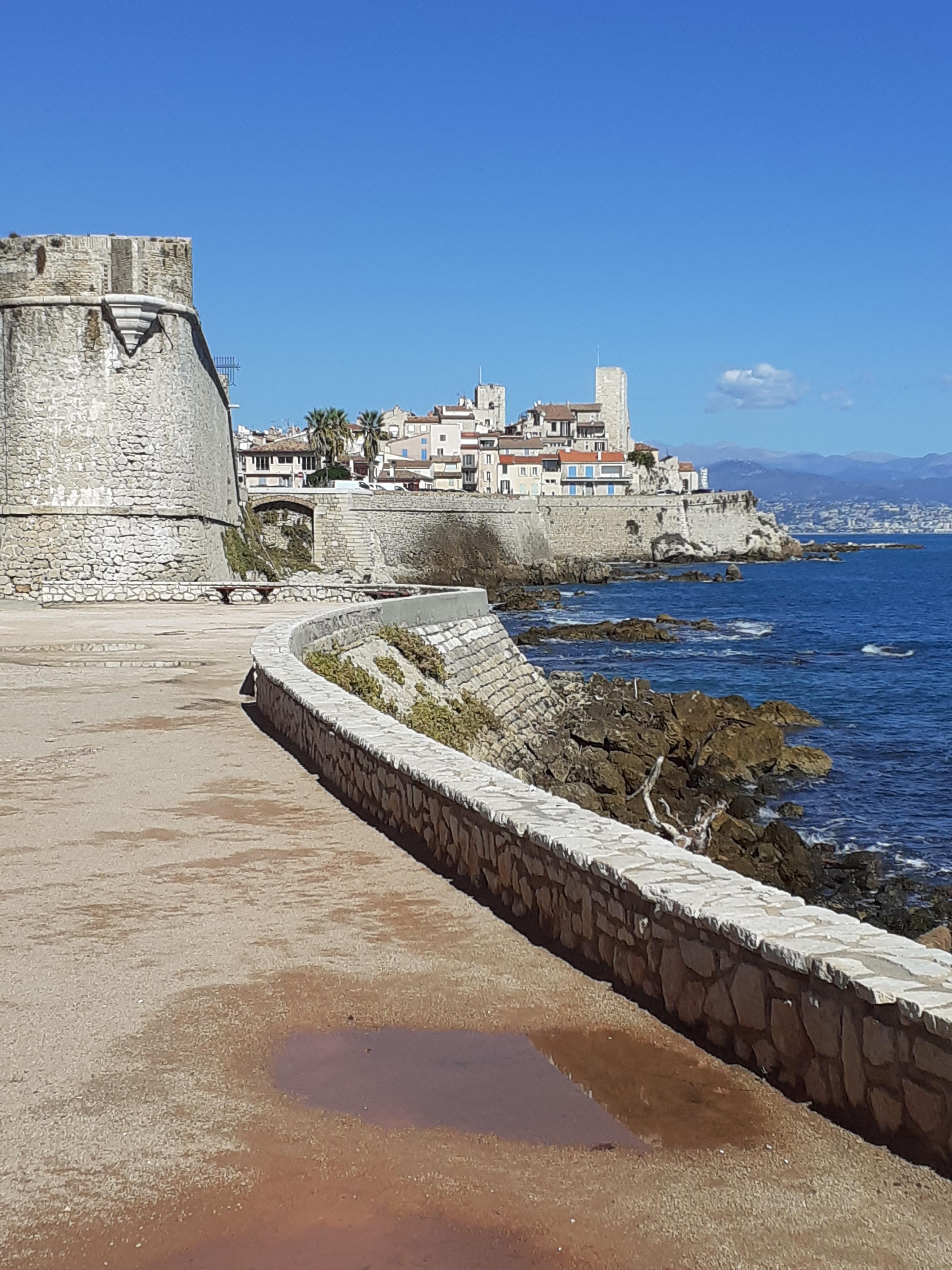
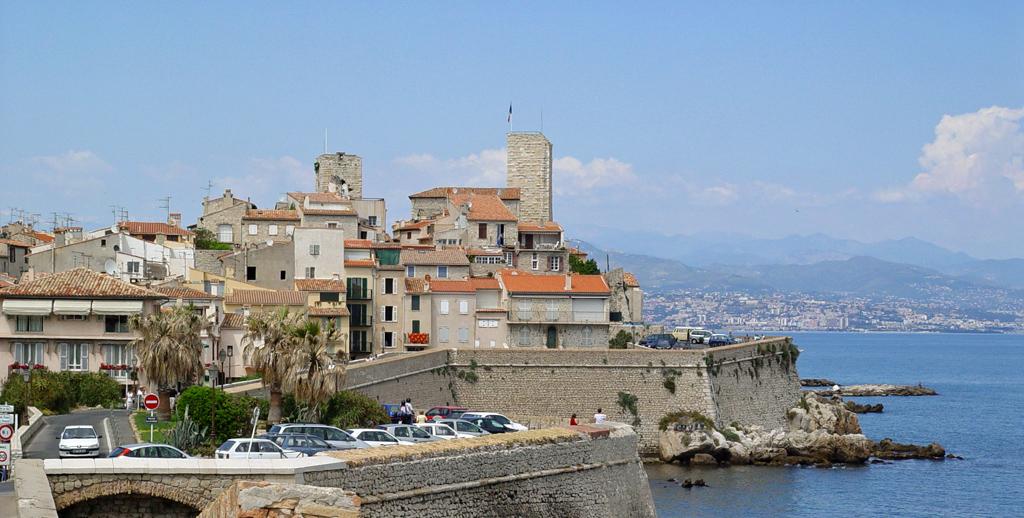
The Musée d'archéologie in Antibes occupies the Bastion Saint André, a Vauban fortification built in the late seventeenth century. Its two vaulted galleries hold archaeological collections from Antibes. Land and underwater excavations trace ancient Antipolis from the seventh century BCE through the fifth century CE, with Ligurian, Greek, and Roman evidence. The museum opened in 1963 inside the bastion. Displays feature the Terpon pebble, the oldest inscription found in Antibes, alongside stone female heads and Mediterranean ceramics. Greek and Italian vases represent ancient Mediterranean exchange. Roman Antipolis appears through coins, bird and love-motif wall paintings, and a marble bust identified as Dionysus or possibly a faun. Shipwreck finds include amphorae, coloured glass, pottery, and ship fittings. Funerary displays include Gallo-Roman inscriptions, cremation urns, a tile-built tomb, a lead sarcophagus, and offerings linked to beliefs about the afterlife. Vaugrenier presents rural life beside the Via Aurelia through tools, workshops, temple-related finds, and weapons.
- City
- Antibes
- Content updated
Take this page with you
The myTuur app is free, and once you are standing at a spot its story starts by itself.


Spots like this one are the stops myTuur strings into tours through Antibes. In the app, each story begins where you stand: walk up to a spot and it starts, read it on screen or listen as you go, then follow the route to the next one.
What is myTuur?
myTuur is a free city-guide app. Its tours are built from spots, and each spot carries a story that starts when you get there, to read or to listen to as you like.