Bartolomeo Colleoni
On Campo Santi Giovanni e Paolo in Venice, Bartolomeo Colleoni rises as a Renaissance bronze equestrian statue. Andrea del Verrocchio designed the rider and horse between 1480 and 1488. Nearly four metres high without its pedestal, the commanding figure turns a military leader into movement. One foreleg lifts while three legs support the horse.
Venetian authorities placed the monument here in 1496, after Colleoni’s bequest and a competition held in 1479. His will left 100,000 ducats to Venice. Because statues were forbidden in Piazza San Marco, officials redirected the planned tribute to another location. Three sculptors entered the competition: Verrocchio, Alessandro Leopardi, and Bartolomeo Vellano. Verrocchio died in 1488 before the bronze casting finished, so Leopardi completed the work and constructed its pedestal.
The rider represents Colleoni as an energetic commander rather than a literal portrait. Verrocchio’s horse balances on three legs, a technical solution that avoids placing the raised hoof on a supporting sphere. Copies later reached Szczecin, Warsaw, and Montevideo, but the original remains in Venice.
- City
- Venice
- Content updated
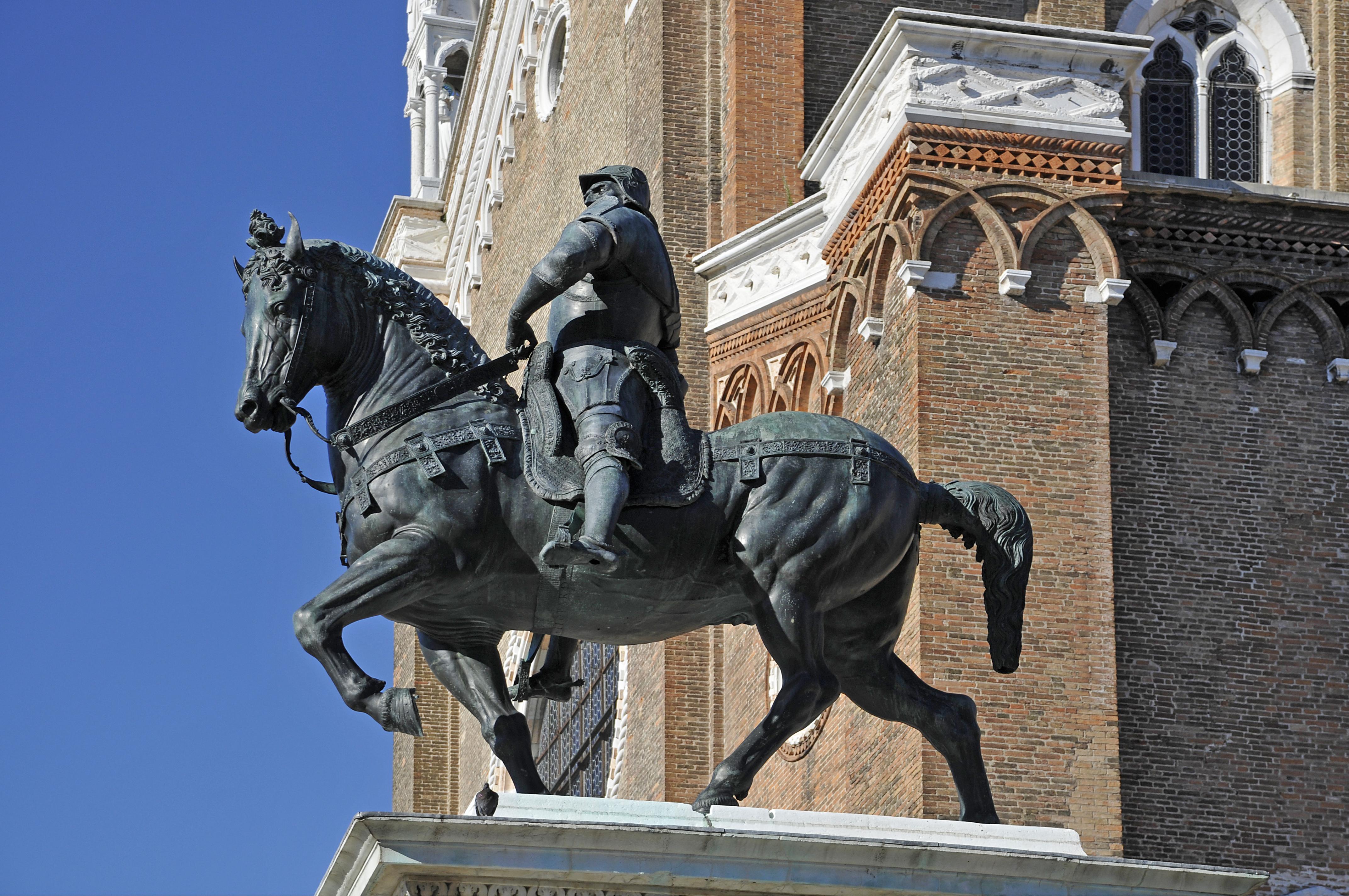
Image: This Photo was taken by Wolfgang Moroder., Feel free to use my photos, but please mention me as the author and send me a message., This image is not in the public domain. Please respect the copyright protection. It may only be used according to the rules mentioned here. This specifically excludes use in social media, if applicable terms of the licenses listed here not appropriate., Please do not upload an updated image here without consultation with the Author. The author would like to make corrections only at his own source. This ensures that the changes are preserved., Please if you think that any changes should be required, please inform the author., Otherwise you can upload a new image with a new name. Please use one of the templates derivative or extract.CC BY-SA 3.0 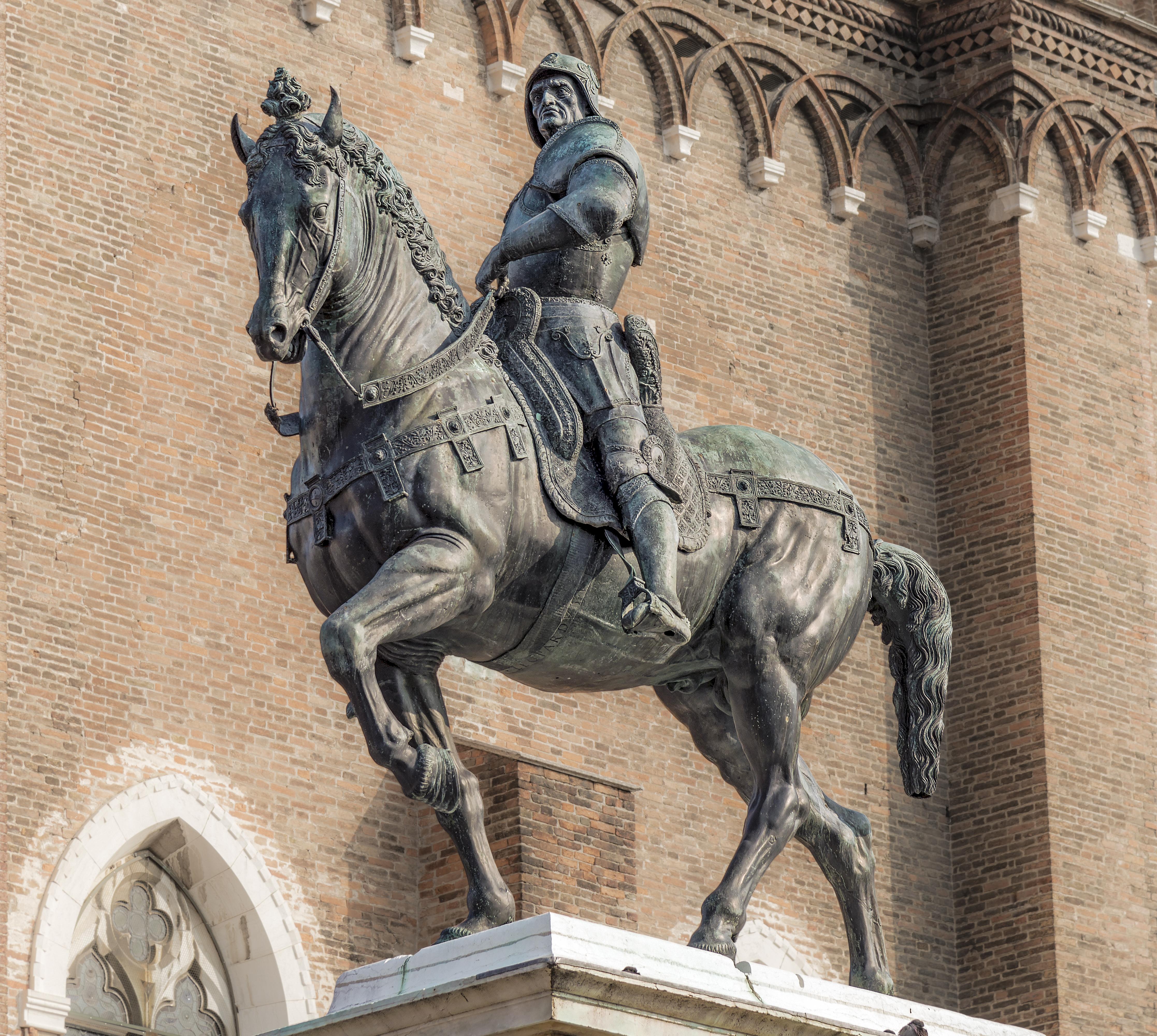
Image: Didier DescouensCC BY-SA 4.0 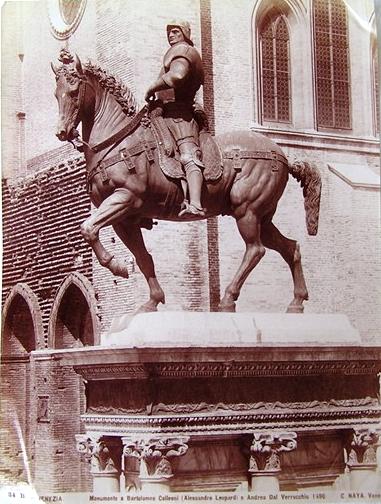
Image: Carlo NayaPublic domain 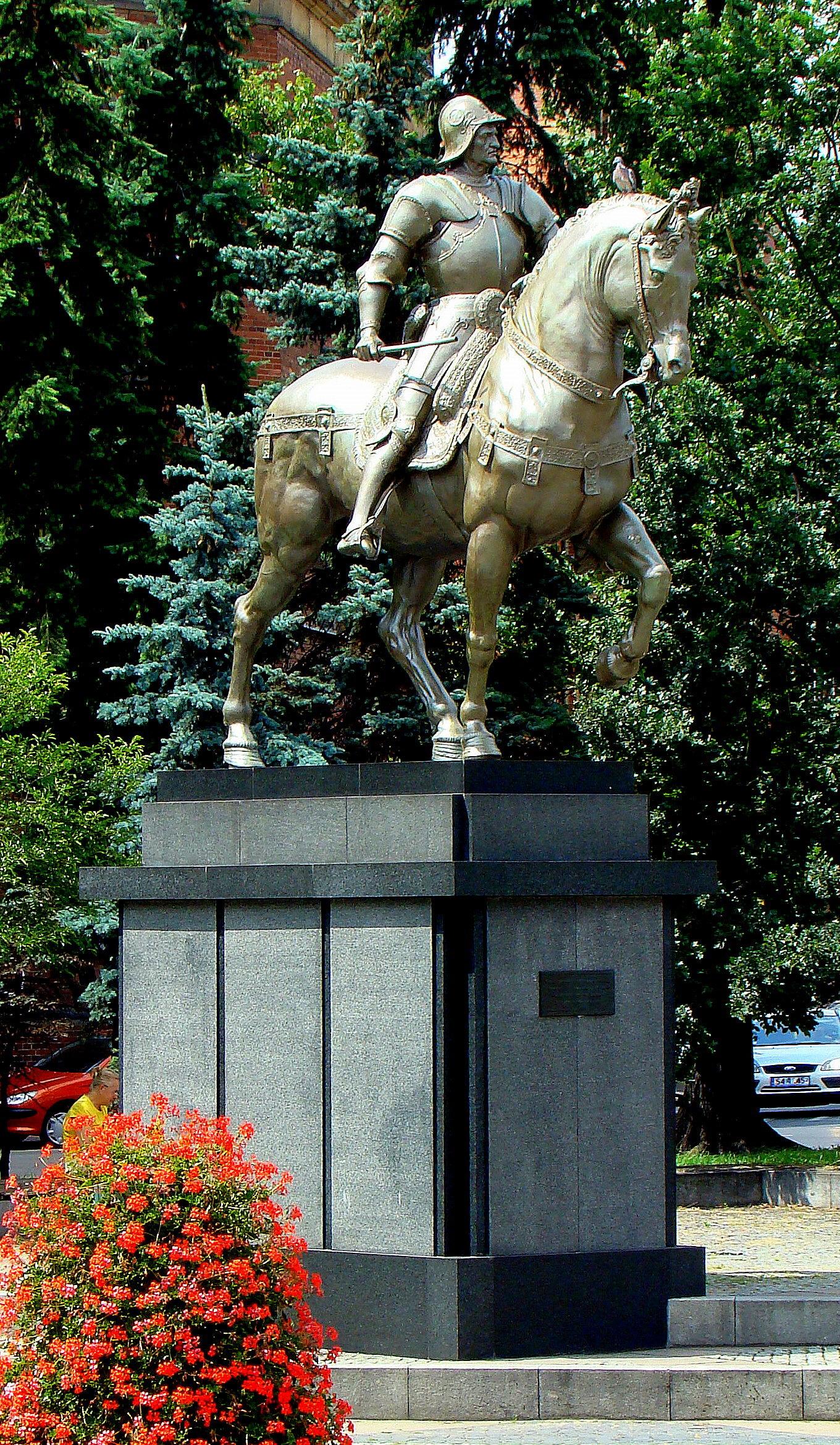
Image: Mateusz War.CC BY-SA 3.0
Take this page with you
The myTuur app is free, and once you are standing at a spot its story starts by itself.


Spots like this one are the stops myTuur strings into tours through Venice. In the app, each story begins where you stand: walk up to a spot and it starts, read it on screen or listen as you go, then follow the route to the next one.
What is myTuur?
myTuur is a free city-guide app. Its tours are built from spots, and each spot carries a story that starts when you get there, to read or to listen to as you like.