Römervilla
Römervilla lies at the foot of Tegelberg in Schwangau, near Neuschwanstein Castle, beneath the slopes of the Hornburg. The archaeological site preserves part of a Roman settlement from the second century AD, built across terraces in a rural landscape.
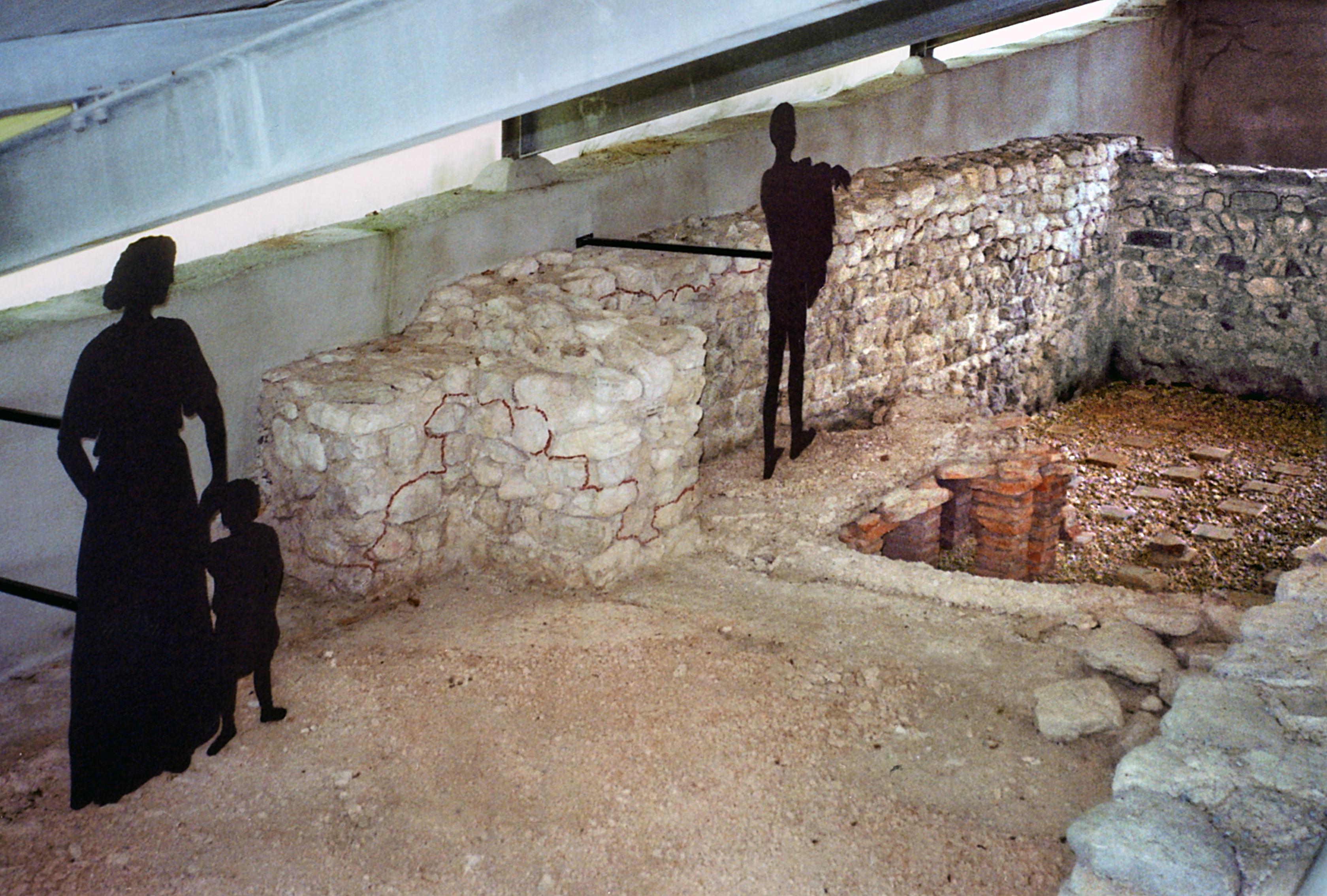
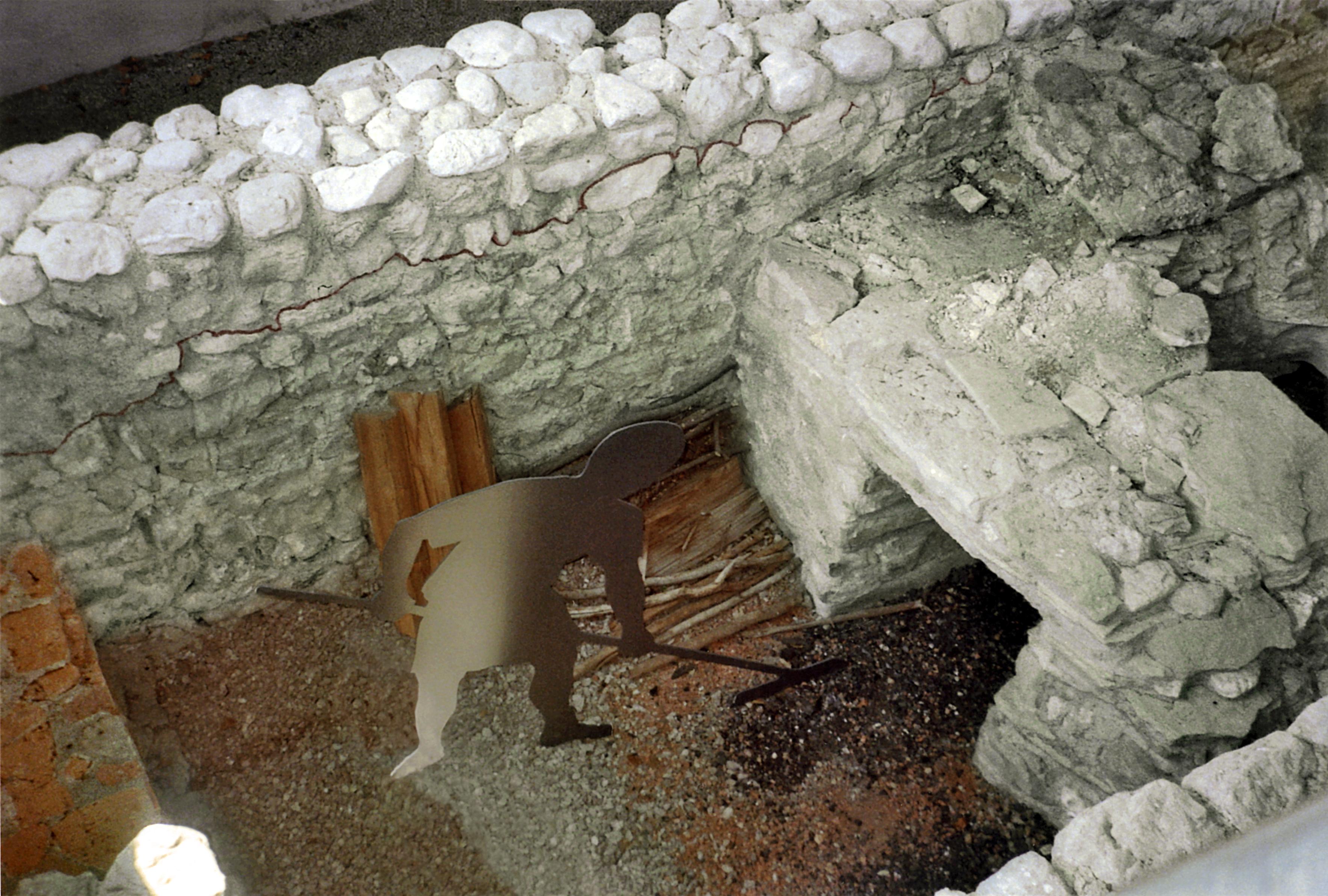
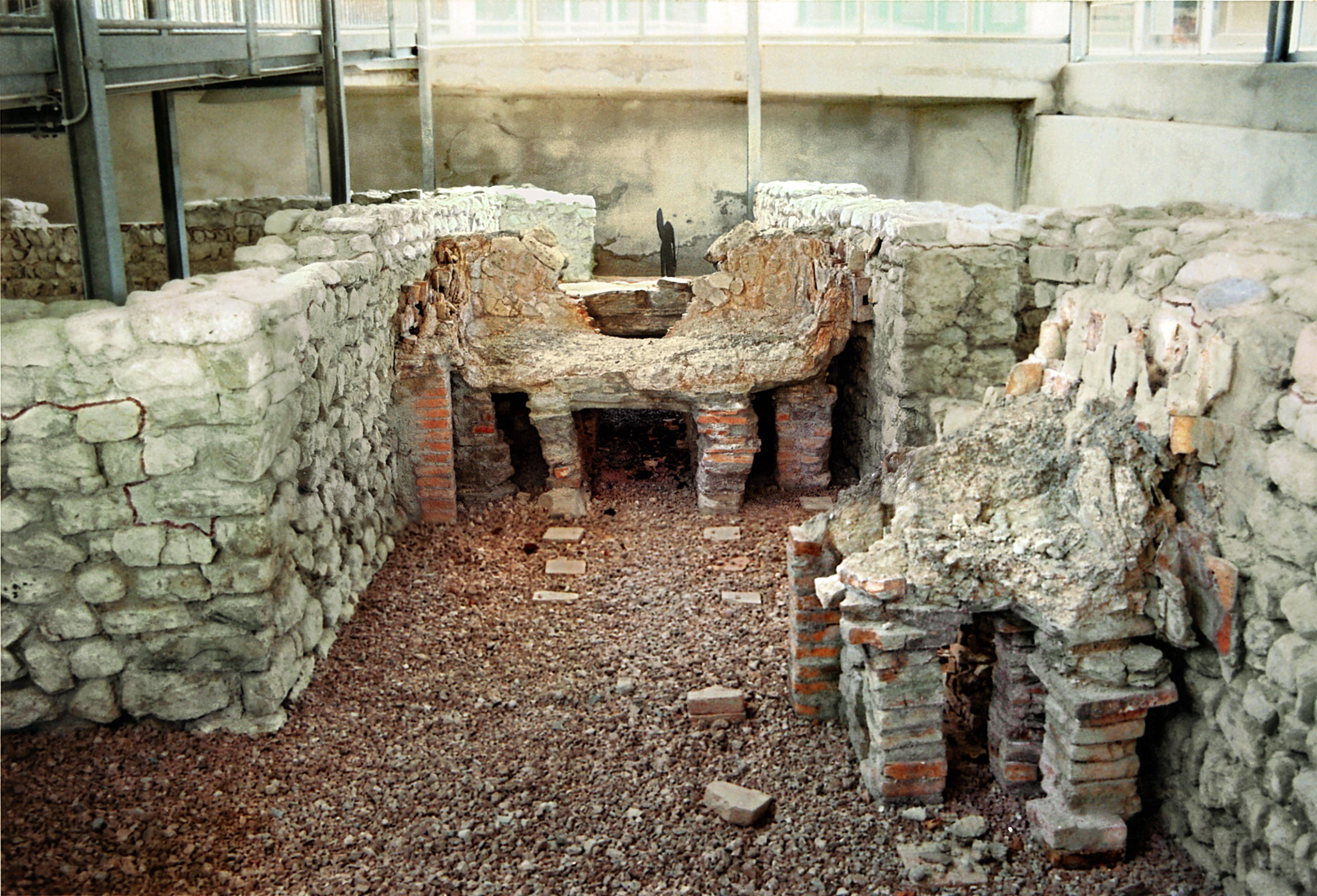
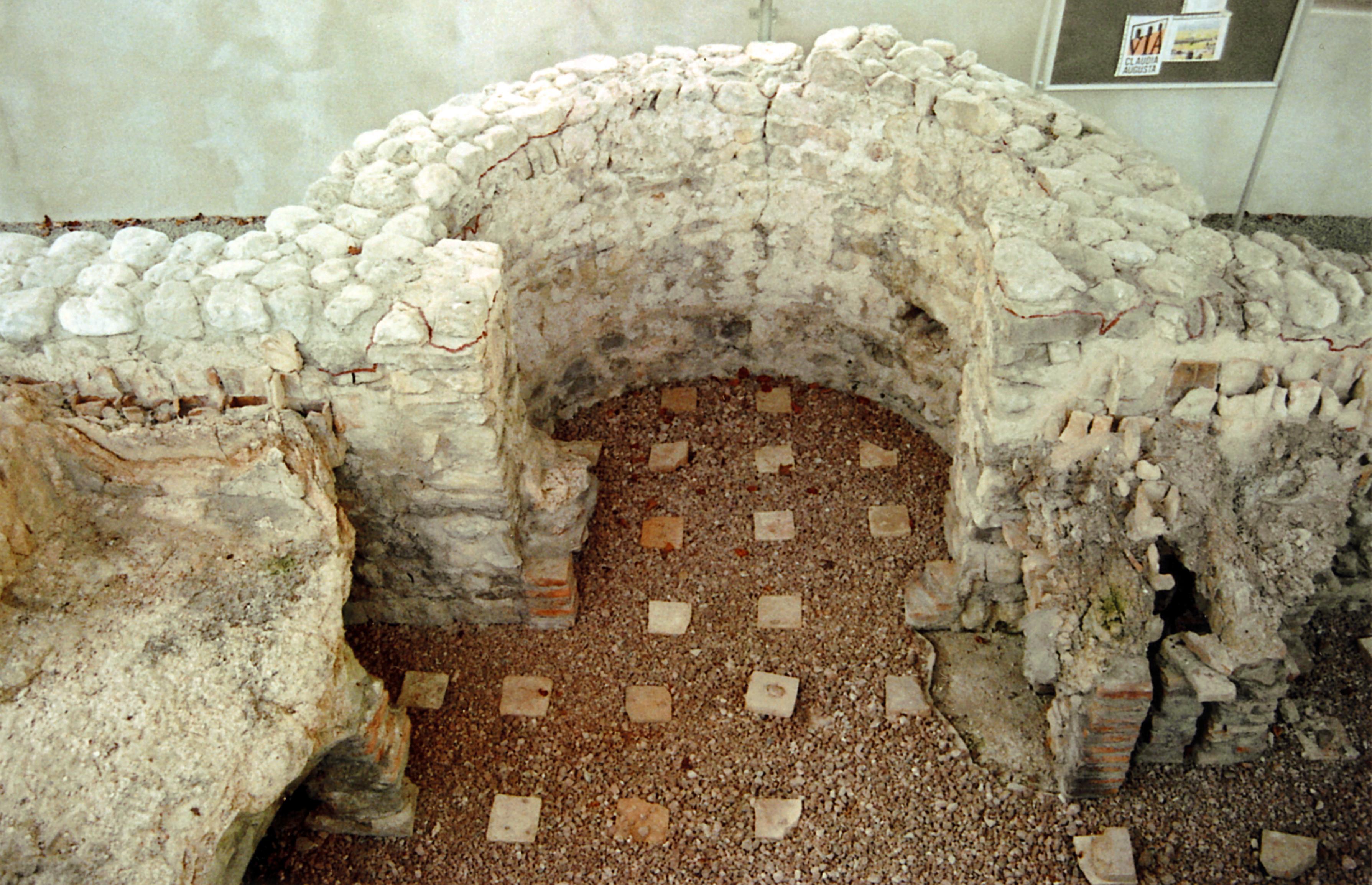
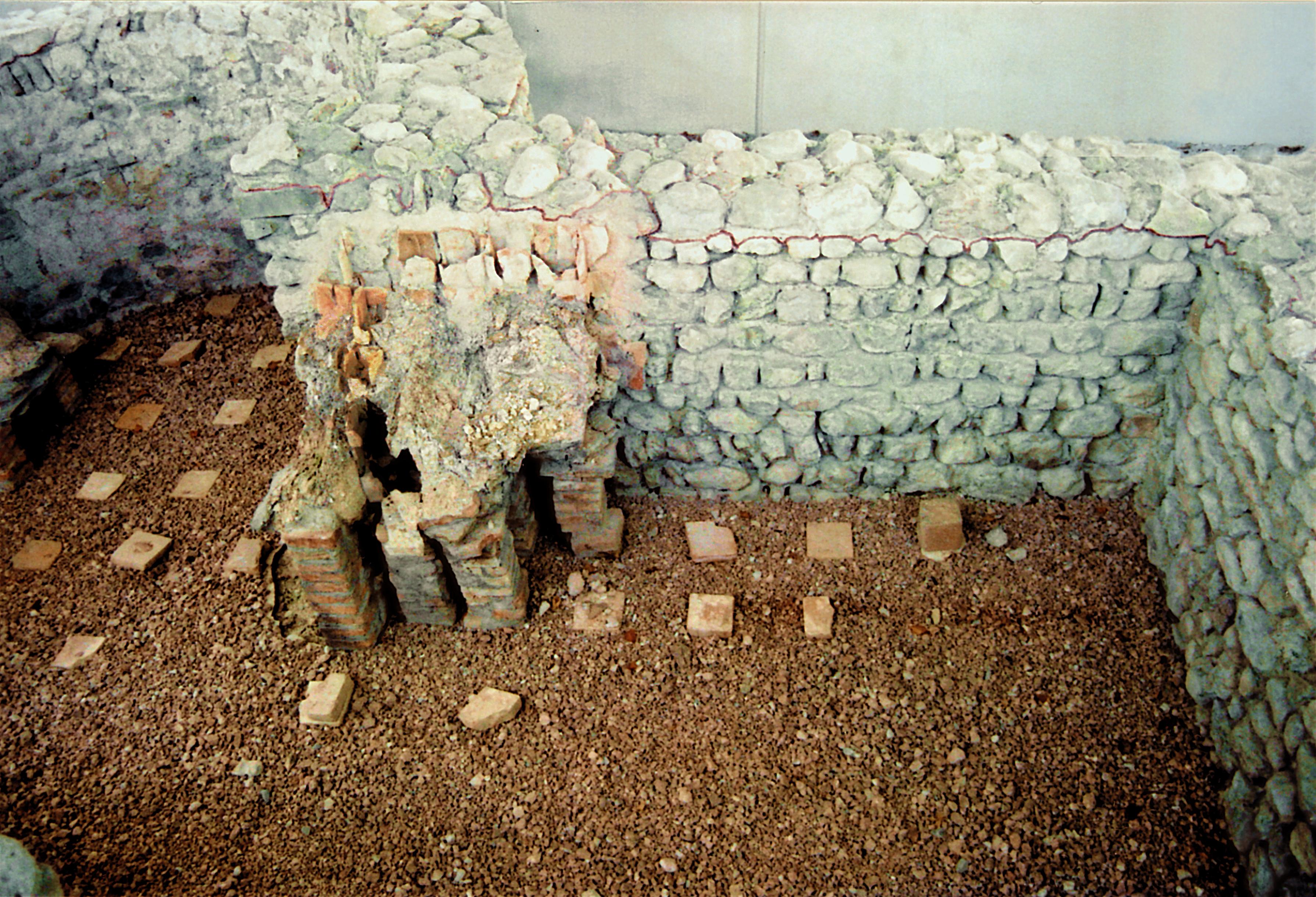
Excavations uncovered a residential house, a bathhouse and an economic building with a courtyard and three drying kilns. The compact bathhouse contained cold, warm, hot and sweat rooms, while a hypocaust raised the floors above heated air. Archaeologists first found Roman bricks here during water-pipeline construction in the 1930s, then continued excavating in the 1960s and 1990s. Mudslide deposits protected wall paintings from the roughly fifteen-by-fifteen-metre residence, although construction of the Tegelberg cable car station later destroyed the building.
A shelter now protects the partially reconstructed remains from Schwangau’s harsh weather. You can see bathhouse outlines, sections of the baths and hypocaust pillars, while restored frescoes from the site are held in Munich’s Archaeological State Collection. One small detail connects this mountain settlement to Roman comfort: a hidden heating system warmed rooms even through difficult Alpine winters.
- City
- Schwangau
- Content updated
Take this page with you
The myTuur app is free, and once you are standing at a spot its story starts by itself.


Spots like this one are the stops myTuur strings into tours through Schwangau. In the app, each story begins where you stand: walk up to a spot and it starts, read it on screen or listen as you go, then follow the route to the next one.
What is myTuur?
myTuur is a free city-guide app. Its tours are built from spots, and each spot carries a story that starts when you get there, to read or to listen to as you like.