Circus Maximus
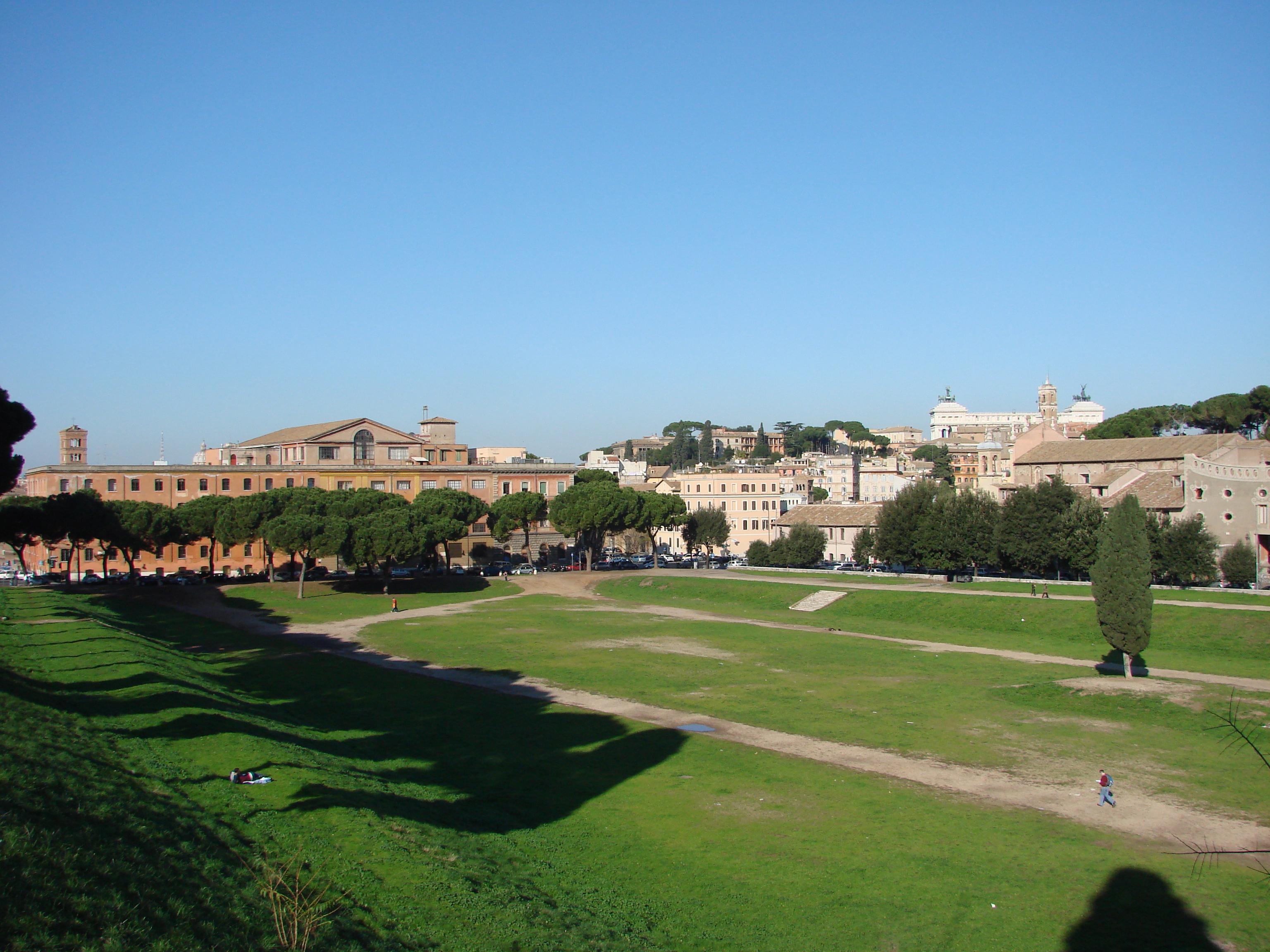
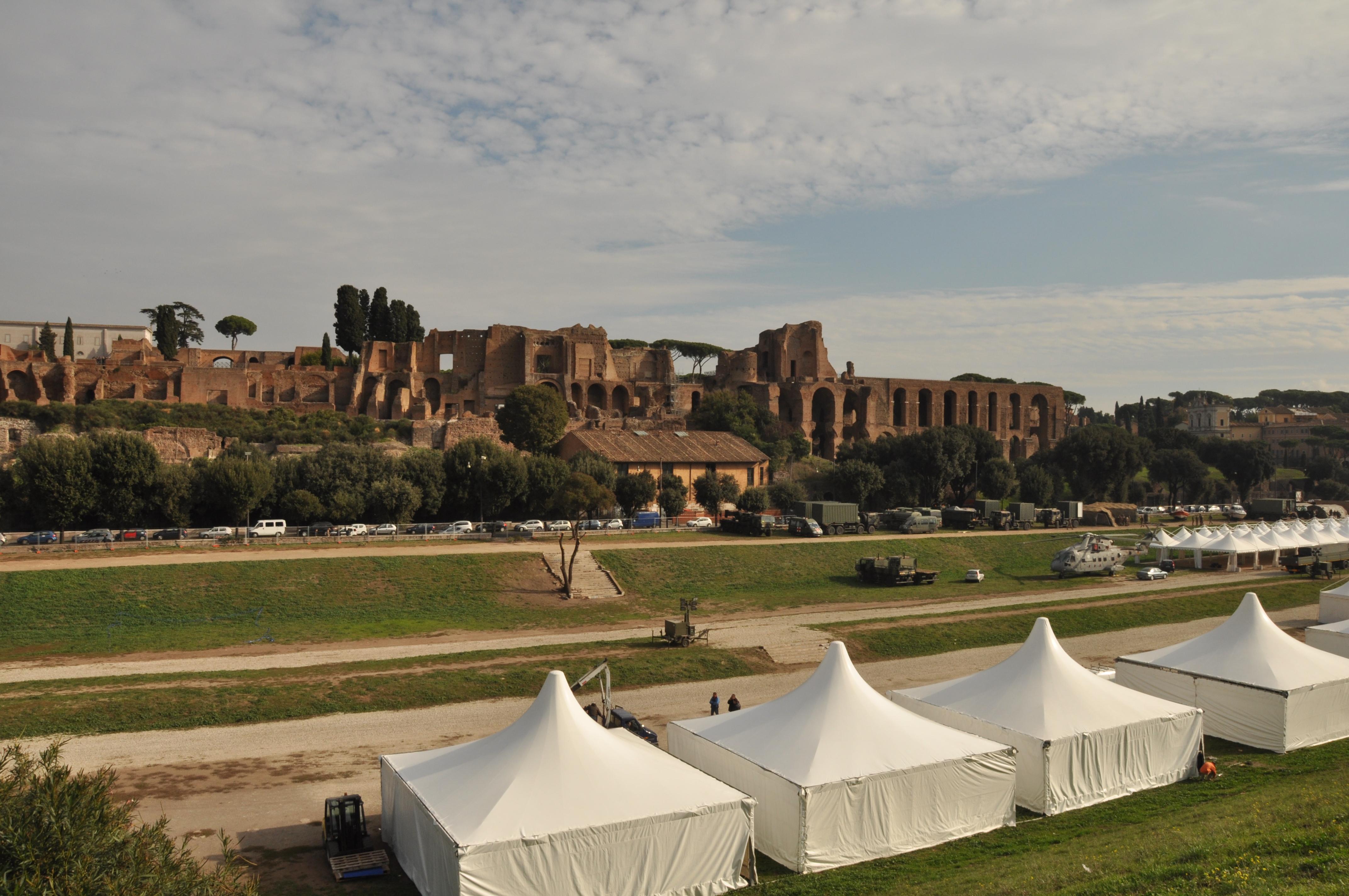
Circo Massimo opens across the valley between Rome’s Palatine and Aventine hills, measuring about 600 metres long and 140 metres wide. The vast basin was antiquity’s largest building for public entertainment. From higher ground, its former racing circuit appears as an immense open shape between the hills.
Chariot races began here before Julius Caesar enclosed the course with substantial walls. Teams raced beneath green, blue, red and white colours while spectators turned drivers into celebrated idols. Triumphs, processions, ceremonies and public executions also filled the arena, joining sport with Rome’s political, social and religious life. Fires damaged the complex repeatedly, and Trajan ordered an almost complete rebuilding whose remains shape much of what you see. A colossal obelisk arrived in 357, after later emperors continued altering the grounds.
Today, ancient paving leads through galleries once connected to the seating, with rooms that held shops, inns and small offices. The restored Torre della Moletta, built in the twelfth century, adds a high view across the archaeological area. Research completed in 2016 informs augmented and virtual reconstructions of stands, shops and racing chariots. Beneath the quiet landscape, four racing colours recall the crowds that once gathered around every turn.
- City
- Rome
- Content updated
Take this page with you
The myTuur app is free, and once you are standing at a spot its story starts by itself.


Spots like this one are the stops myTuur strings into tours through Rome. In the app, each story begins where you stand: walk up to a spot and it starts, read it on screen or listen as you go, then follow the route to the next one.
What is myTuur?
myTuur is a free city-guide app. Its tours are built from spots, and each spot carries a story that starts when you get there, to read or to listen to as you like.