Castel Sant'Angelo
Castel Sant’Angelo rises in Rome as a massive circular building beside the Tiber, with thick walls shaped by centuries of defence. Emperor Hadrian commissioned it between AD 123 and 139 as a mausoleum for himself and his family. In 403, the imperial tomb joined Rome’s defensive walls, beginning its transformation into a military stronghold.
Bastions, a pentagonal enclosure and papal apartments followed, while a fortified passage of about 800 metres connected the fortress with the papal district. That route offered refuge during danger, including the fighting of 1527, when Pope Clement VII sheltered inside. Today, the museum route climbs a spiral ramp past the ash chamber, prison cells, Renaissance frescoes, papal rooms, grain stores and weapons.
A bronze archangel by Pieter Antoon Verchaffelt crowns the terrace, recalling the vision traditionally associated with Pope Gregory the Great during the plague of 590. From above, you can see Rome’s rooftops and domes, with Ponte Sant’Angelo directly ahead. Ten angel statues line the bridge, carrying symbols of the Passion from Bernini’s design.
- City
- Rome
- Content updated
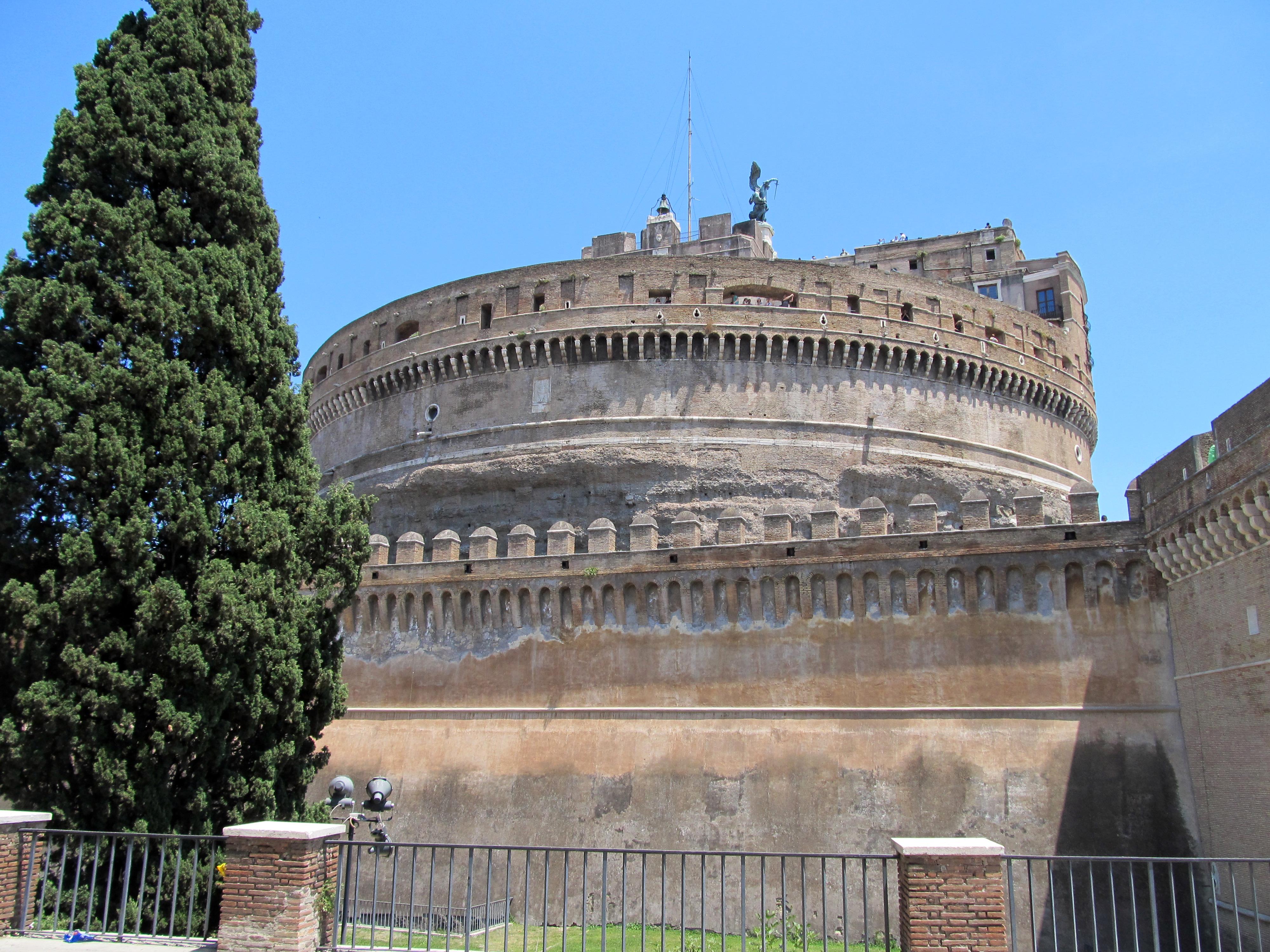
Image: daryl_mitchell from Saskatoon, Saskatchewan, CanadaCC BY-SA 2.0 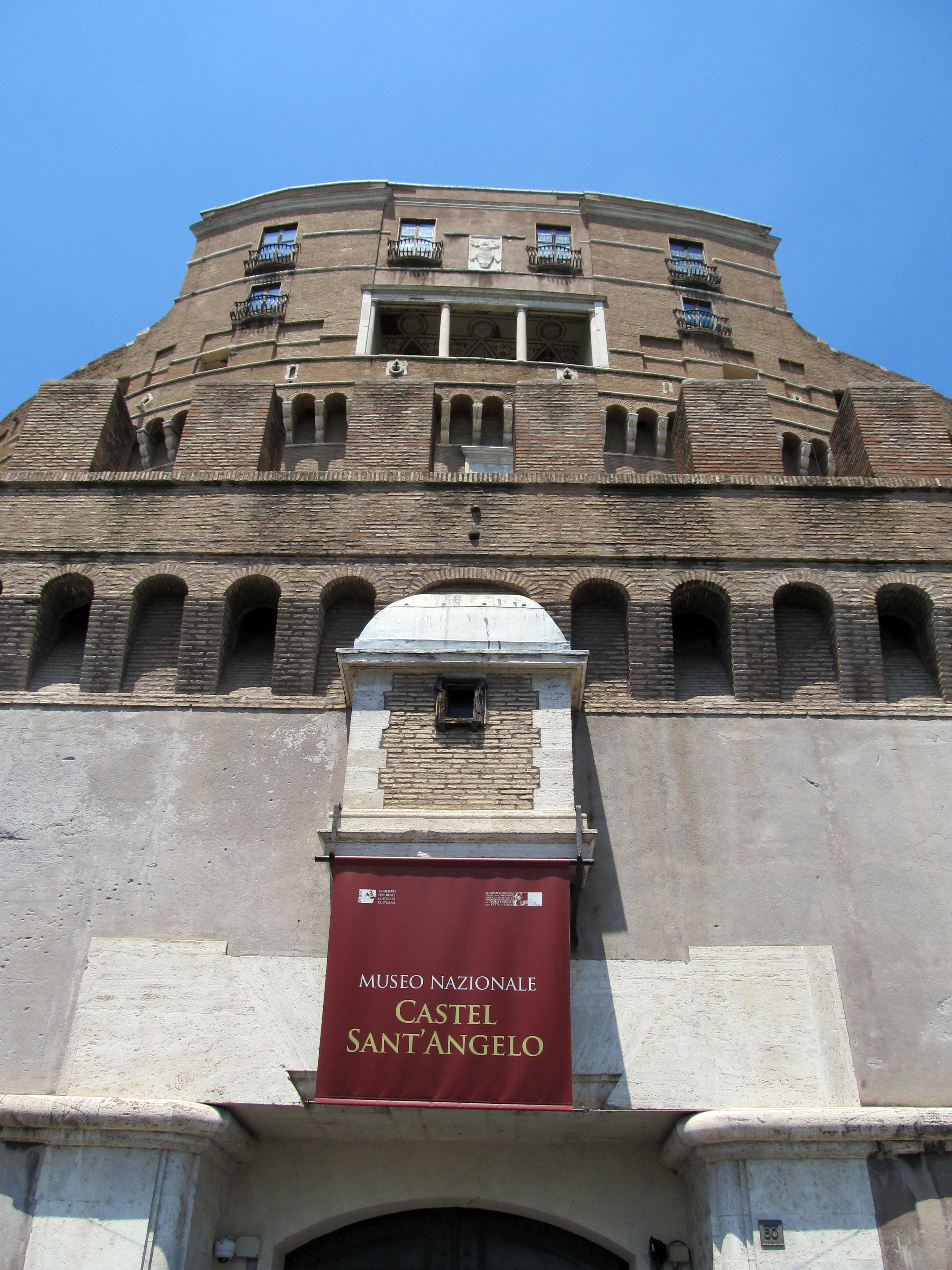
Image: daryl_mitchell from Saskatoon, Saskatchewan, CanadaCC BY-SA 2.0 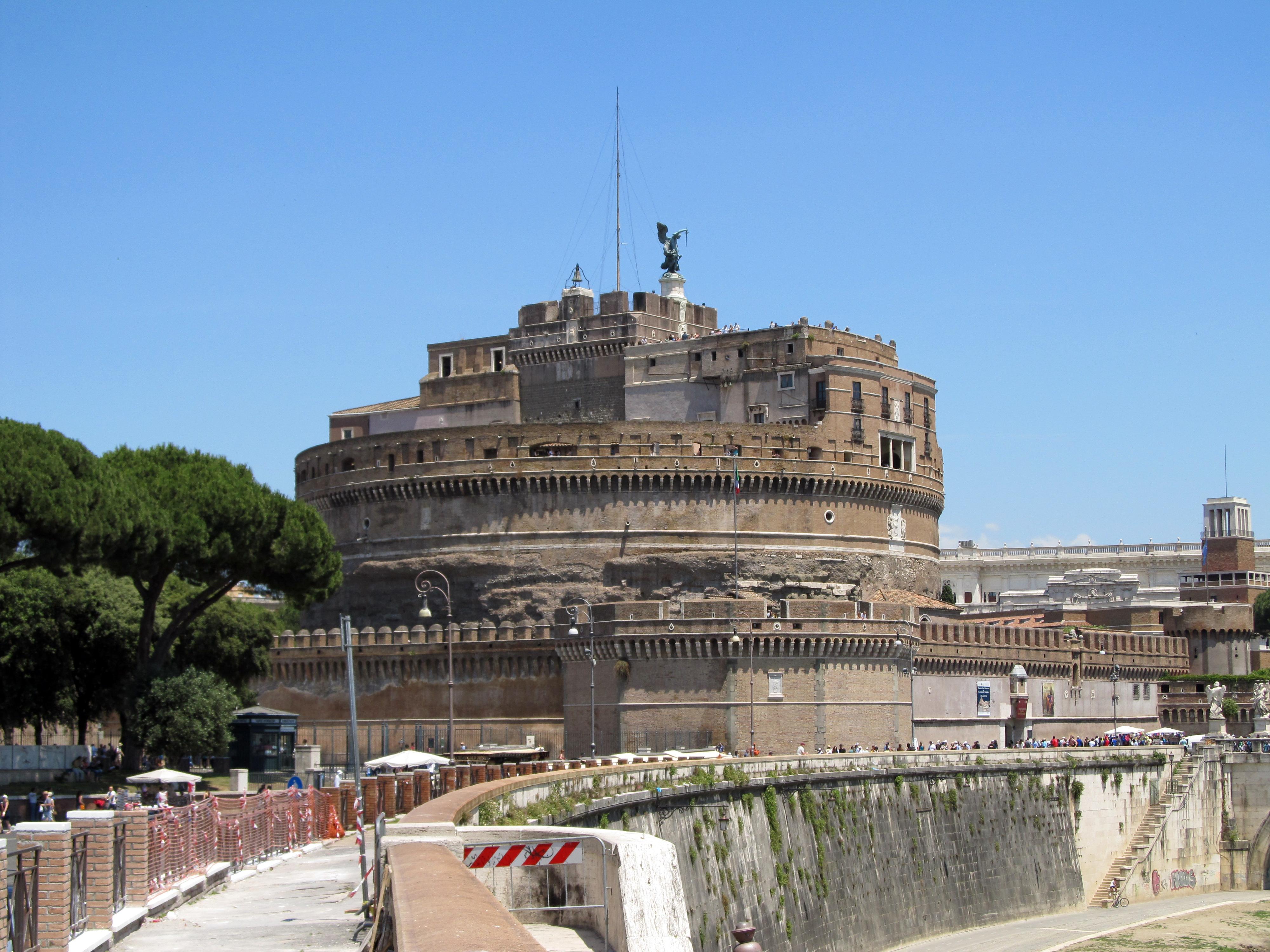
Image: daryl_mitchell from Saskatoon, Saskatchewan, CanadaCC BY-SA 2.0 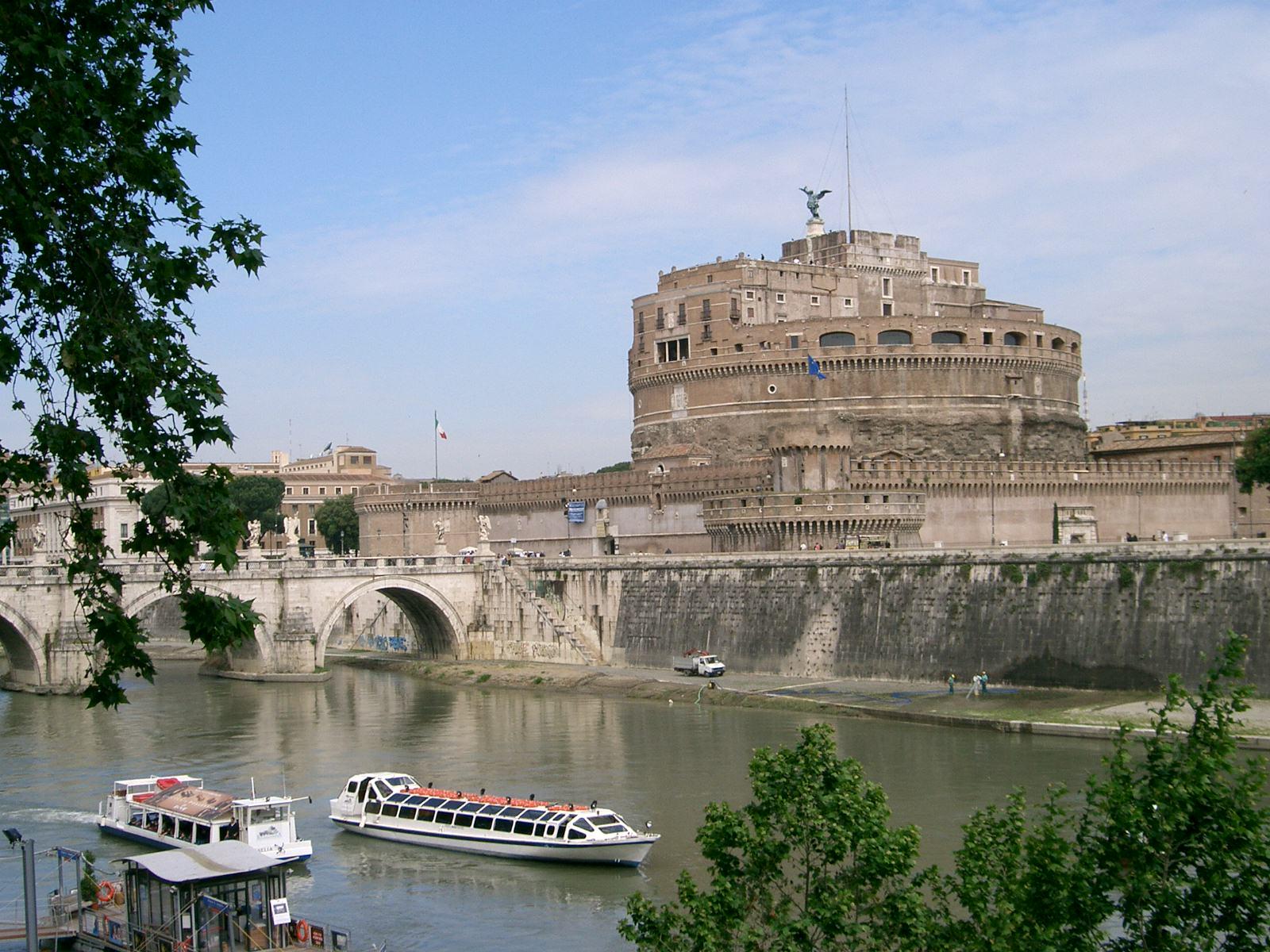
Image: edwin.11CC BY 2.0 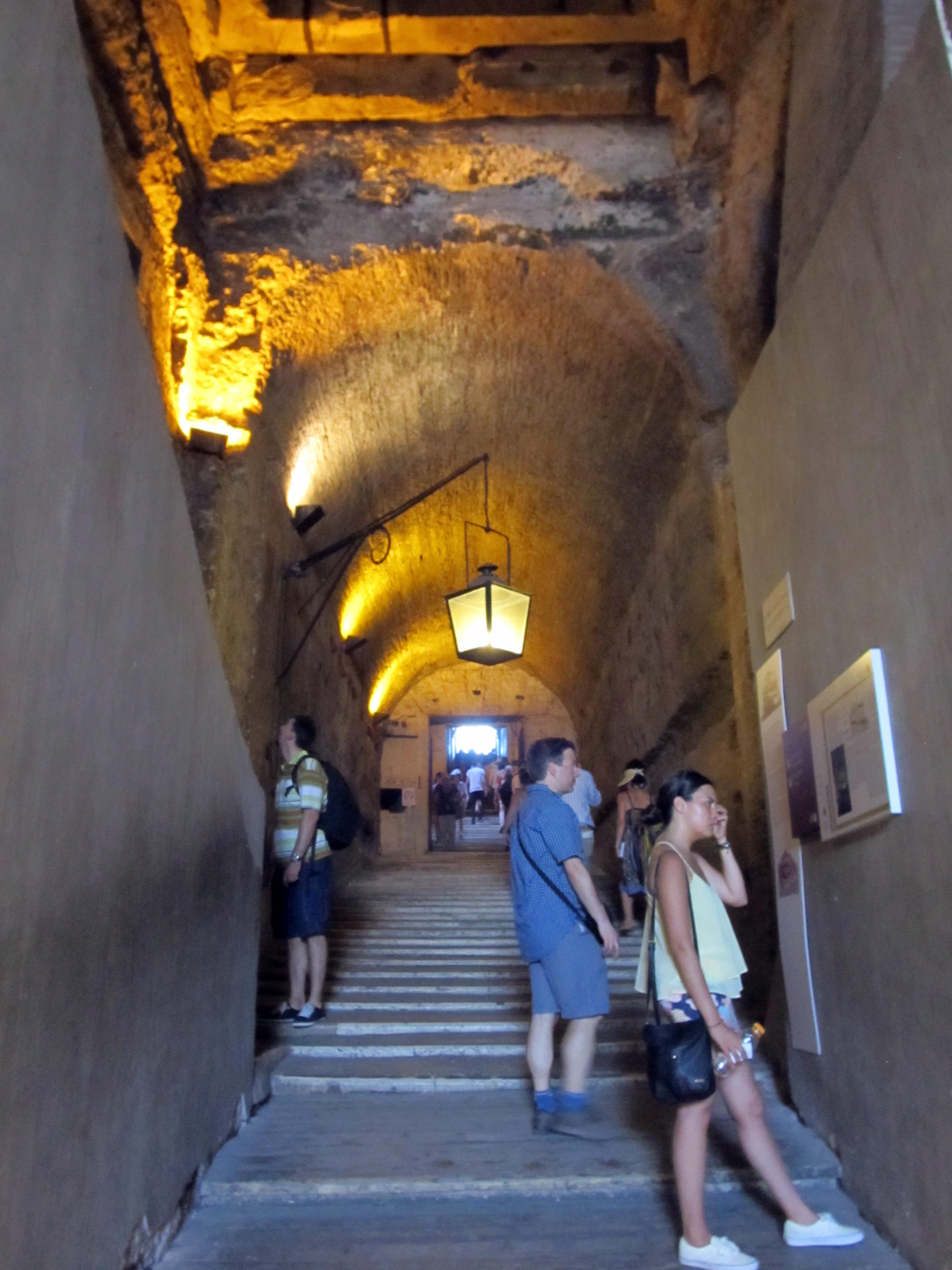
Image: daryl_mitchell from Saskatoon, Saskatchewan, CanadaCC BY-SA 2.0
Take this page with you
The myTuur app is free, and once you are standing at a spot its story starts by itself.


Spots like this one are the stops myTuur strings into tours through Rome. In the app, each story begins where you stand: walk up to a spot and it starts, read it on screen or listen as you go, then follow the route to the next one.
What is myTuur?
myTuur is a free city-guide app. Its tours are built from spots, and each spot carries a story that starts when you get there, to read or to listen to as you like.