Sarcophage de scarabée
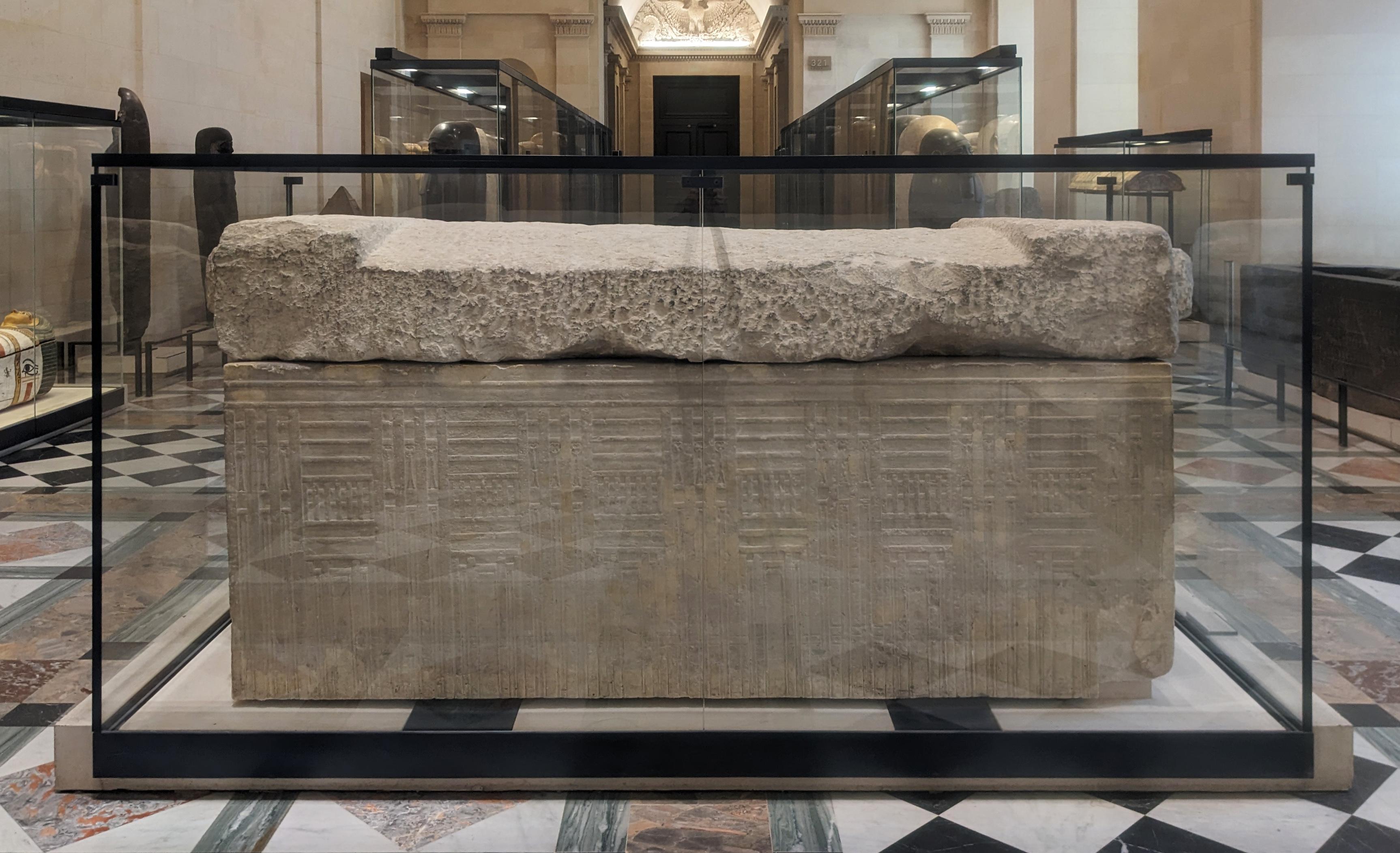
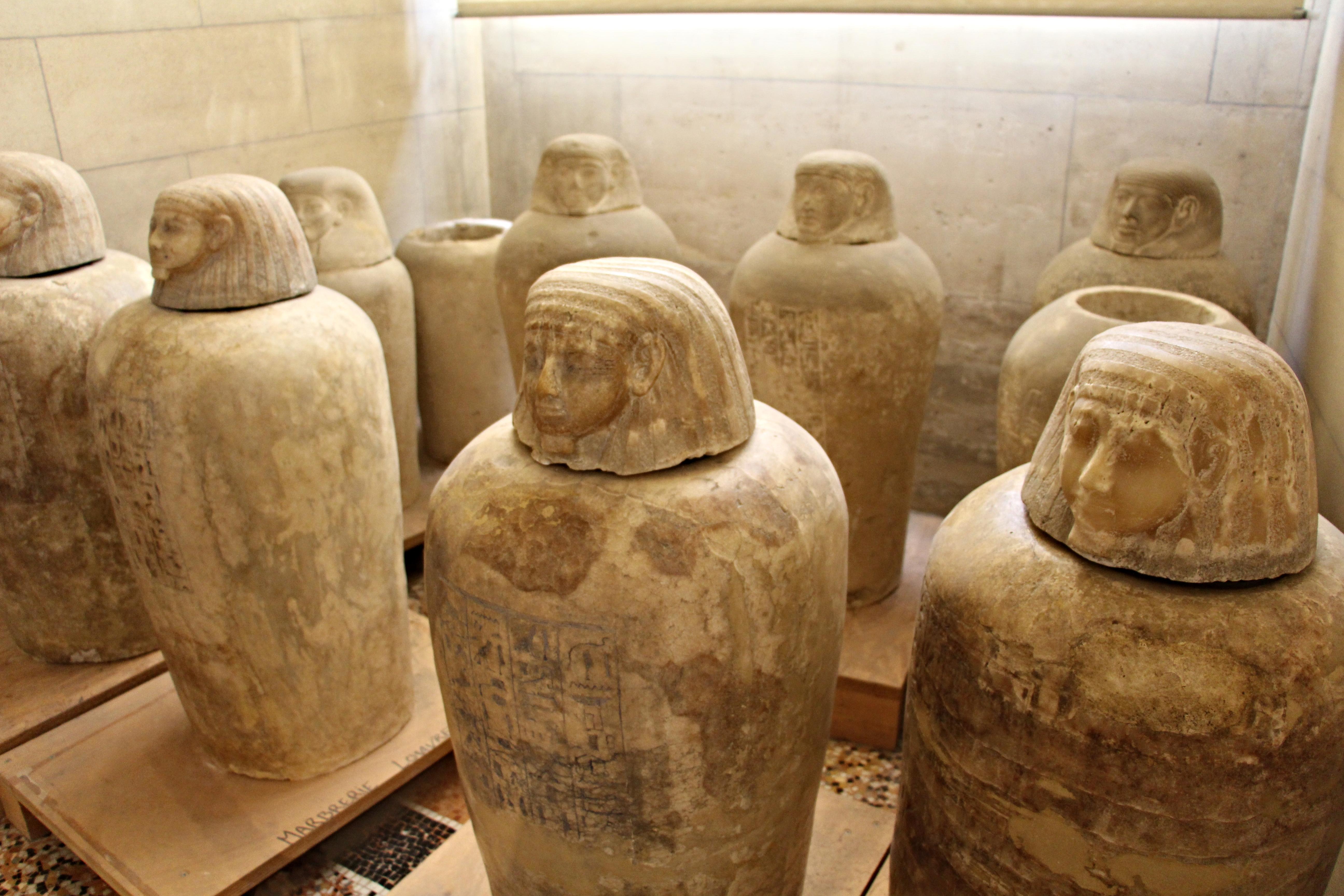
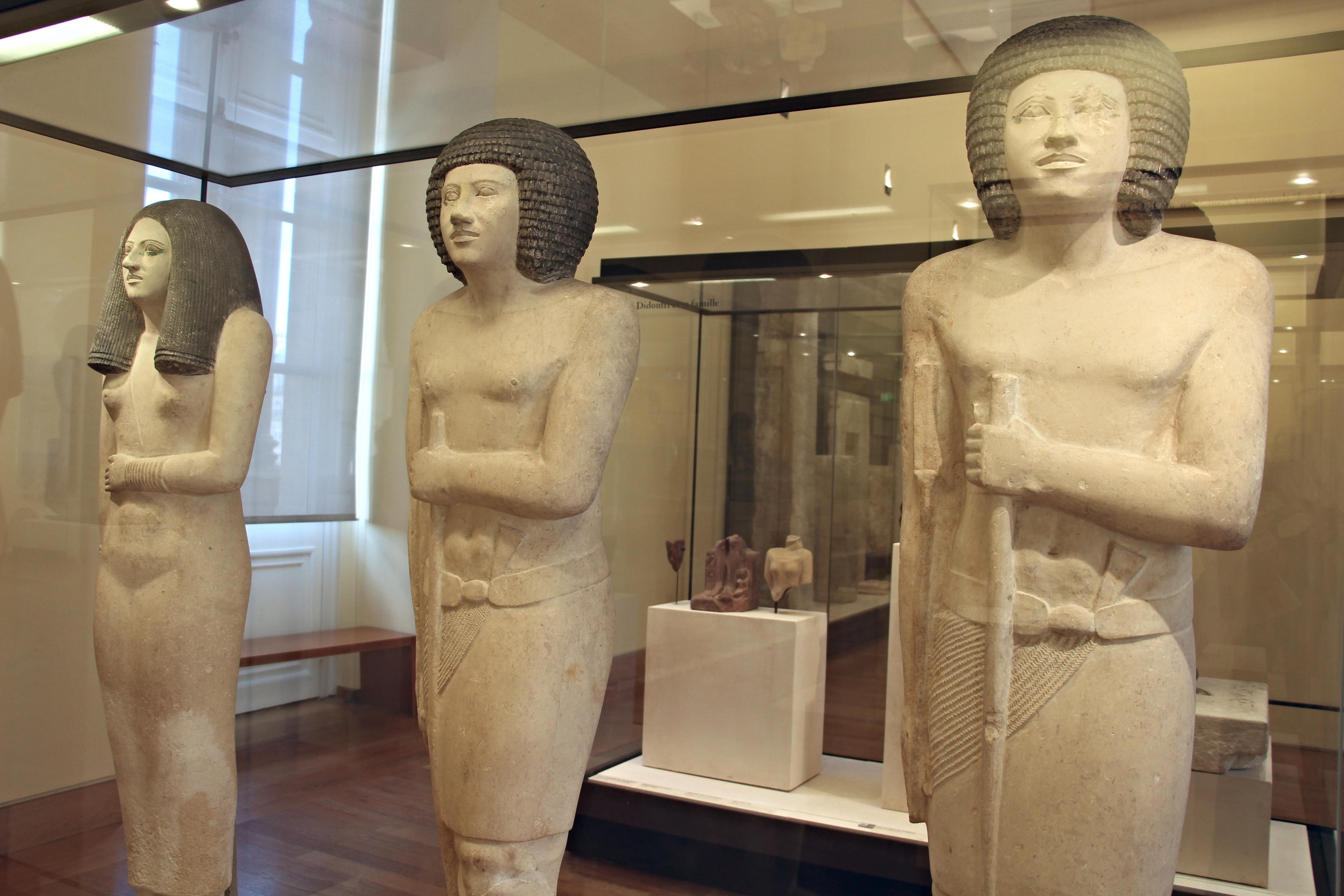
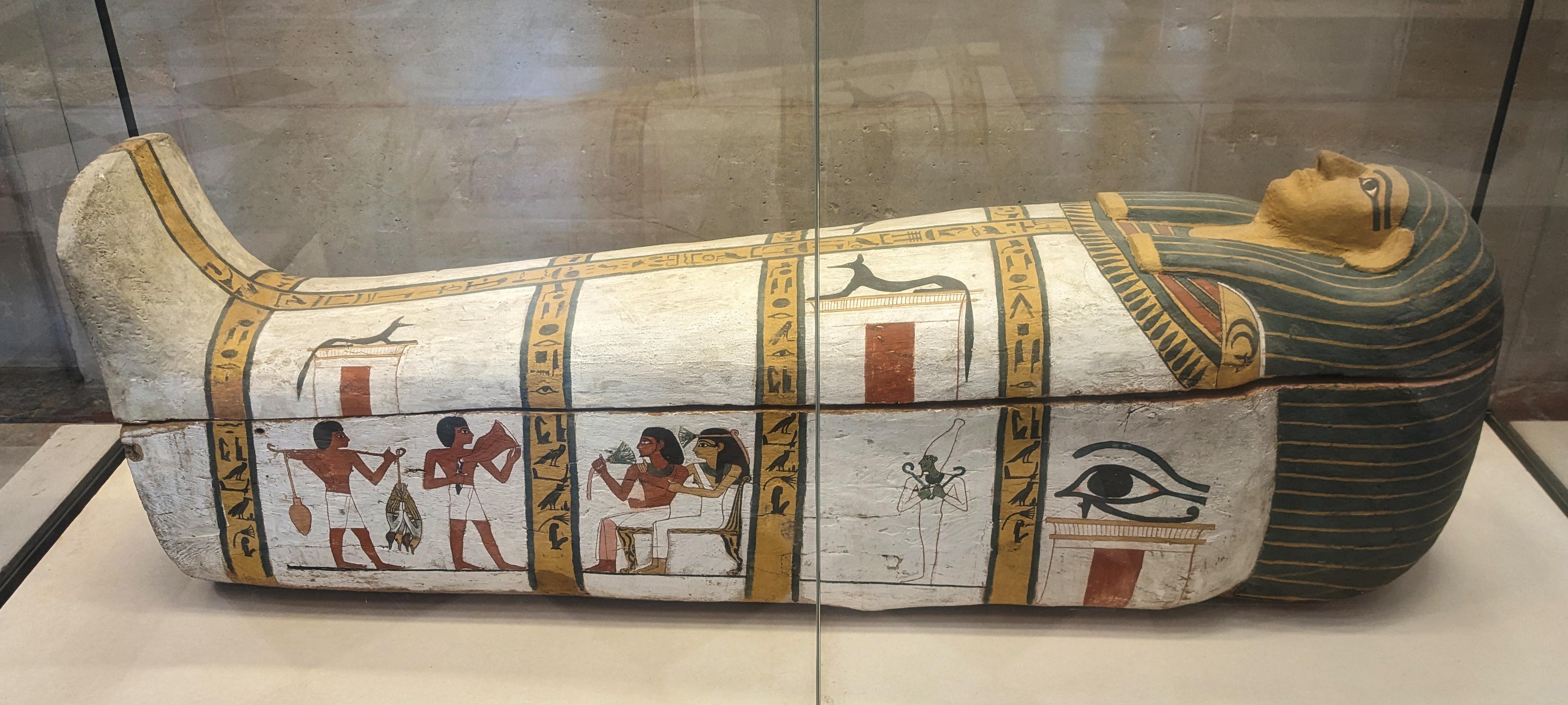
Sarcophage de Scarabée is a limestone sarcophagus from Egypt’s Late Period, now held in the Louvre’s Egyptian Antiquities collection in Paris. Its scarab form gives the small object its defining silhouette. Found in the Serapeum of Memphis at Saqqara, it entered the Louvre after Auguste Mariette’s excavation and the division of finds. The Sully wing, room 322, houses this example of ancient Egyptian funerary art.
A three-dimensional ronde bosse technique shapes the limestone, while the scarab evokes rebirth and regeneration. The motif also connects the object with Khepri and ancient Egypt’s ideas about life and death. Its compact dimensions measure about eight centimetres high, 9.6 centimetres long, and 8.4 centimetres wide. That small scale brings its carved volume and symbolic design into sharp focus.
- City
- Paris
- Content updated
Take this page with you
The myTuur app is free, and once you are standing at a spot its story starts by itself.


Spots like this one are the stops myTuur strings into tours through Paris. In the app, each story begins where you stand: walk up to a spot and it starts, read it on screen or listen as you go, then follow the route to the next one.
What is myTuur?
myTuur is a free city-guide app. Its tours are built from spots, and each spot carries a story that starts when you get there, to read or to listen to as you like.