Pyramide du Louvre
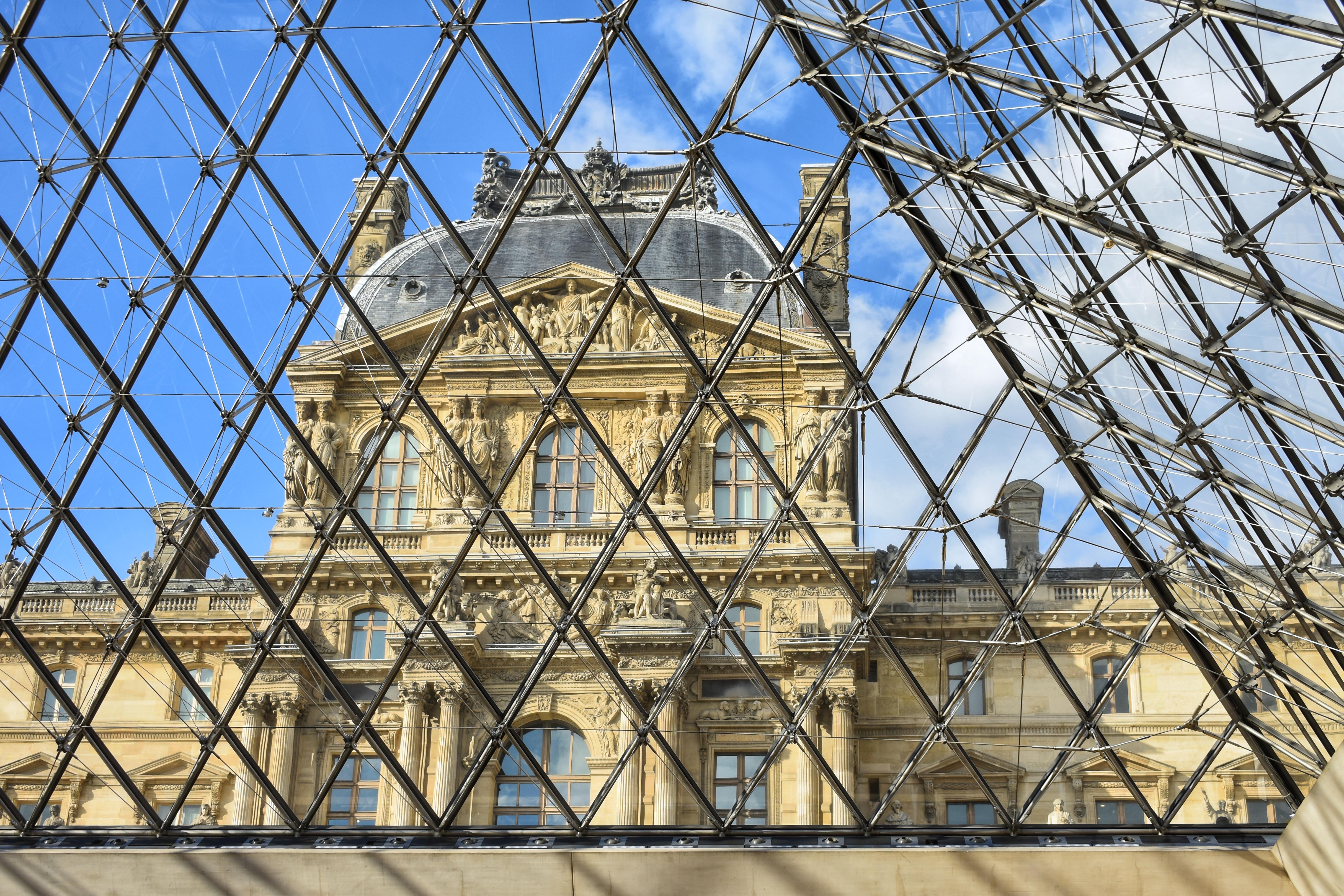
The Pyramide du Louvre is a glass-and-metal pyramid in the Cour Napoléon of Paris’s Louvre Palace. Designed by Chinese-American architect I. M. Pei, it forms the museum’s main entrance. Three smaller pyramids surround it, while daylight reaches the underground visitors’ hall through its structure. The spot is wheelchair accessible to visitors.
Completed in 1989, the pyramid emerged from the Grand Louvre project announced by President François Mitterrand in 1981. Pei became the chosen architect in 1983. Its square base measures 34 metres on each side, while the structure rises 21.6 metres above the courtyard. Its glass surface contains 603 rhomboid and 70 triangular segments.
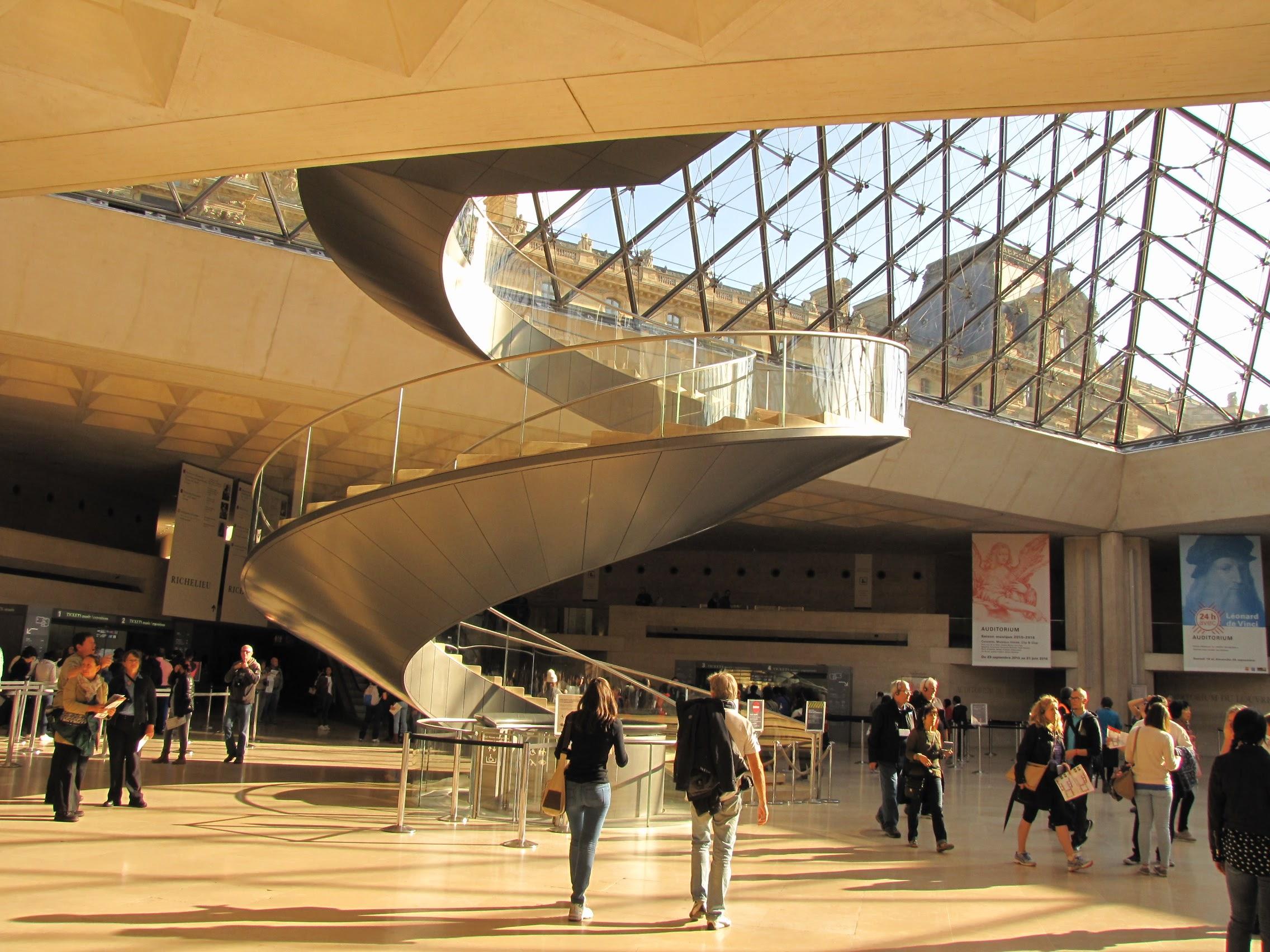
The entrance and lobby addressed an earlier Louvre layout that could not handle the growing number of visitors. The Louvre confirms a total of 673 panes in the structure. The design later inspired the Inverted Pyramid in the Carrousel du Louvre shopping centre.
- City
- Paris
- Content updated


Take this page with you
The myTuur app is free, and once you are standing at a spot its story starts by itself.


Spots like this one are the stops myTuur strings into tours through Paris. In the app, each story begins where you stand: walk up to a spot and it starts, read it on screen or listen as you go, then follow the route to the next one.
What is myTuur?
myTuur is a free city-guide app. Its tours are built from spots, and each spot carries a story that starts when you get there, to read or to listen to as you like.