Can Berga
Can Berga is a historic palace in Palma, shaped by religious communities, noble families, and judicial institutions. Its story begins on a former religious site.
Augustinian nuns lived here in 1231, and Franciscan monks followed in 1278. The property later passed through several owners before the Pacs family acquired it in the fourteenth century.
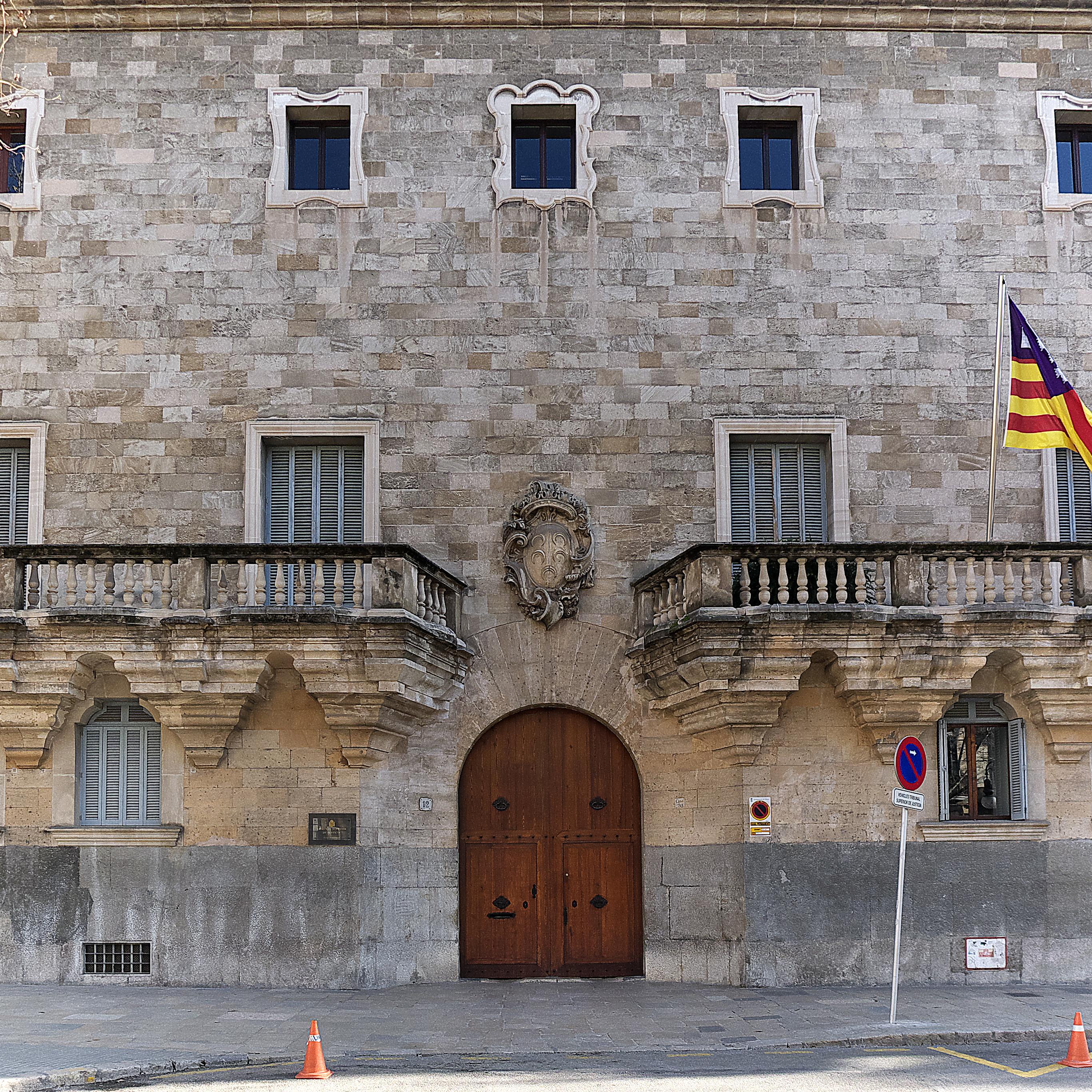
The Berga family took ownership in 1677. Around 1760, Gabriel de Berga i Safortesa commissioned Gabriel Pons to transform its Gothic structure into French-influenced Baroque.
The façade displays framed windows, heavy stone balconies, balustrades, and the Berga family coat of arms. Joan Deià sculpted the coat of arms above the entrance.
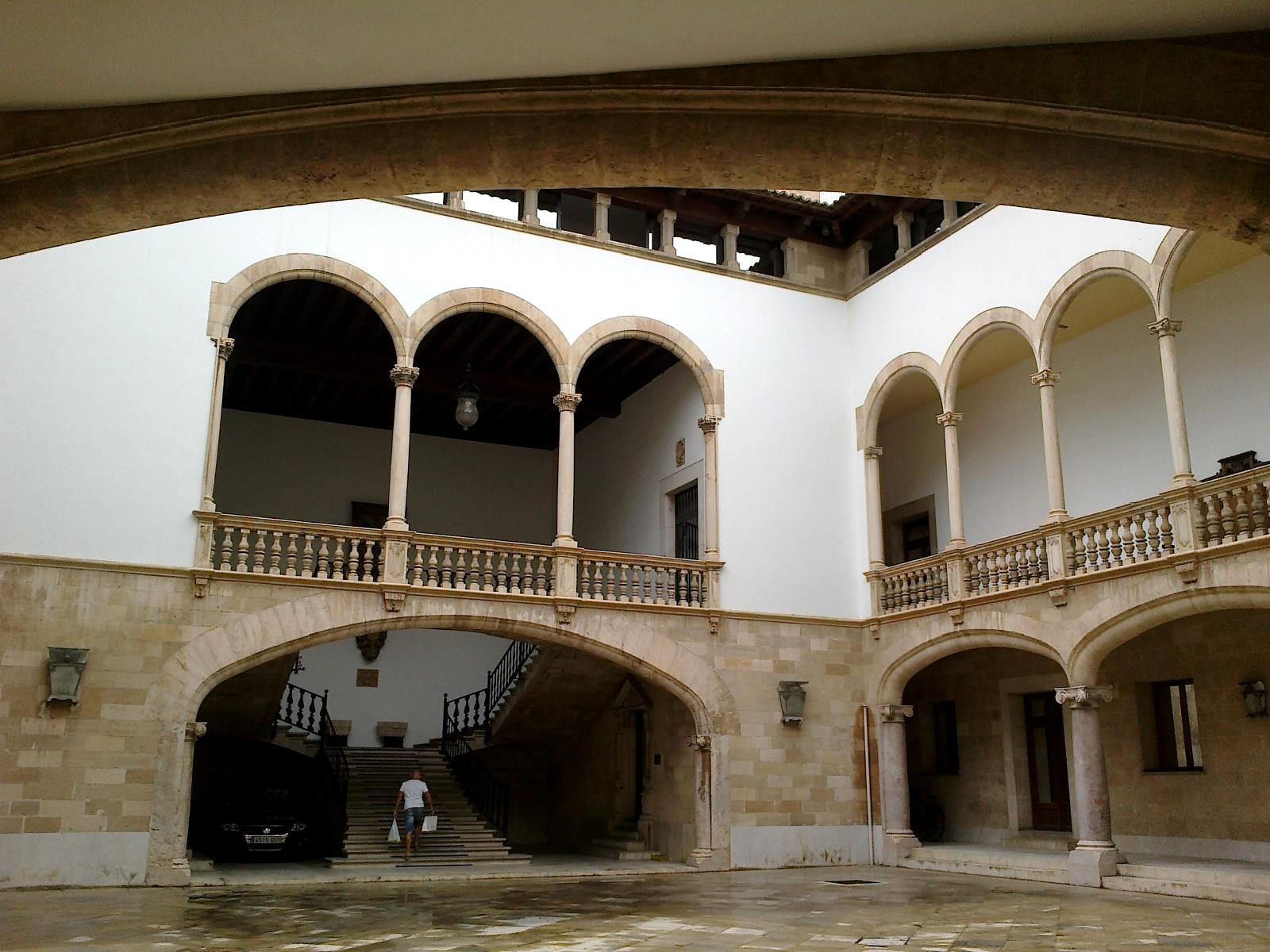
Inside, the central patio uses arcades that adapt Baroque design to Majorcan courtyard traditions. A former library held documents on Mallorca’s privileges, Catalan manuscripts, and a Hebrew manuscript.
In 1942, Spain’s Ministry of Justice acquired Can Berga. From 1963, the building housed the Provincial Court of the Balearic Islands and other judicial offices.
Can Berga brings Gothic fabric, Baroque remodelling, religious history, aristocratic ownership, and public administration together in Palma. Its façade and patio preserve the building’s architectural transition.
- City
- Palma de Mallorca
- Content updated
Take this page with you
The myTuur app is free, and once you are standing at a spot its story starts by itself.


Spots like this one are the stops myTuur strings into tours through Palma de Mallorca. In the app, each story begins where you stand: walk up to a spot and it starts, read it on screen or listen as you go, then follow the route to the next one.
What is myTuur?
myTuur is a free city-guide app. Its tours are built from spots, and each spot carries a story that starts when you get there, to read or to listen to as you like.