Palazzo dei Normanni
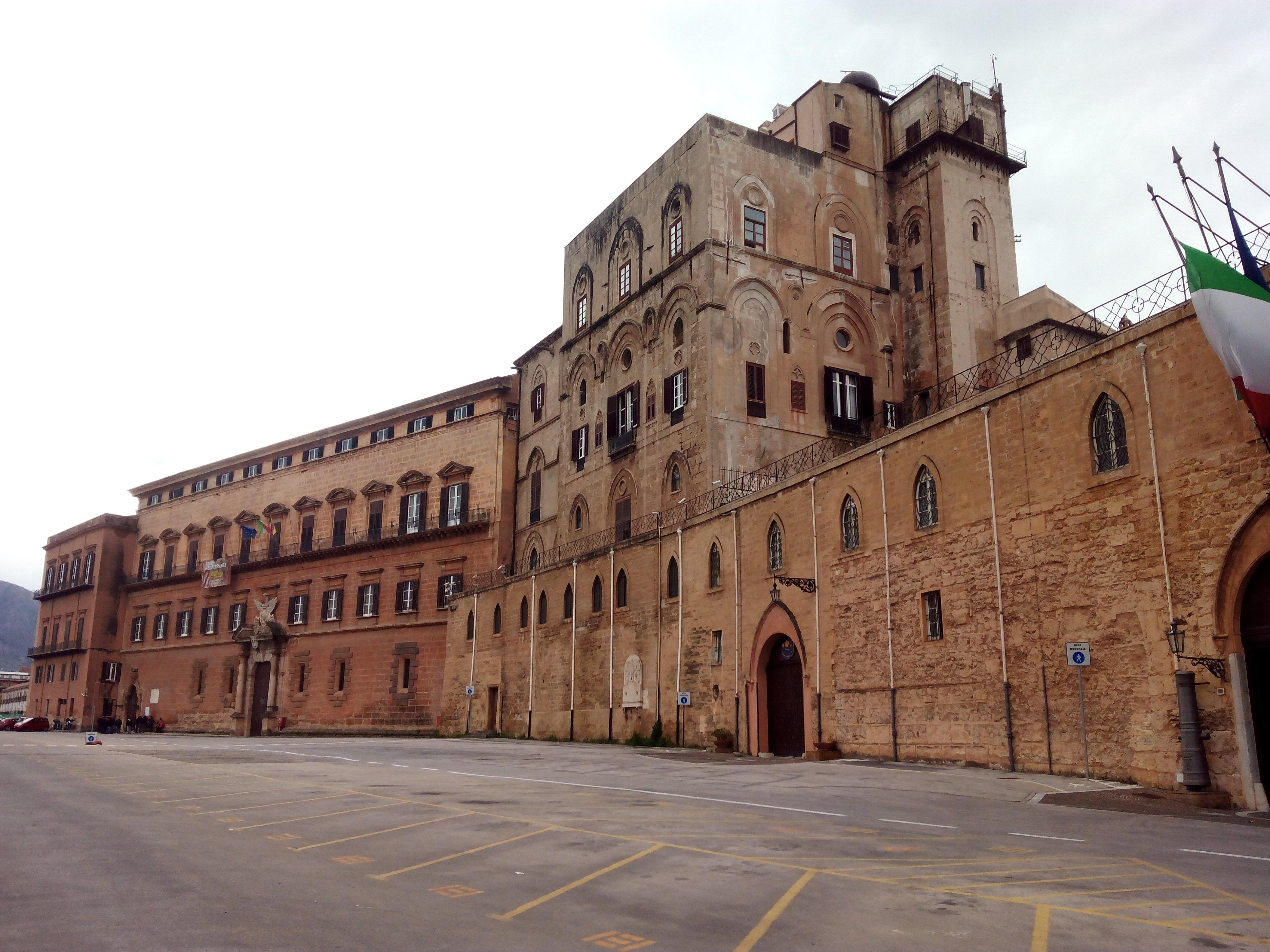
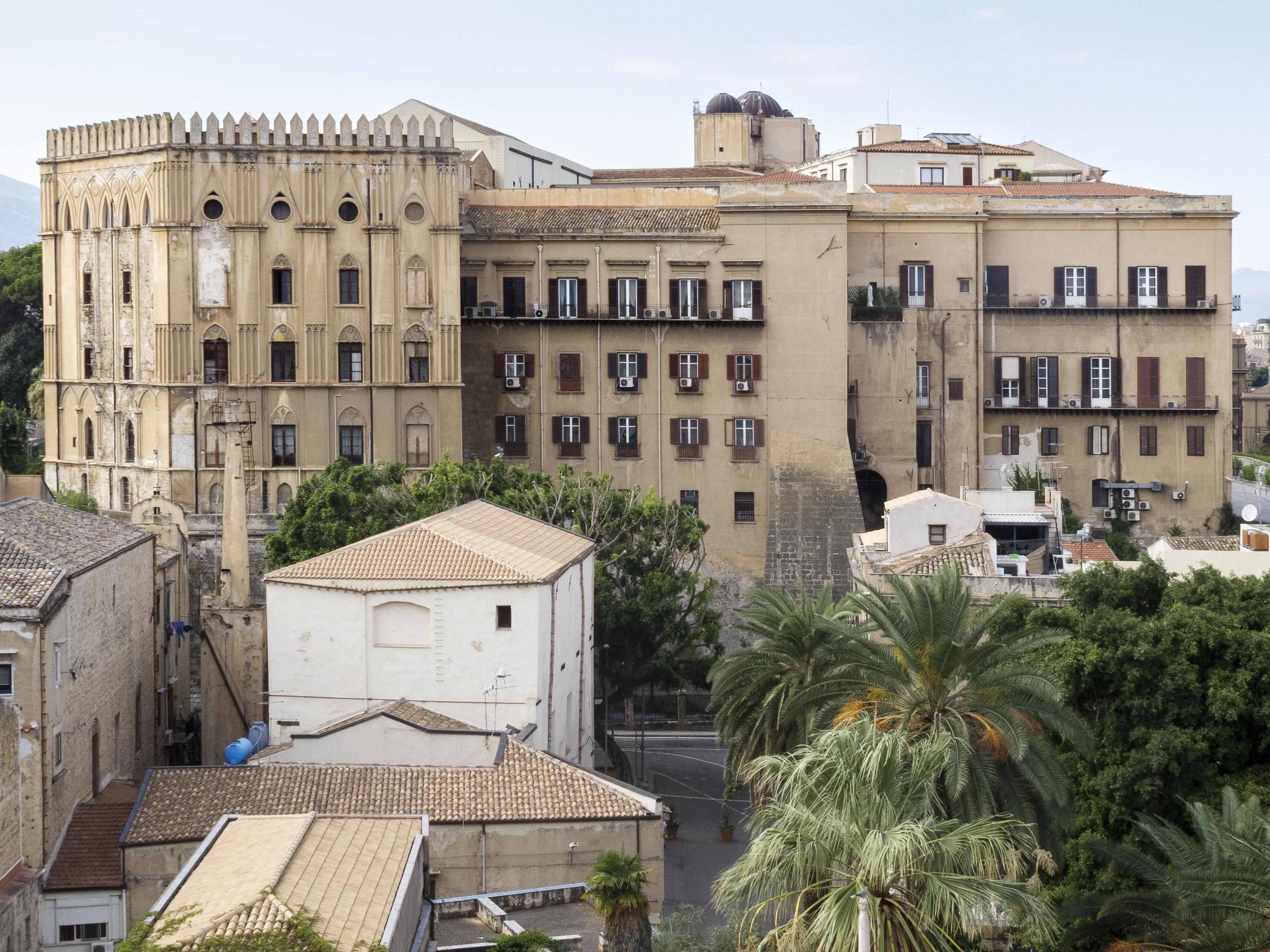
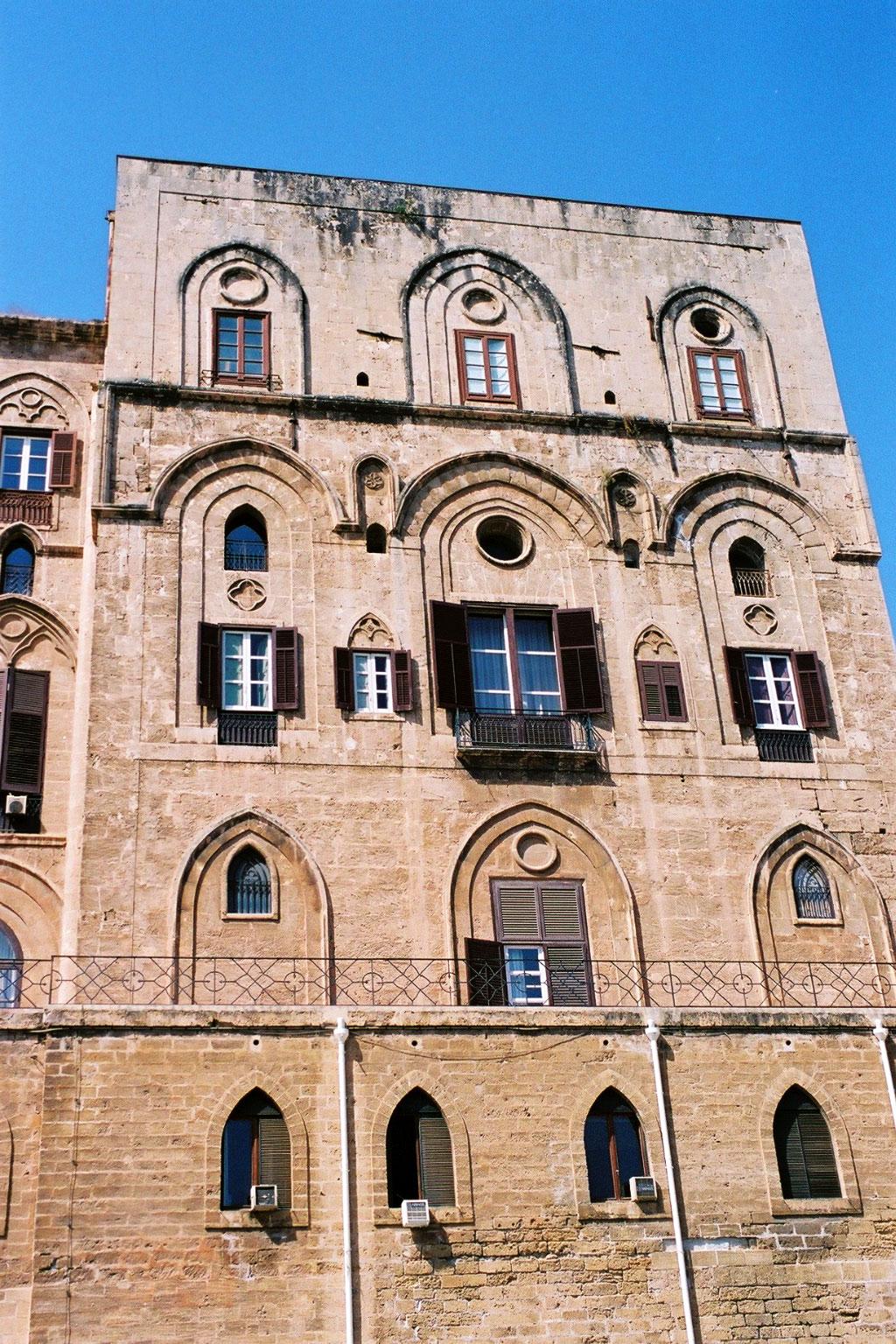
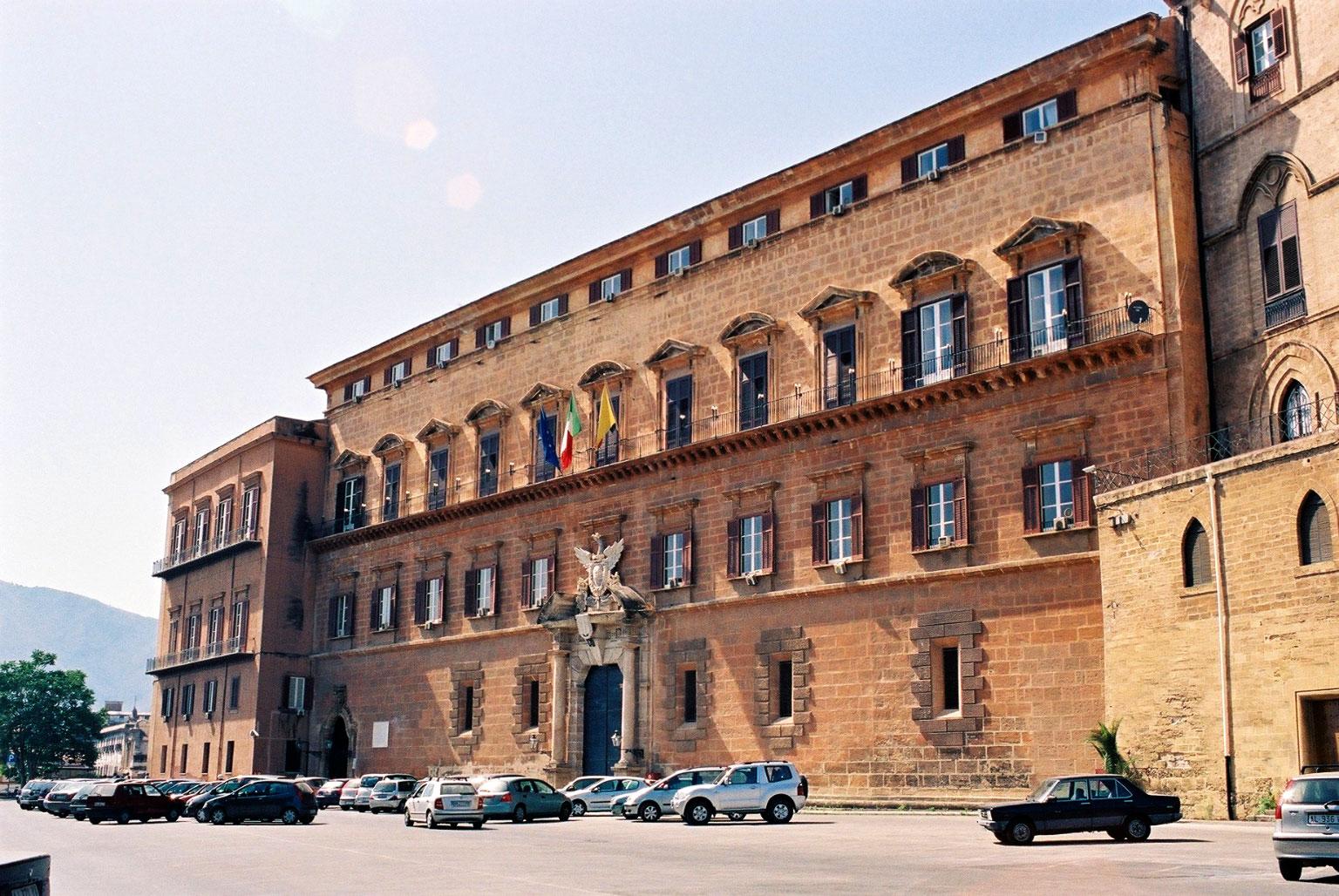
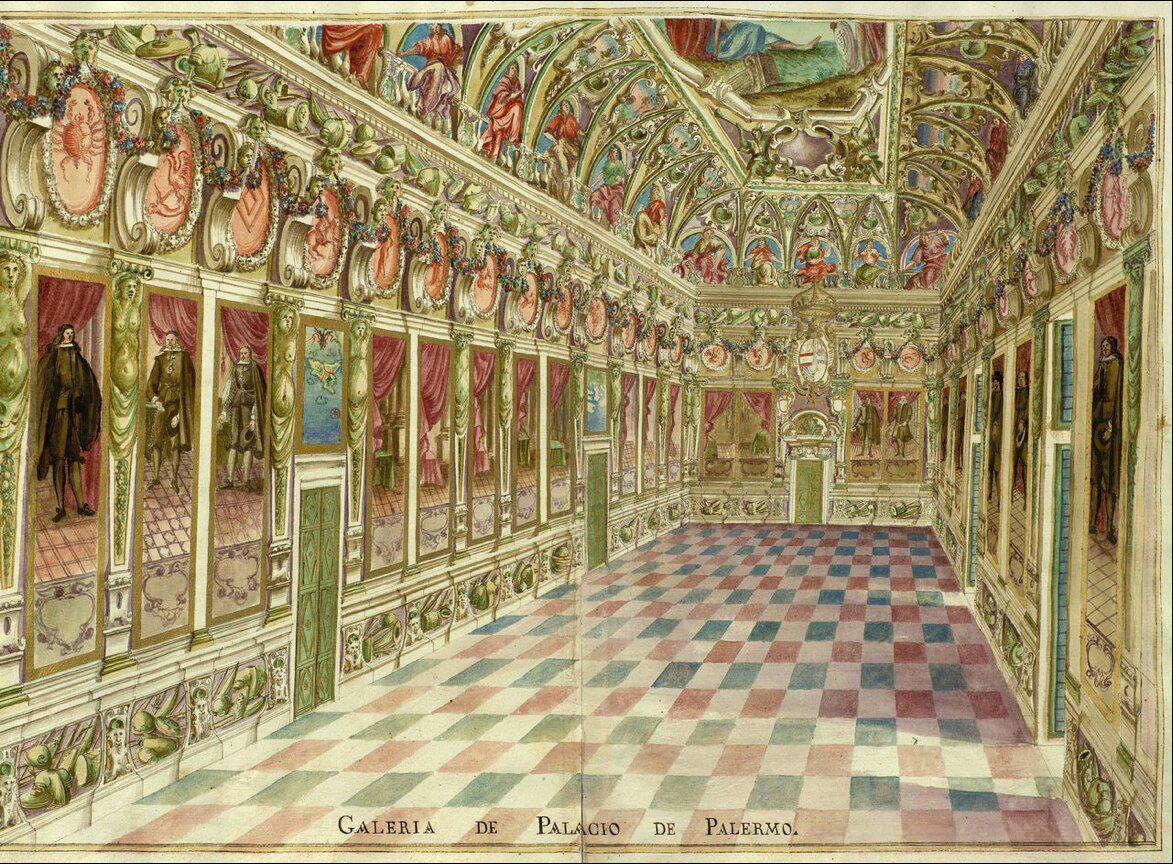
Palazzo dei Normanni rises in Palermo, Italy, above the remains of a Phoenician fortress and centuries of political power. The palace combines towers, courtyards, chapels, ballrooms, and a Spanish main façade. Emirs, dukes, princes, kings, and viceroys reshaped its rooms, leaving architecture from successive periods.
At its centre, the Cappella Palatina began under Roger II in 1130 and was consecrated about ten years later. Gold and silver tesserae cover mosaics created through Byzantine, Islamic, and Latin collaboration. Greek, Arabic, and Latin texts accompany the central apse’s Christ Pantocrator, whose message appears in Greek and Latin. Fifty windows originally filled the chapel with light, though many later closed. The palace forms part of UNESCO’s Arab-Norman Palermo and the Cathedral Churches of Cefalù and Monreale.
A seventeenth-century porticoed courtyard stands within the complex, beside Hercules Hall, where the Sicilian Regional Assembly meets. Giuseppe Velasco’s Hercules paintings give the hall its name. Three large ficus macrophylla trees grow in the Royal Gardens, including one wrapped around a stone pine.
- City
- Palermo
- Content updated
Take this page with you
The myTuur app is free, and once you are standing at a spot its story starts by itself.


Spots like this one are the stops myTuur strings into tours through Palermo. In the app, each story begins where you stand: walk up to a spot and it starts, read it on screen or listen as you go, then follow the route to the next one.
What is myTuur?
myTuur is a free city-guide app. Its tours are built from spots, and each spot carries a story that starts when you get there, to read or to listen to as you like.