Geologisk museum
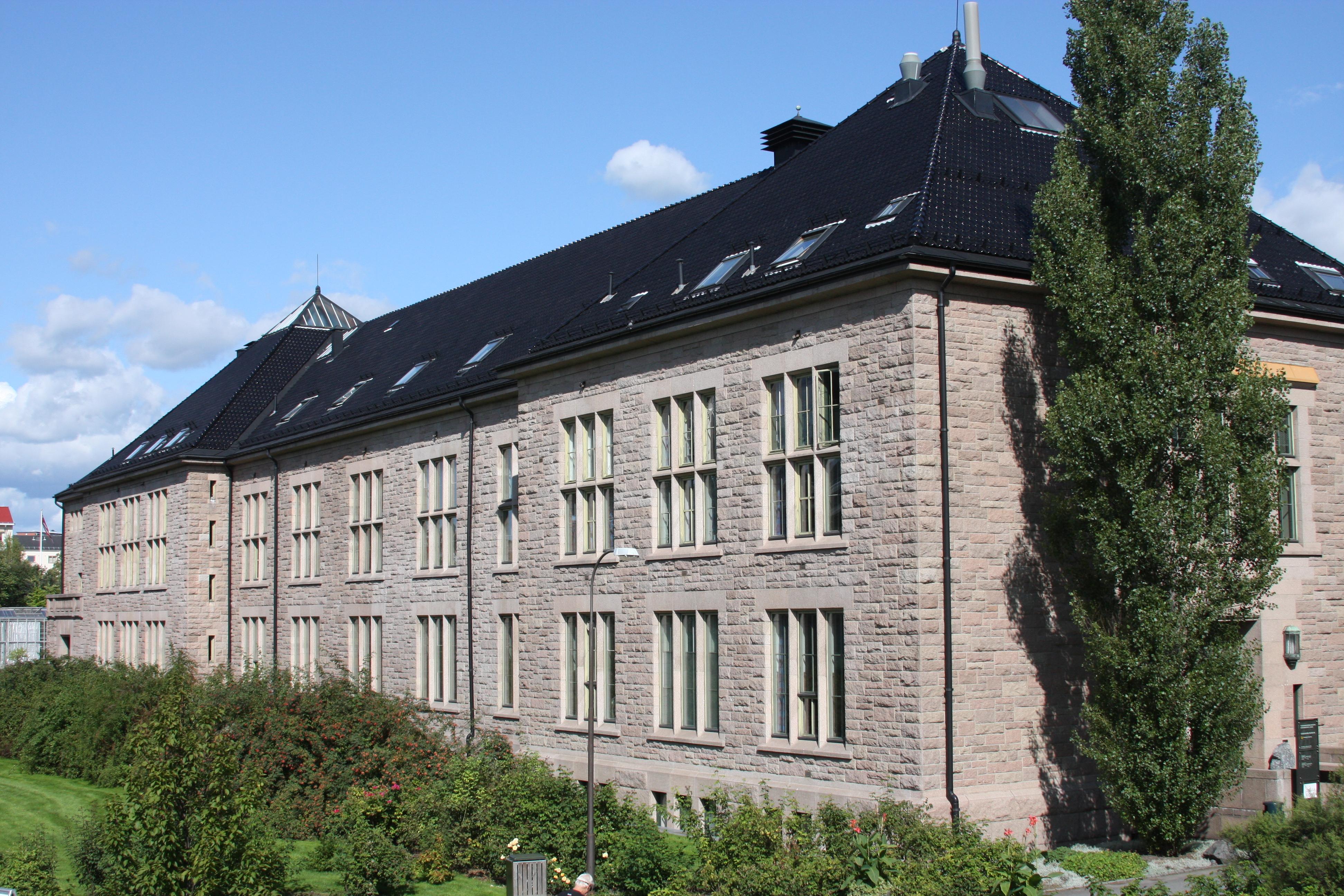
Founded in 1917, Geologisk museum in Oslo forms part of the Natural History Museum at the University of Oslo. Its collections include rocks, minerals, fossils, and meteorites. The museum preserves scientific material while presenting Norway’s geological history through displays on landscapes, tectonics, and ancient life. Four distinct halls organise the museum’s main exhibits. The rock, mineral, paleontology, and reptile halls each focus on a different part of Earth science. The library covers botany, geology, mineralogy, paleontology, and zoology. Built between 1911 and 1917, the four-storey building uses monumental stonework in a national romantic style. Its history reaches back to Kongsberg’s mining seminar. When the University of Oslo was established in 1811, it received that mineral collection, linking the museum with Norway’s collecting tradition. Waldemar C. Brøggers hus commemorates the geologist who helped establish the museum. The building stands beside the Zoological Museum in Tøyen Botanical Garden, with parallel entrances connecting two natural-history collections. Research, laboratories, offices, lecture rooms, and exhibitions share this stone building.
- City
- Oslo
- Content updated
Take this page with you
The myTuur app is free, and once you are standing at a spot its story starts by itself.


Spots like this one are the stops myTuur strings into tours through Oslo. In the app, each story begins where you stand: walk up to a spot and it starts, read it on screen or listen as you go, then follow the route to the next one.
What is myTuur?
myTuur is a free city-guide app. Its tours are built from spots, and each spot carries a story that starts when you get there, to read or to listen to as you like.