Spittlertorturm
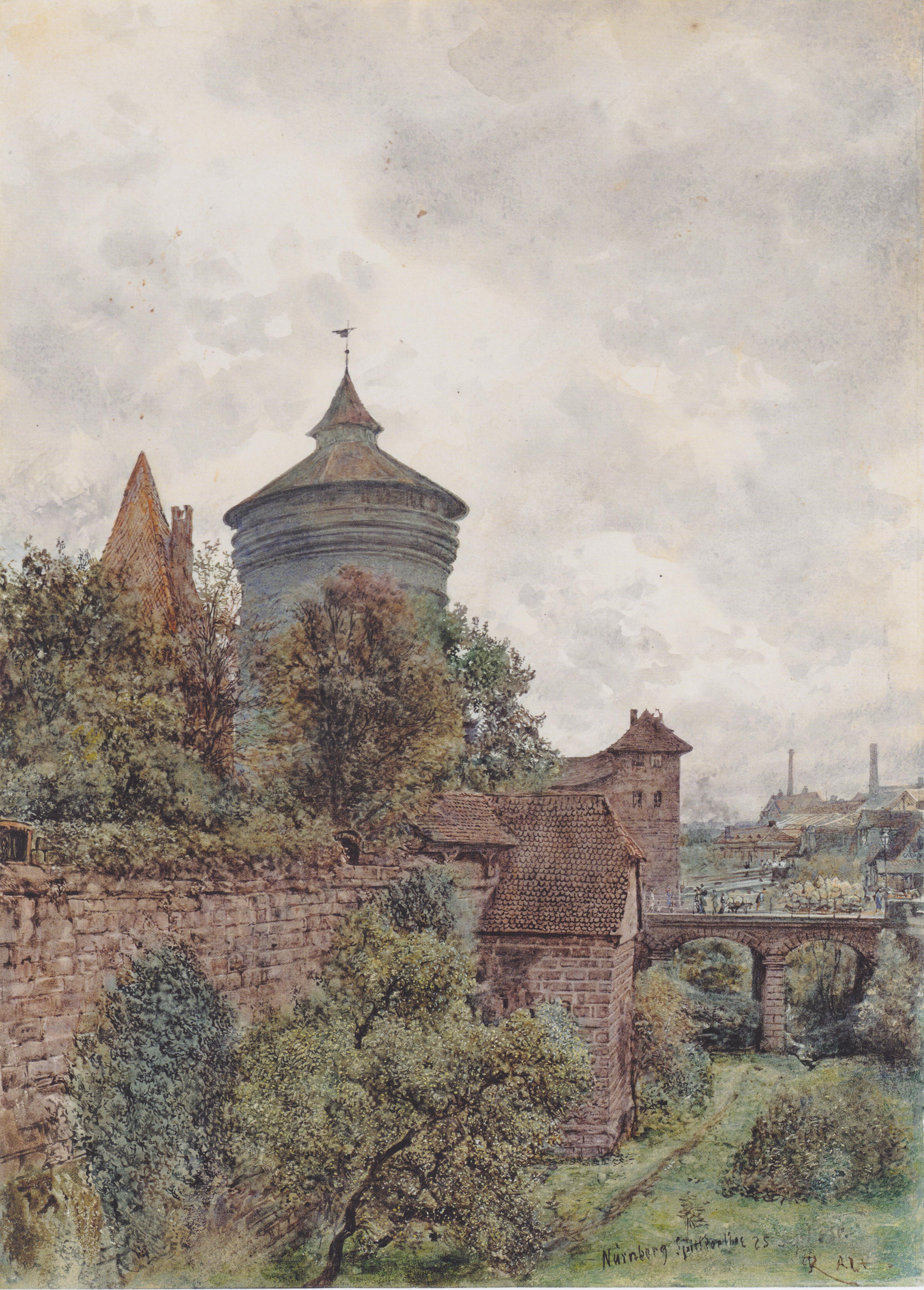
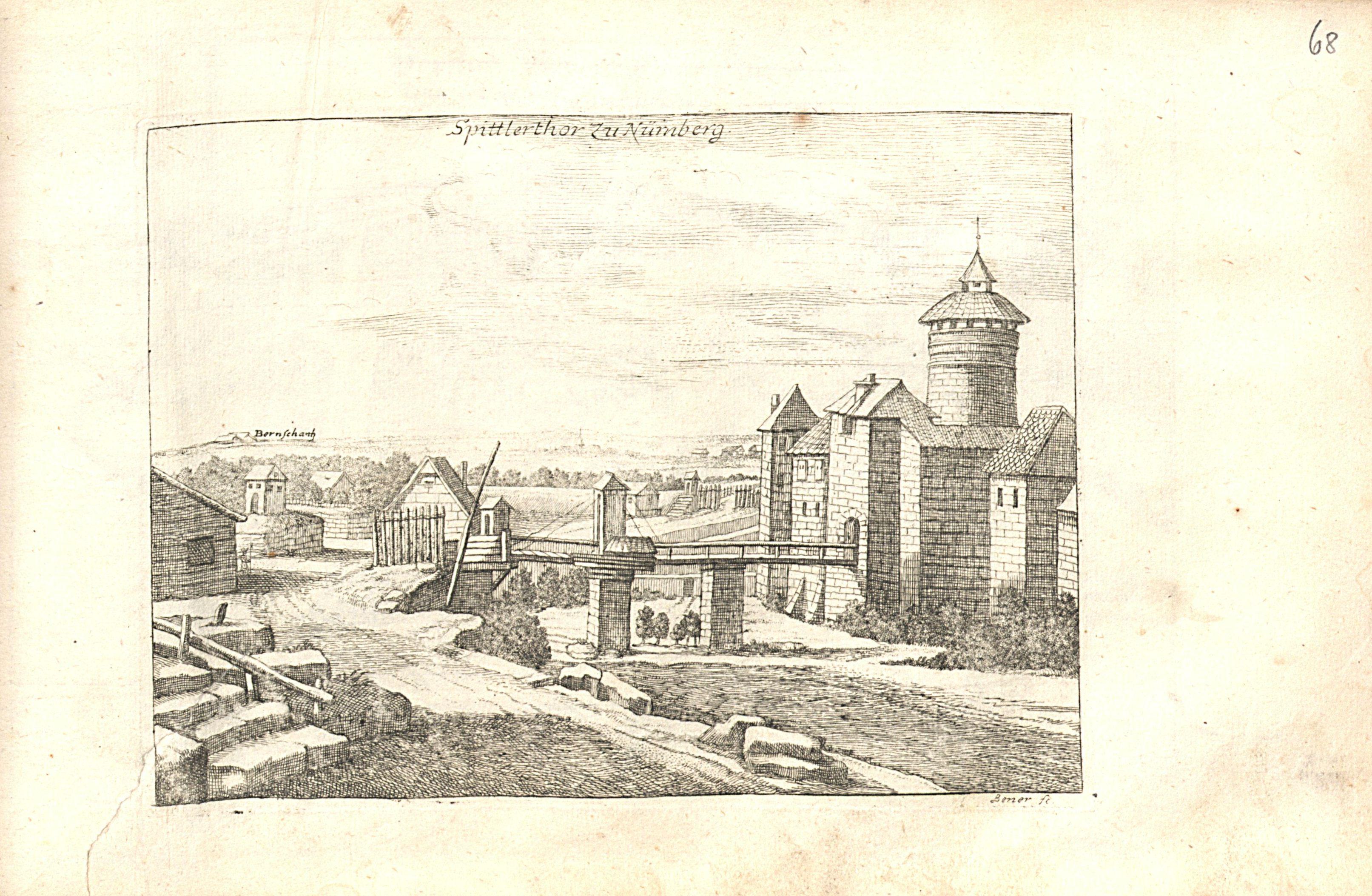
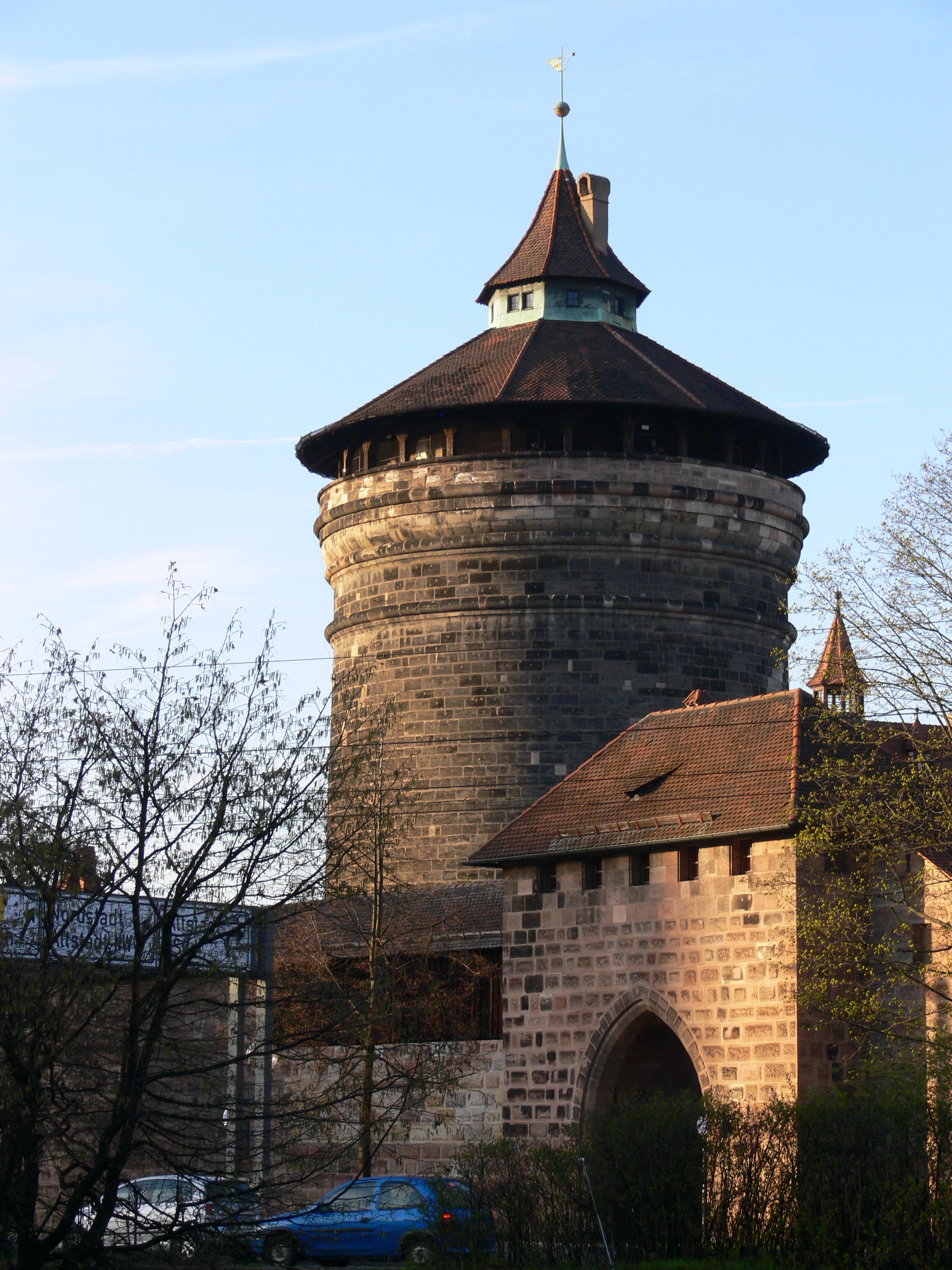
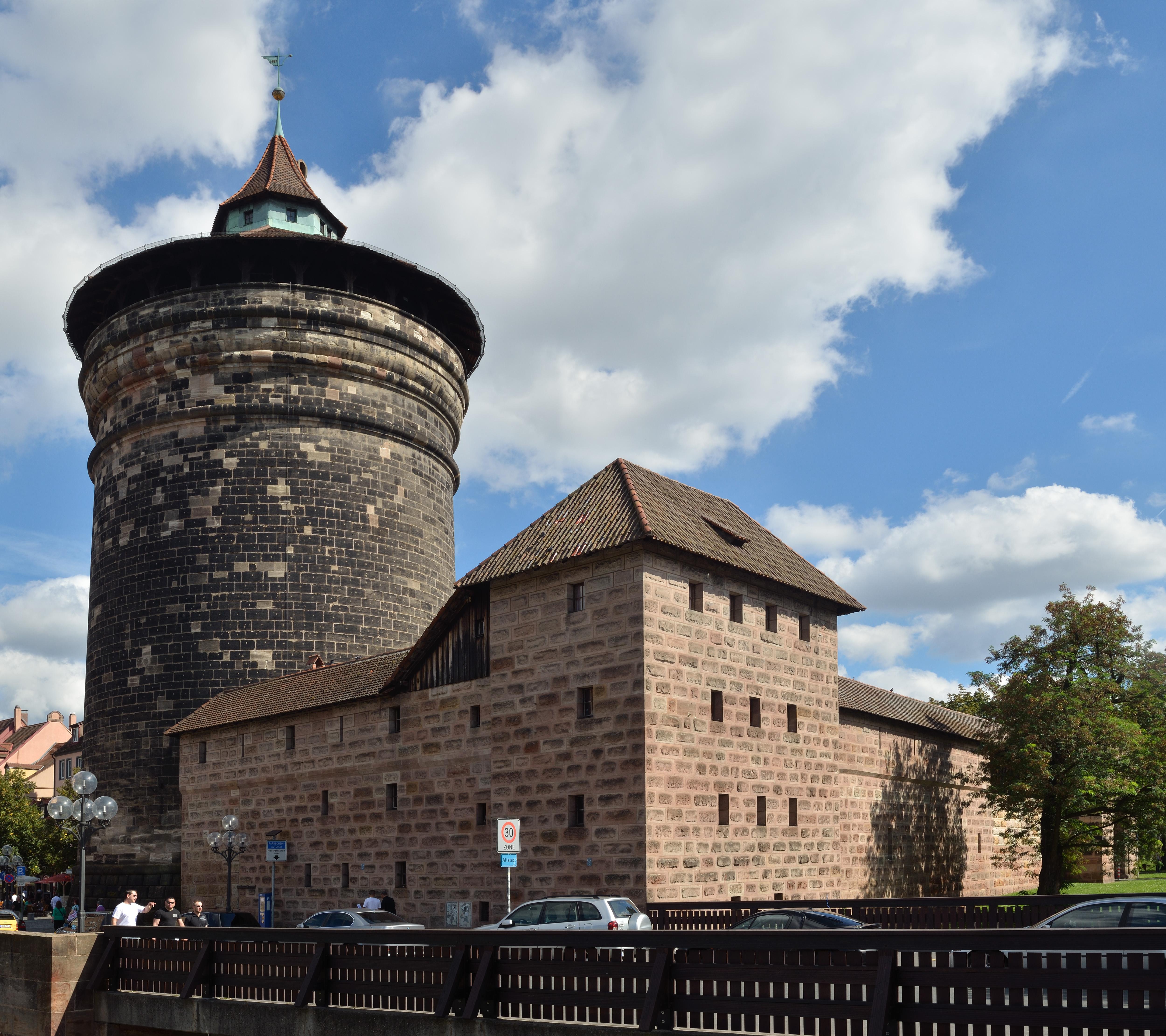
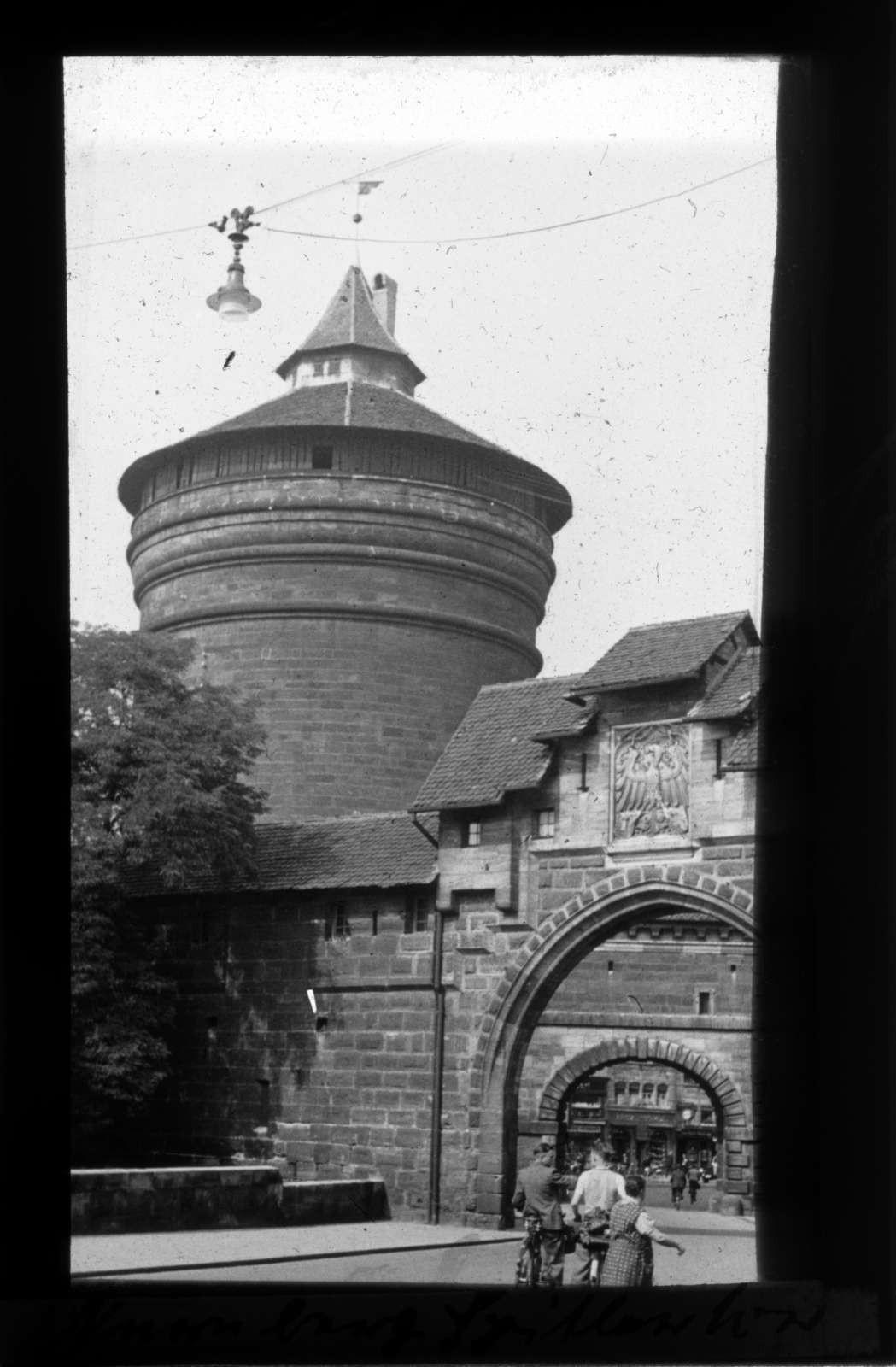
The Spittlertorturm rises in Nuremberg as a distinctive part of the city’s medieval fortifications. The tower is also known as Rot Q.
Built in 1377, it replaced an earlier tower of the former city wall, known as the White Tower. It formed part of Nuremberg’s final city wall.
During the Second World War, the tower served as a high bunker, adding another layer to its defensive history. Its round form identifies it as a defensive tower within the fortifications.
Since July 2006, the Spittlertorturm has housed the library and archive of the Nuremberg Garrison Museum. The Spittlertorzwinger extends the fortification beside the tower.
This area brings together a wall section, a second wall twenty-five metres forward, and a paved weapons courtyard. Several open passages lead through the defensive setting.
The city-wall tower Rotes P and buildings used by student associations also stand within this area. The Spittlertor itself remains mainly a pedestrian area.
Nearby Ludwigstor handles vehicle traffic, while cafés and shops surround this historic route through Nuremberg. The surrounding views give photographers a clear subject.
Museums and galleries nearby connect the tower with Nuremberg’s wider cultural landscape.
- City
- Nuremberg
- Content updated
Take this page with you
The myTuur app is free, and once you are standing at a spot its story starts by itself.


Spots like this one are the stops myTuur strings into tours through Nuremberg. In the app, each story begins where you stand: walk up to a spot and it starts, read it on screen or listen as you go, then follow the route to the next one.
What is myTuur?
myTuur is a free city-guide app. Its tours are built from spots, and each spot carries a story that starts when you get there, to read or to listen to as you like.