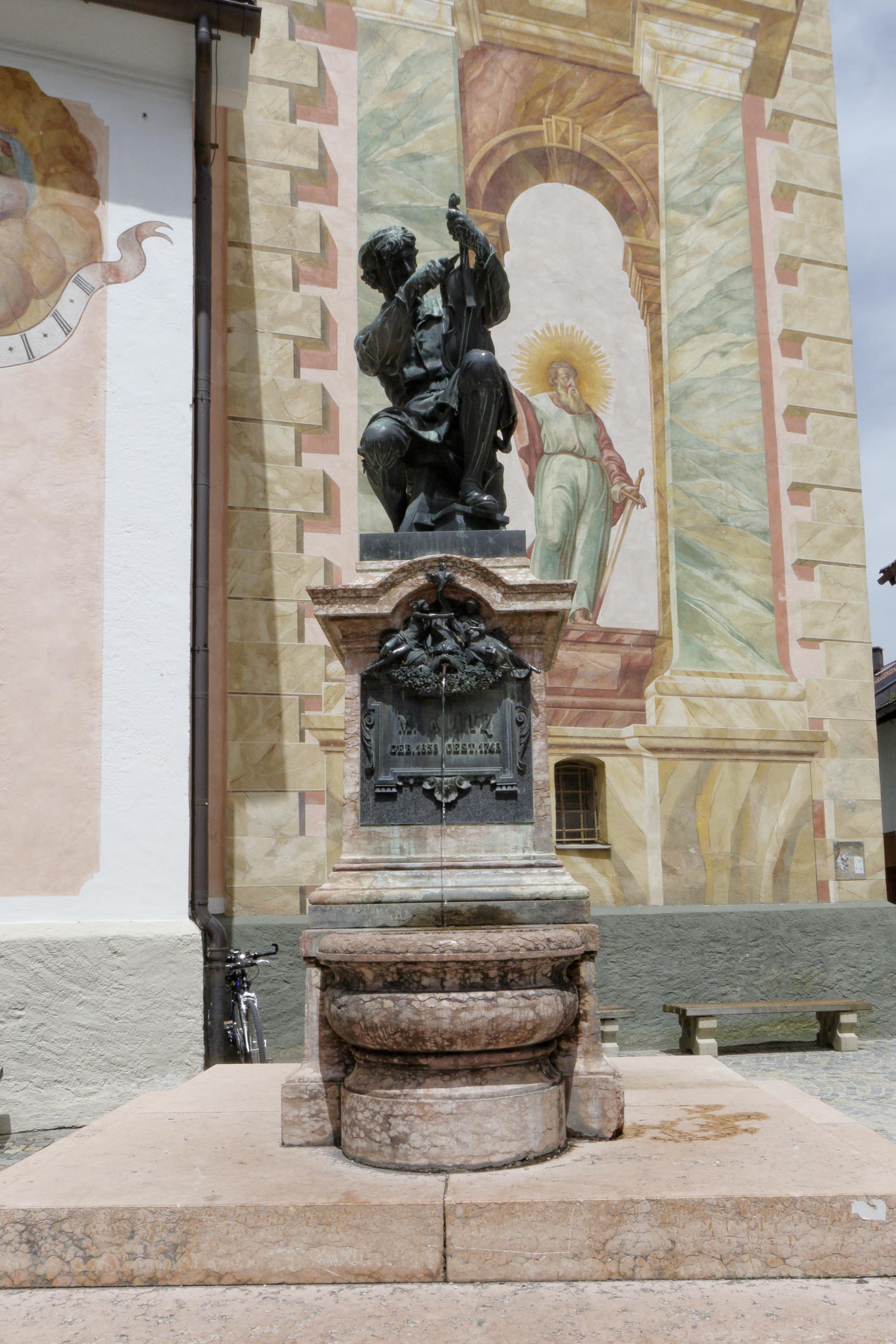
Geigenbauer Matthias Klotz
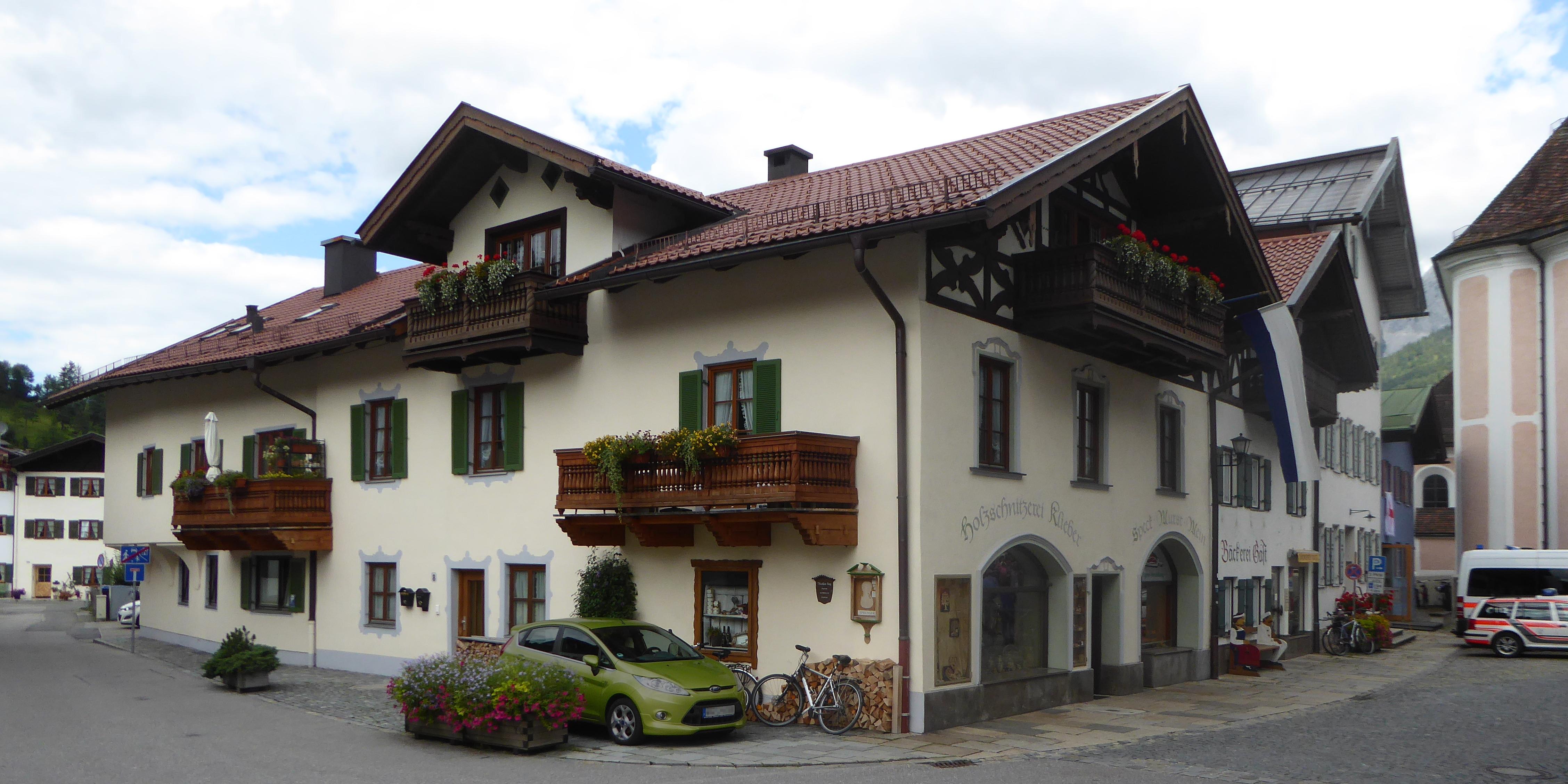
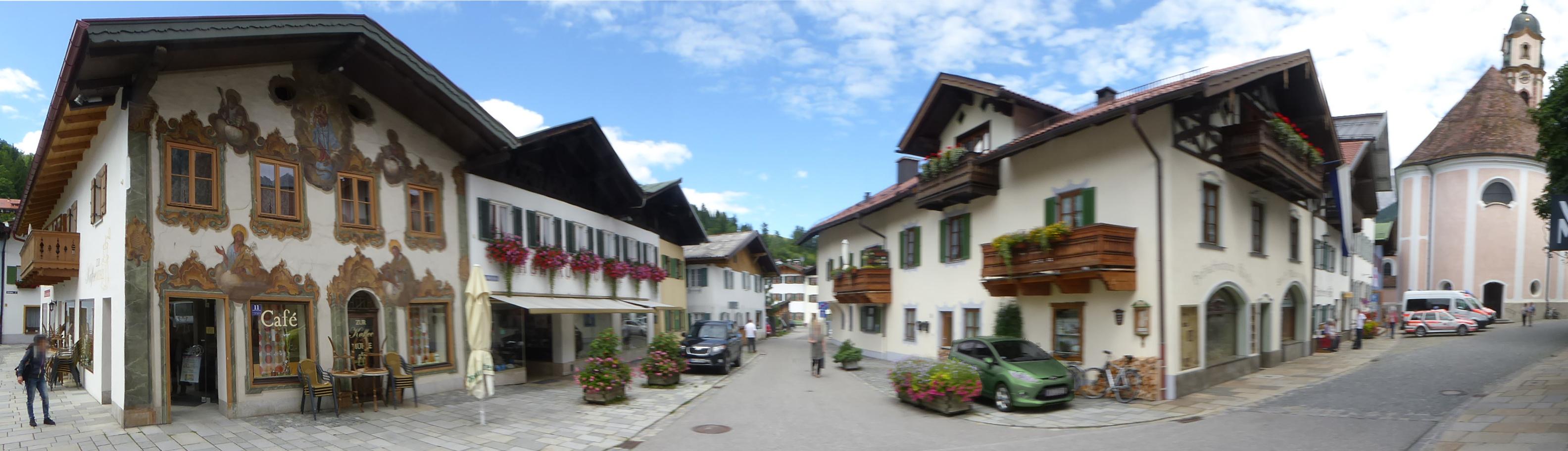
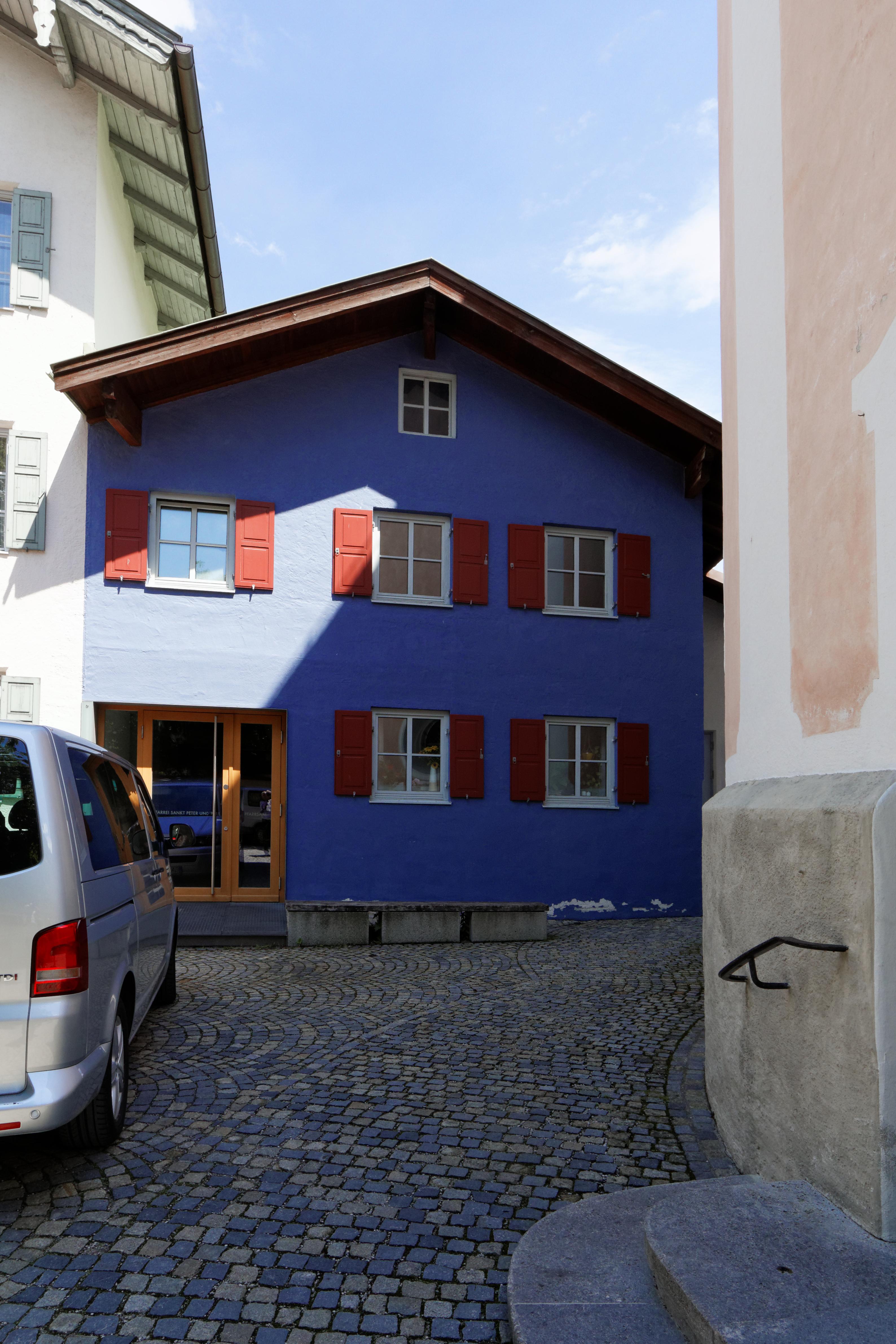
The historical spot Geigenbauer Matthias Klotz lies in Mittenwald, Germany, within the Bavarian Alps. Its namesake helped establish violin making as a defining local craft. Karwendel forests supplied timber, while an Alpine trade route connected Mittenwald with wider markets.
His workshop opened during the 1680s, although little is known about his early training. Surviving instruments first appear in 1712, when he was fifty-nine. A journeyman’s certificate from Pietro Railich in Padua supports an Italian connection, while stories about Amati or Stainer remain uncertain. Karwendel timber and Alpine trade supported growth around the workshop. The Klotz family extended that influence through generations, with later makers changing instrument sizes, arching, and f-hole shapes. Sebastian Klotz later developed the model called the Klotz violin in the narrower sense.
That model balanced Nicolo Amati’s Italian tradition with Jacob Stainer’s German style. Medium-high arching, shaped edges, a curved pegbox, and a wide-mouthed scroll give many examples a baroque profile. Inside, corner blocks and linings show distinctive construction details. Thin, intensely brown varnish completes a surface that makes the regional tradition easy to recognise. Industrial production eventually ended the family’s dominance, while Mittenwald makers carried its craft forward.
- City
- Mittenwald
- Content updated
Take this page with you
The myTuur app is free, and once you are standing at a spot its story starts by itself.


Spots like this one are the stops myTuur strings into tours through Mittenwald. In the app, each story begins where you stand: walk up to a spot and it starts, read it on screen or listen as you go, then follow the route to the next one.
What is myTuur?
myTuur is a free city-guide app. Its tours are built from spots, and each spot carries a story that starts when you get there, to read or to listen to as you like.