Mummification Museum
The Mummification Museum in Luxor, Egypt, offers a close look at ancient Egyptian beliefs about life after death. Its modest façade contrasts with Luxor’s grand temples.
Inside, soft light and cool air frame displays about preparing the body for eternity. Bronze hooks and linen bandages appear in the showcases.
The collection also presents organ jars, protective amulets, and the calm face of Anubis. Natron from Wadi El Natrun helped dry the body.
The displays explain how priests removed organs, dried bodies, and wrapped them in layers of linen. Ancient priests guided the careful preparation of bodies.
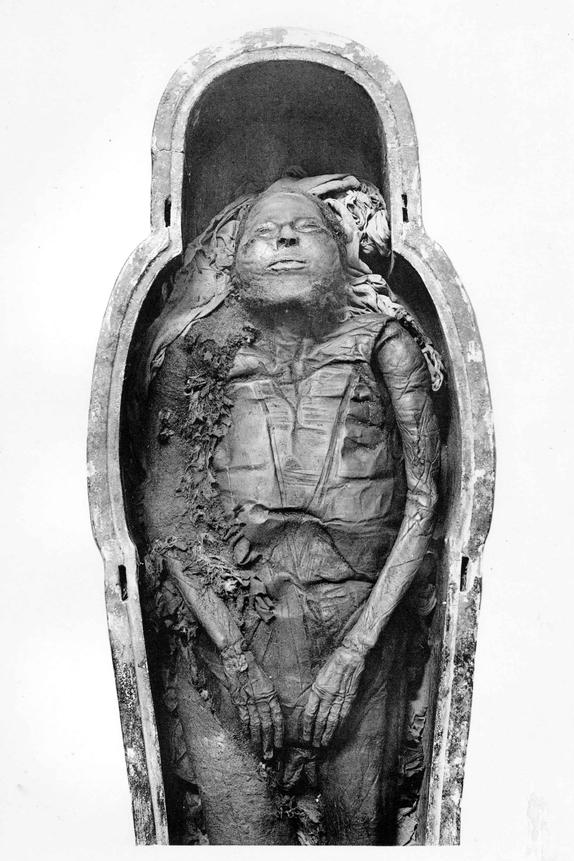
Masaharta’s mummy forms the museum’s centrepiece beside a painted coffin. Mummified cats, rams, and crocodiles surround it.
Together, these objects connect preservation with Egyptian ideas of faith, protection, and transformation after death. The nearby Nile links the museum with Luxor’s river setting.
The museum presents mummification through objects and remains rather than through an extended written account. Its purpose remains clear in every display.
The exhibits show how care, precision, and belief shaped preparations for an afterlife. The serene face of Anubis appears among the displays.
- City
- Luxor
- Content updated
Take this page with you
The myTuur app is free, and once you are standing at a spot its story starts by itself.


Spots like this one are the stops myTuur strings into tours through Luxor. In the app, each story begins where you stand: walk up to a spot and it starts, read it on screen or listen as you go, then follow the route to the next one.
What is myTuur?
myTuur is a free city-guide app. Its tours are built from spots, and each spot carries a story that starts when you get there, to read or to listen to as you like.