Alter Dom
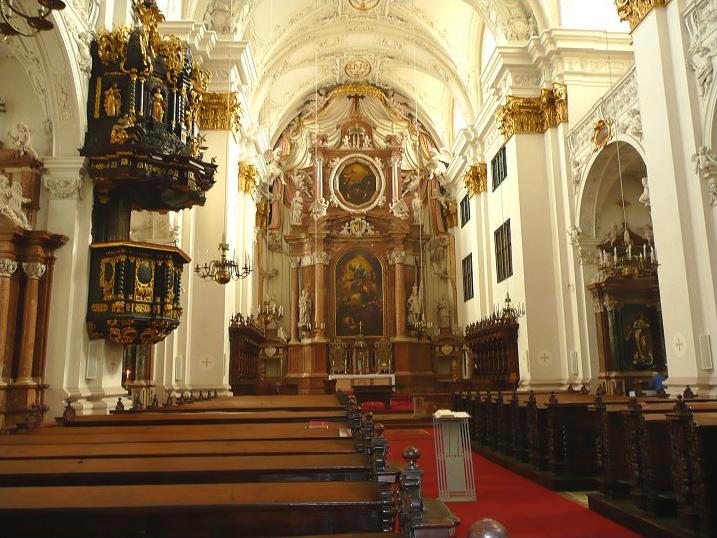
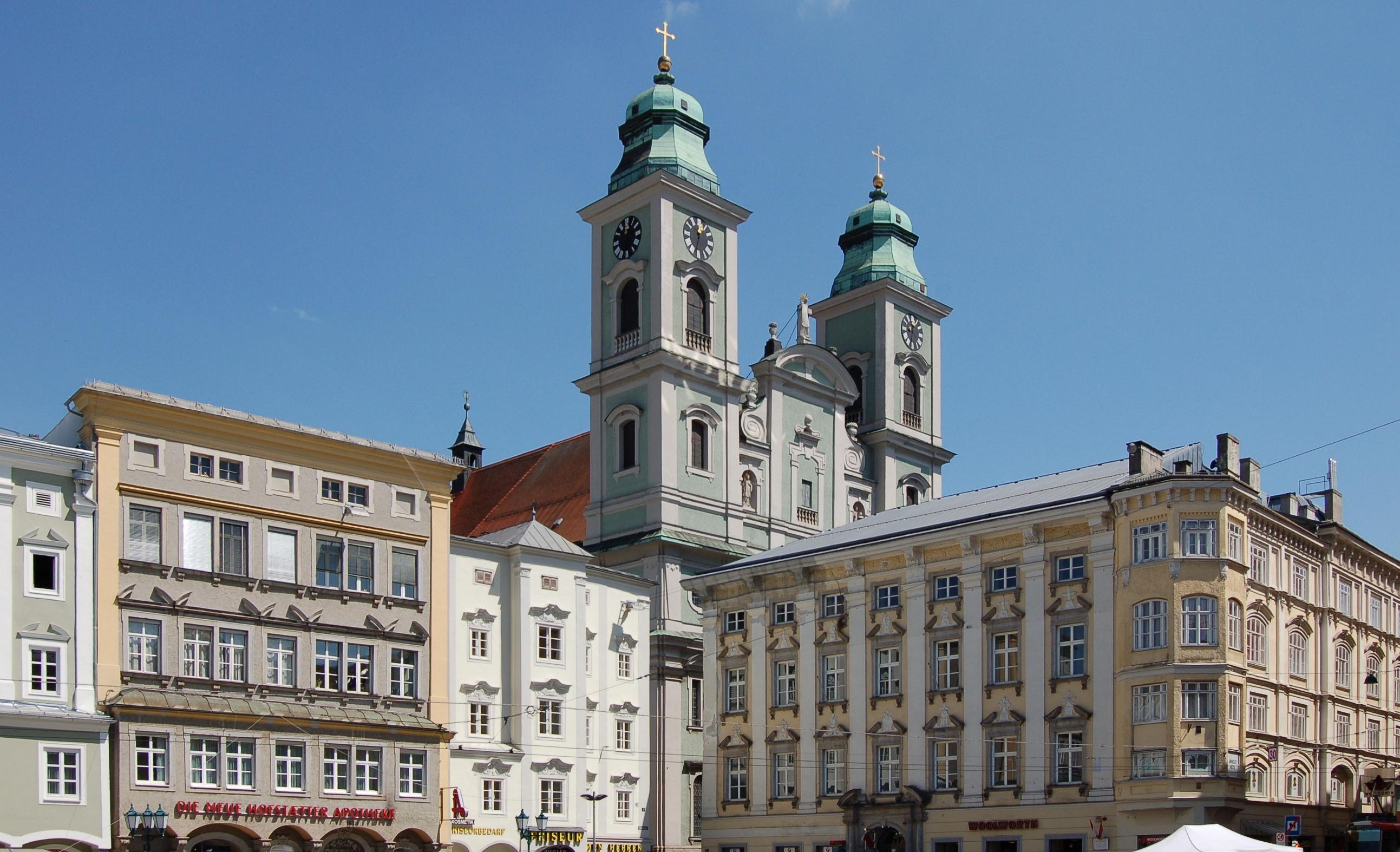
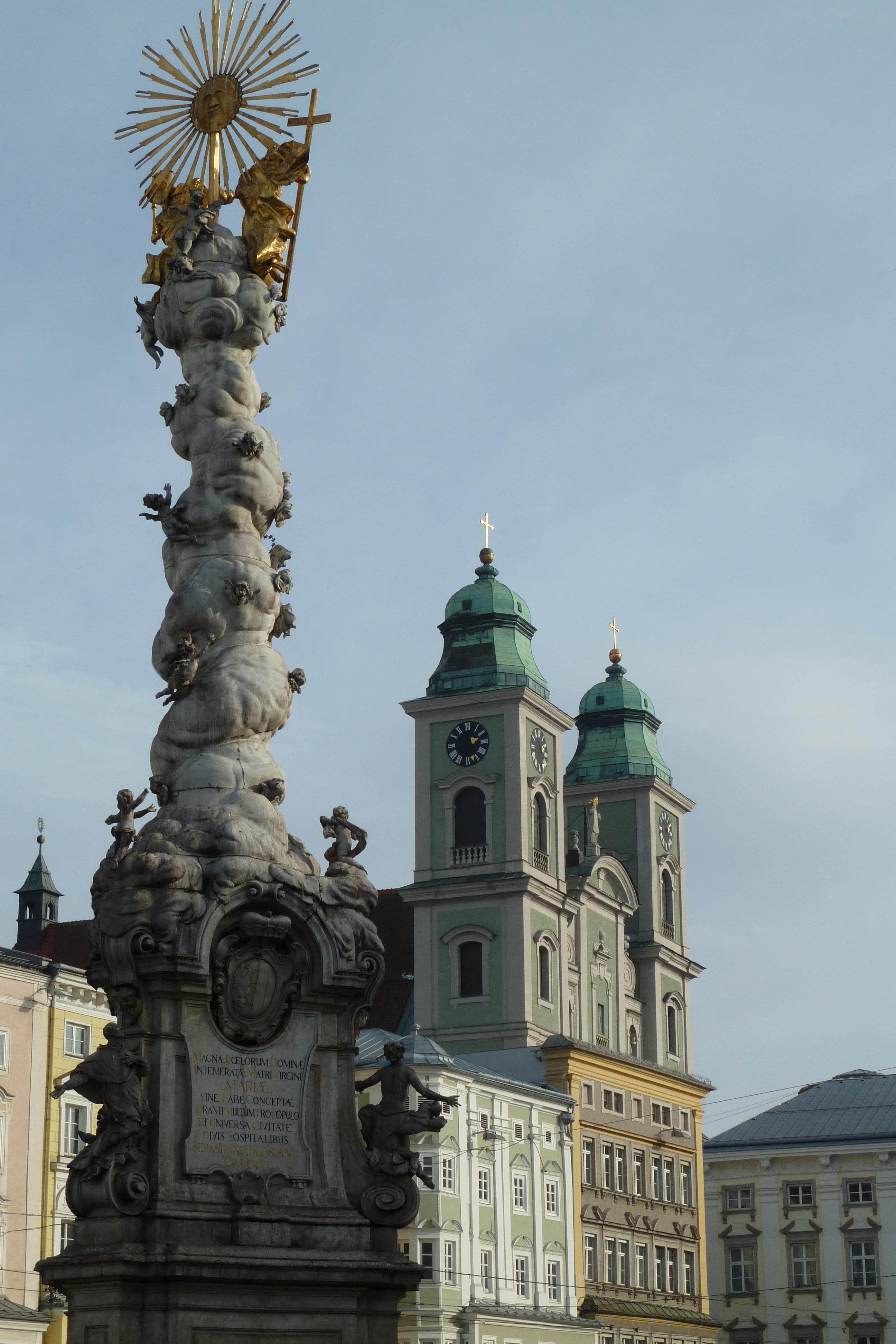
Alter Dom stands at the southern end of Linz’s main square, where a plain Baroque façade rises above the city centre. Two towers flank the entrance, each carrying an onion dome that gives the church its distinctive outline. Jesuit builders raised the church between 1669 and 1683, following plans by Pietro Francesco Carlone. Inside, pink marble columns and three side chapels on each side frame the wide nave.
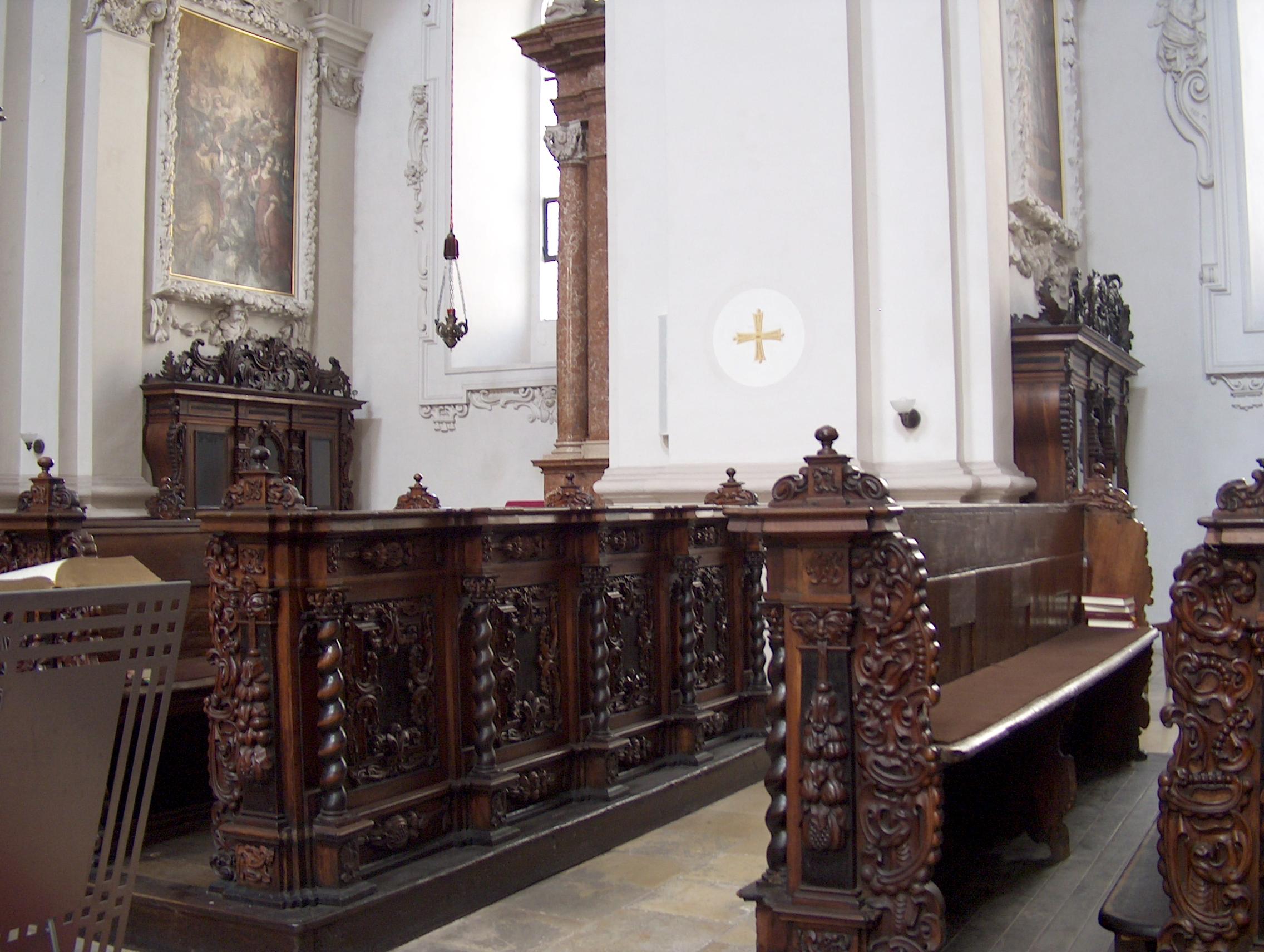
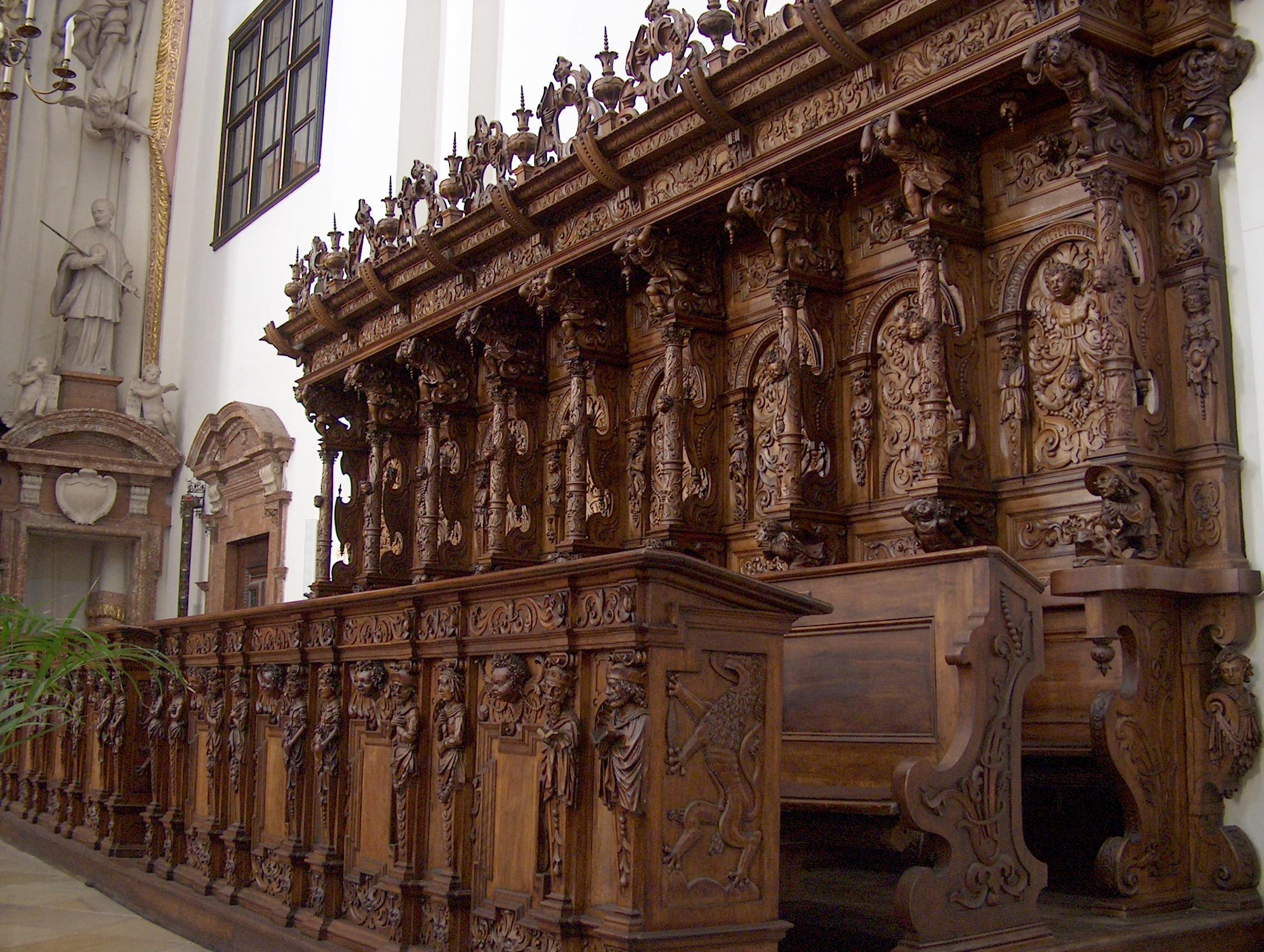
The church became Linz’s cathedral in 1785 and held that role until 1909. Its lavish interior brings together a richly carved wooden pulpit, a marble-filled high altar, and a painting of Saint Aloysius by Antonio Bellucci. Local craftsmen carved the presbytery stalls with faces of monsters and dwarfs, while seventeenth-century choir stalls came from Garsten Abbey.
Franz Xaver Krismann built the Baroque organ, which Anton Bruckner played as organist from 1856 to 1868. Beethoven composed three Equali for four trombones for performance here on All Souls’ Day in 1812. Bruckner’s musical history remains visible in the Bruckner stairs, which lead towards the organ and present episodes from his life. The church still hosts worship and the annual Bruckner Festival, linking Jesuit history, Baroque art, and Linz’s musical heritage.
- City
- Linz
- Content updated
Take this page with you
The myTuur app is free, and once you are standing at a spot its story starts by itself.


Spots like this one are the stops myTuur strings into tours through Linz. In the app, each story begins where you stand: walk up to a spot and it starts, read it on screen or listen as you go, then follow the route to the next one.
What is myTuur?
myTuur is a free city-guide app. Its tours are built from spots, and each spot carries a story that starts when you get there, to read or to listen to as you like.