Aswan Museum
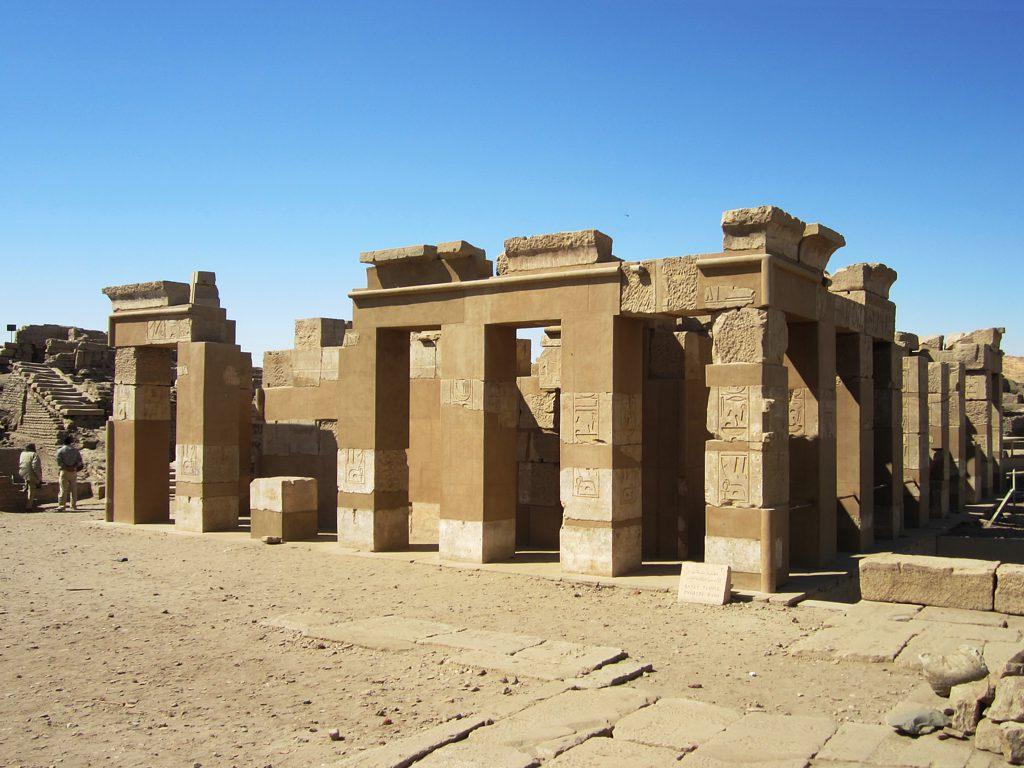
Aswan Museum in Egypt preserves discoveries connected with Elephantine Island and the surrounding Nile landscape. Its simple walls hold layers of Egyptian life. Inside, early tools and pottery show communities shaping clay and stone by hand on the island. The museum also presents statues of Khnum and Satet. Roman mosaics, Byzantine coins, and Islamic pottery trace changing cultures across Elephantine’s history. A quartzite stela shows King Sethos I before Khnum and Amun-Ra. This carved scene links the pharaoh with the river’s divine guardians. The Nile reflects light beside the quiet museum.
The museum keeps these objects close to the ground where they were found. You can read the island through materials, religious images, and objects from successive periods. The architecture remains modest, while the exhibits connect water, settlement, worship, and time. Elephantine Island carries a long history of life beside the Nile. Aswan Museum gives that history a focused setting through objects from Egyptian, Roman, Byzantine, and Islamic periods. Its displays bring tools, pottery, mosaics, coins, statues, and carved stone together. The museum’s setting joins archaeology with the river that shaped the island’s history.
- City
- Koti
- Content updated
Take this page with you
The myTuur app is free, and once you are standing at a spot its story starts by itself.


Spots like this one are the stops myTuur strings into tours through Koti. In the app, each story begins where you stand: walk up to a spot and it starts, read it on screen or listen as you go, then follow the route to the next one.
What is myTuur?
myTuur is a free city-guide app. Its tours are built from spots, and each spot carries a story that starts when you get there, to read or to listen to as you like.