Ayasofya
Ayasofya stands in Istanbul’s historic peninsula as a landmark shaped by Byzantine and Ottoman history. Emperor Justinian commissioned it as a cathedral in the sixth century.
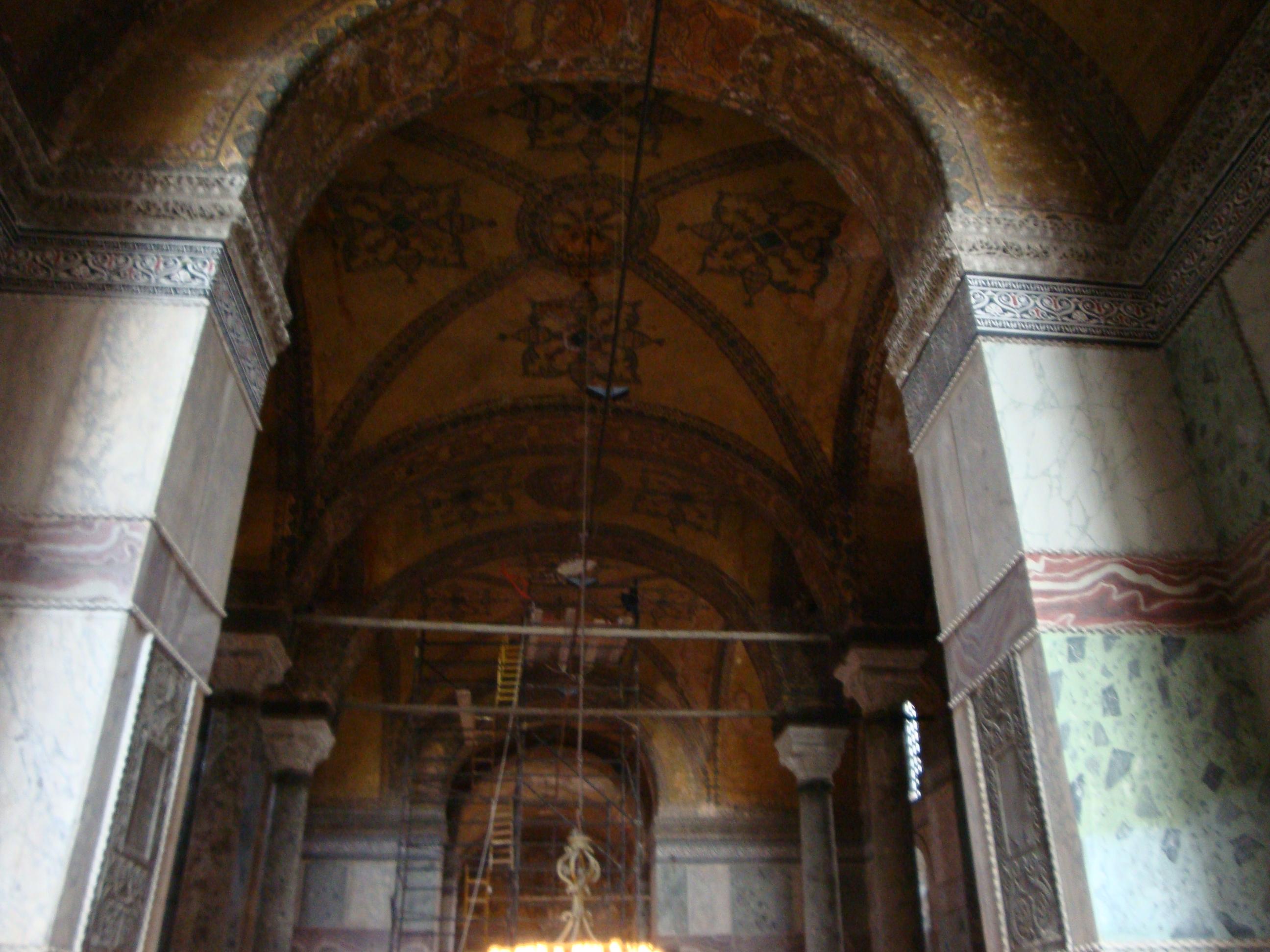
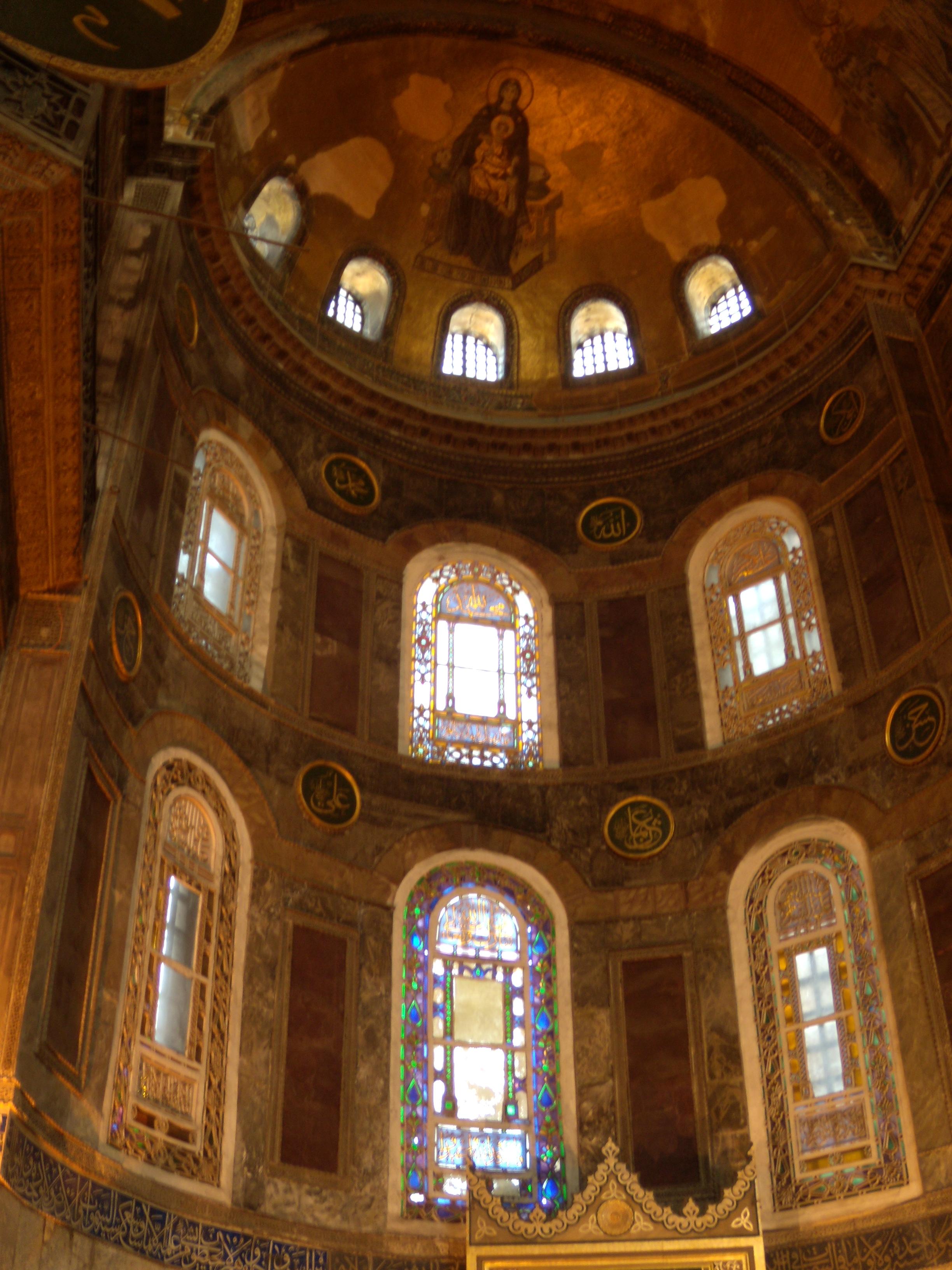
Its vast dome rises above arches and columns, while Byzantine mosaics show religious figures and scenes in detailed work. The building later became an important Ottoman mosque.
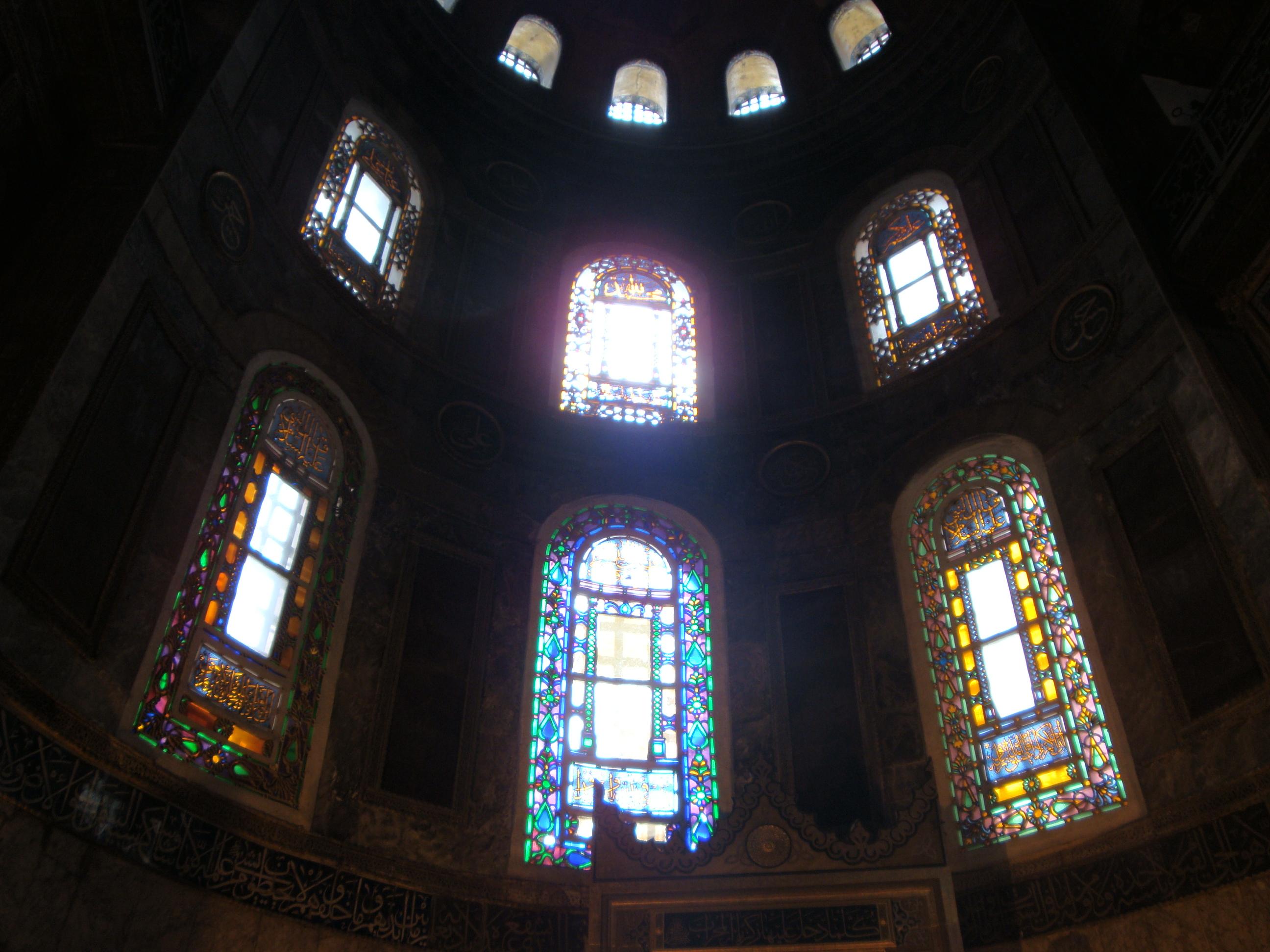
After the conquest of Constantinople in 1453, Islamic features joined its earlier architectural language. These additions include a mihrab and minbar beside Byzantine forms.
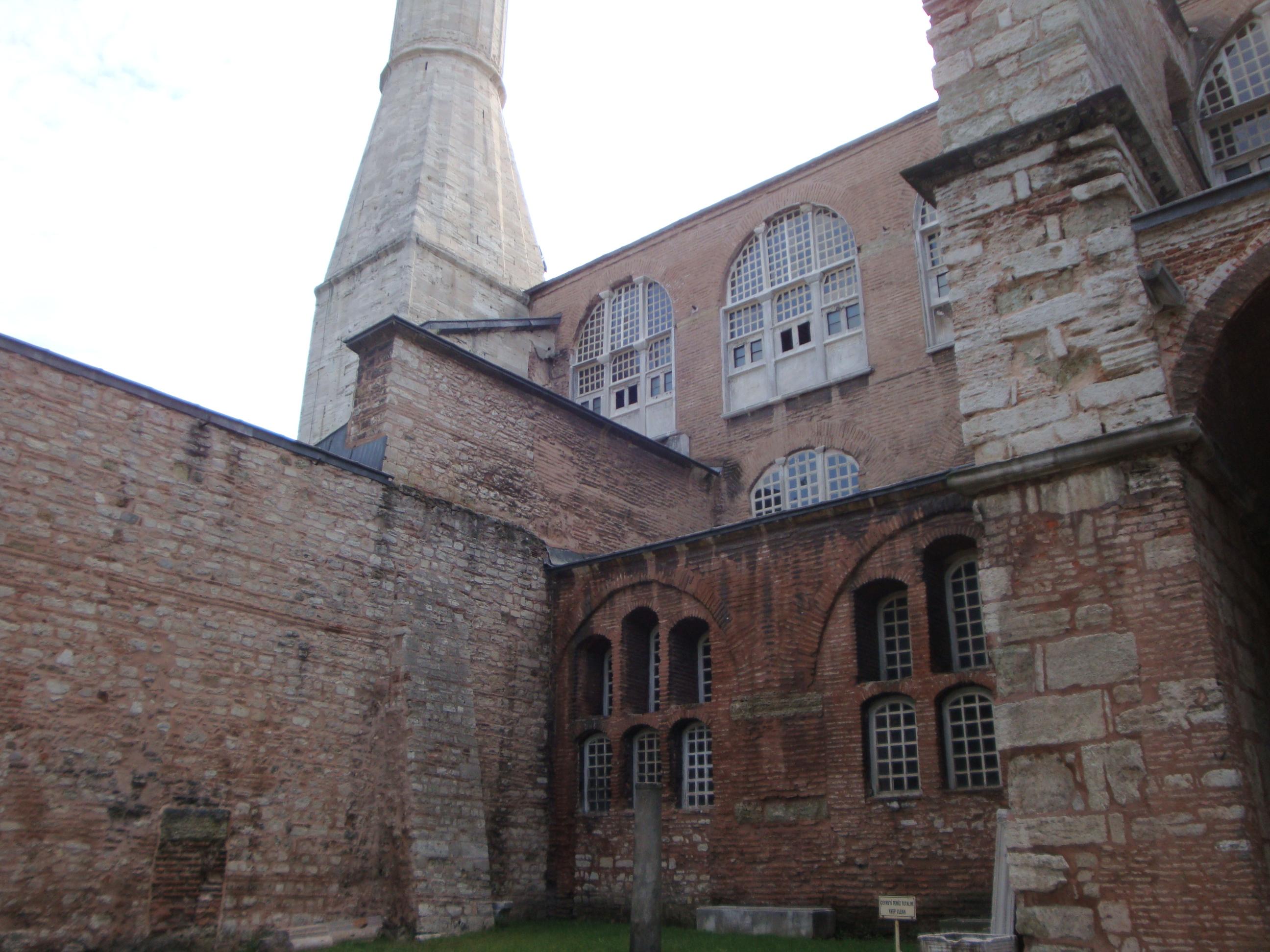
The architect Sinan also added structural reinforcements to the building. After its museum period, Ayasofya returned to mosque use.
Its interior brings together cathedral, mosque, and museum chapters within one architectural space. The name Hagia Sophia also identifies this Istanbul landmark.
For centuries, Ayasofya has formed part of Istanbul’s changing city history. Its architecture connects Christian and Islamic traditions through visible details.
The Blue Mosque and Topkapi Palace stand among the landmarks around Ayasofya. Together, these buildings place the site within Istanbul’s historic cultural landscape.
- City
- Istanbul
- Content updated
Take this page with you
The myTuur app is free, and once you are standing at a spot its story starts by itself.


Spots like this one are the stops myTuur strings into tours through Istanbul. In the app, each story begins where you stand: walk up to a spot and it starts, read it on screen or listen as you go, then follow the route to the next one.
What is myTuur?
myTuur is a free city-guide app. Its tours are built from spots, and each spot carries a story that starts when you get there, to read or to listen to as you like.