Heidenschmiede
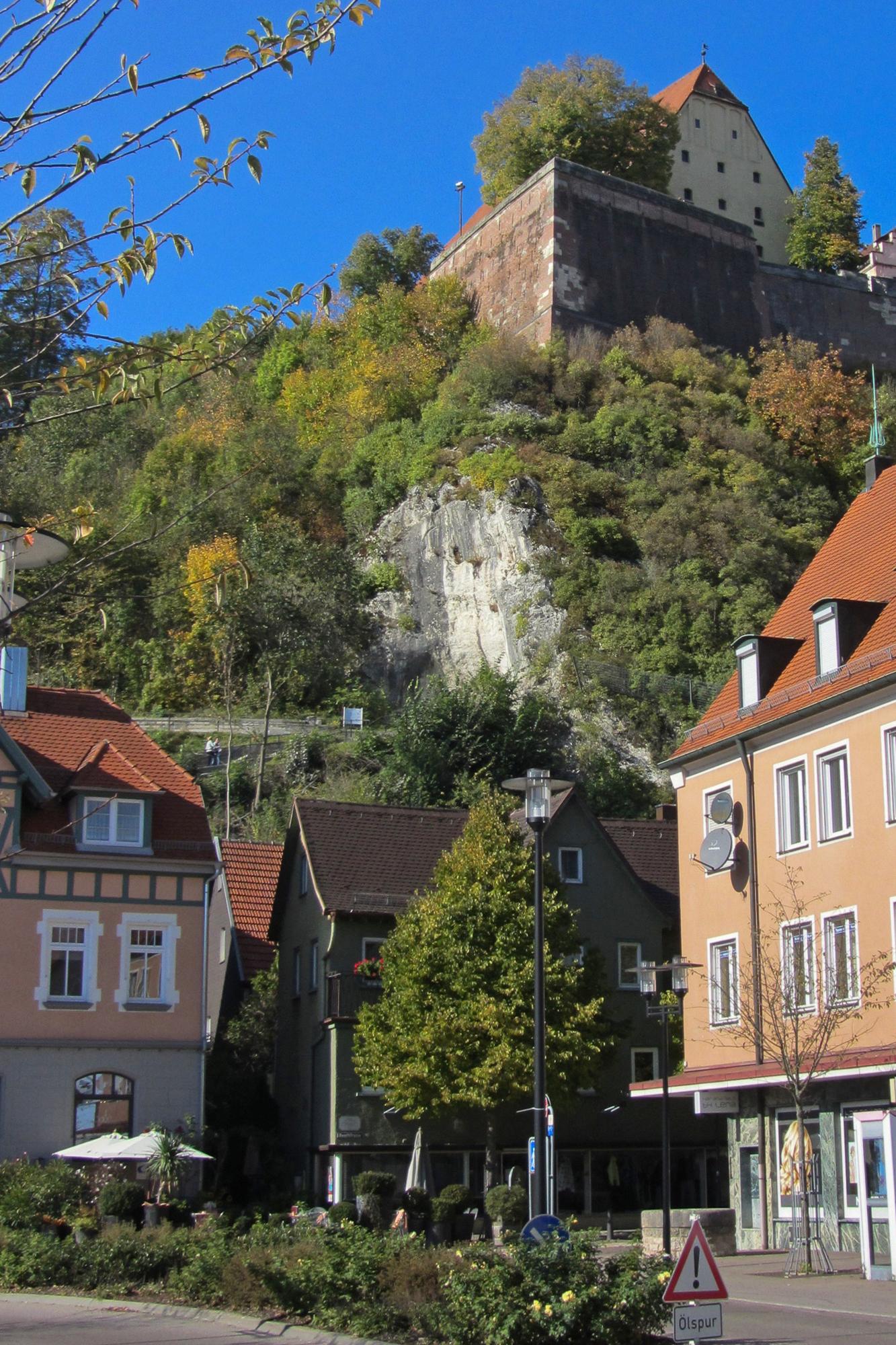
Heidenschmiede is a prehistoric rock shelter in Heidenheim an der Brenz, within Baden-Württemberg’s eastern Swabian Jura. Its overhang covers about eight square metres, with a slightly larger open area directly in front. Neanderthals used this Middle Paleolithic shelter for short tool-making visits roughly 70,000 to 50,000 years ago.
Hermann Mohn discovered Heidenschmiede in summer 1928 while searching for the historically mentioned Uhuloch crevice. His excavation began in March 1930, uncovering around 5,000 stone artefacts and five kilograms of animal bones. Eduard Peters later completed the work in August 1930, while Mohn recorded layers through drawings and photographs.
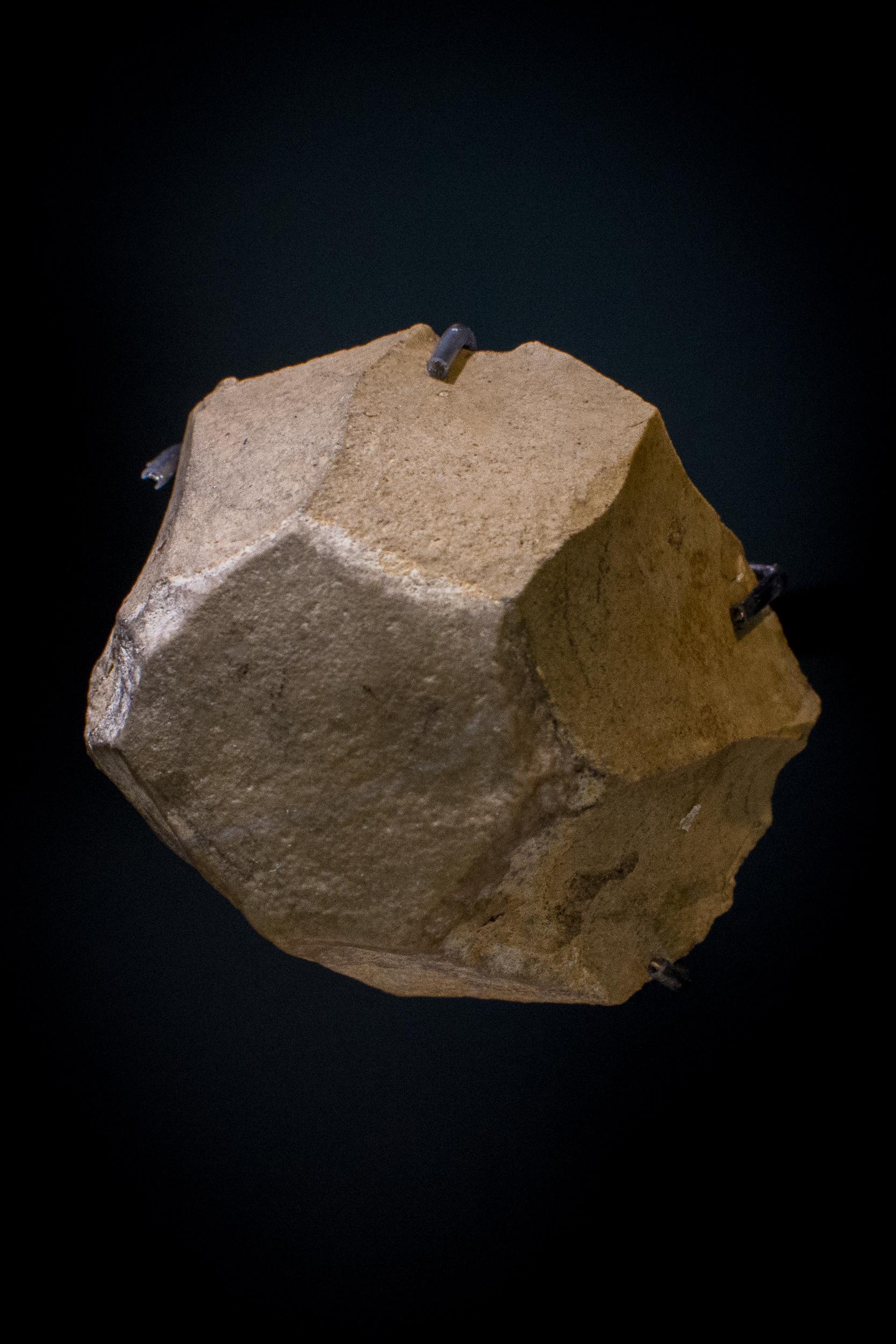
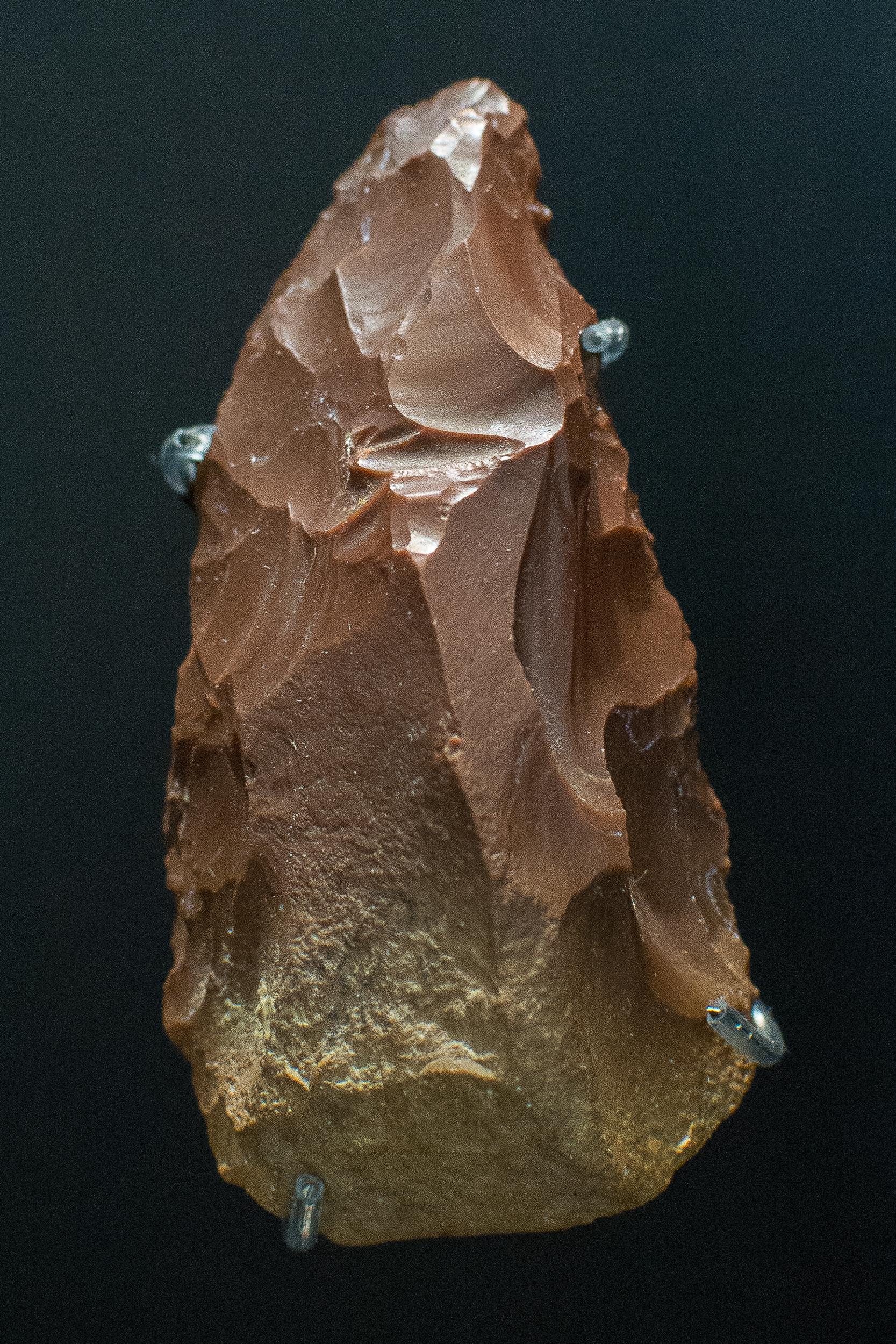
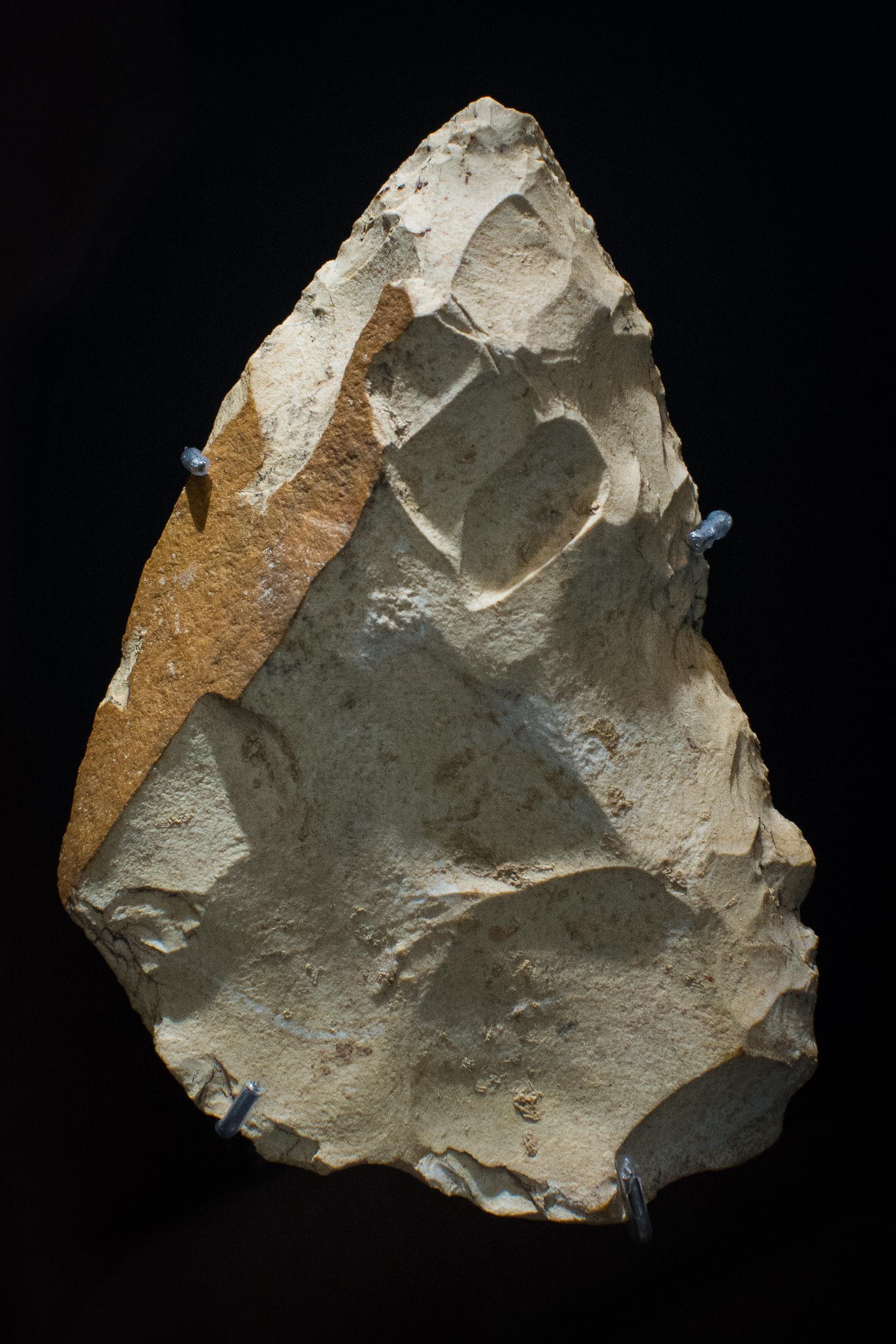
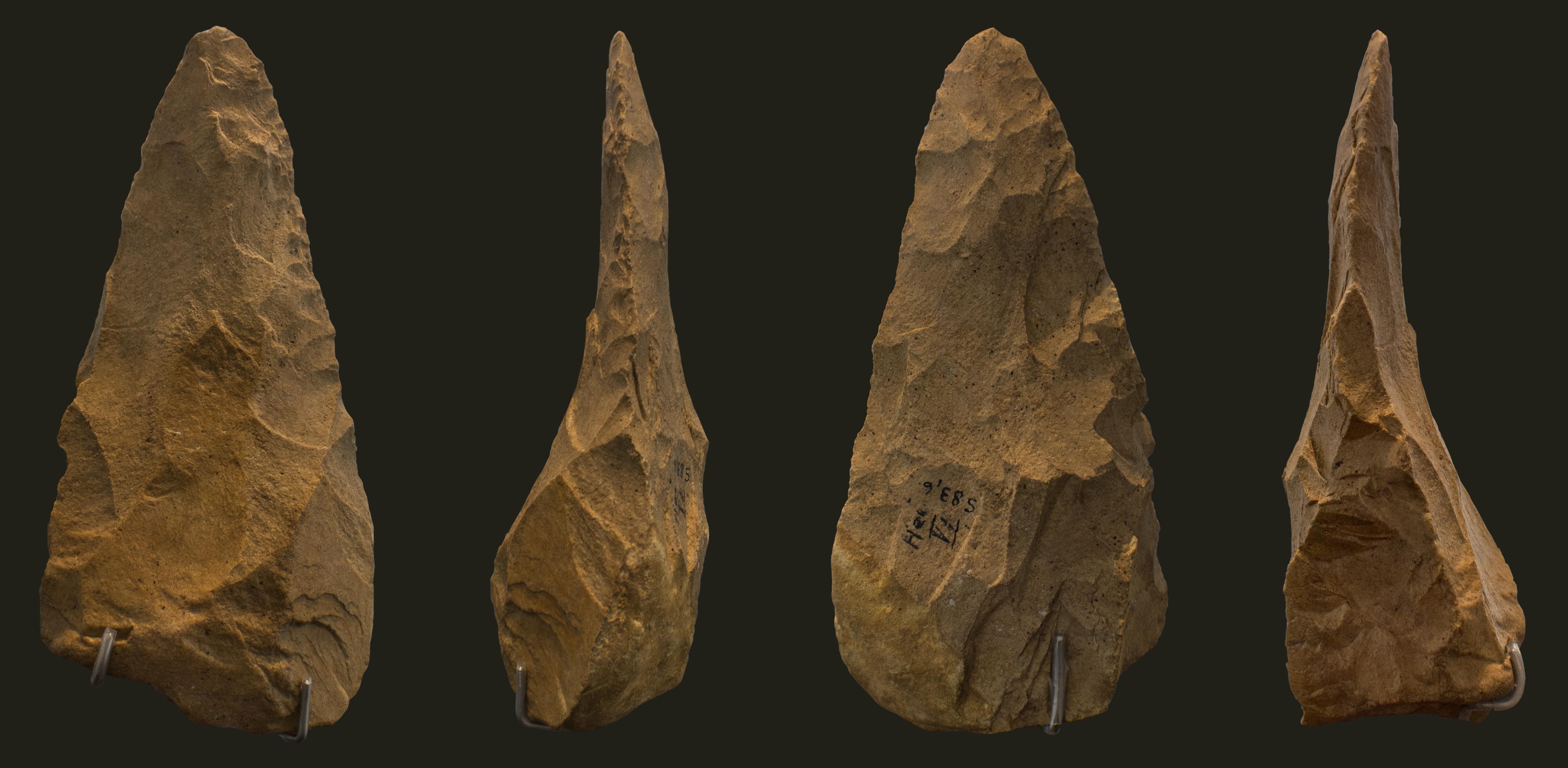
Most tools use tertiary quartzite from the Steinheim Basin and Stubental, alongside jasper and quartz. Hand axes, scrapers, and blades reveal varied Neanderthal techniques, while mammoth, rhinoceros, and reindeer bones suggest available resources. The finds are housed in museums in Stuttgart and Heidenheim, leaving a tangible trace of brief prehistoric visits.
- City
- Heidenheim an der Brenz
- Content updated
Take this page with you
The myTuur app is free, and once you are standing at a spot its story starts by itself.


Spots like this one are the stops myTuur strings into tours through Heidenheim an der Brenz. In the app, each story begins where you stand: walk up to a spot and it starts, read it on screen or listen as you go, then follow the route to the next one.
What is myTuur?
myTuur is a free city-guide app. Its tours are built from spots, and each spot carries a story that starts when you get there, to read or to listen to as you like.