Orangerie
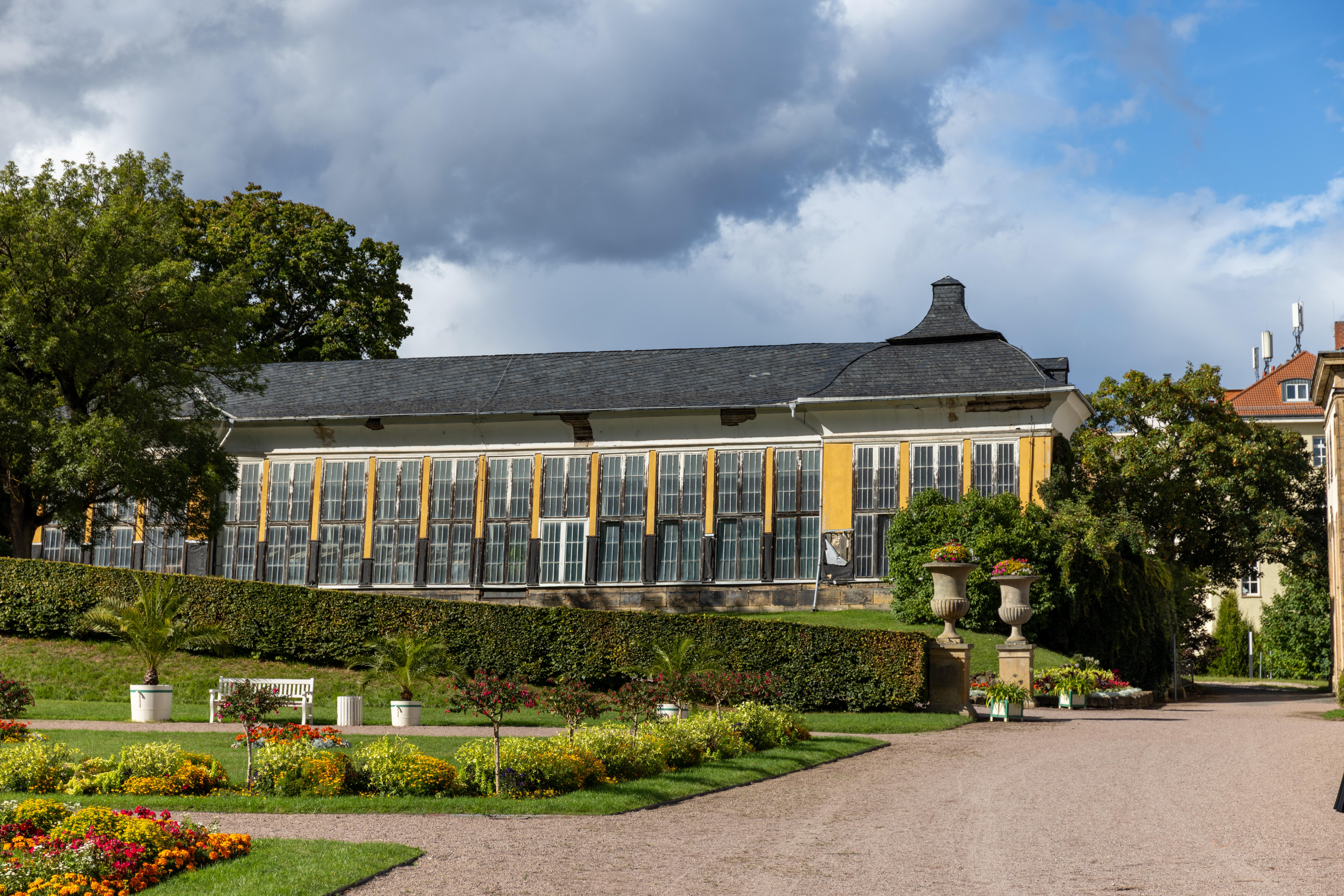
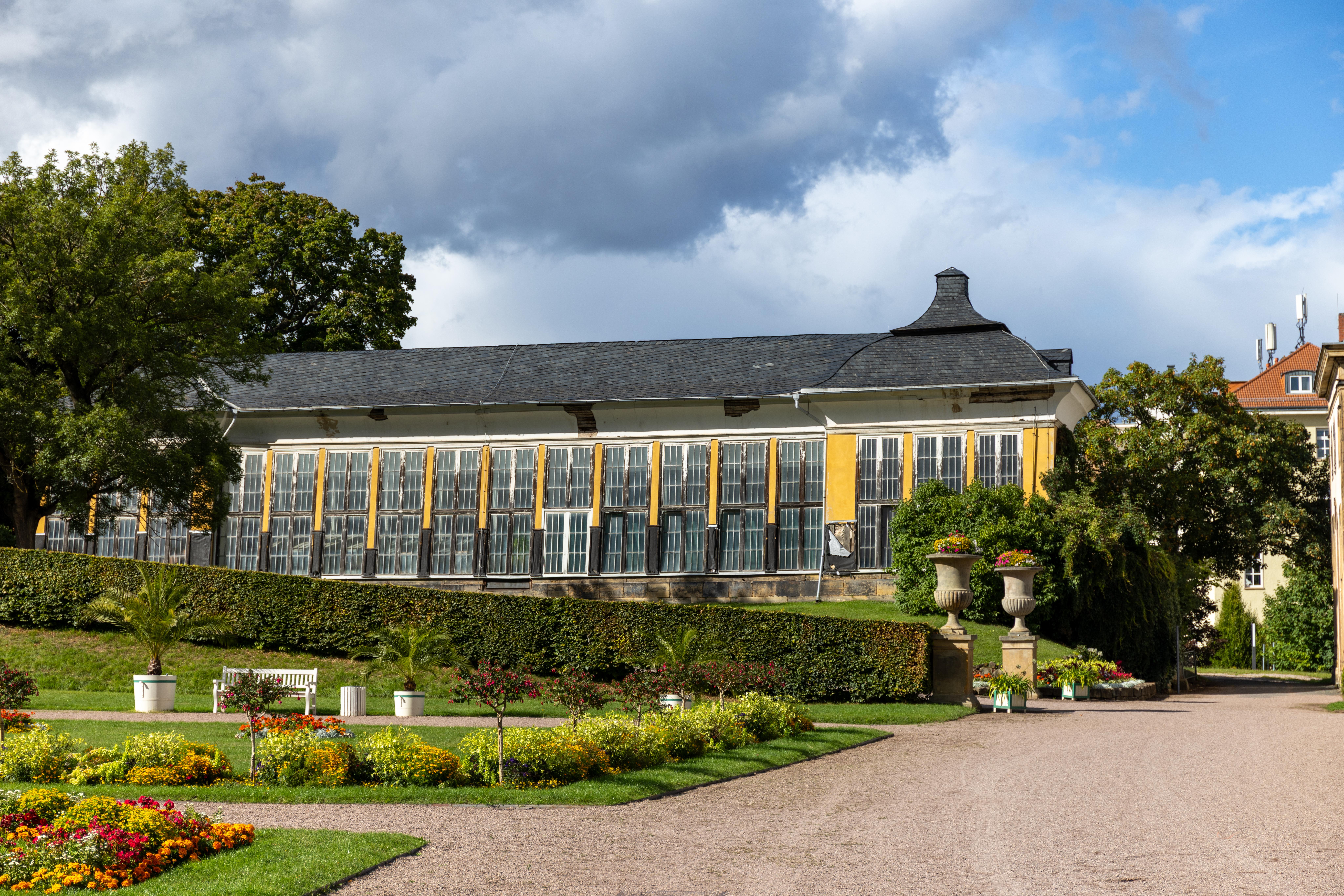
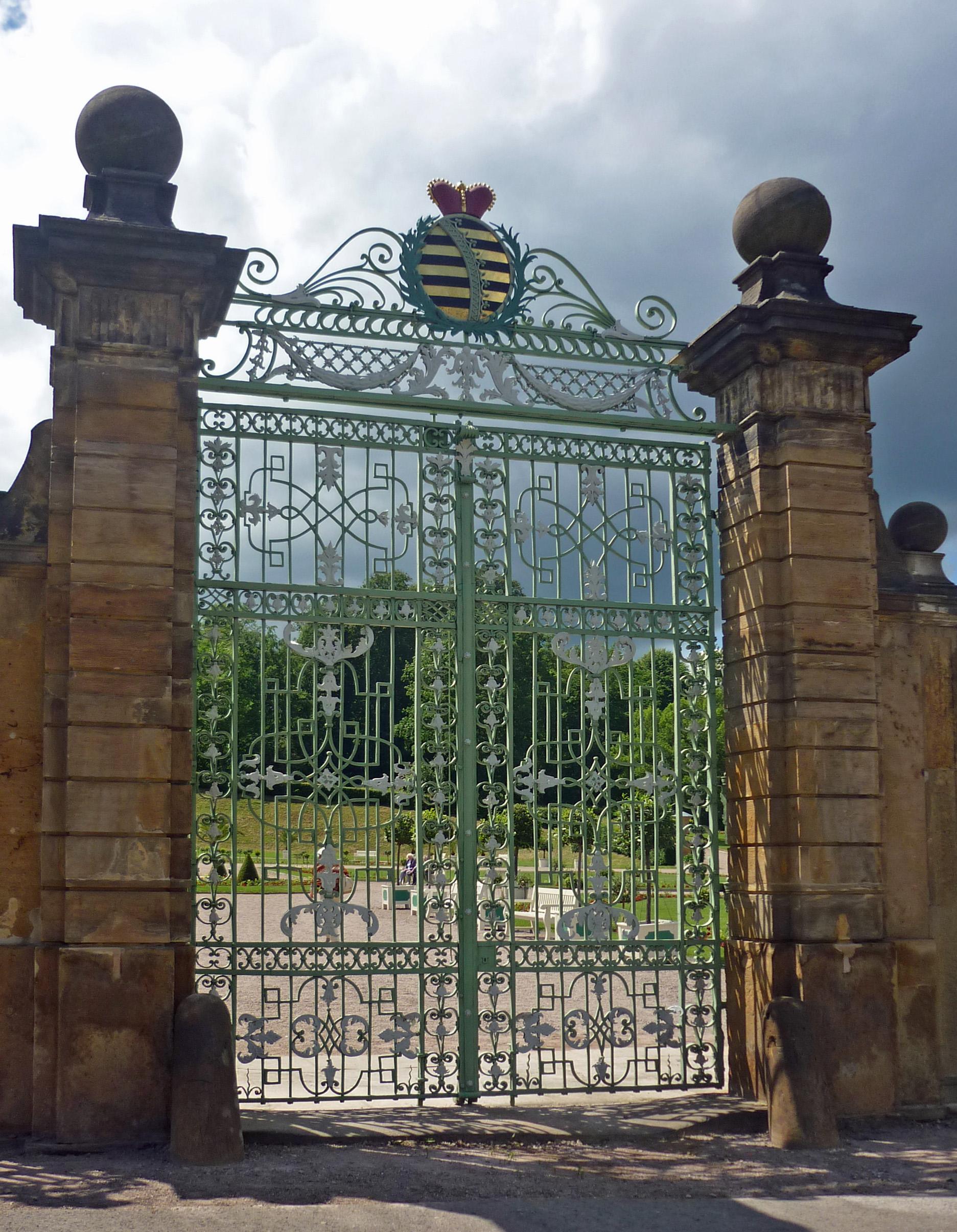
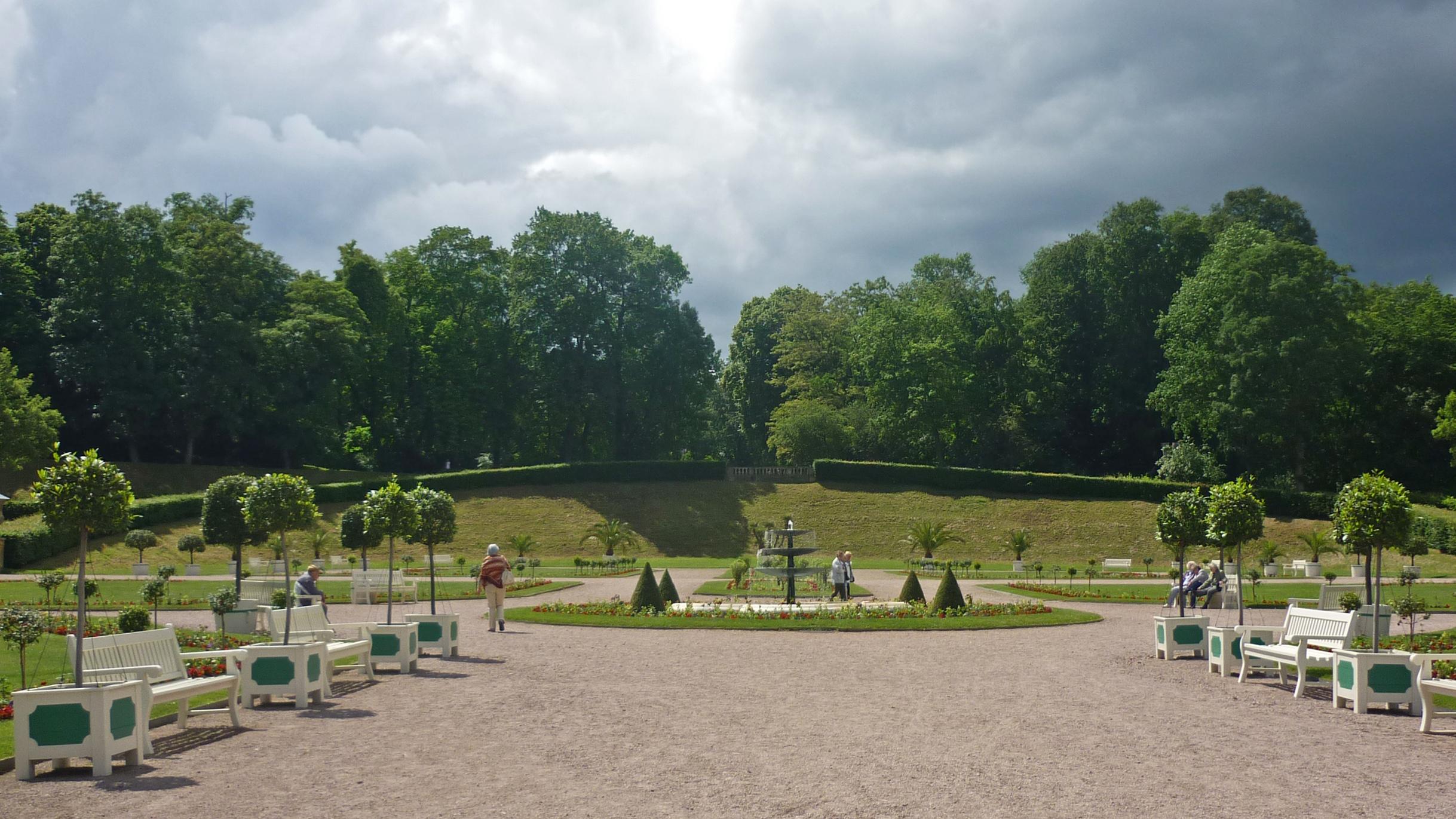
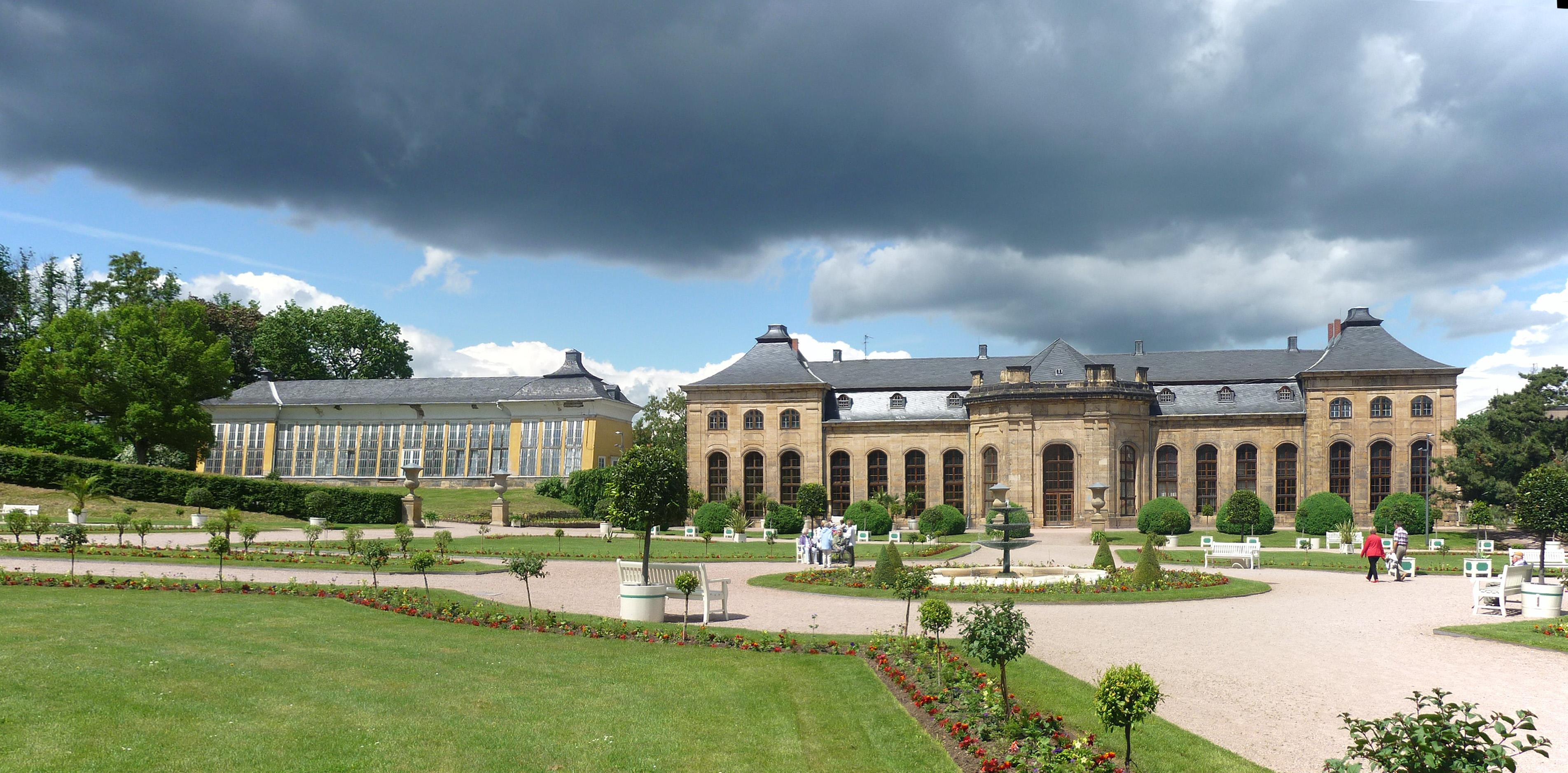
In Germany, Orangerie opens before Friedrichsthal Palace as a baroque garden with symmetrical buildings and broad lawns. The central axis draws your view towards the palace behind it. Open lawns once held orange and laurel trees clipped into spheres and pyramids beside the garden buildings.
Duke Frederick the Third commissioned the complex between 1747 and 1774, following French garden design by Gottfried Heinrich Krohne. Cold houses sheltered orange, lemon, and camellia trees through winter. Gardeners moved the valuable plants indoors whenever frost threatened the collection. The grounds later survived war damage and hosted exhibitions before becoming a café and library.
Restored structures, including the Lorbeerhaus, now shelter rare citrus and camellia plants again within the historic garden. Historic buildings connect the collection’s present use with its earlier purpose as a ducal plant house. Winter turns the Lorbeerhaus into a shelter for plants that once shaped this court.
- City
- Gotha
- Content updated
Take this page with you
The myTuur app is free, and once you are standing at a spot its story starts by itself.


Spots like this one are the stops myTuur strings into tours through Gotha. In the app, each story begins where you stand: walk up to a spot and it starts, read it on screen or listen as you go, then follow the route to the next one.
What is myTuur?
myTuur is a free city-guide app. Its tours are built from spots, and each spot carries a story that starts when you get there, to read or to listen to as you like.