Palm Tree Mosque
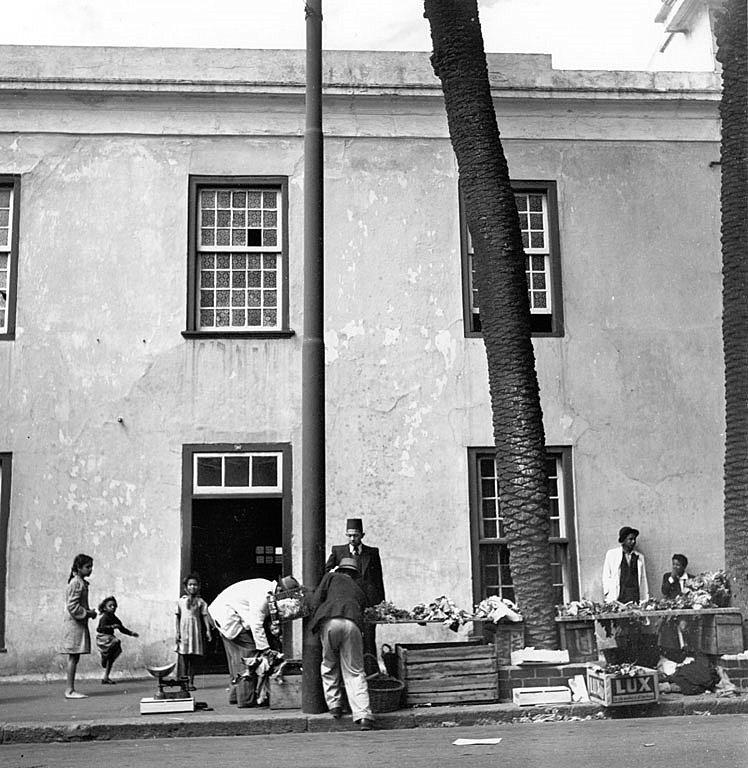
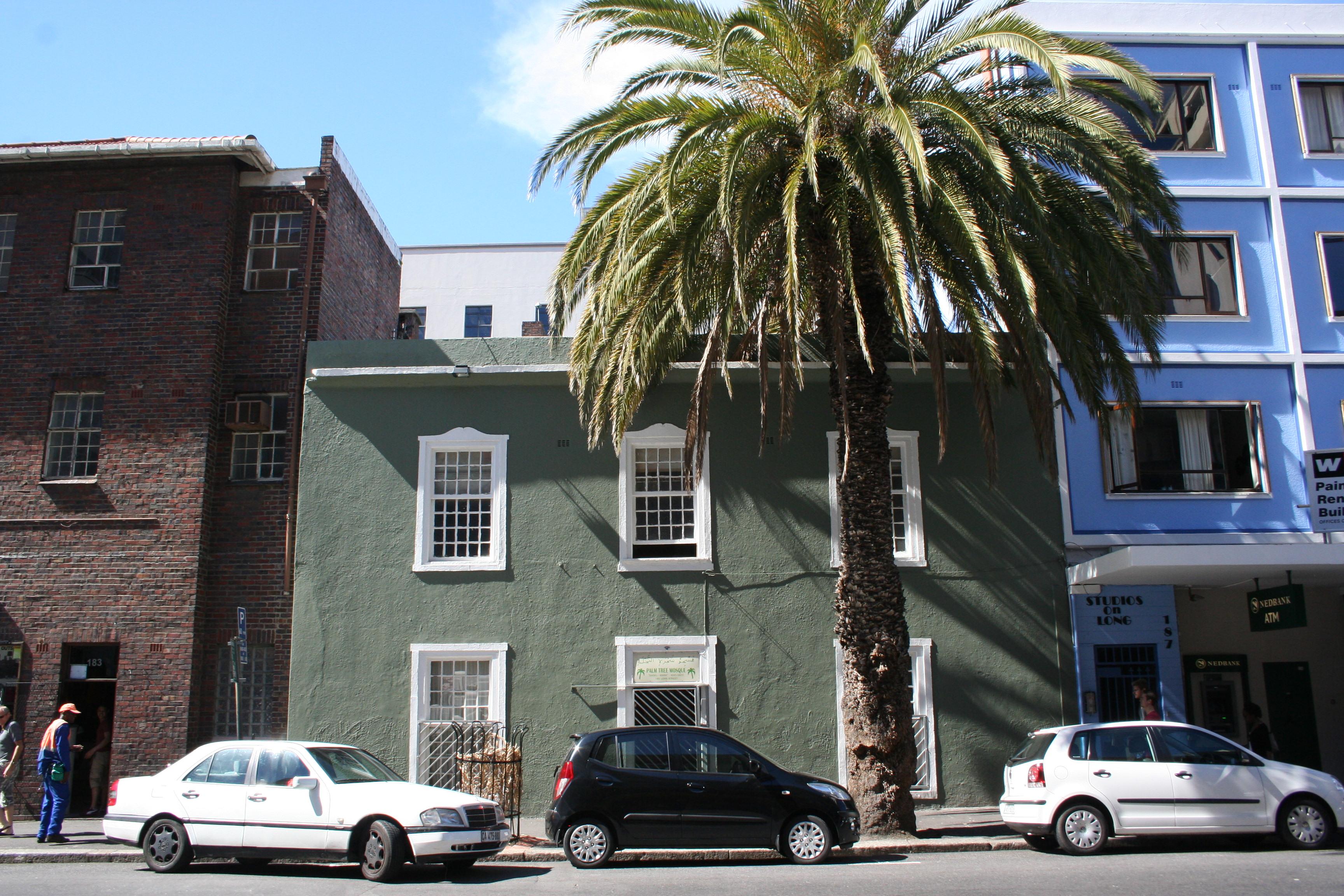
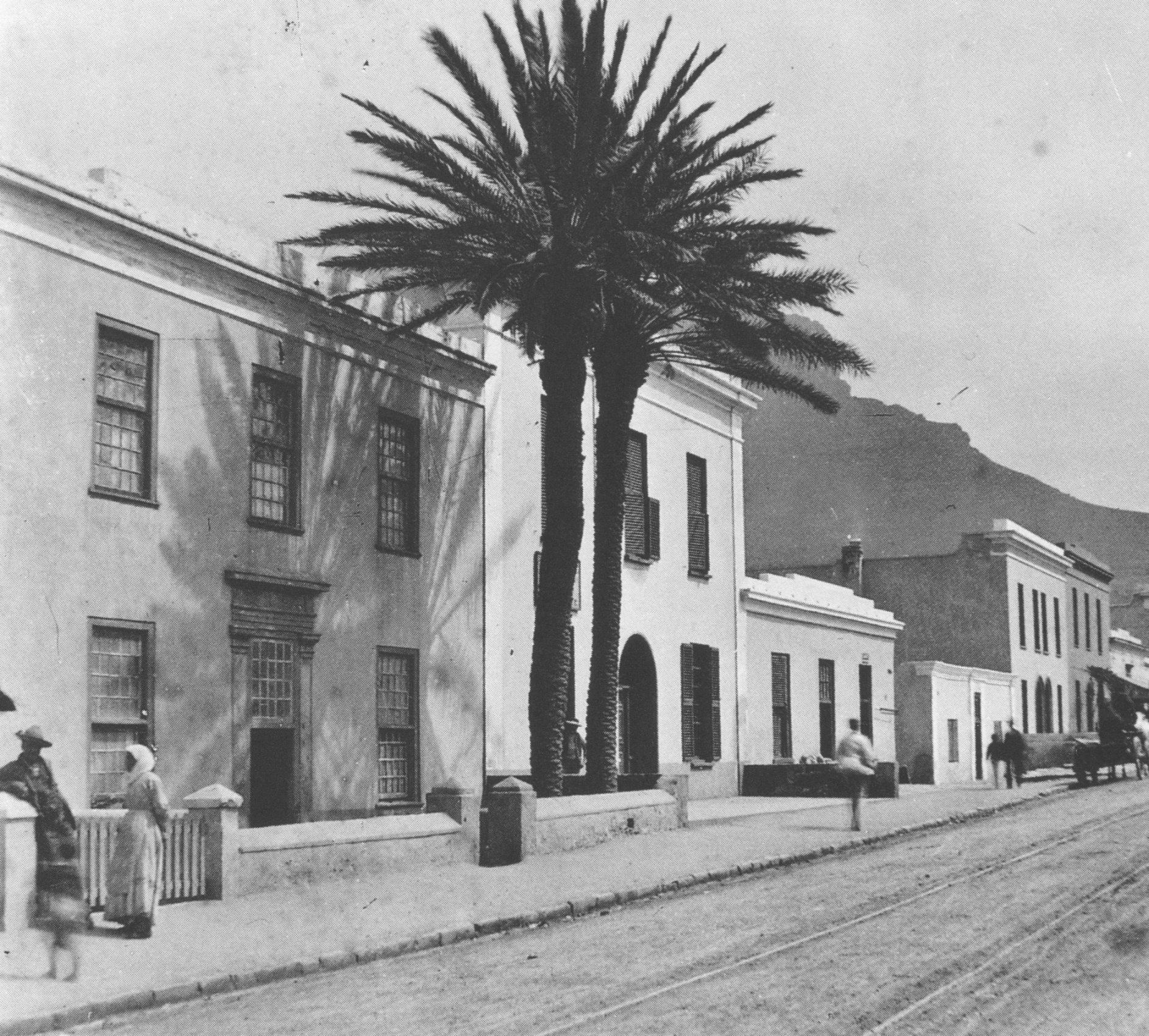
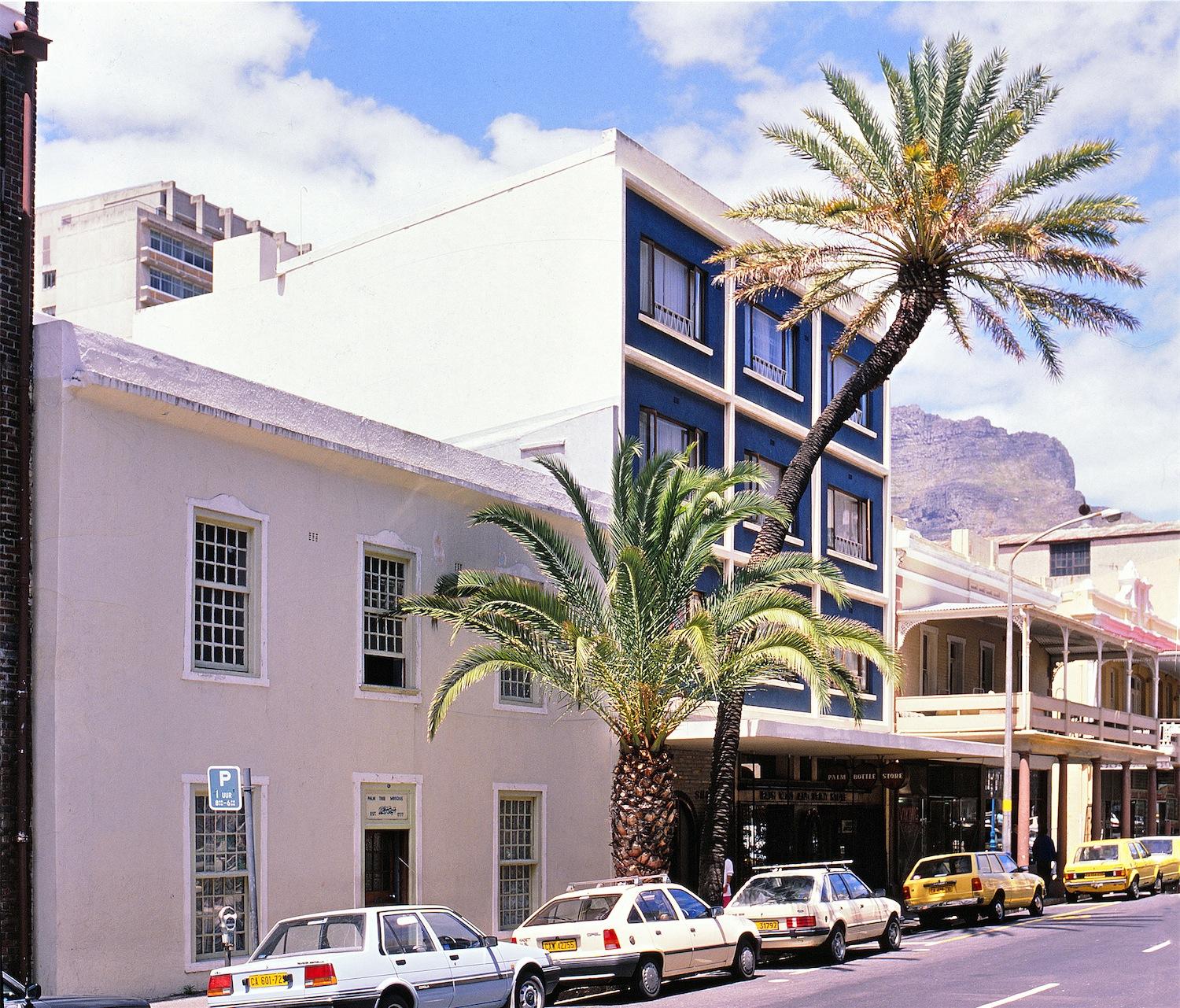
Palm Tree Mosque stands on Long Street in Cape Town, South Africa, as a mosque and architectural landmark. Its Cape Georgian vernacular form values simplicity and function. The building began as a residence and remains Long Street’s oldest substantially unaltered structure. Low sash windows and a shortened door reflect the street’s gradual rise, rather than deliberate design.
Freed slaves Jan van Bougies and Frans van Bengalen bought the property in 1807. Jan van Bougies became its sole owner in 1811. He and Frans, with followers who left Auwal Mosque, established a separate place of worship here. After Jan’s death in 1846, Samida of the Cape inherited the property while its mosque function continued. Builders likely added the second storey between 1811 and 1821.
The mosque is Cape Town’s second oldest, linking Islamic faith with freed slaves’ contributions to city life. A front garden once held two palm trees beside the building. One original palm remains, while another planted in 1965 replaced a tree lost in a storm.
- City
- Cape Town
- Content updated
Take this page with you
The myTuur app is free, and once you are standing at a spot its story starts by itself.


Spots like this one are the stops myTuur strings into tours through Cape Town. In the app, each story begins where you stand: walk up to a spot and it starts, read it on screen or listen as you go, then follow the route to the next one.
What is myTuur?
myTuur is a free city-guide app. Its tours are built from spots, and each spot carries a story that starts when you get there, to read or to listen to as you like.