Can Sala
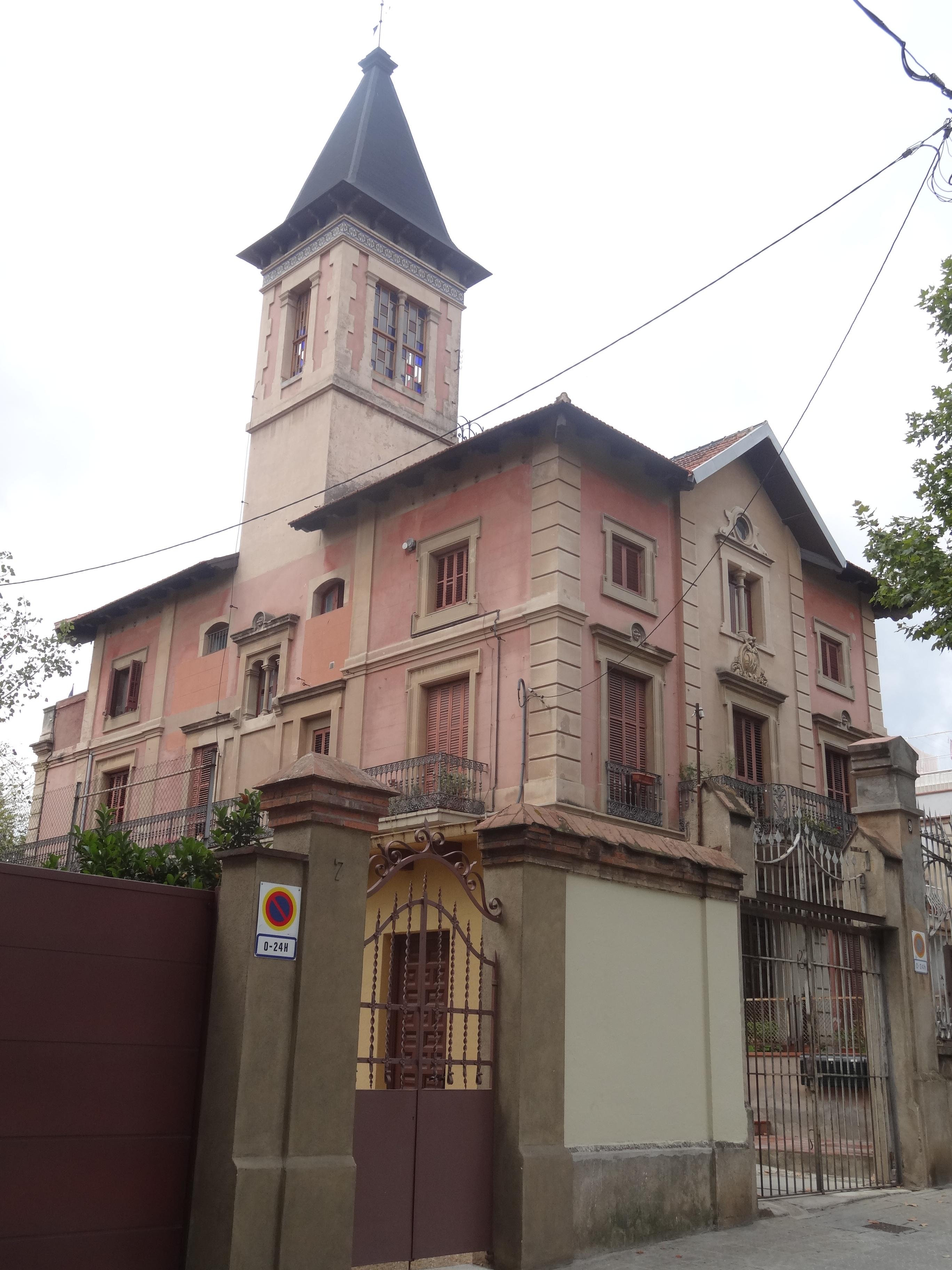
Can Sala stands in Barcelona’s Horta neighbourhood as a historicist summer residence commissioned by Ramon Sala i Brugués. Frederic Farreres built the house there in 1861.
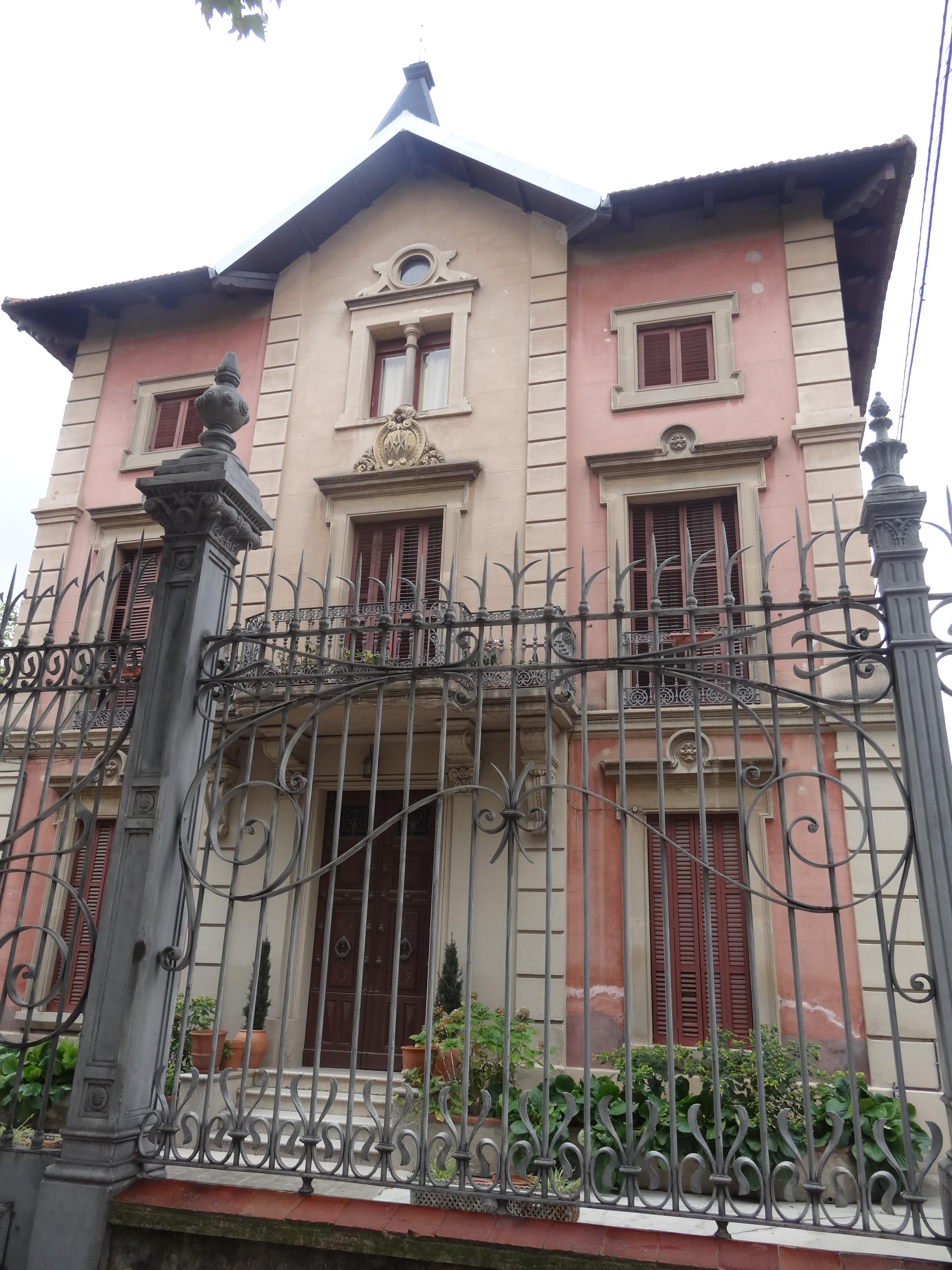
The property began as the first building on a street then known as Rambla de Cortada. Its cubic form includes a tower and upper floors. Decorative details, a strong roof overhang, and the entrance pediment define the building’s historicist character. An iron fence added in 1900 faces the street.
Its former garden contained trees, a fishpond, a waterfall, and a small railway for children. Most of that original garden has since disappeared. In 1919, Josep Masdéu i Puigdemasa expanded the rear façade with a rounded glass gallery. A small chapel honoured the Virgin of Montserrat.
Can Sala later became an academy before the building was divided into private apartments. The house is listed as a category C property with elements of interest. Its changing use connects a shipping family’s summer residence with education and Barcelona’s evolving Horta neighbourhood. The street-facing façade still shows those changes clearly. Can Sala records how a large garden house could shift from private retreat to academy and divided residence.
- City
- Barcelona
- Content updated
Take this page with you
The myTuur app is free, and once you are standing at a spot its story starts by itself.


Spots like this one are the stops myTuur strings into tours through Barcelona. In the app, each story begins where you stand: walk up to a spot and it starts, read it on screen or listen as you go, then follow the route to the next one.
What is myTuur?
myTuur is a free city-guide app. Its tours are built from spots, and each spot carries a story that starts when you get there, to read or to listen to as you like.