Oost-Indisch Huis
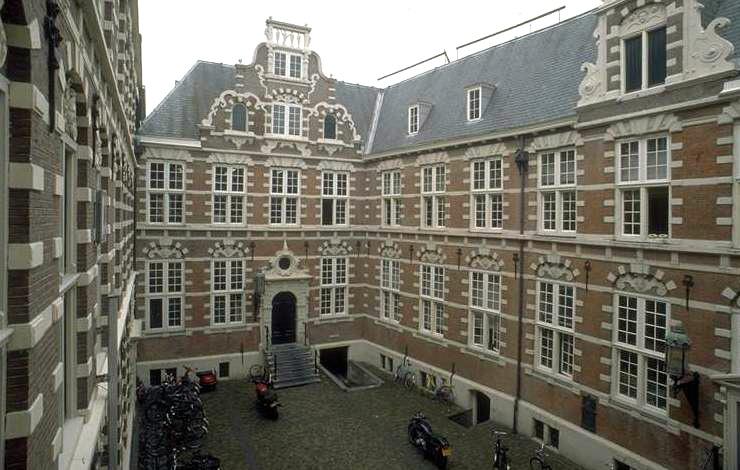
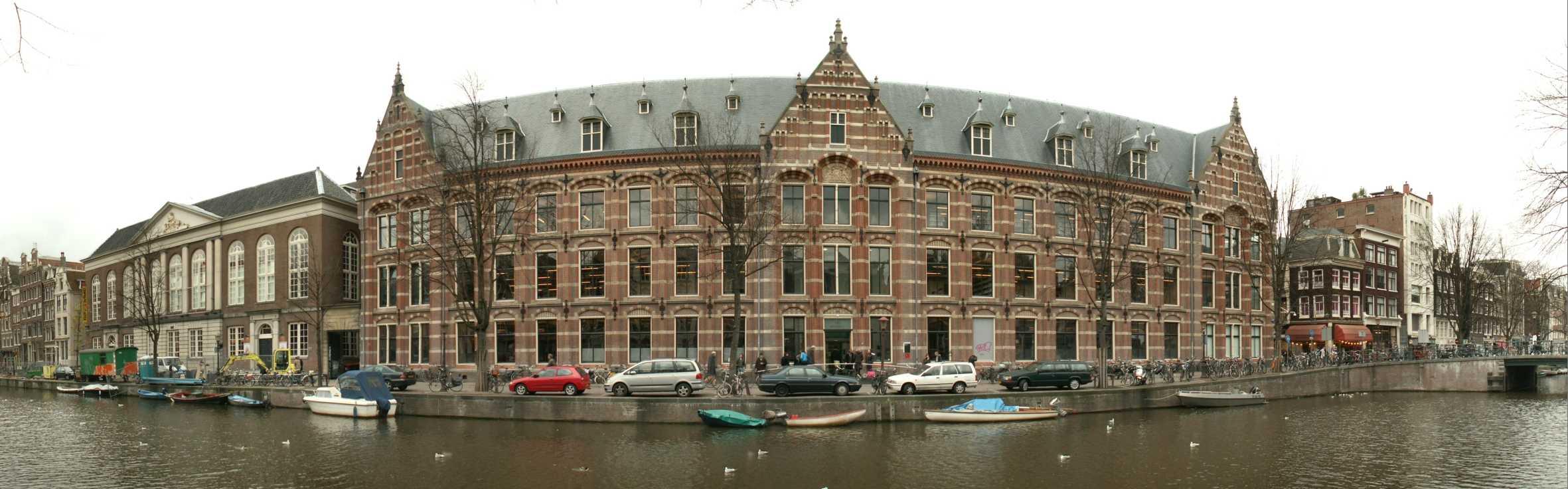
Oost-Indisch Huis stands in Amsterdam as an early seventeenth-century building in the Amsterdam Renaissance style. Built in 1606, it served as headquarters for the Amsterdam chamber of the Dutch East India Company, or VOC. A Tuscan-style gate and small tunnel lead visitors towards an inner courtyard surrounded by elegant façades.
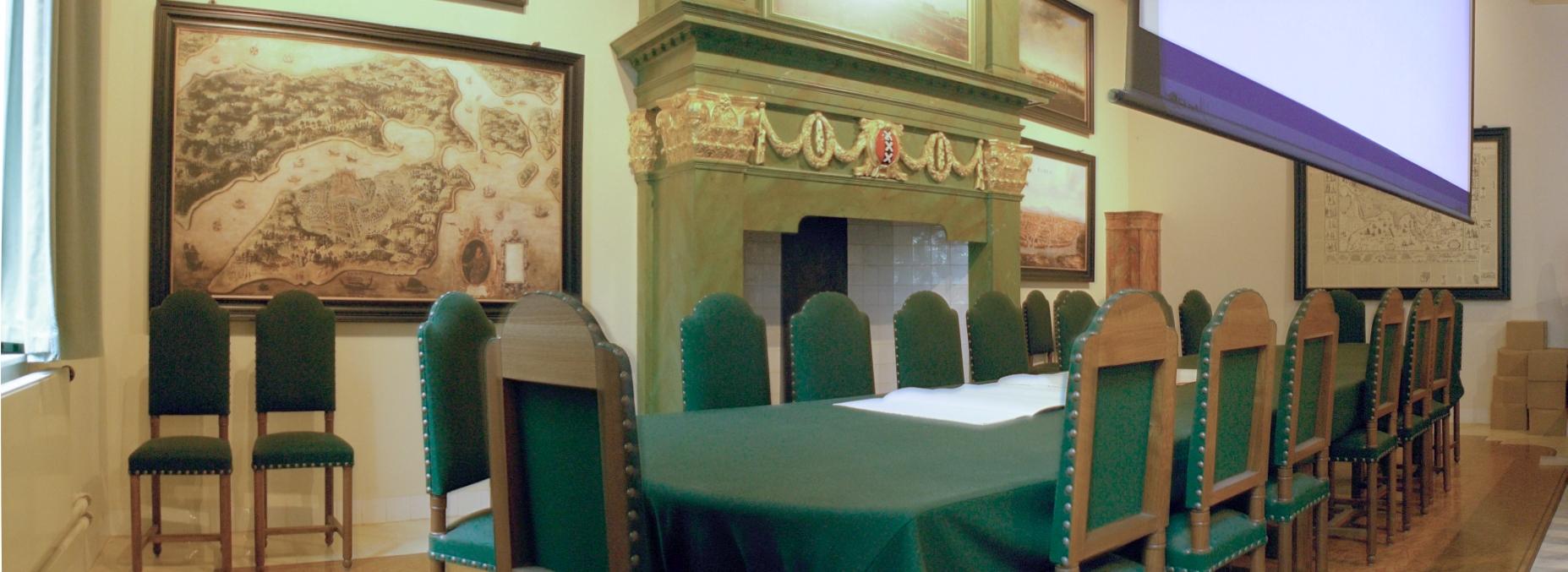
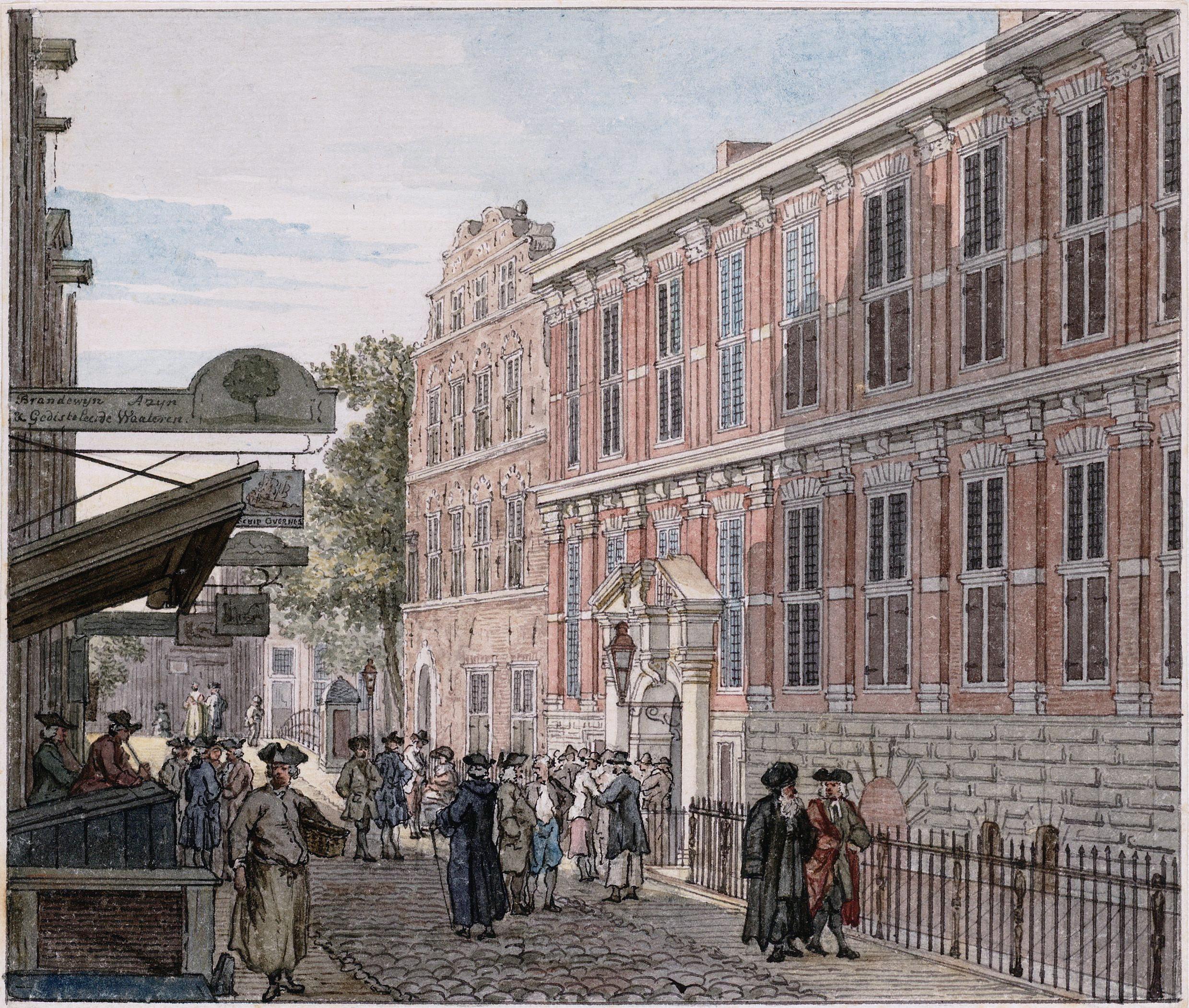
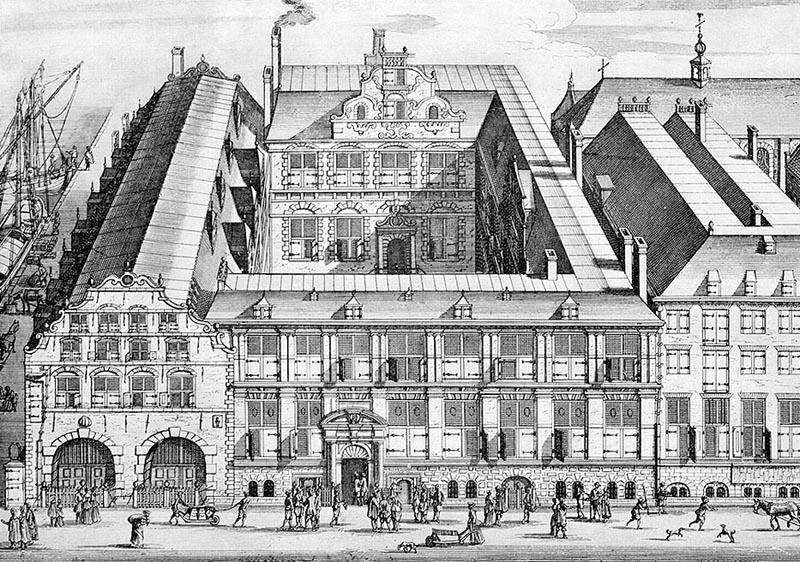
The VOC used the complex as a warehouse, office, administrative centre and auction room. Twenty Amsterdam regents met here, while crews, archives and map collections occupied the building. Western and northern wings extended the complex towards Oude Hoogstraat between 1658 and 1661. After the VOC dissolved in 1798, the building housed the Batavian Republic’s colonial government until 1808. A new eastern wing followed the Bushuis demolition in 1891, and restoration reconstructed the grand meeting room in 1976.
The building also reflects Amsterdam’s global trade, financial power and colonial history. VOC ships connected the city with the Baltic, Africa, North America and Asia, carrying spices, silk and herbs. Those networks involved slavery and environmental destruction, leaving the courtyard and meeting rooms with a complicated history. Today, part of the University of Amsterdam’s Faculty of Humanities works inside this Dutch national heritage site.
- City
- Amsterdam
- Content updated
Take this page with you
The myTuur app is free, and once you are standing at a spot its story starts by itself.


Spots like this one are the stops myTuur strings into tours through Amsterdam. In the app, each story begins where you stand: walk up to a spot and it starts, read it on screen or listen as you go, then follow the route to the next one.
What is myTuur?
myTuur is a free city-guide app. Its tours are built from spots, and each spot carries a story that starts when you get there, to read or to listen to as you like.