Eingang zur Maschinenhalle der Zeche Zollern
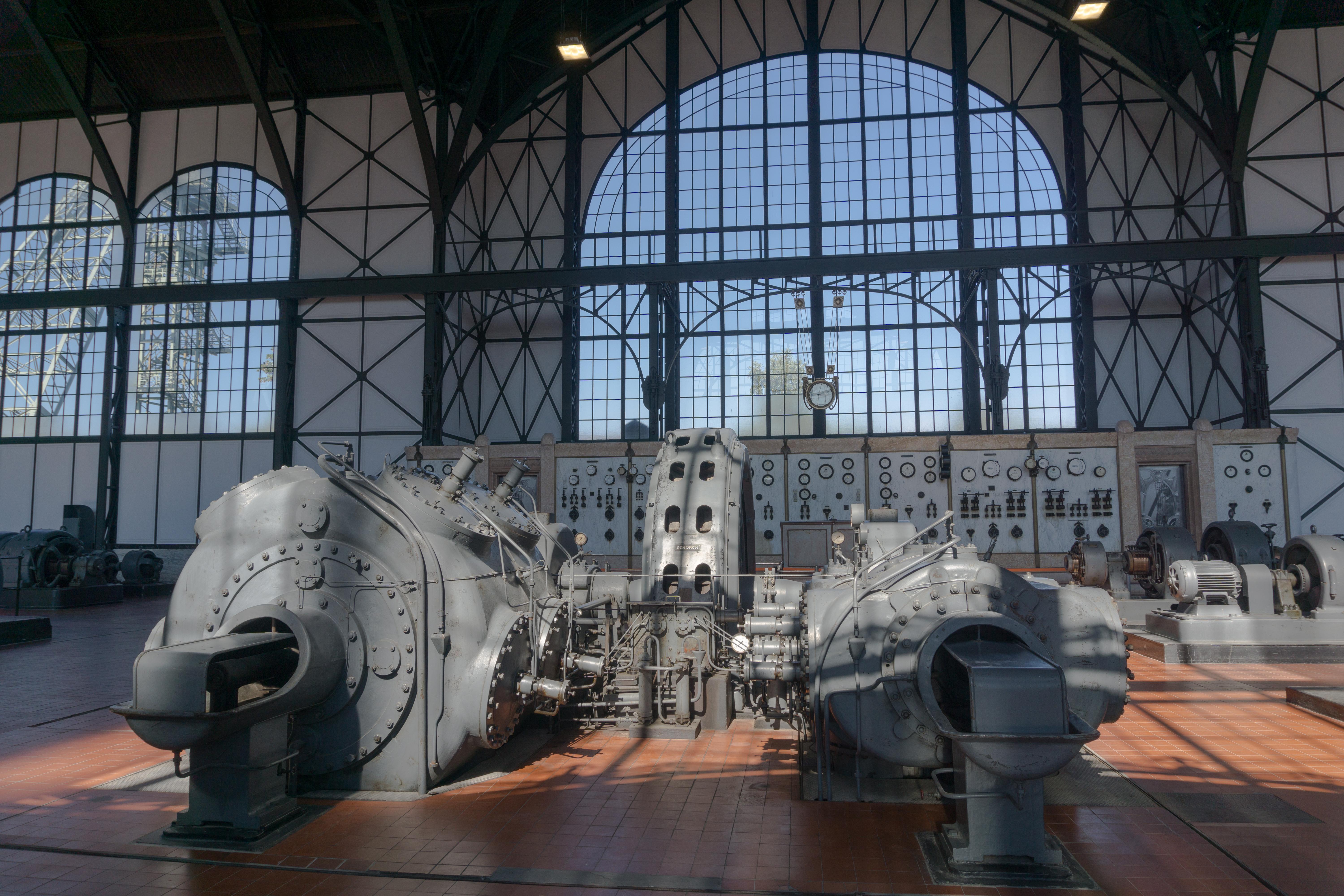
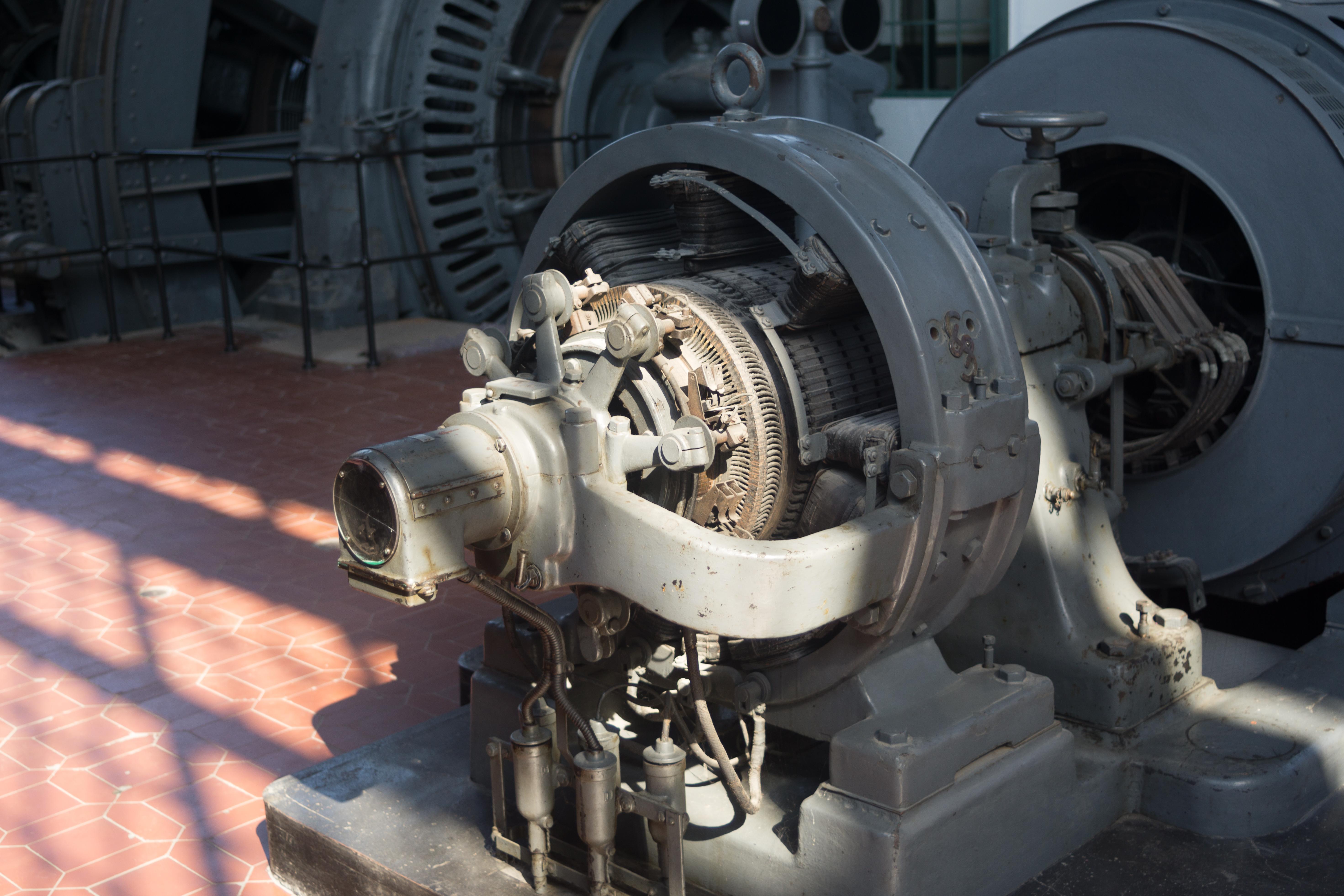
The Eingang zur Maschinenhalle der Zeche Zollern leads into the machine hall of a former coal mine in Dortmund. The architect Bruno Möhring designed it as a notable work of Art Nouveau. Steel and glass carry the structure, and the ornate portal is the part that catches the eye first. The Gelsenkirchener Bergwerks AG opened the mine in 1898 as a model colliery.
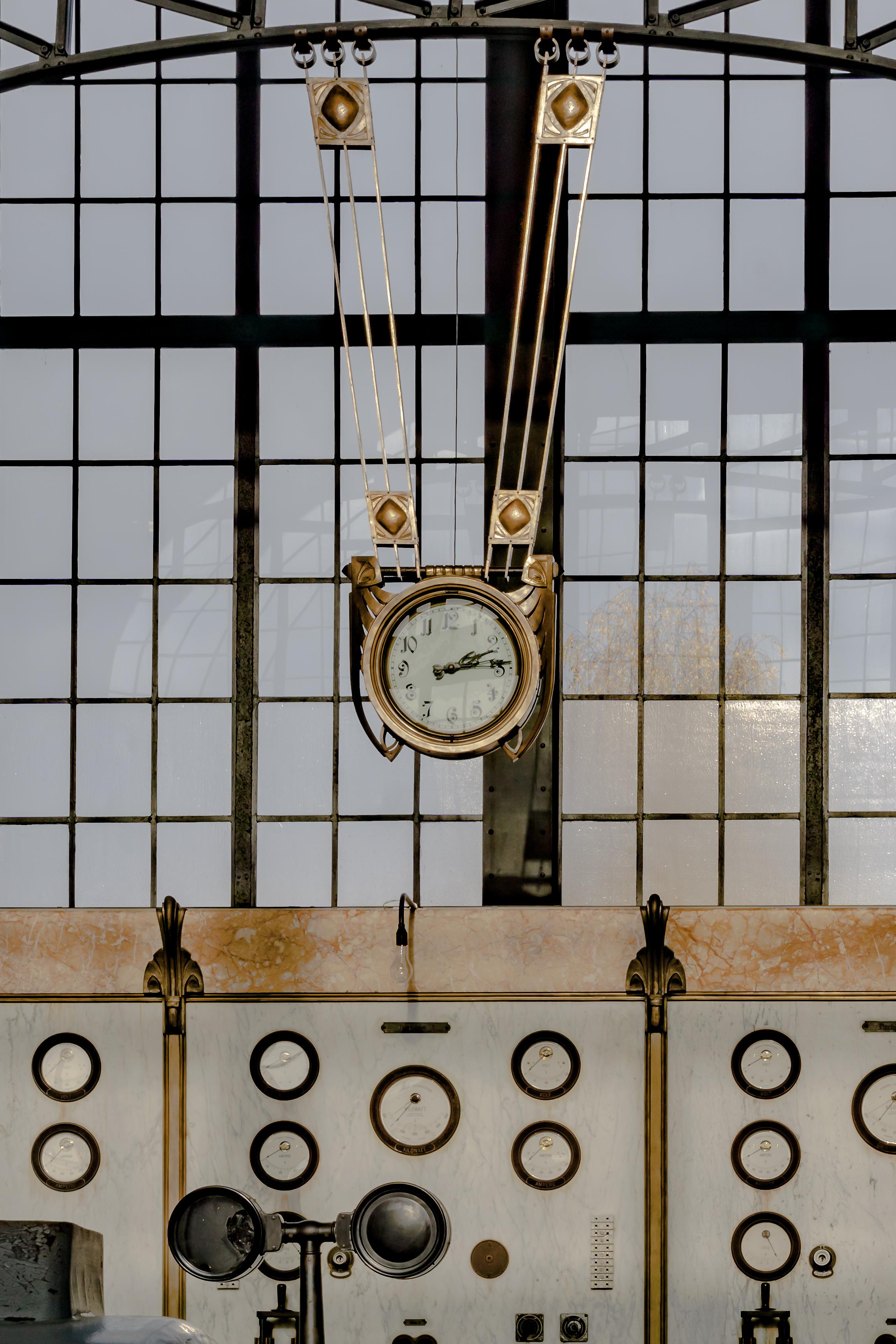
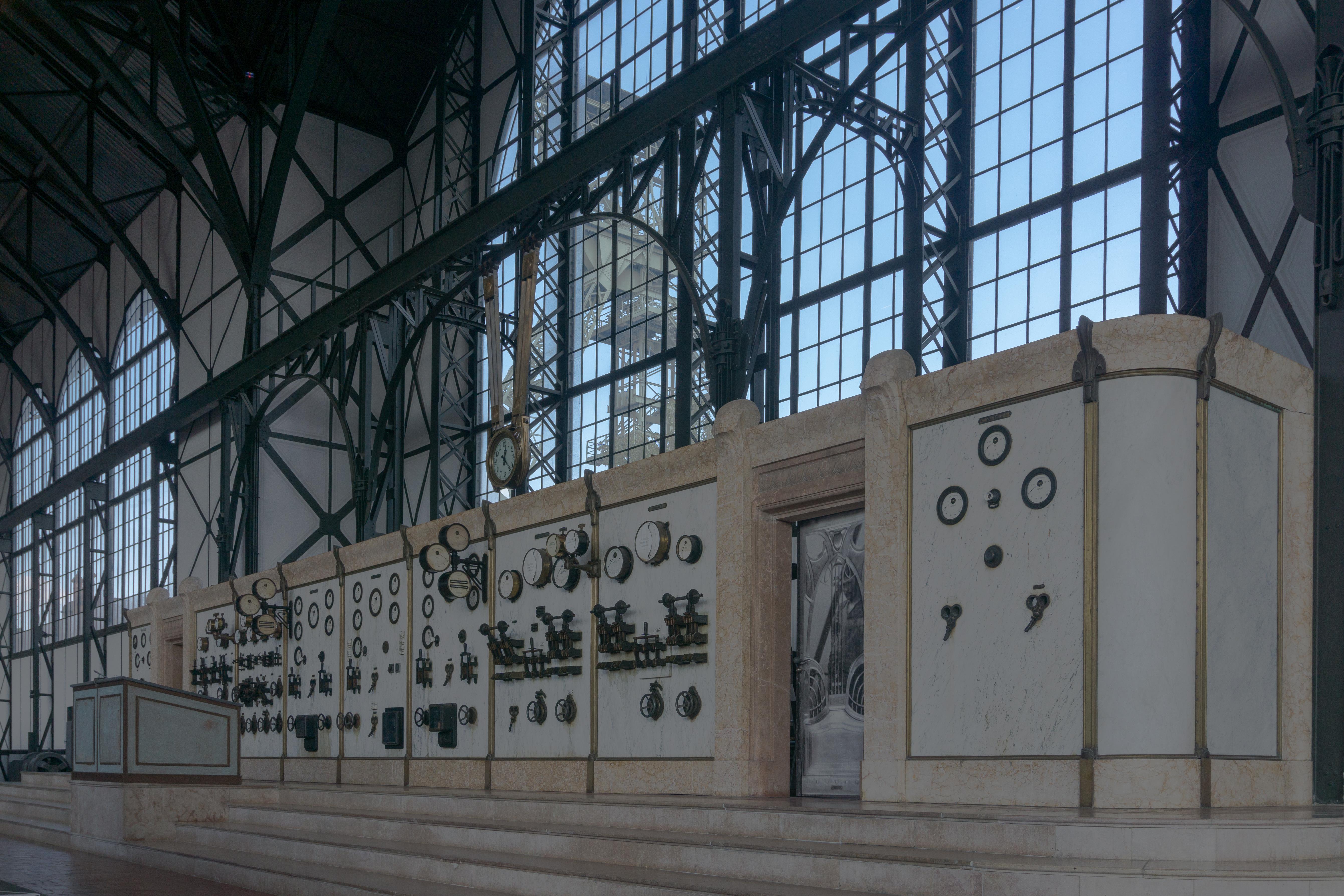
From 1902 the colliery ran as the first fully electrified mine in the Ruhr area. Inside, marble control panels mark the turn from historicism to Art Nouveau. Coal production ended in 1955, and the whole site closed in 1966. The machine hall itself had survived the Second World War without damage. In 1969 it escaped demolition, becoming the first industrial building in Germany to be protected as a historical monument. The site joined the Westphalian Industrial Museum in 1981, with the aim of preserving an authentic ensemble of industrial architecture. An extensive restoration campaign in 2016 repaired the steel and glass structures and the facade.
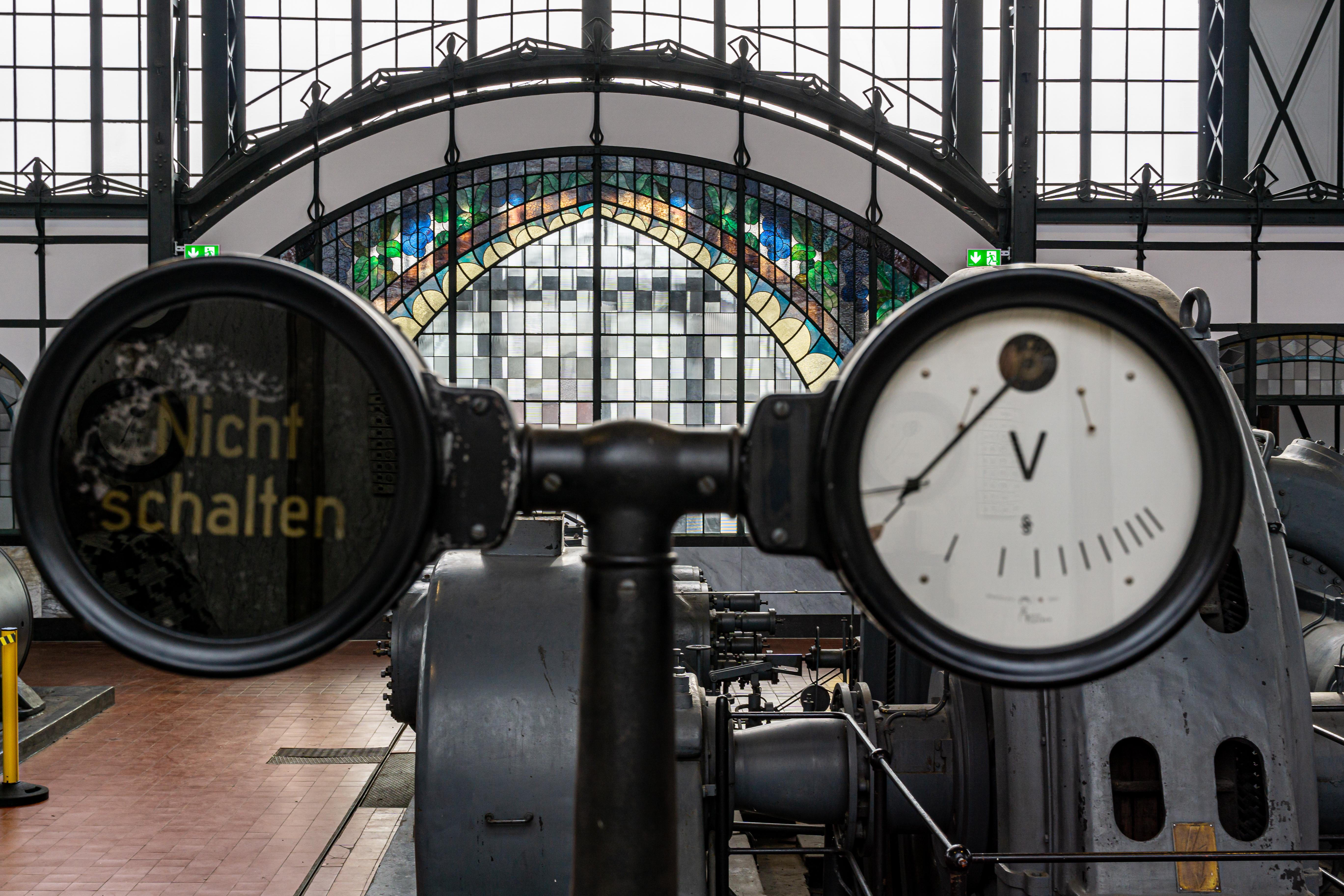
Beyond the entrance, the complex gathers its administration, workshops and horse stable around a courtyard that recalls a noble estate. Exhibitions and events fill the hall, and museum displays follow the daily routines of miners and their families. Look at the portal and you find the colourful glasswork, carefully restored during that campaign. It glows on a building that outlived the mine it served.
- City
- Dortmund
- Content updated
Take this page with you
The myTuur app is free, and once you are standing at a spot its story starts by itself.


Spots like this one are the stops myTuur strings into tours through Dortmund. In the app, each story begins where you stand: walk up to a spot and it starts, read it on screen or listen as you go, then follow the route to the next one.
What is myTuur?
myTuur is a free city-guide app. Its tours are built from spots, and each spot carries a story that starts when you get there, to read or to listen to as you like.