Gemaal Stadwijck
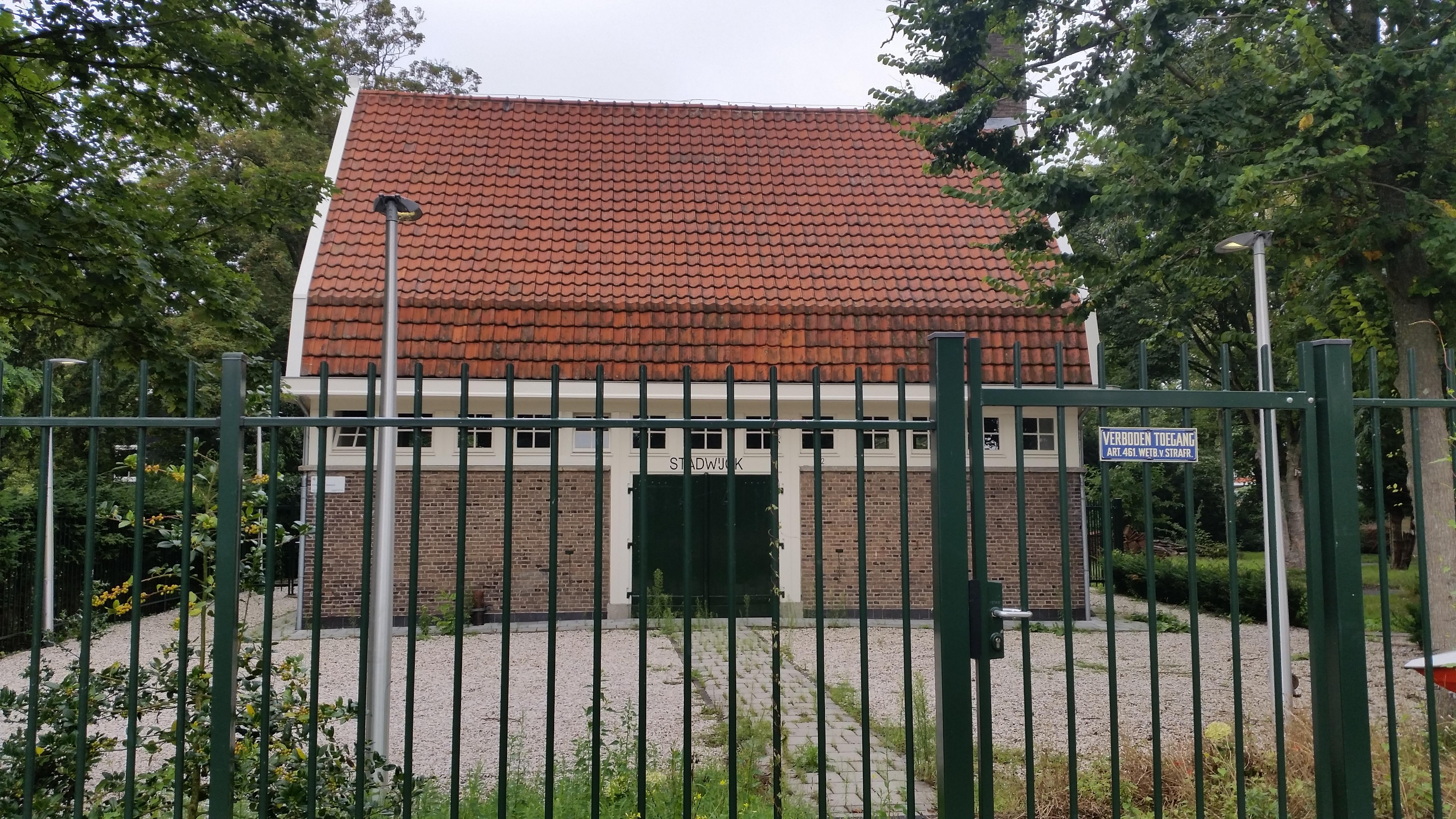
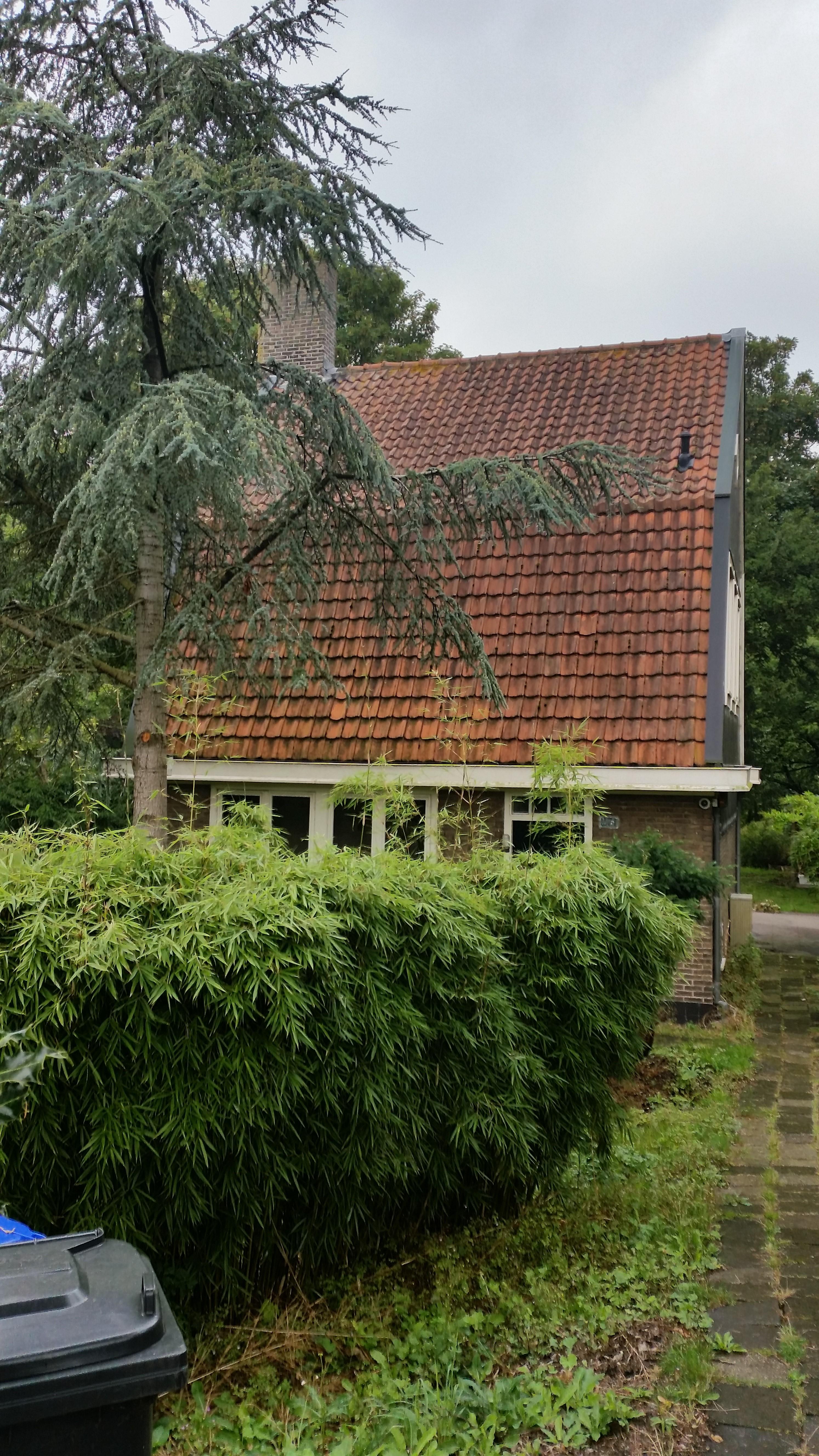
Gemaal Stadwijck stands in Amsterdam beside the Amstel, where a brick pumping station manages the low-lying Binnendijkse Buitenvelderse polder. Its Amsterdam School architecture shows expressive brickwork, rounded corners, and distinctive windows and roofs. A machinist’s house stands alongside the station, forming a preserved ensemble with the nearby Zorgvliedsluice and sluice keeper’s house.
A.J. Westerman designed the pumping station for Amsterdam’s Public Works Department, and construction finished in 1921. It replaced a steam-powered station removed during the sand raising of the Rivierenbuurt. Three scoop-wheel windmills once drained this polder, which dates back to around 1630 and originally supported pasture and food production. Today, two electric centrifugal pumps lift excess water from land about two metres below sea level into the Amstel. Together, they can move up to 126 cubic metres of water each minute. The Zorgvliedsluice refreshes polder water through pointed doors, though boats no longer pass through it.
Municipal monument protection covers the pumping station and machinist’s house, while renovation preserved the complex in 2016. The clearest detail is the water level difference: the pumps raise water roughly 1.6 metres before releasing it into the river.
- City
- Amsterdam
- Content updated
Take this page with you
The myTuur app is free, and once you are standing at a spot its story starts by itself.


Spots like this one are the stops myTuur strings into tours through Amsterdam. In the app, each story begins where you stand: walk up to a spot and it starts, read it on screen or listen as you go, then follow the route to the next one.
What is myTuur?
myTuur is a free city-guide app. Its tours are built from spots, and each spot carries a story that starts when you get there, to read or to listen to as you like.