Geymüllerschlössel
In the Vienna district of Pötzleinsdorf stands the Geymüllerschlössel, a small palace where Gothic forms meet echoes of Indian and Arab architecture. Johann Jakob Geymüller, a Viennese merchant and banker, had it built shortly after 1808 as a summer retreat. The mixture was typical of the era's pleasure palaces, but the architect's name remains unknown.
Inside, the rooms hold original Empire and Biedermeier furniture from between roughly 1800 and 1840. Nowhere else in Austria can you see the diversity of Biedermeier decorative art preserved so authentically. The estate changed hands more than once, and the textile industrialist Isidor Mautner bought it in 1888. After the 1938 annexation, his Jewish heirs had to flee, and the mortgage passed to Germany's Reichsbank. When the war ended, the property returned to the Austrian National Bank. In 1948 the Republic of Austria acquired it with funds from Franz Sobek. Sobek gained the lifelong right to live there and oversaw the renovation. In 1965 the Republic bought him out, and the palace became a branch of the Museum of Applied Arts, the MAK. The MAK also took over Sobek's collection of about 160 Viennese clocks, mostly from the eighteenth and nineteenth centuries. Restoration in the late 1980s returned the façade and paintwork to their original state, with special attention to textiles and upholstery.
Outside, the park brings contemporary art into the historical setting. Hubert Schmalix's sculpture has been there since 1996, and James Turrell added a Skyspace in 2004. Contemporary designers such as Michael Anastassiades and Studio Formafantasma have exhibited in the historic rooms. Since 2022, exhibitions have also explored fashion, with accessories and jewellery from the MAK collection. A documentation room set up in 2021 holds texts and images that experts spent a year assembling from archives. They trace the building's ownership and the fate of its former owners.
- City
- Vienna
- Content updated
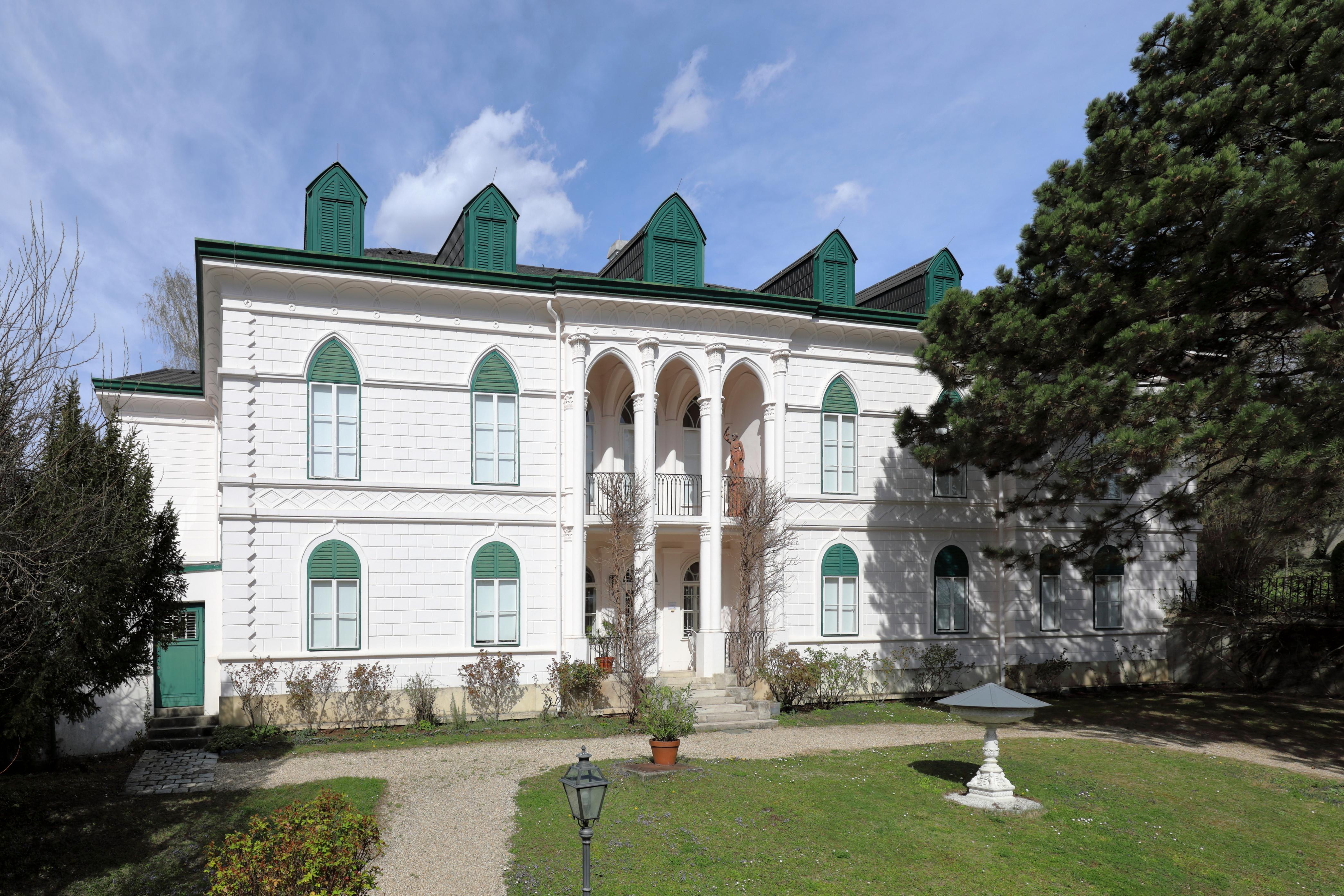
Image: C.Stadler/BwagCC BY-SA 4.0 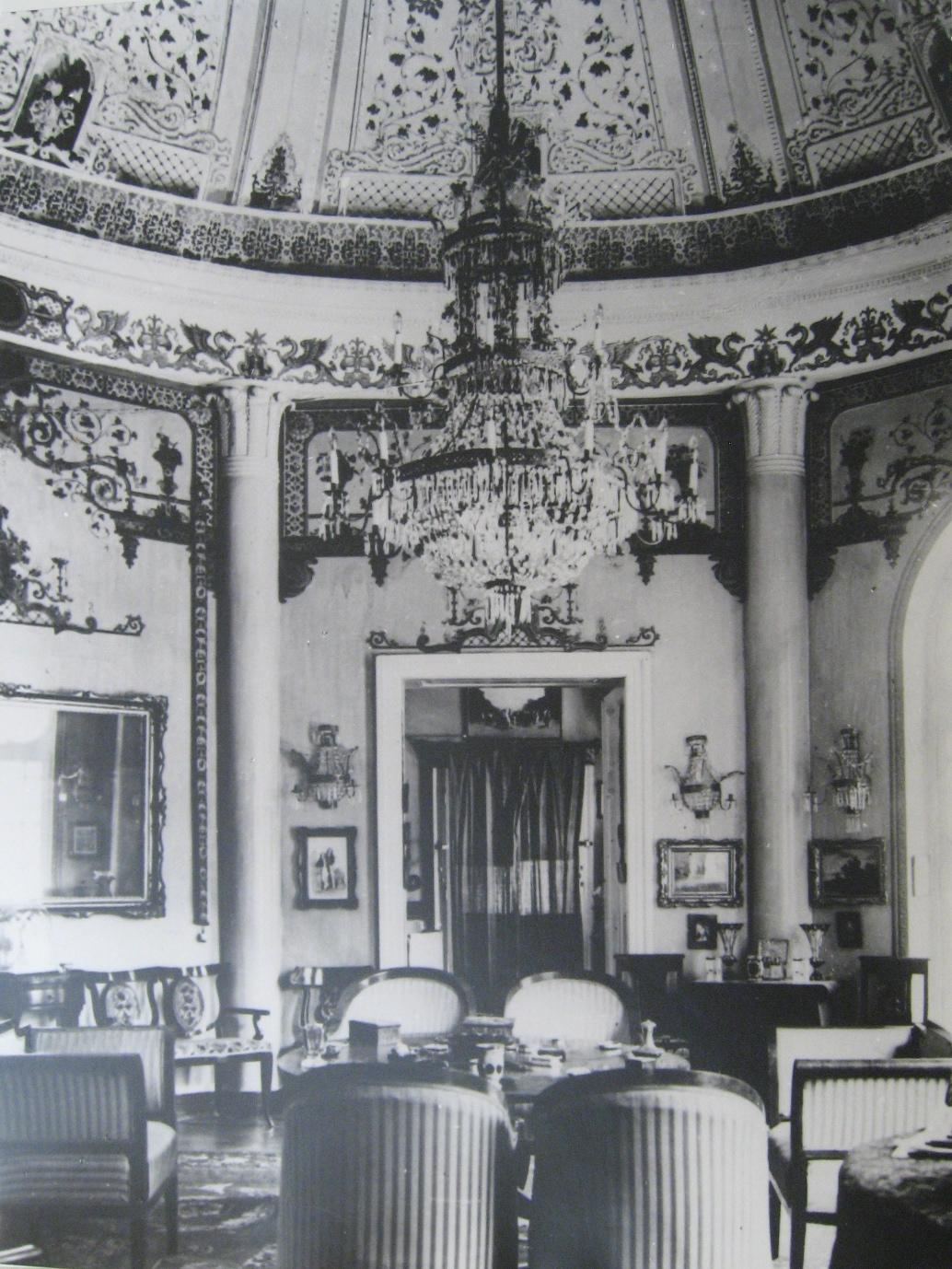
Image: unknownPublic domain
Take this page with you
The myTuur app is free, and once you are standing at a spot its story starts by itself.


Spots like this one are the stops myTuur strings into tours through Vienna. In the app, each story begins where you stand: walk up to a spot and it starts, read it on screen or listen as you go, then follow the route to the next one.
What is myTuur?
myTuur is a free city-guide app. Its tours are built from spots, and each spot carries a story that starts when you get there, to read or to listen to as you like.