Roman Forum
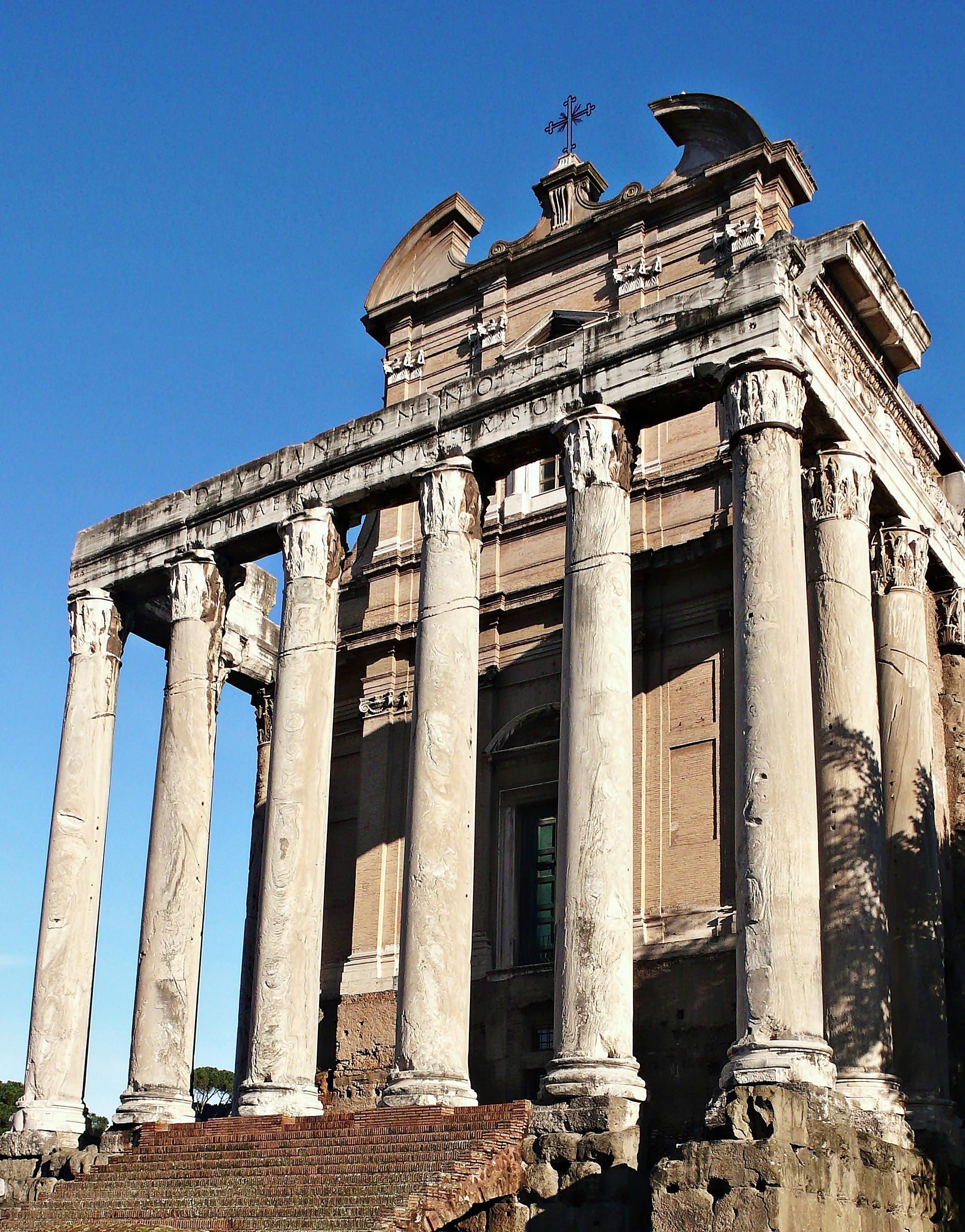
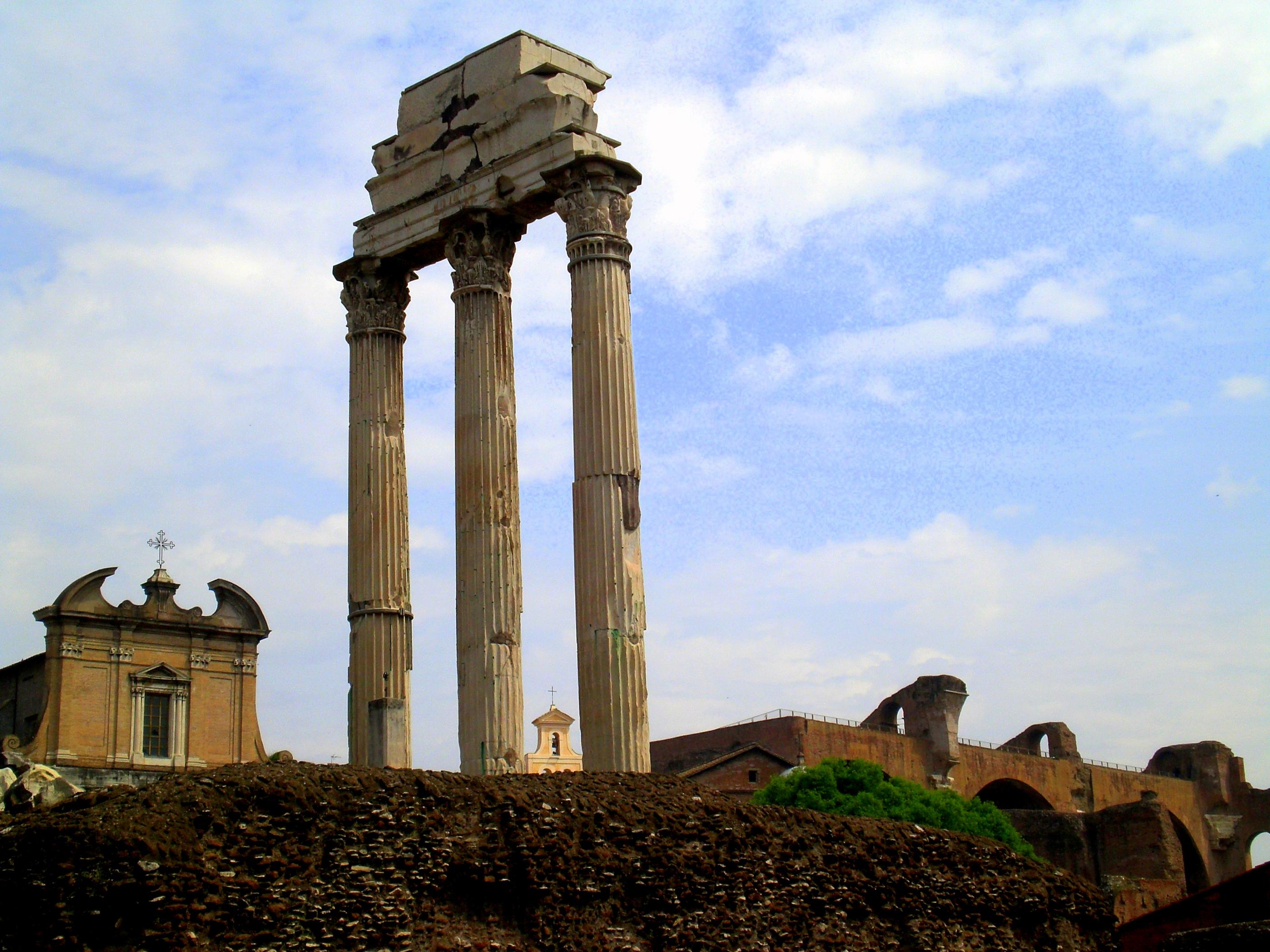
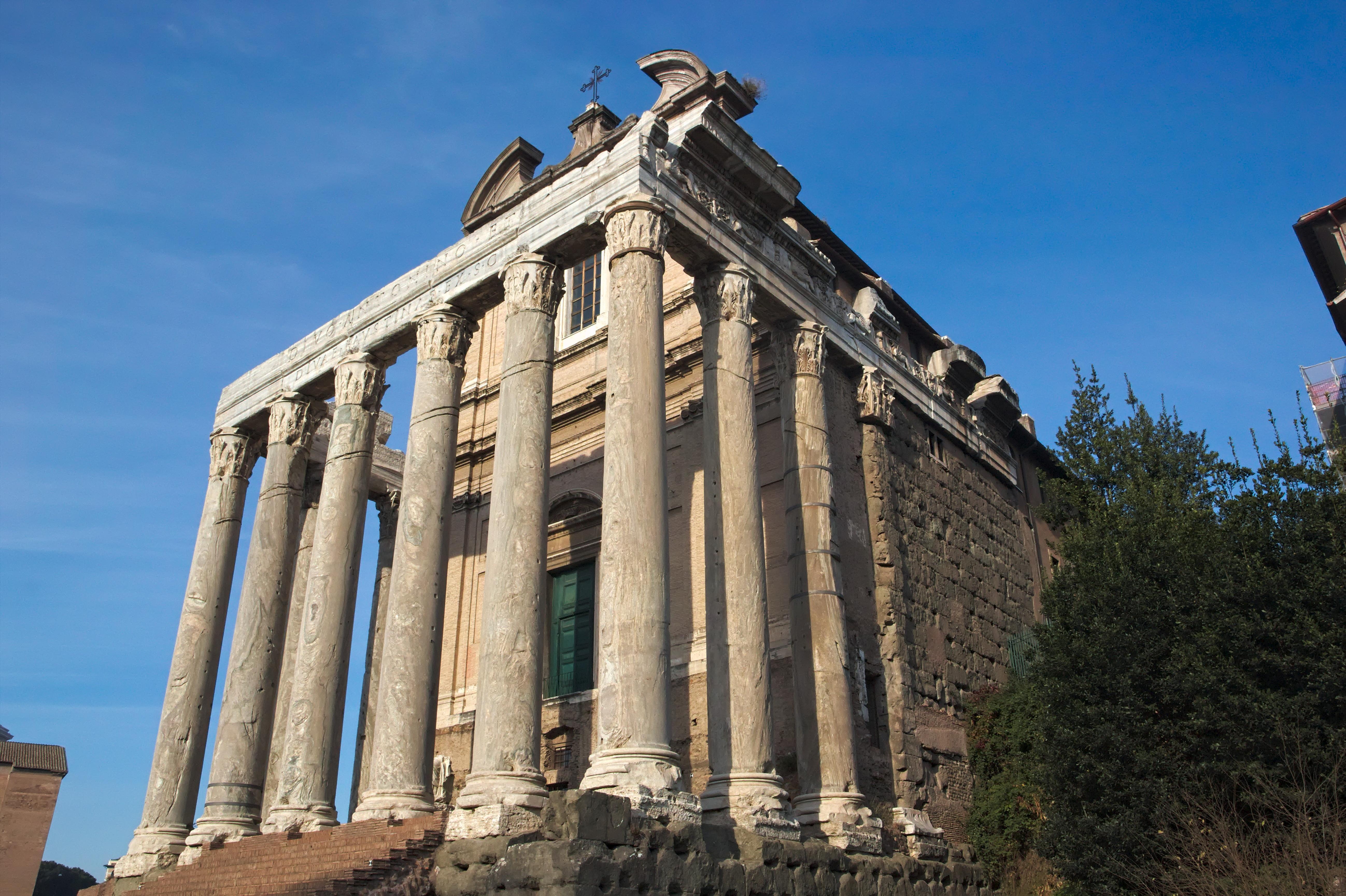
The Roman Forum occupies a valley between the Capitoline and Palatine hills, where ancient Rome concentrated public life. Temples, basilicas, arches, and public spaces filled this ground.
Its earliest setting held water, then drainage and repeated paving created archaeological layers beneath the open landscape. The Roman Forum began as a public market. Elections, political speeches, court hearings, religious ceremonies, and Senate business later shaped the site’s civic role.
The Temple of Vesta stood near the Regia. The Vestal Virgins tended Vesta’s sacred fire nearby. The Comitium occupied the north-western area, while the Via Sacra carried triumphal processions towards the Capitoline. The Curia Julia linked the Forum with Senate affairs.
Basilicas Aemilia and Julia bordered the space, while the Basilica of Maxentius marked a later imperial expansion. Columns, foundations, paving, temple fragments, and arches remain visible. These remains show how political, religious, commercial, and judicial activities accumulated across centuries of changing Roman urban life.
Repeated paving left older ground beneath newer surfaces, preserving layers from different phases of the city. The Via Sacra gives the ruins their clearest route through time.
- City
- Rome
- Content updated
Take this page with you
The myTuur app is free, and once you are standing at a spot its story starts by itself.


Spots like this one are the stops myTuur strings into tours through Rome. In the app, each story begins where you stand: walk up to a spot and it starts, read it on screen or listen as you go, then follow the route to the next one.
What is myTuur?
myTuur is a free city-guide app. Its tours are built from spots, and each spot carries a story that starts when you get there, to read or to listen to as you like.