Mineralogisches Museum
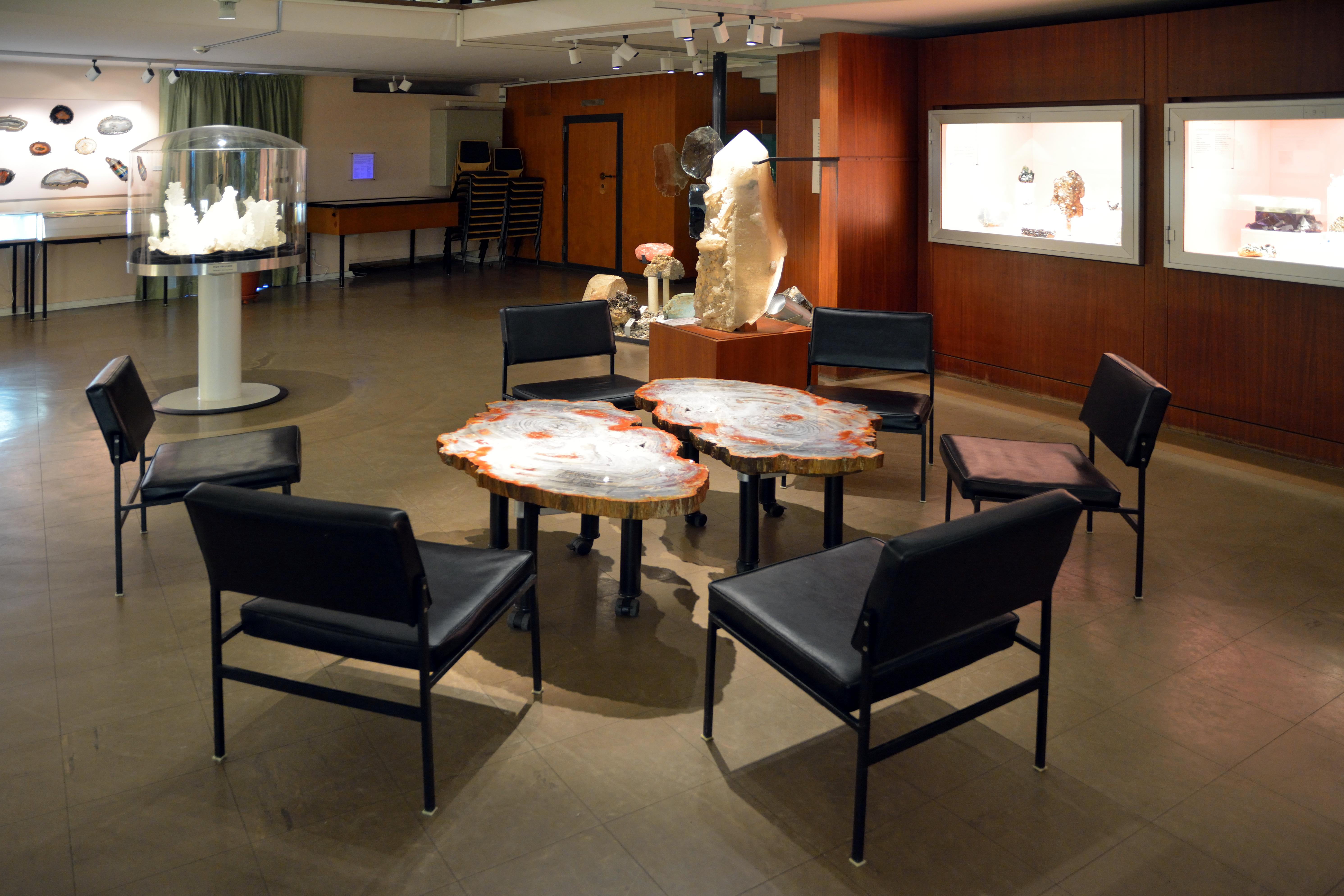
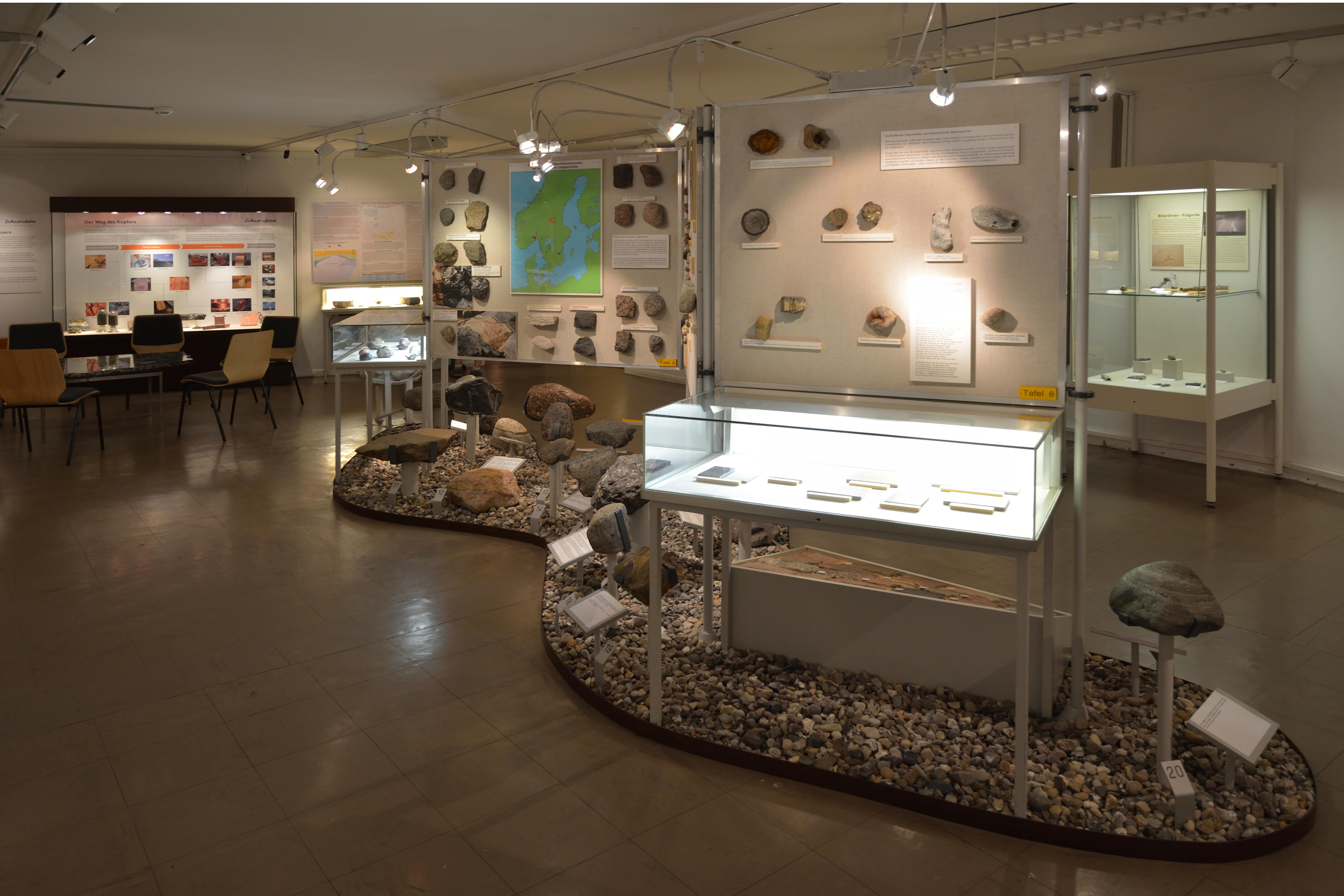
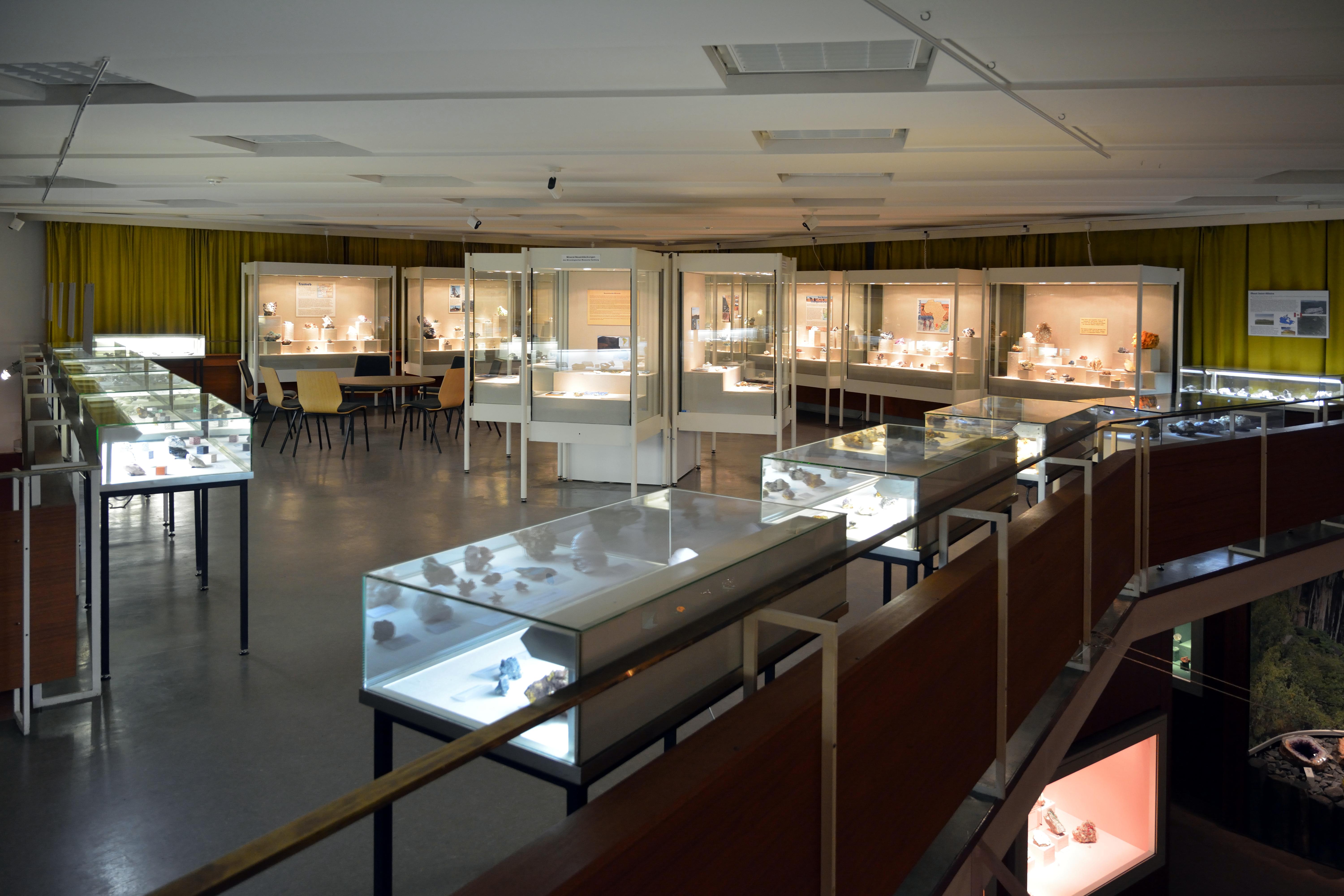
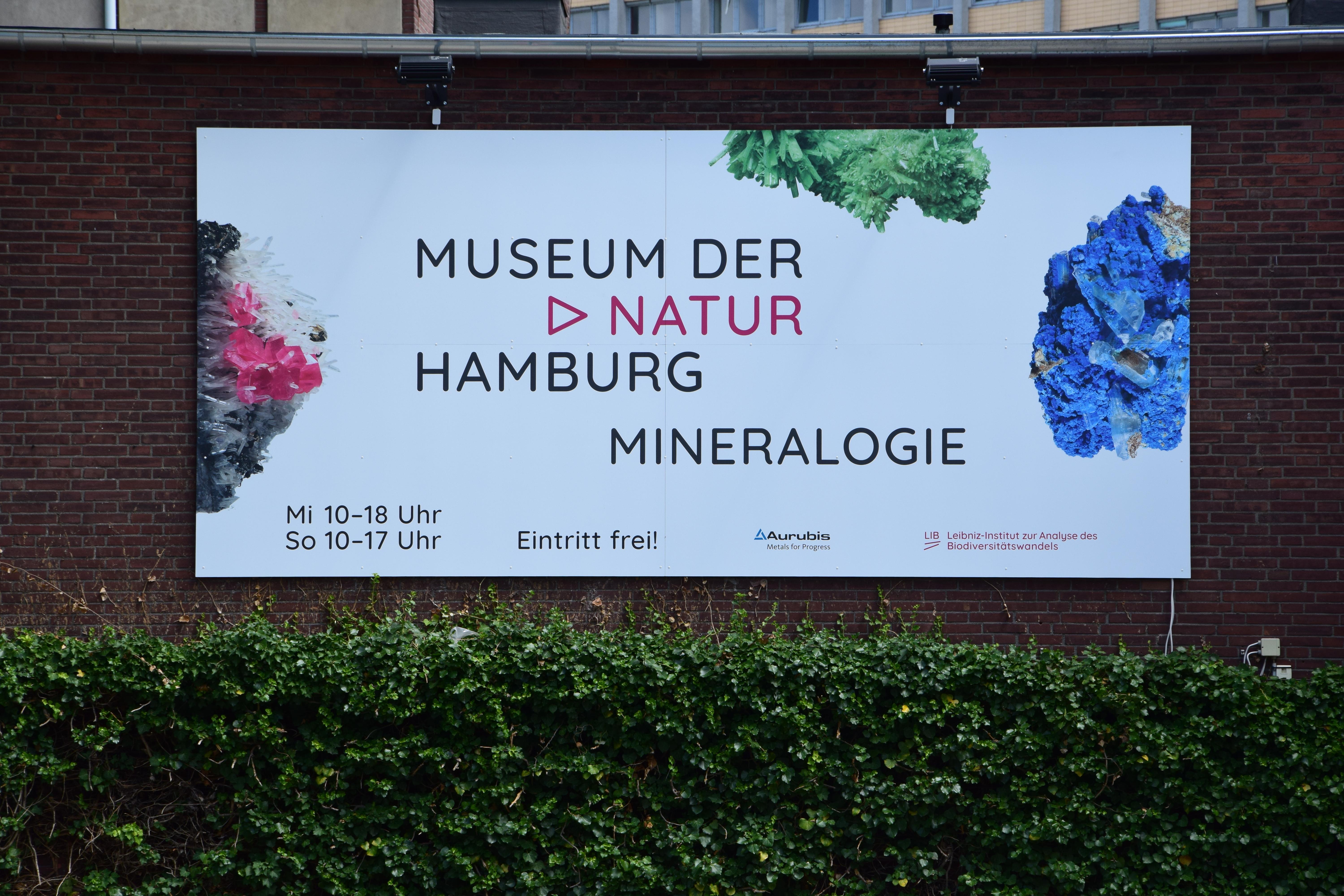
Mineralogisches Museum stands in Hamburg’s Rotherbaum district, near Grindelallee and roughly 200 metres from the Museum of Nature Hamburg’s zoology section. Across two floors, a 550-square-metre exhibition presents minerals, ores, gemstones, rocks and meteorites in a gallery-like setting.
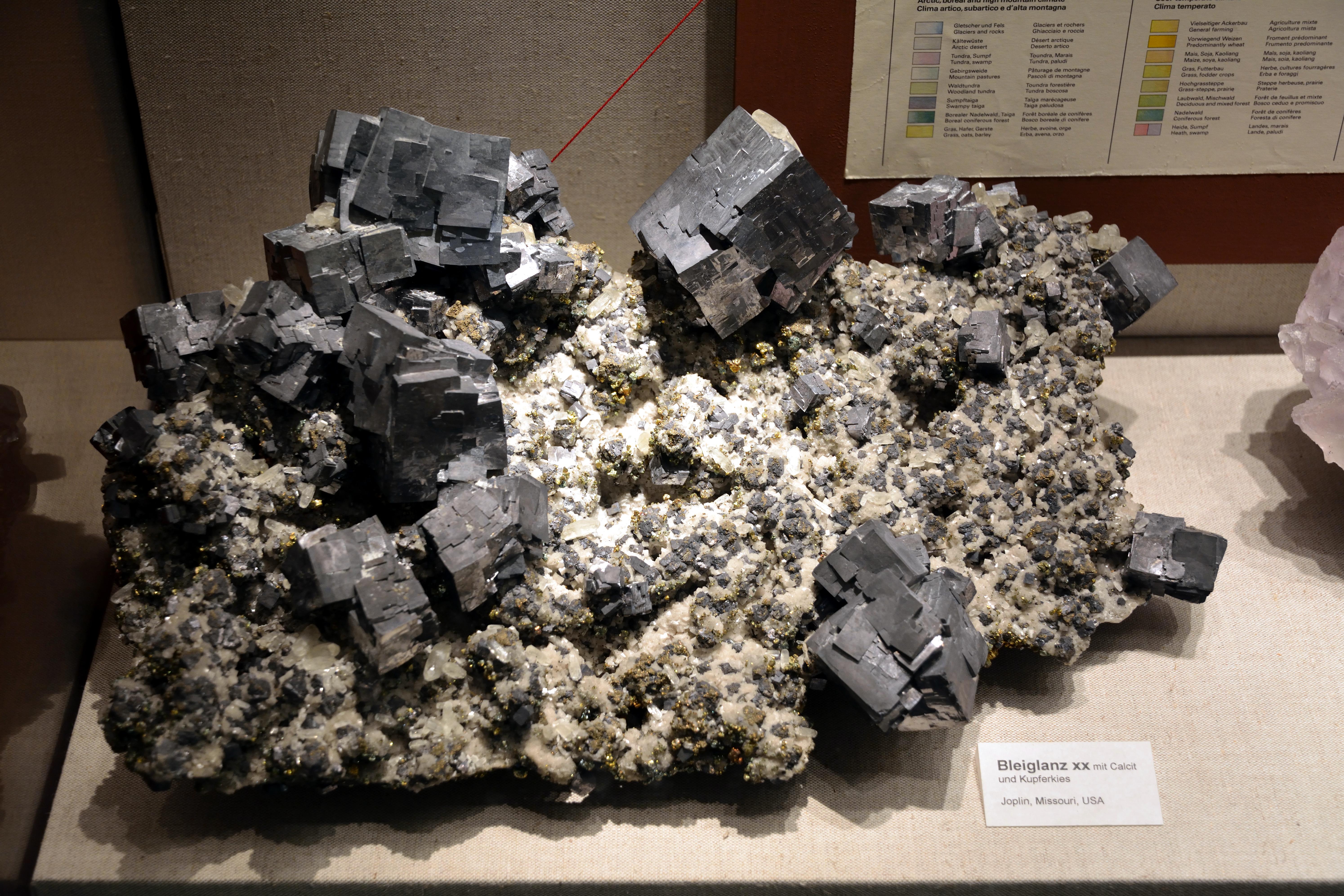
The University of Hamburg’s natural history collections hold around 90,000 objects, including about 50,000 minerals and more than 900 meteorites. The public display shows approximately 1,500 mineralogical specimens, with material from Namibia’s Tsumeb Mine and Erongo Mountains, South African manganese fields and Mont Saint-Hilaire in Canada. The collections moved through Hamburg from the Natural History Museum at Steintorwall in 1891 to the Mineralogical-Geological State Institute in 1907, then reached Grindelallee in 1958 after wartime disruption.
One striking object is the 424-kilogram Gibeon meteorite from Namibia, described as the largest iron meteorite in a German museum. Japanese antimonite crystals add another focal point, while surrounding cases extend the view from meteorites to gemstones and rocks.
- City
- Hamburg
- Content updated
Take this page with you
The myTuur app is free, and once you are standing at a spot its story starts by itself.


Spots like this one are the stops myTuur strings into tours through Hamburg. In the app, each story begins where you stand: walk up to a spot and it starts, read it on screen or listen as you go, then follow the route to the next one.
What is myTuur?
myTuur is a free city-guide app. Its tours are built from spots, and each spot carries a story that starts when you get there, to read or to listen to as you like.