Herzogliches Museum Gotha
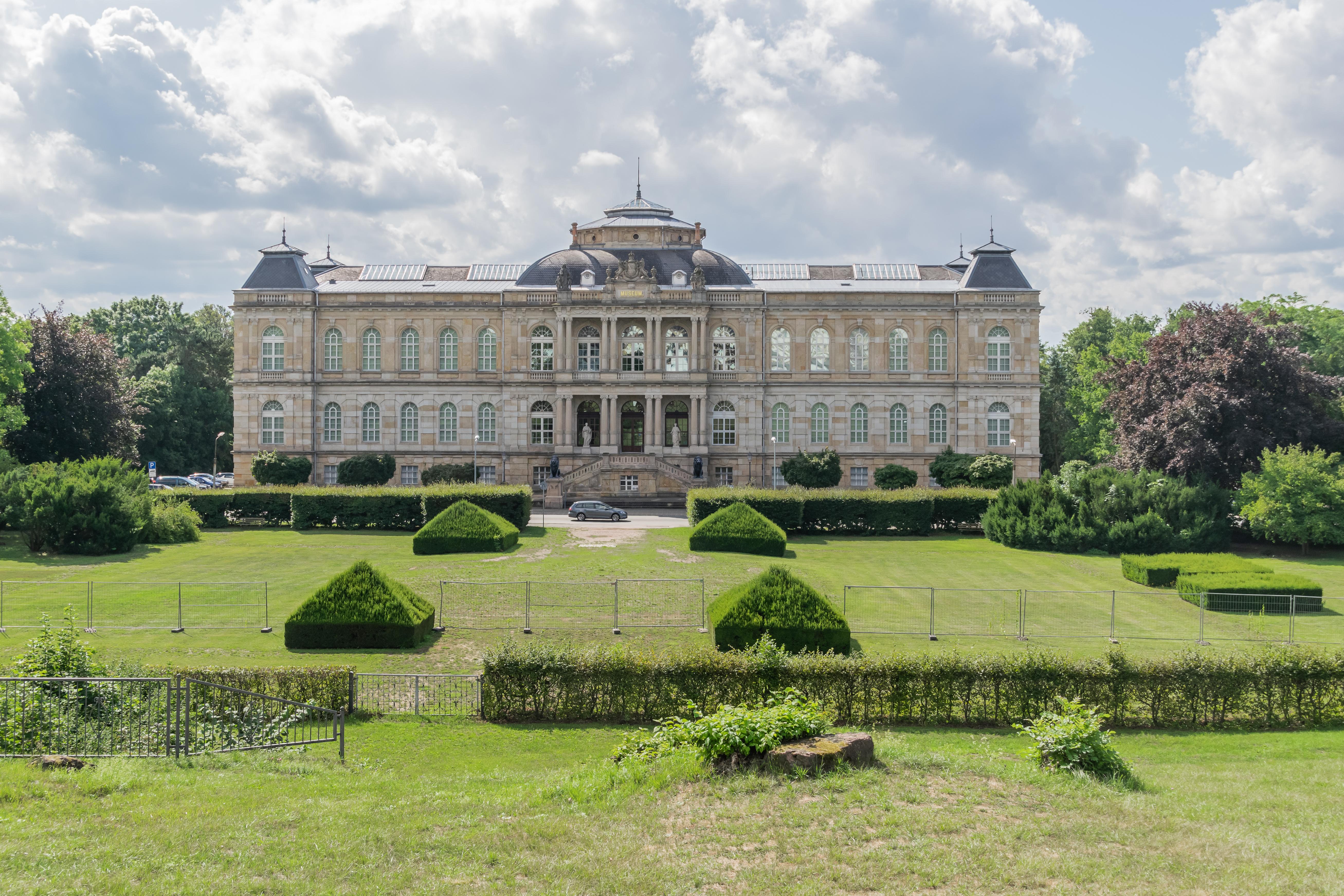
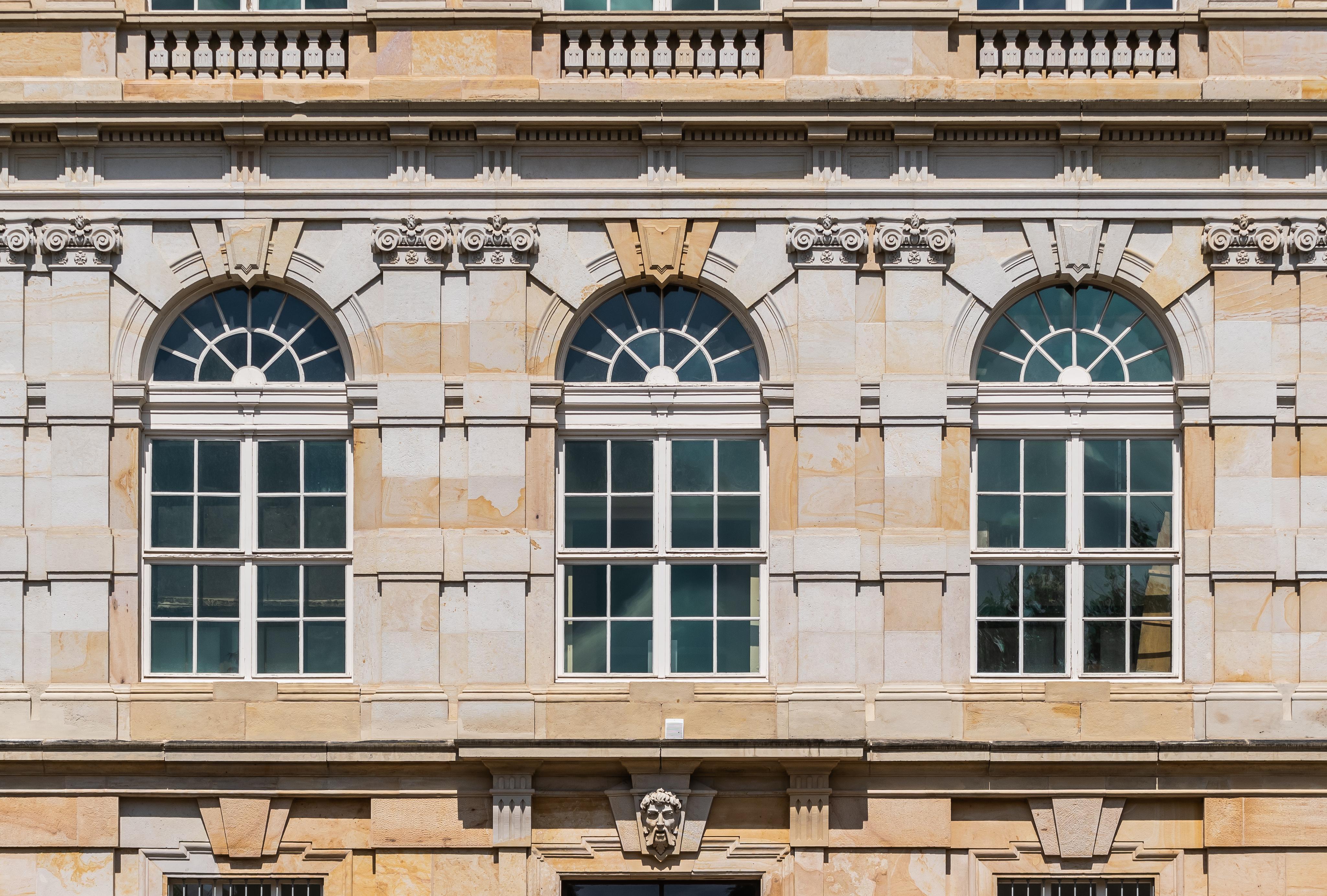
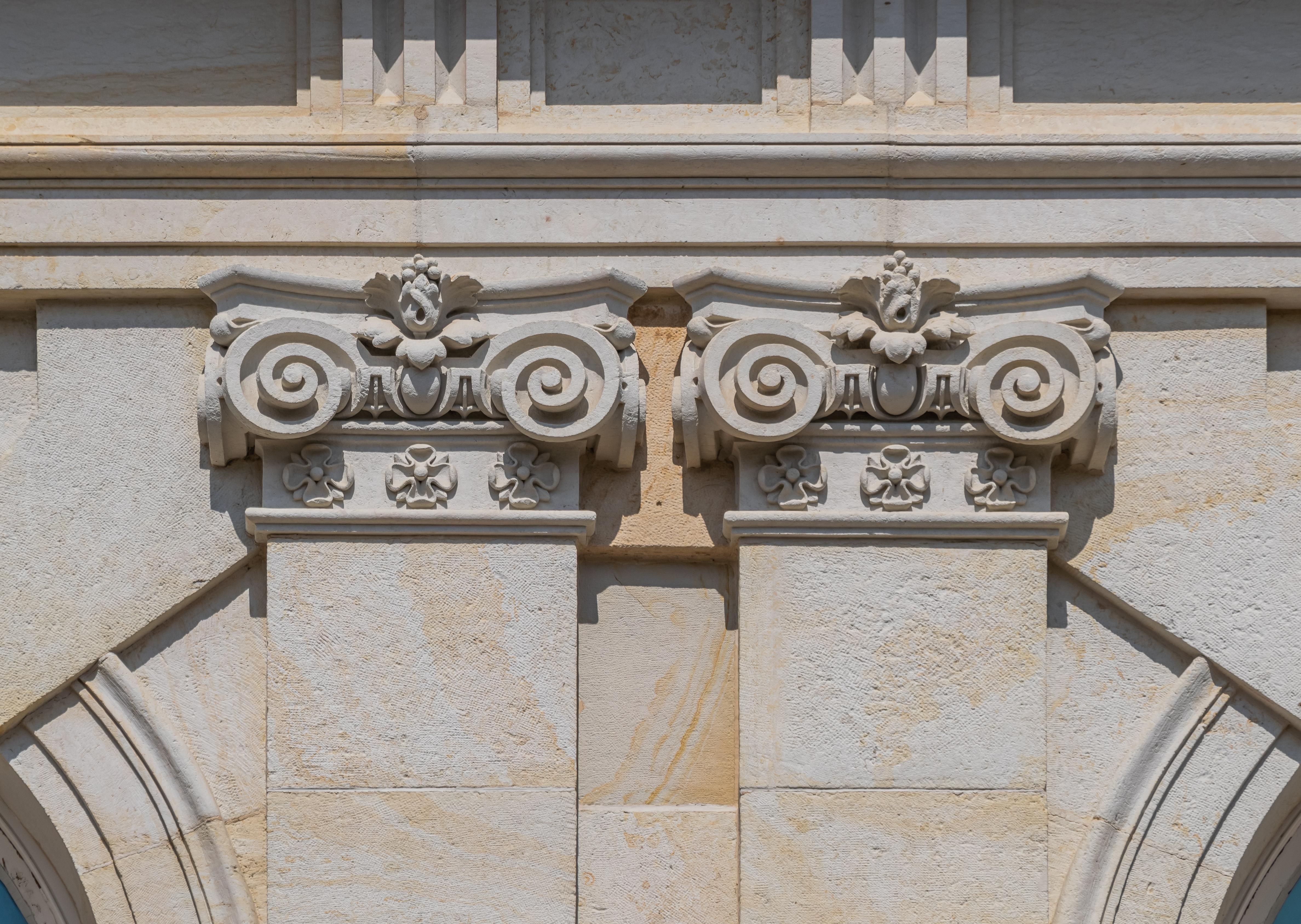
Herzogliches Museum Gotha stands in Gotha, Germany, behind a pale sandstone façade built between 1864 and 1879 in neo-Renaissance style. Four allegorical statues represent history, architecture, art and science above the entrance. Gustav Broßmann and Franz Schwarz sculpted these figures, which introduce the collections housed beyond the doorway. A restoration completed in 2013 brought more light into the galleries.
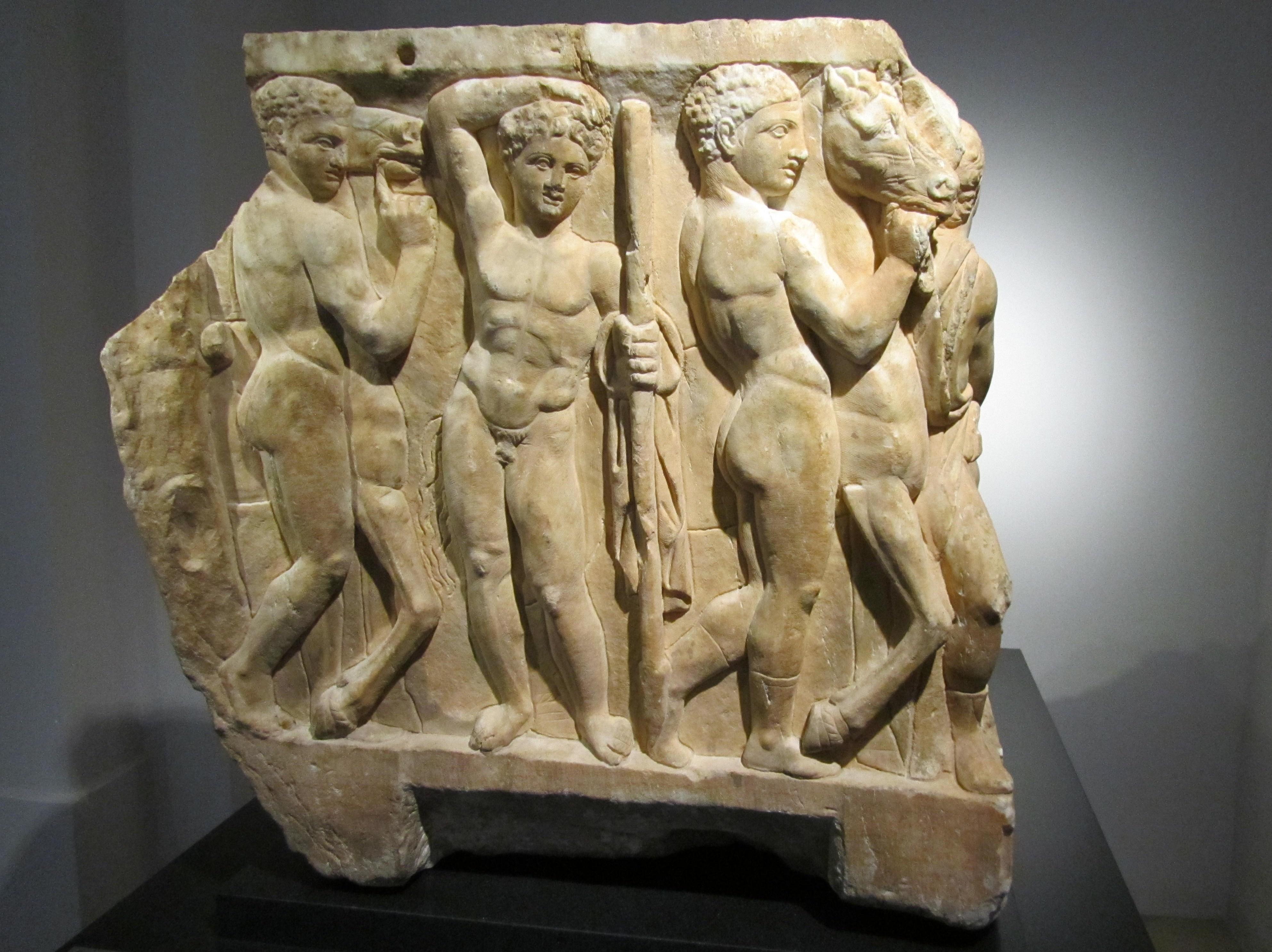
Duke Ernst II planned the building as a home for his family’s art collections, bringing together objects from several cultures. Egyptian mummies and ritual objects fill the ground floor. Ancient Greek and Roman vases, gold jewellery, and eighteenth-century cork models of Roman buildings continue the display. Paintings by Lucas Cranach the Elder, Rubens, Jan van Goyen and Caspar David Friedrich anchor the picture galleries.
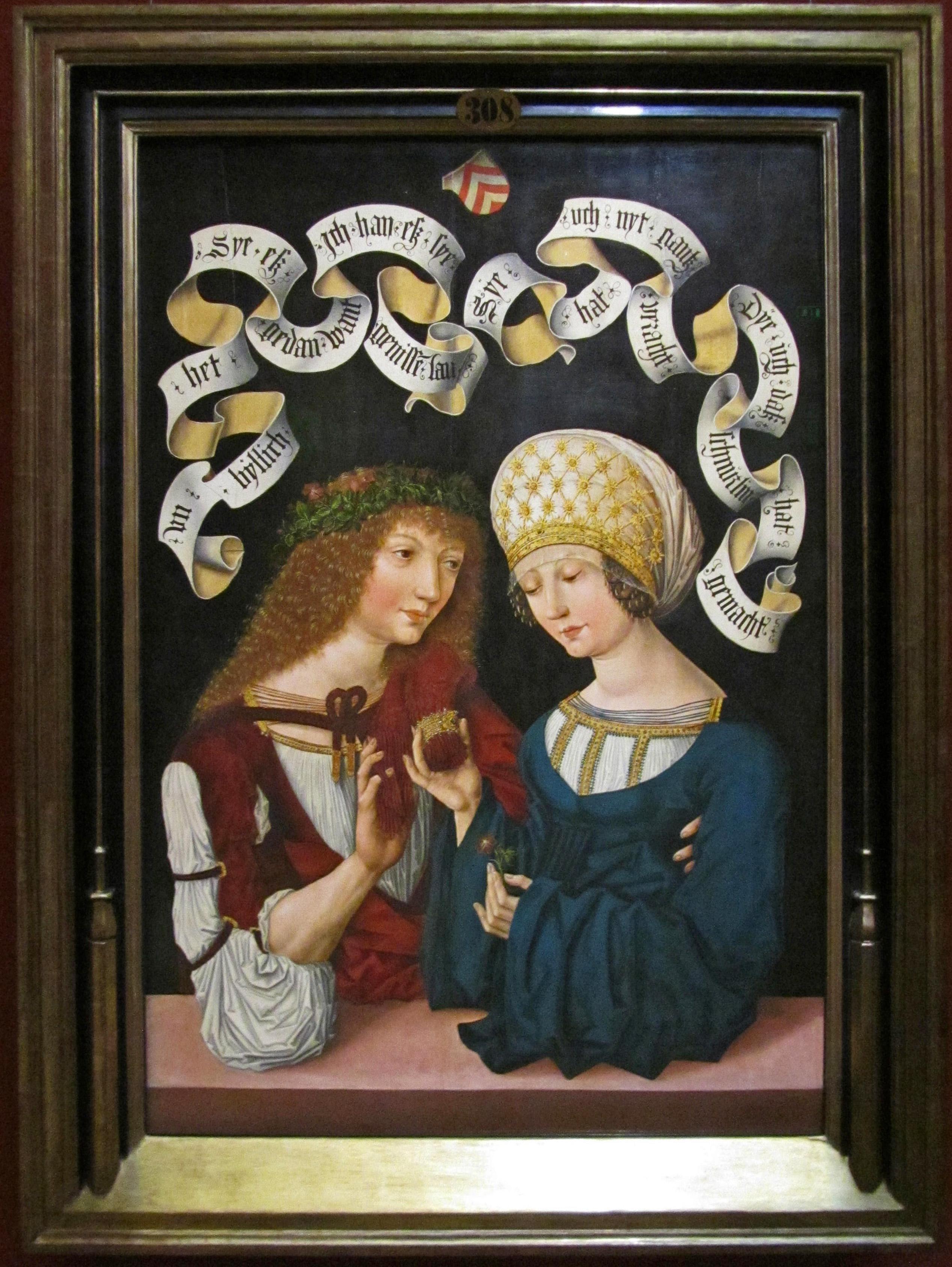
The galleries also hold the Gotha Lovers, a mysterious painting created before Dürer’s time and known for its beauty. Outside France, the museum contains the world’s largest assembly of sculptures by Jean-Antoine Houdon. Italian majolica, Meissen porcelain and Japanese lacquerware add colour to this wide-ranging journey through collecting and art.
- City
- Gotha
- Content updated
Take this page with you
The myTuur app is free, and once you are standing at a spot its story starts by itself.


Spots like this one are the stops myTuur strings into tours through Gotha. In the app, each story begins where you stand: walk up to a spot and it starts, read it on screen or listen as you go, then follow the route to the next one.
What is myTuur?
myTuur is a free city-guide app. Its tours are built from spots, and each spot carries a story that starts when you get there, to read or to listen to as you like.