Aquincumi katonai amfiteátrum
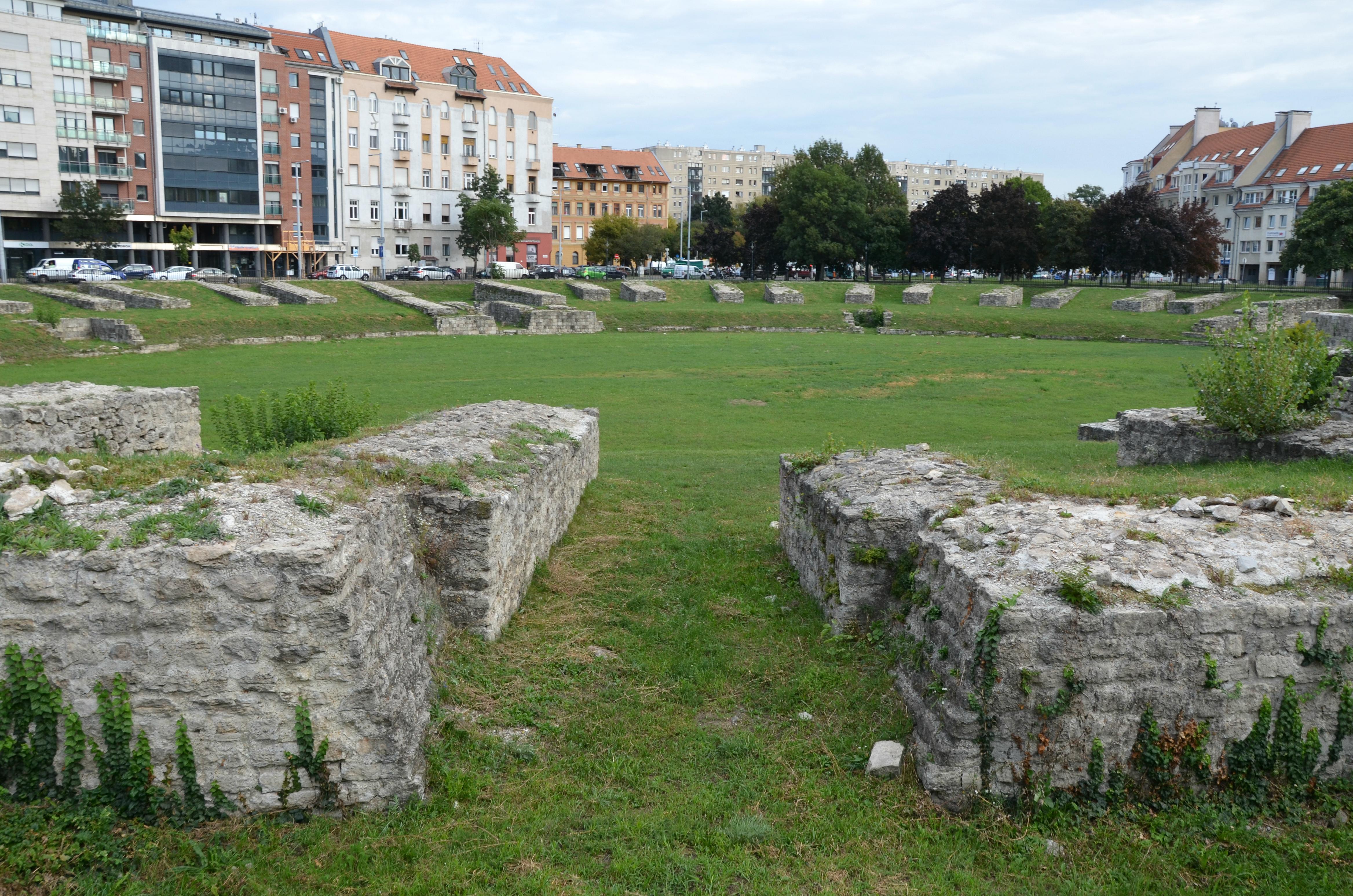
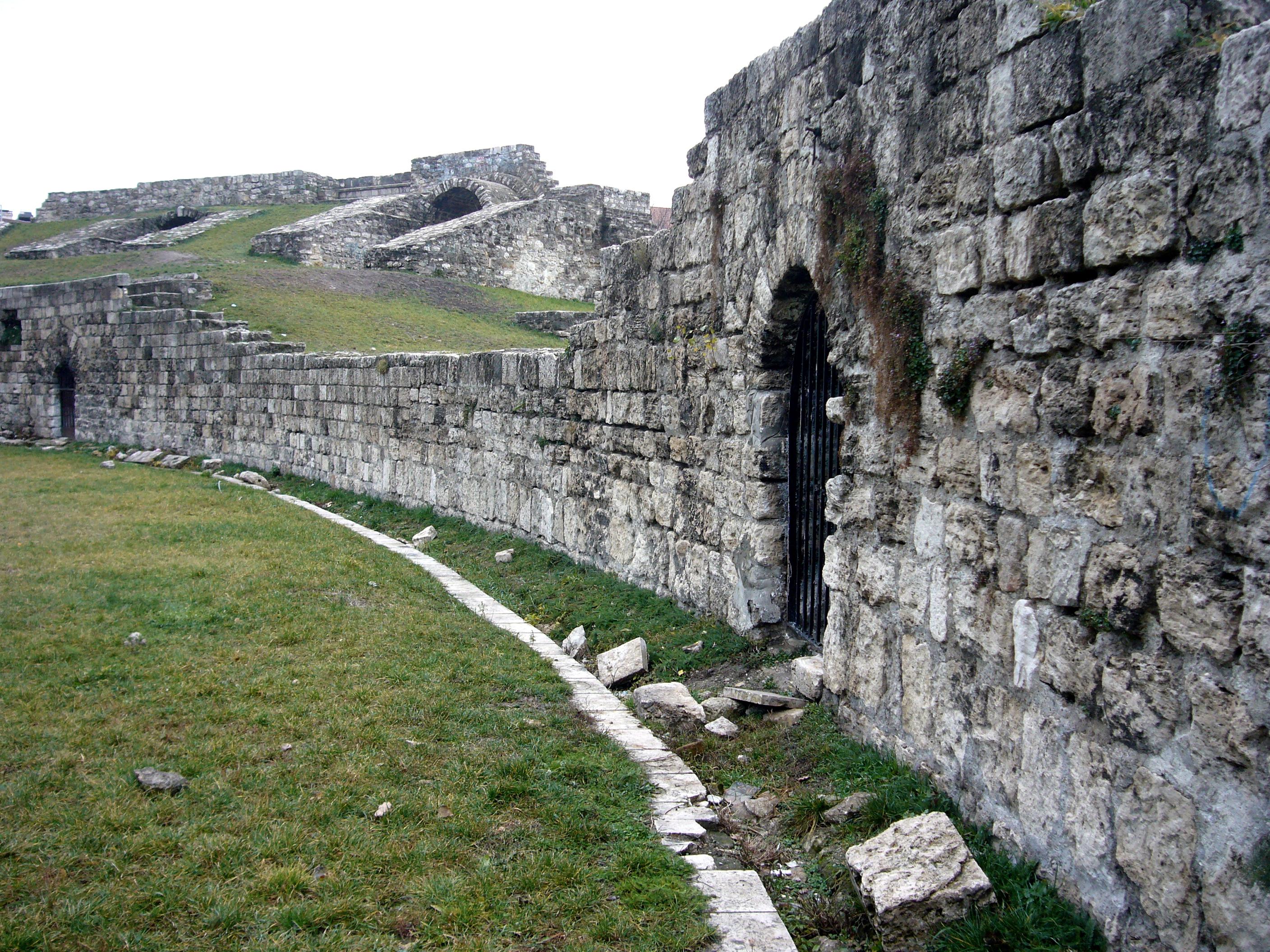
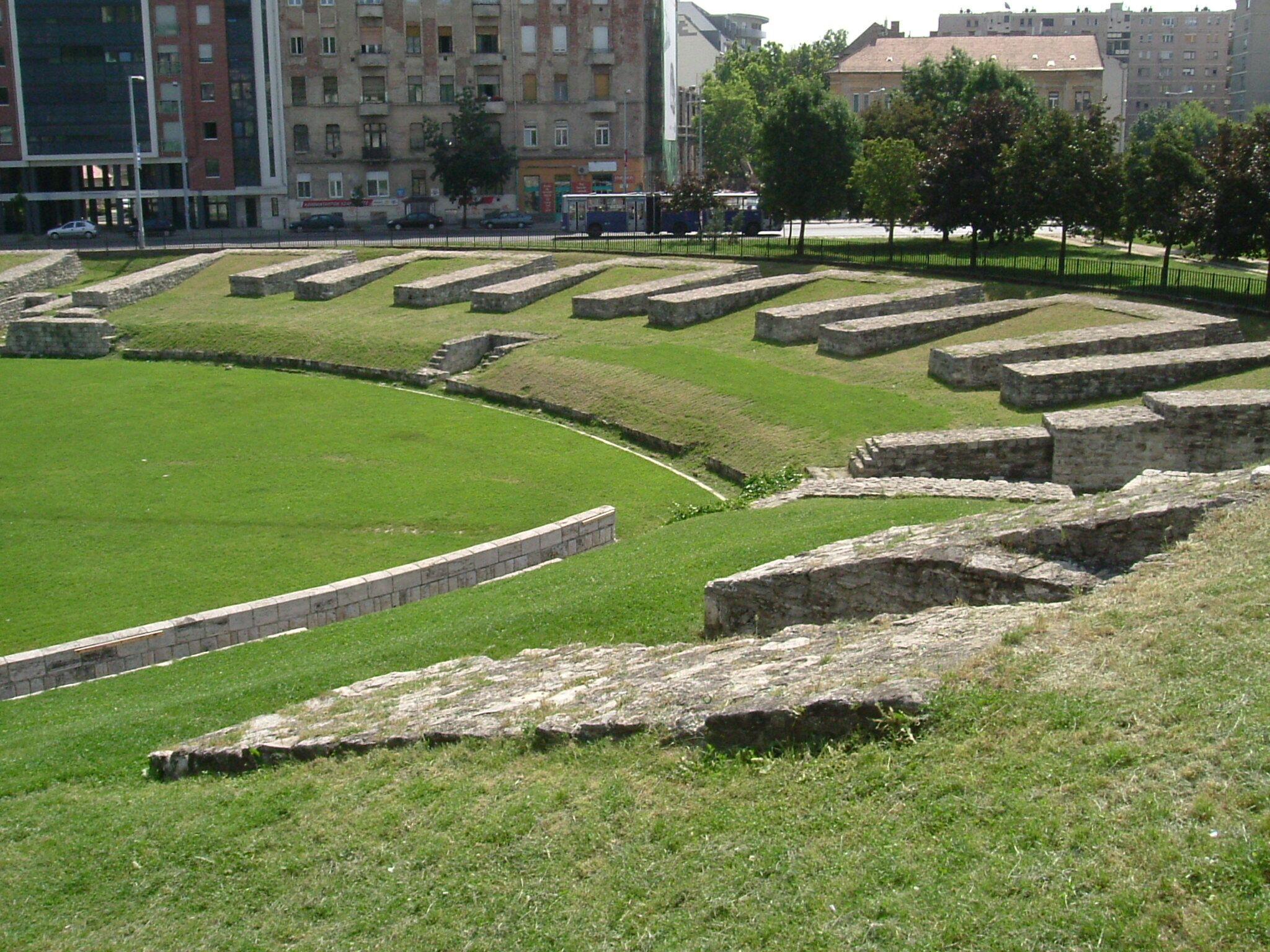
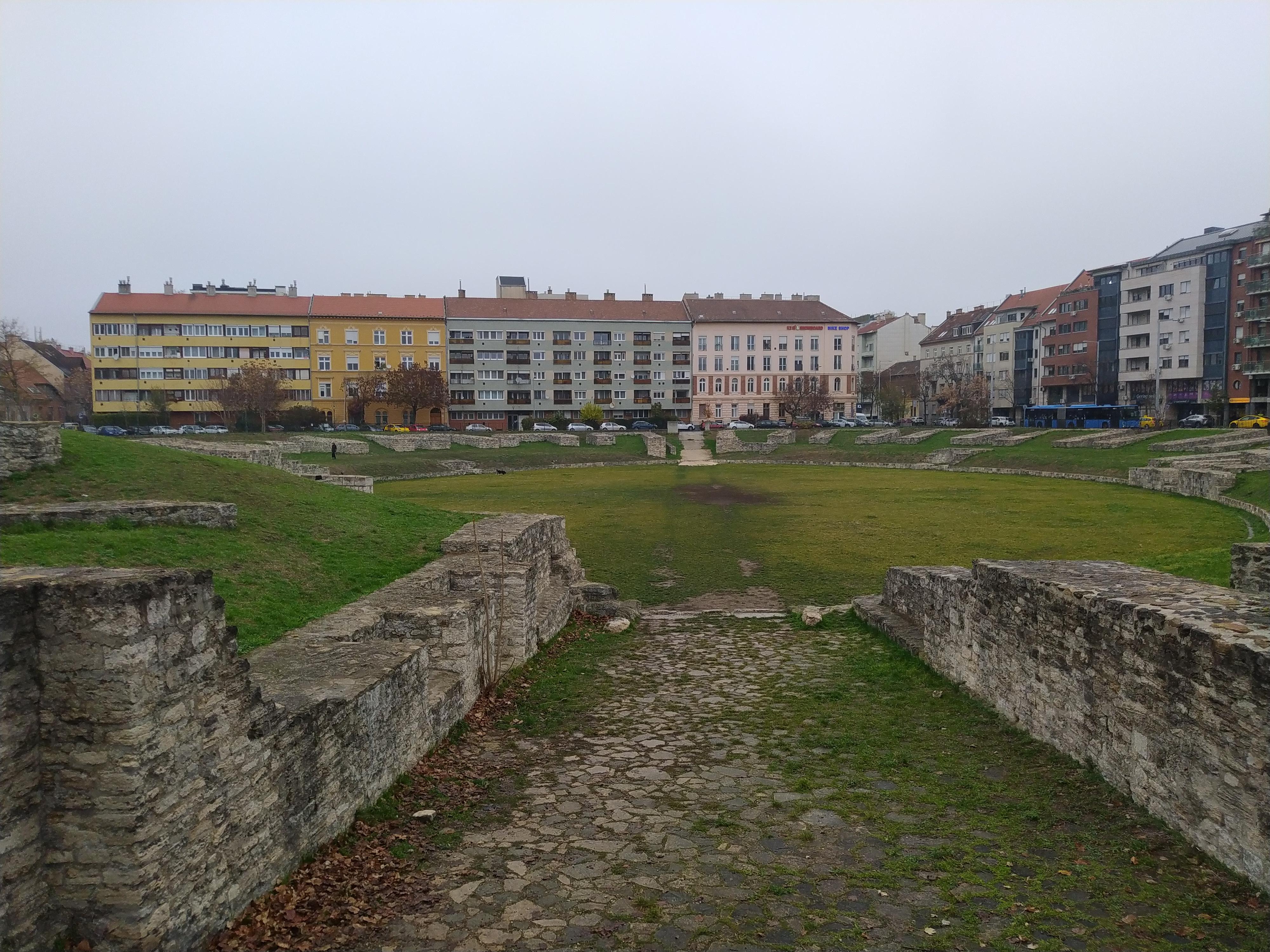
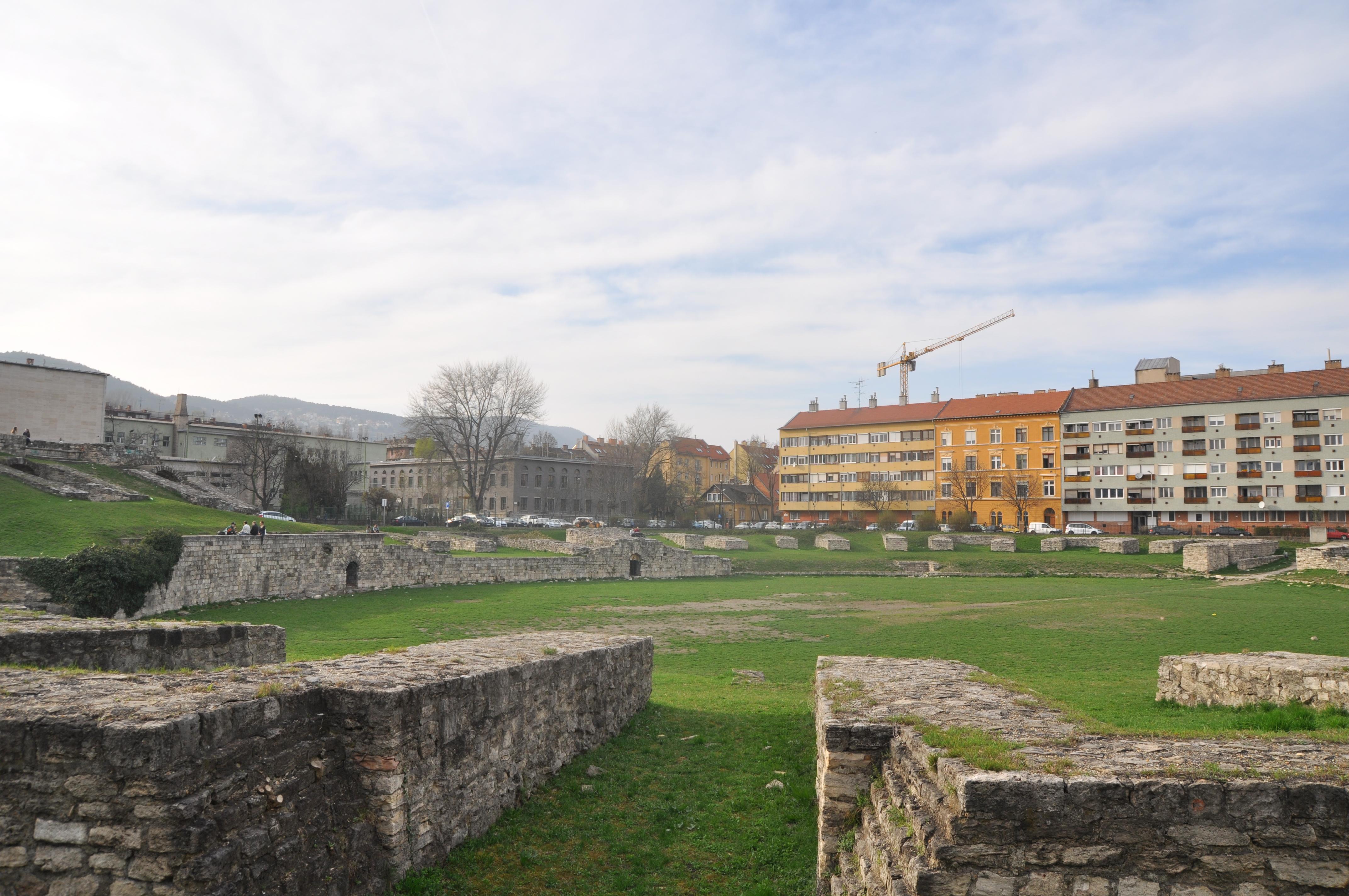
The Aquincumi katonai amfiteátrum in Hungary preserves a Roman military arena built by Legio II Adiutrix. Its builders used a natural hollow and replaced an earlier wooden arena with a larger oval structure. The outer form exceeded one hundred metres. Its fighting ground surpassed the interior space of Rome’s Colosseum. Walls rising over four metres separated crowds from wild animals and enclosed spectacles. Up to thirteen thousand spectators filled the earthen seating.
Channels beneath the arena allowed its floor to flood for staged water spectacles. Most seating used earth rather than stone, leaving fewer traces of the original tiers. When danger threatened the empire, workers bricked up the entrances and converted the arena into a fortress. Lombards and other groups later used the fortified site. The execution ground left shackles and headless skeletons deep in the soil.
Layers of earth concealed the structure for centuries while people lived above it. Scientists uncovered its full scale and history during the twentieth century. One detail remains striking: channels beneath the floor could turn the arena into a pool.
- City
- Budapest
- Content updated
Take this page with you
The myTuur app is free, and once you are standing at a spot its story starts by itself.


Spots like this one are the stops myTuur strings into tours through Budapest. In the app, each story begins where you stand: walk up to a spot and it starts, read it on screen or listen as you go, then follow the route to the next one.
What is myTuur?
myTuur is a free city-guide app. Its tours are built from spots, and each spot carries a story that starts when you get there, to read or to listen to as you like.