Burgrest Sirgenstein
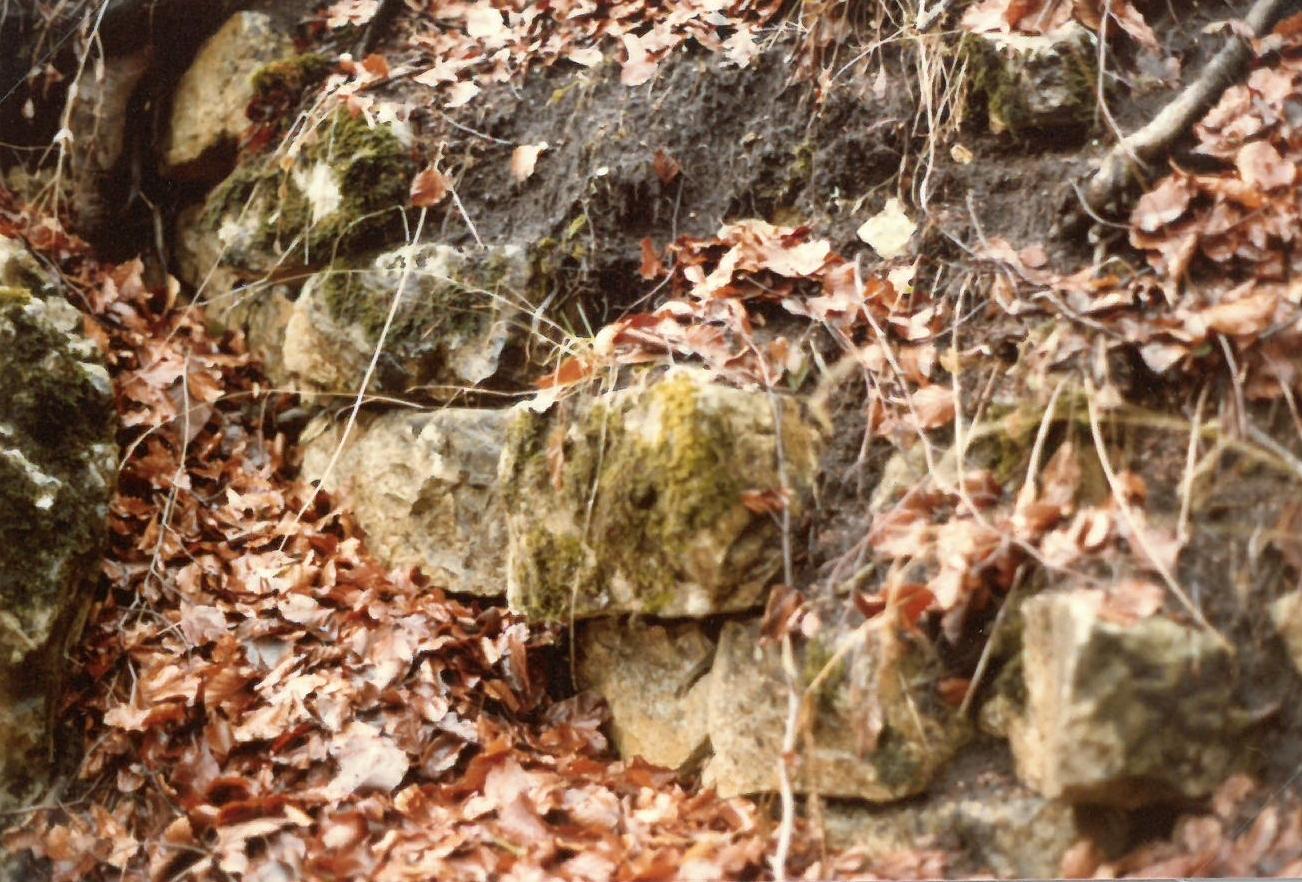
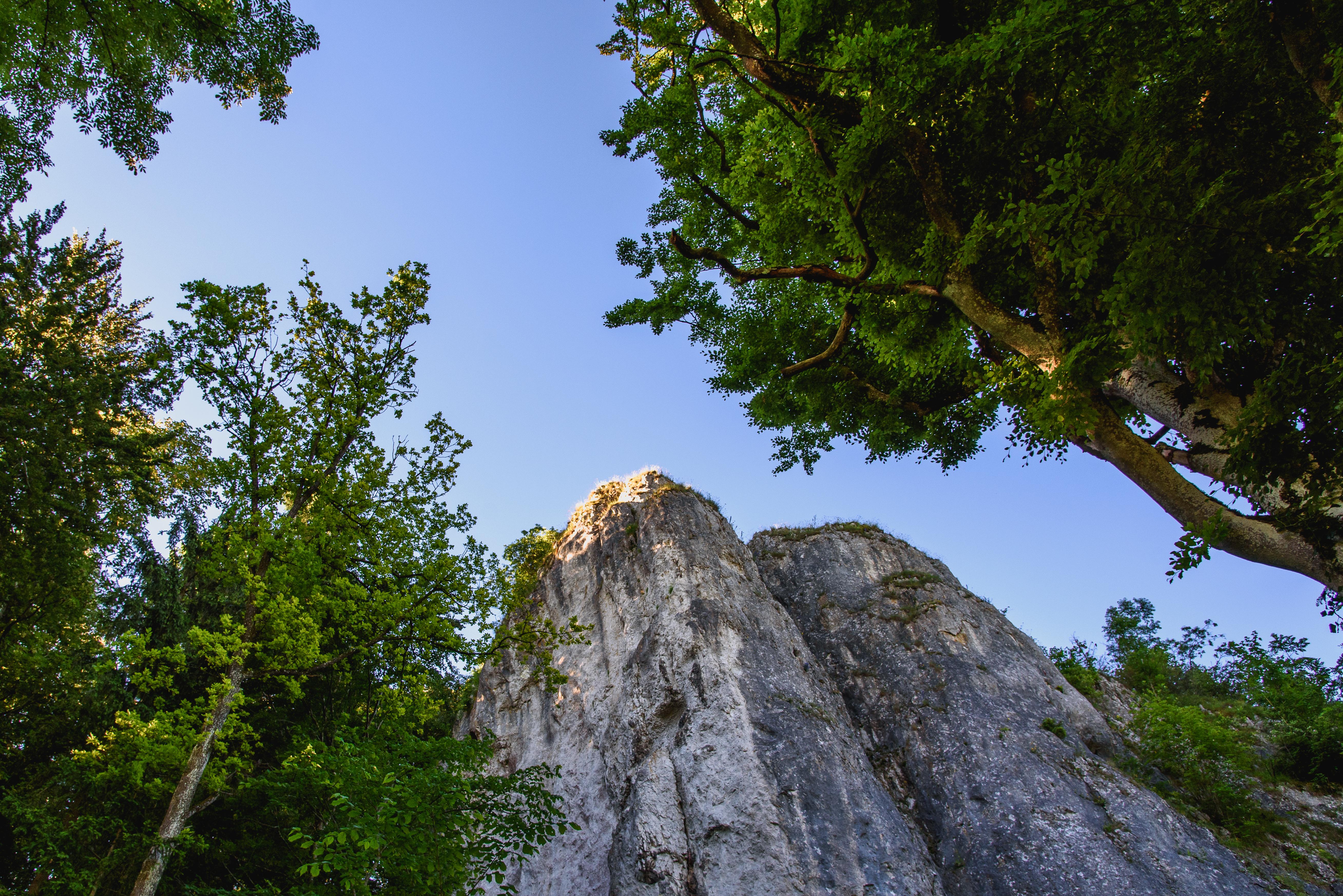
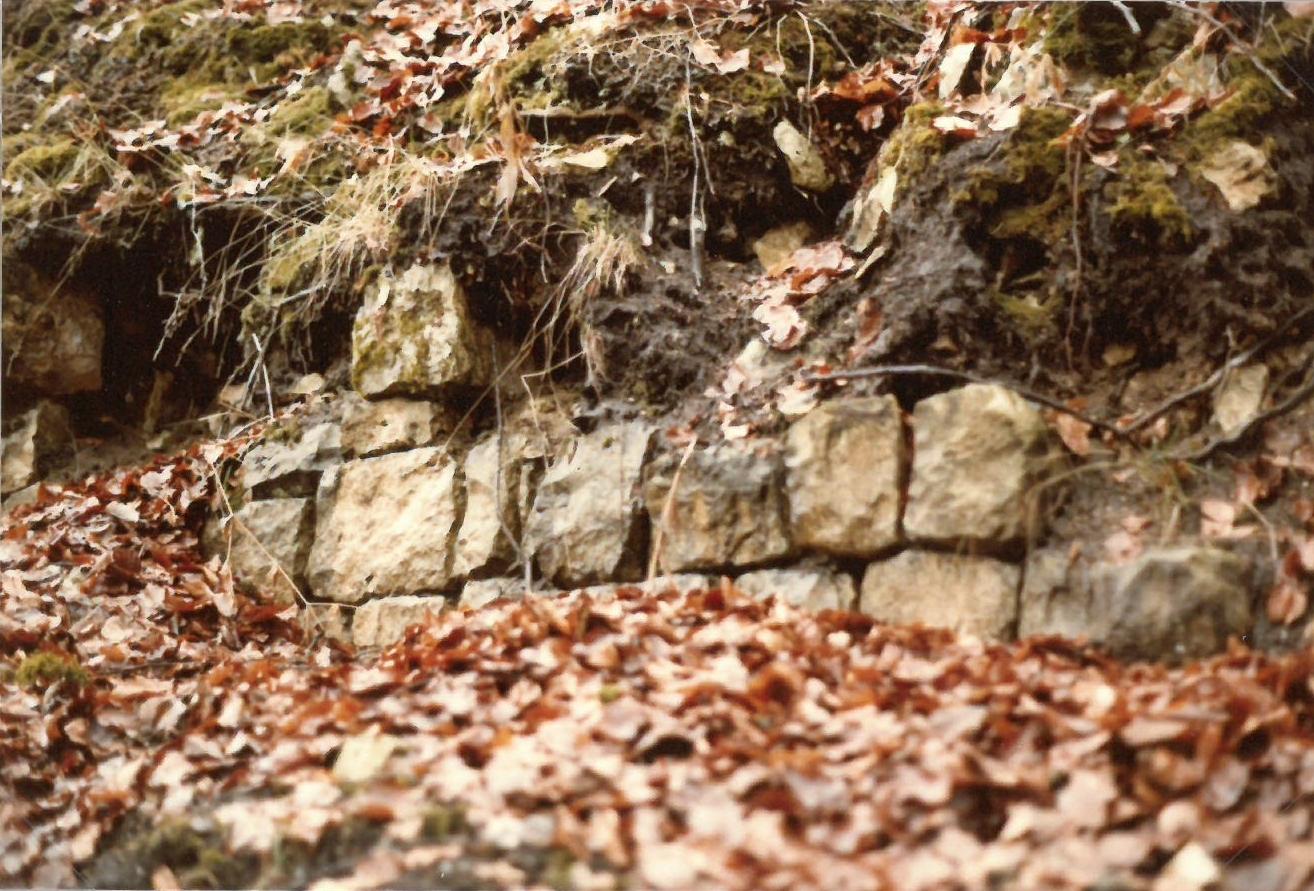
Burgrest Sirgenstein rises above Blaubeuren on a rocky formation more than twenty metres high. You see medieval wall sections, rusticated ashlar blocks, and a defensive neck ditch among the remains. The castle probably took shape in the thirteenth century, using the height for protection and visibility.
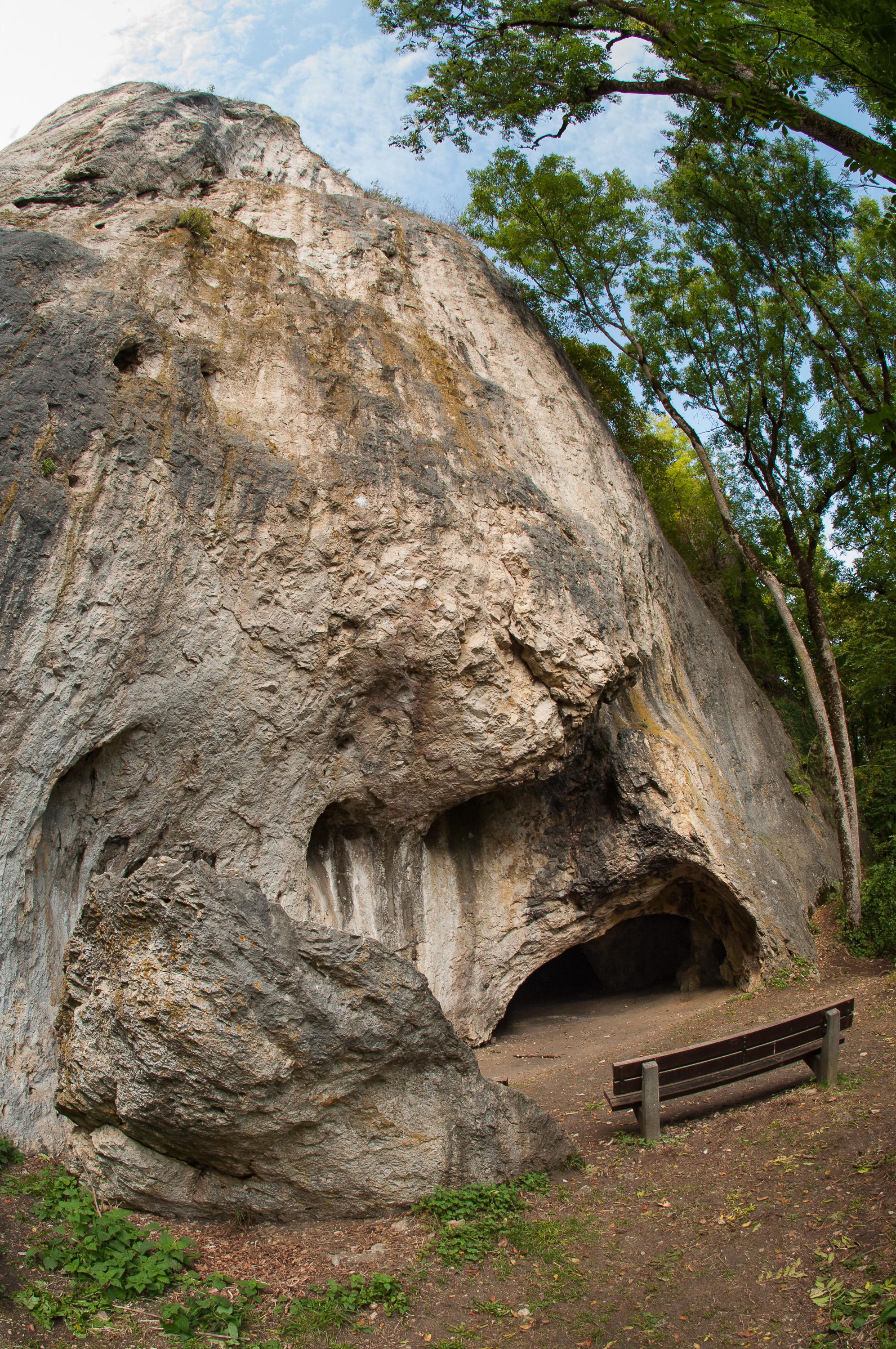
The rock also contains Sirgenstein Cave, where Neanderthals and early modern humans lived during the Stone Age. Excavations since the nineteenth century uncovered evidence of summer occupation stretching back tens of thousands of years. The cave belongs to the Achtal valley, part of the UNESCO World Heritage landscape of Swabian Jura caves and Ice Age art. Limestone helped preserve bones, ivory, beads, animal figures, and bone and mammoth-ivory flutes across this region. A late-fifteenth-century story even describes the cave being walled up because large bones suggested a cyclops lived inside.
Today, the cave and overgrown castle remnants bring prehistoric shelter and medieval defence into one compact setting. Information along the surrounding trails evokes mammoths, cave bears, wild horses, and reindeer moving through the Ice Age valley. Finds from Sirgenstein and nearby caves are displayed in museums in Blaubeuren, Ulm, Tübingen, and Stuttgart.
- City
- Blaubeuren
- Content updated
Take this page with you
The myTuur app is free, and once you are standing at a spot its story starts by itself.


Spots like this one are the stops myTuur strings into tours through Blaubeuren. In the app, each story begins where you stand: walk up to a spot and it starts, read it on screen or listen as you go, then follow the route to the next one.
What is myTuur?
myTuur is a free city-guide app. Its tours are built from spots, and each spot carries a story that starts when you get there, to read or to listen to as you like.