Magnus-Haus
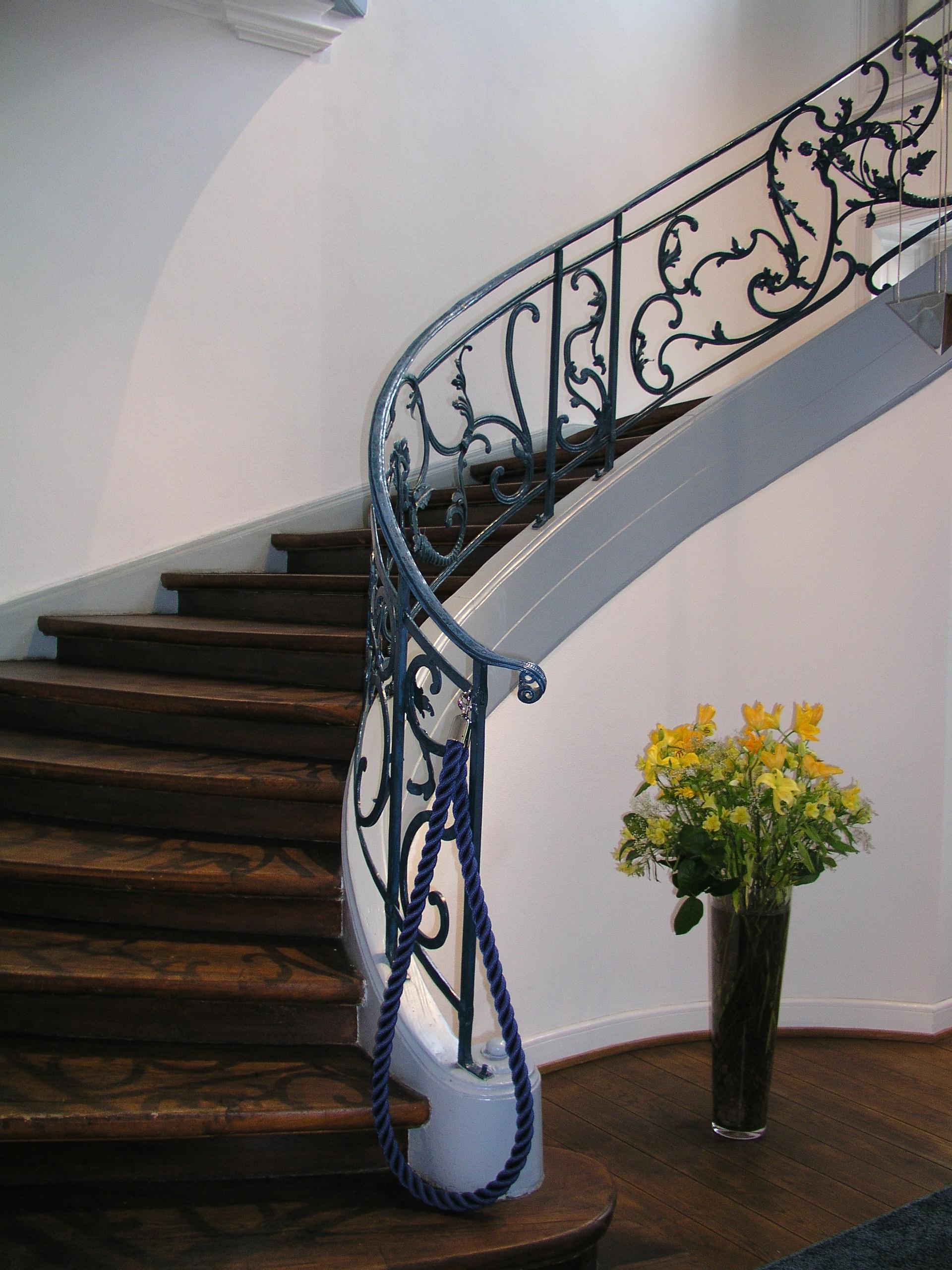
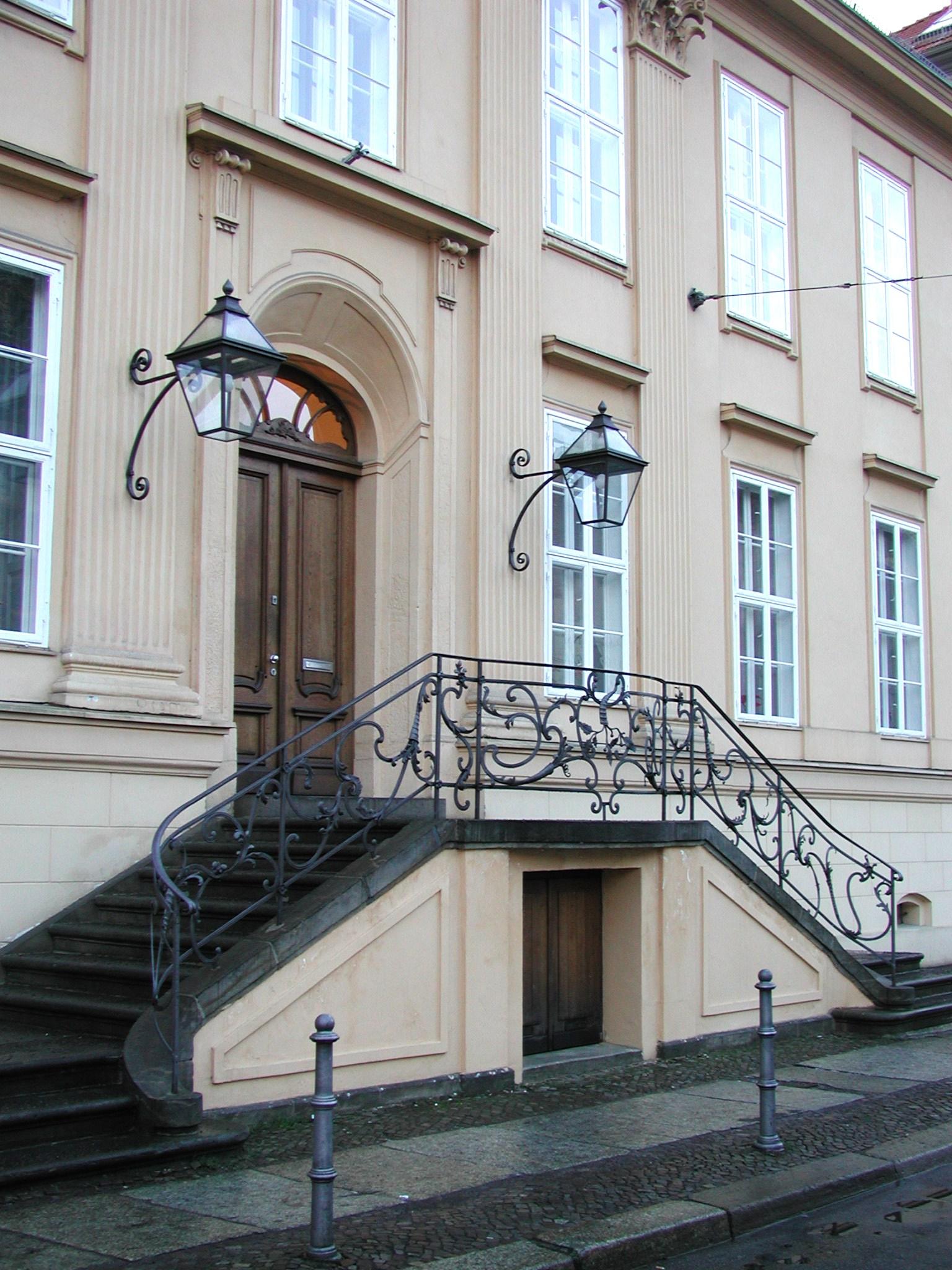
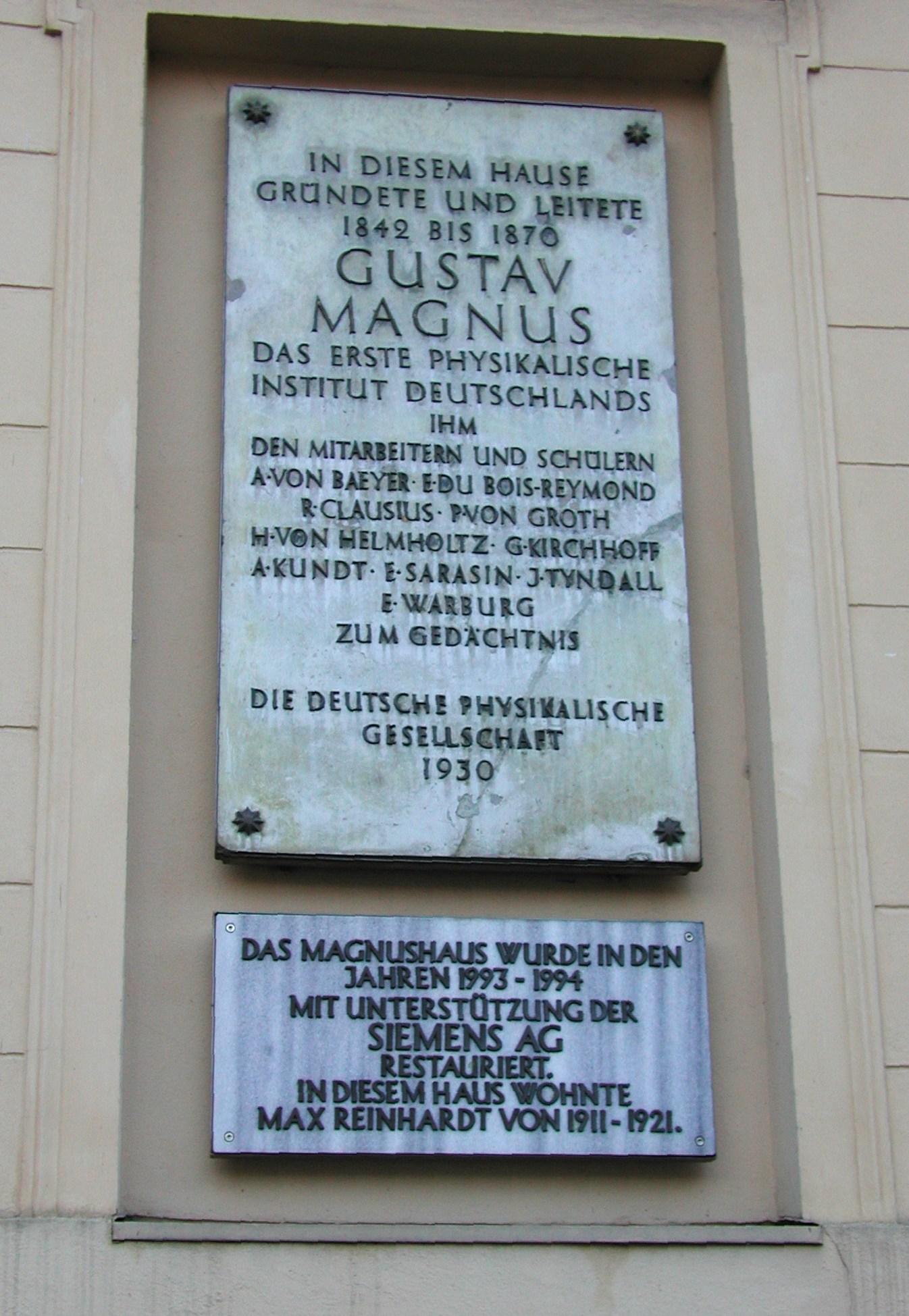
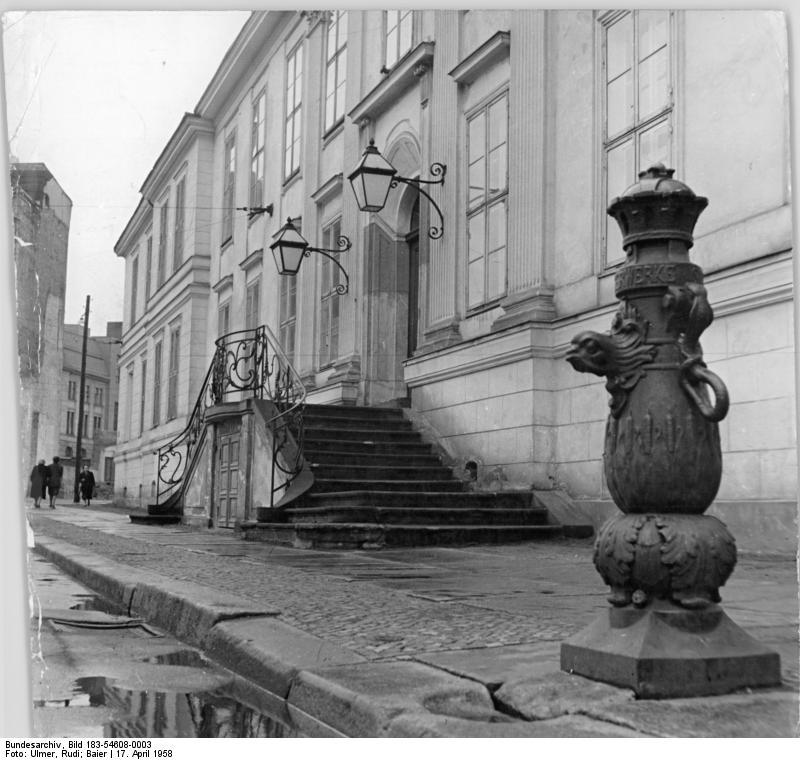
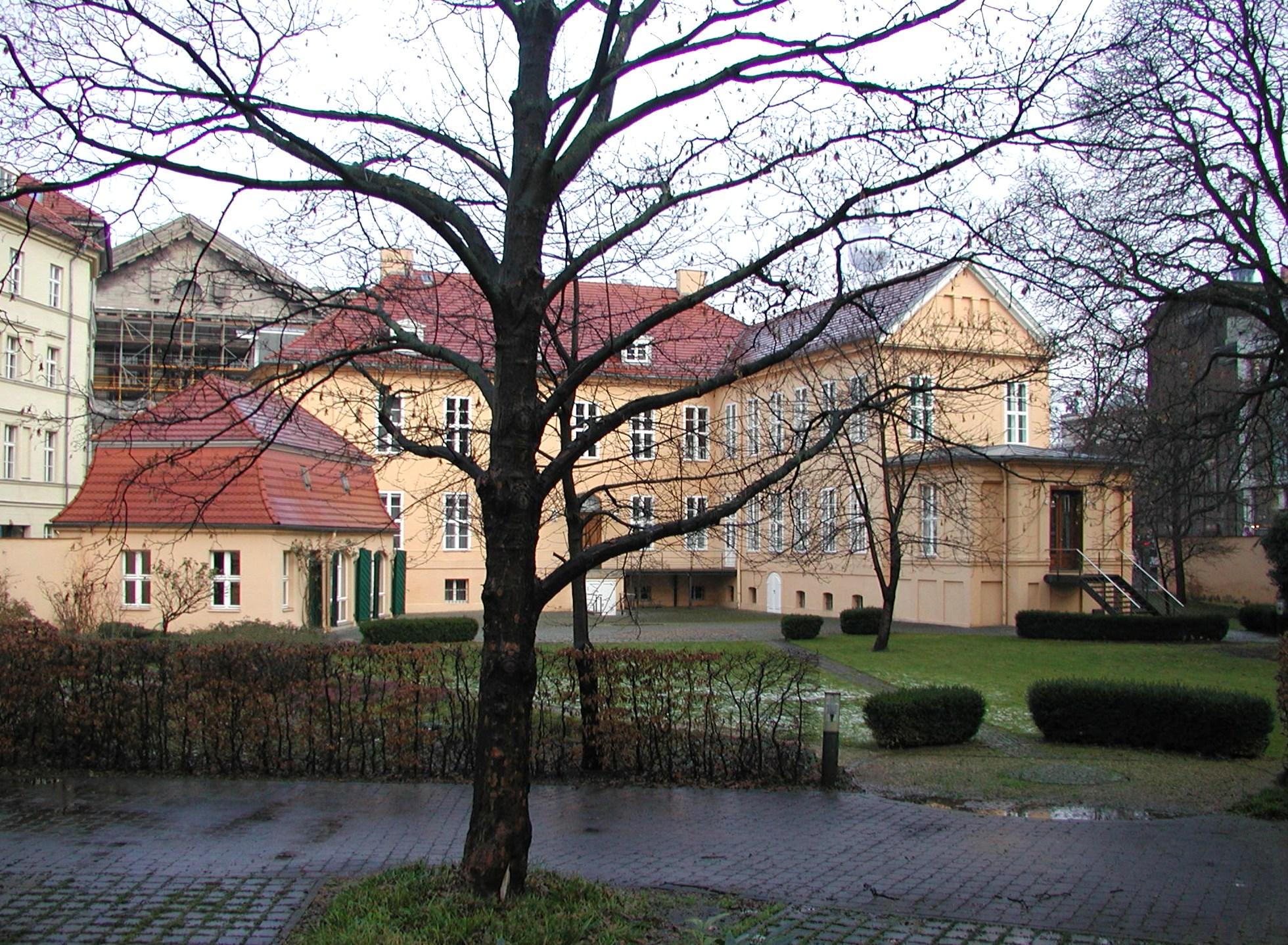
Magnus-Haus stands in Berlin’s Mitte district as a classical Baroque townhouse with a long architectural and scientific history. Its symmetrical façade features Corinthian pilasters and tall windows. Johann Boumann designed the building, whose architectural vision also reflects Georg Wenzeslaus von Knobelsdorff. A transverse house and coach house complete the two-storey structure. Physicist Heinrich Gustav Magnus made the residence a place for research, teaching, and scientific exchange during the nineteenth century. His physical colloquium helped establish the German Physical Society. The building combines a sandstone basement, a Hochparterre with a rococo-style iron handrail, and a central staircase. Its historic garden borders the architectural ensemble in Berlin.
August Adolf Günther expanded the upper floors and attic, preserving the house’s classical form. The courtyard once held a coach house behind the main building. The site later accommodated a small stage, cultural gatherings, and scientific lectures through changing periods of Berlin’s history. The house later served the Physical Society of the GDR. The German Physical Society uses Magnus-Haus for scientific and cultural gatherings, including concerts and Berlin industry talks. Its façade and garden preserve Berlin’s architectural and scientific character.
- City
- Berlin
- Content updated
Take this page with you
The myTuur app is free, and once you are standing at a spot its story starts by itself.


Spots like this one are the stops myTuur strings into tours through Berlin. In the app, each story begins where you stand: walk up to a spot and it starts, read it on screen or listen as you go, then follow the route to the next one.
What is myTuur?
myTuur is a free city-guide app. Its tours are built from spots, and each spot carries a story that starts when you get there, to read or to listen to as you like.