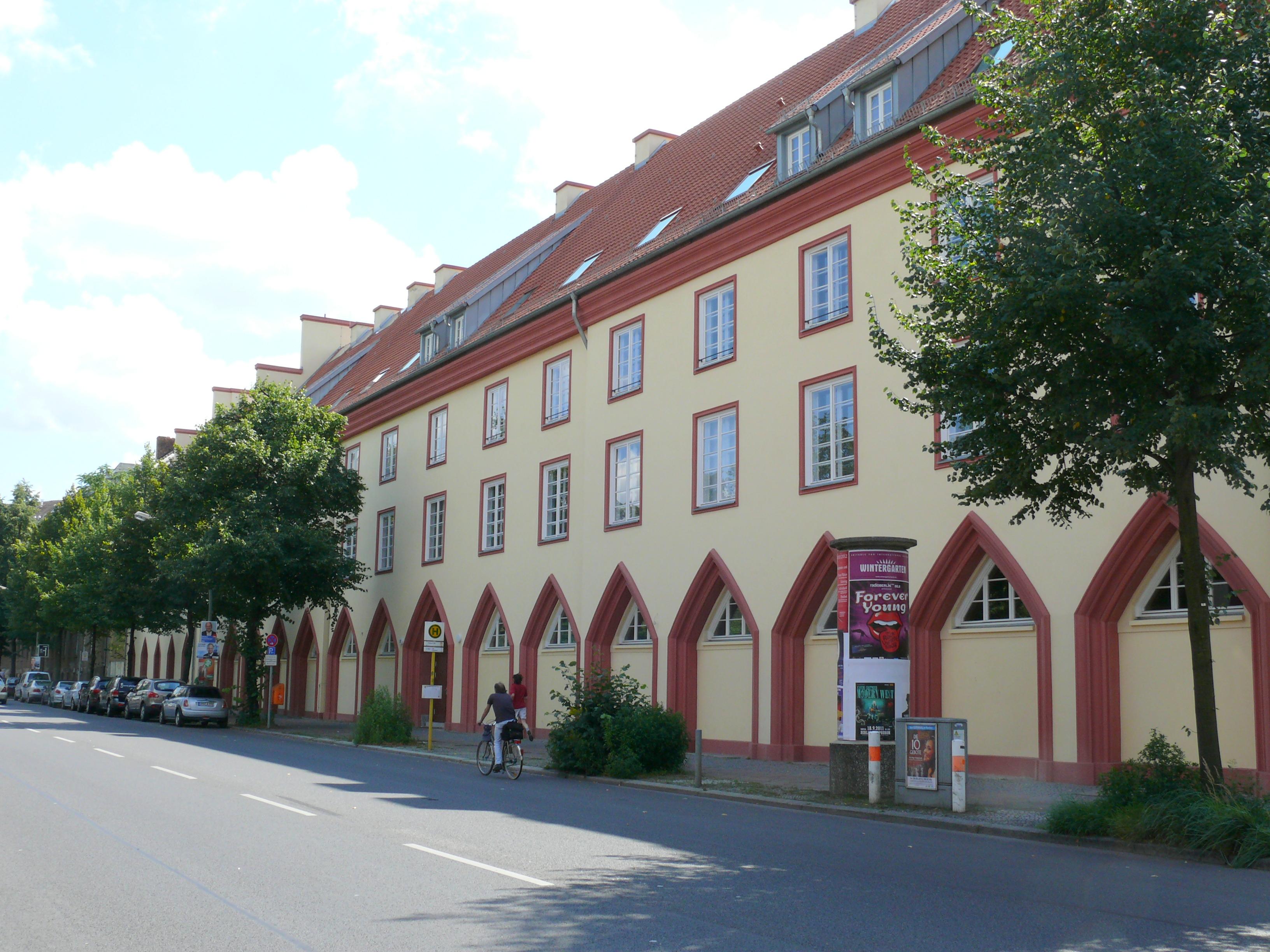
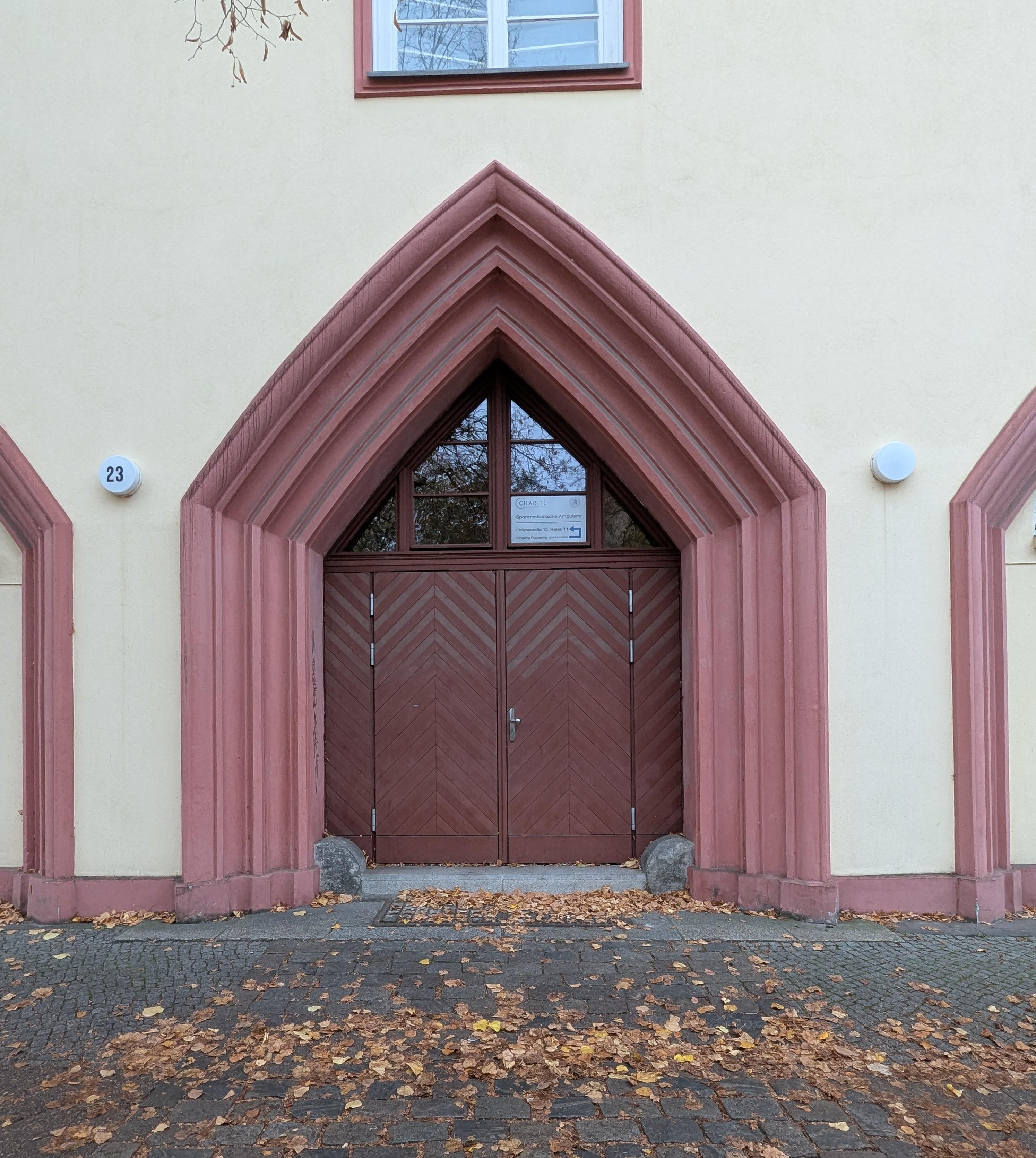
ehem. Institut für Rechtsmedizin
The former Institute of Forensic Medicine stands in Berlin as a place connected with Charité – Universitätsmedizin Berlin. Its work brings together forensic pathology, forensic genetics, and forensic toxicology.
Berlin’s forensic medical history reaches back to the seventeenth century, when the city established a city physician’s office. By 1724, the Collegium Medico Chirurgicum held lectures in forensic medicine. The first Berlin mortuary opened in 1811, and the Practical Training Institute for State Medicine followed in 1833. That institution combined judicial medicine with medical policing and helped establish the Berlin School of forensic medicine. Wilhelm Wagner and Fritz Strassmann later shaped its development through important contributions. A forensic medical on-call service appeared in 1900, followed by the Forensic Medical Institute of the City Health Office in 1937.
The twentieth century brought war, Berlin’s division, and further institutional change. In 2003, the medical faculties of Humboldt University and Free University merged, consolidating forensic medicine within Charité. The Collegium Medico Chirurgicum’s lectures in 1724 remain one of the clearest markers of Berlin’s early forensic tradition.
- City
- Berlin
- Content updated
Take this page with you
The myTuur app is free, and once you are standing at a spot its story starts by itself.


Spots like this one are the stops myTuur strings into tours through Berlin. In the app, each story begins where you stand: walk up to a spot and it starts, read it on screen or listen as you go, then follow the route to the next one.
What is myTuur?
myTuur is a free city-guide app. Its tours are built from spots, and each spot carries a story that starts when you get there, to read or to listen to as you like.