Berliner Medizinhistorisches Museum der Charité
The Berliner Medizinhistorisches Museum der Charité traces three hundred years of medical history on Berlin’s historic Charité campus. Its displays include pathological specimens, anatomical models, preserved organs, and historical arm prostheses. An anatomical theatre and dissecting room show how medical teaching once used these spaces.
Rudolf Virchow began the collection, and his Pathological Museum opened in 1899 with more than 23,000 specimens. War and economic hardship later closed it to the public. Damage during the Second World War left about 1,800 specimens, which later formed part of the museum re-established in 1998. Renovations in 2006 and 2007 expanded its facilities.
The permanent exhibition Tracing Life connects Virchow’s collection with changing medical knowledge through objects, models, and preserved human material. Its centrepiece remains Virchow’s specimen collection. The anatomical theatre preserves a setting associated with eighteenth-century medical education.
- City
- Berlin
- Content updated
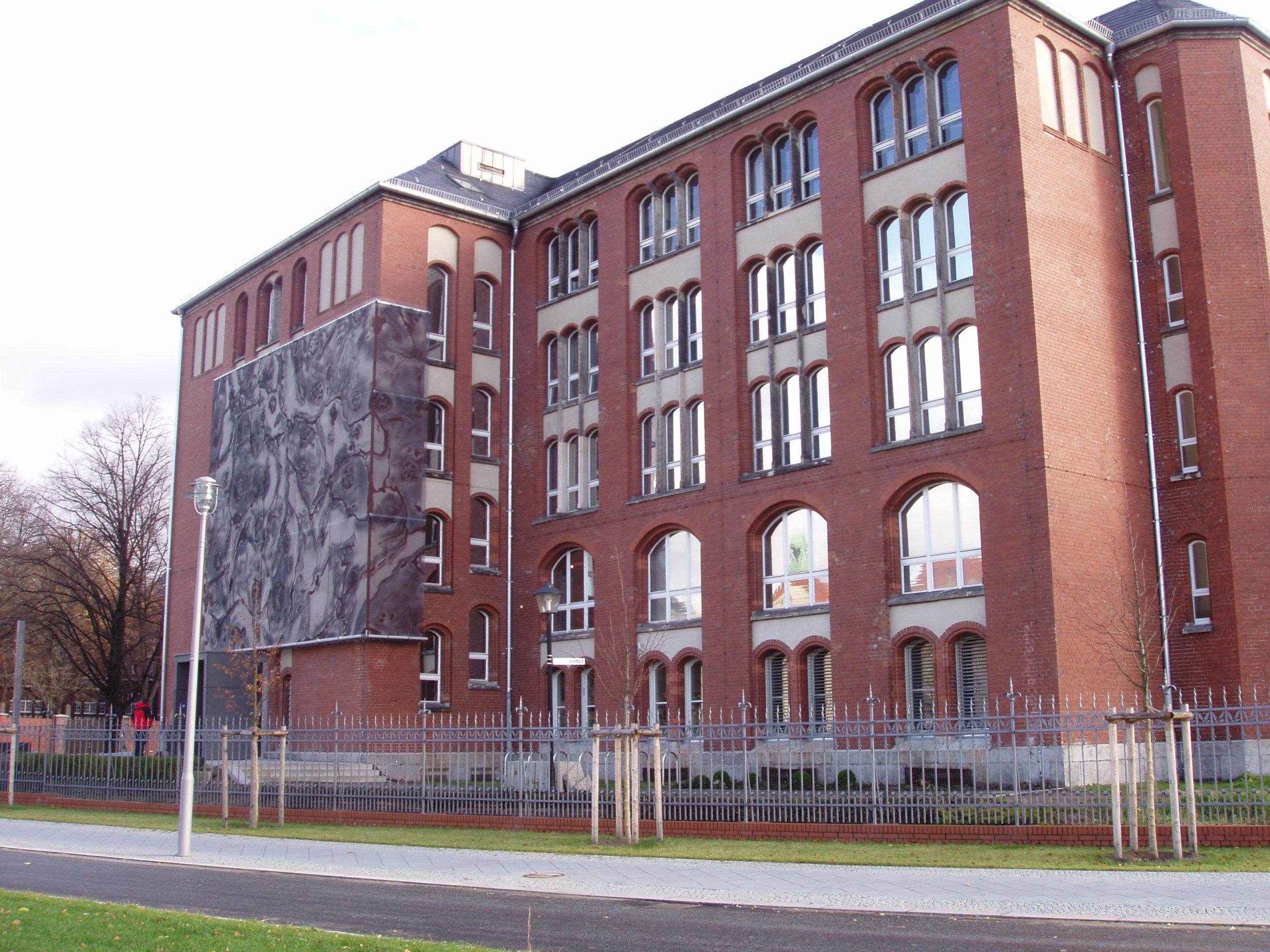
Image: dreizungPublic domain
Take this page with you
The myTuur app is free, and once you are standing at a spot its story starts by itself.


Spots like this one are the stops myTuur strings into tours through Berlin. In the app, each story begins where you stand: walk up to a spot and it starts, read it on screen or listen as you go, then follow the route to the next one.
What is myTuur?
myTuur is a free city-guide app. Its tours are built from spots, and each spot carries a story that starts when you get there, to read or to listen to as you like.