Mariä Himmelfahrt
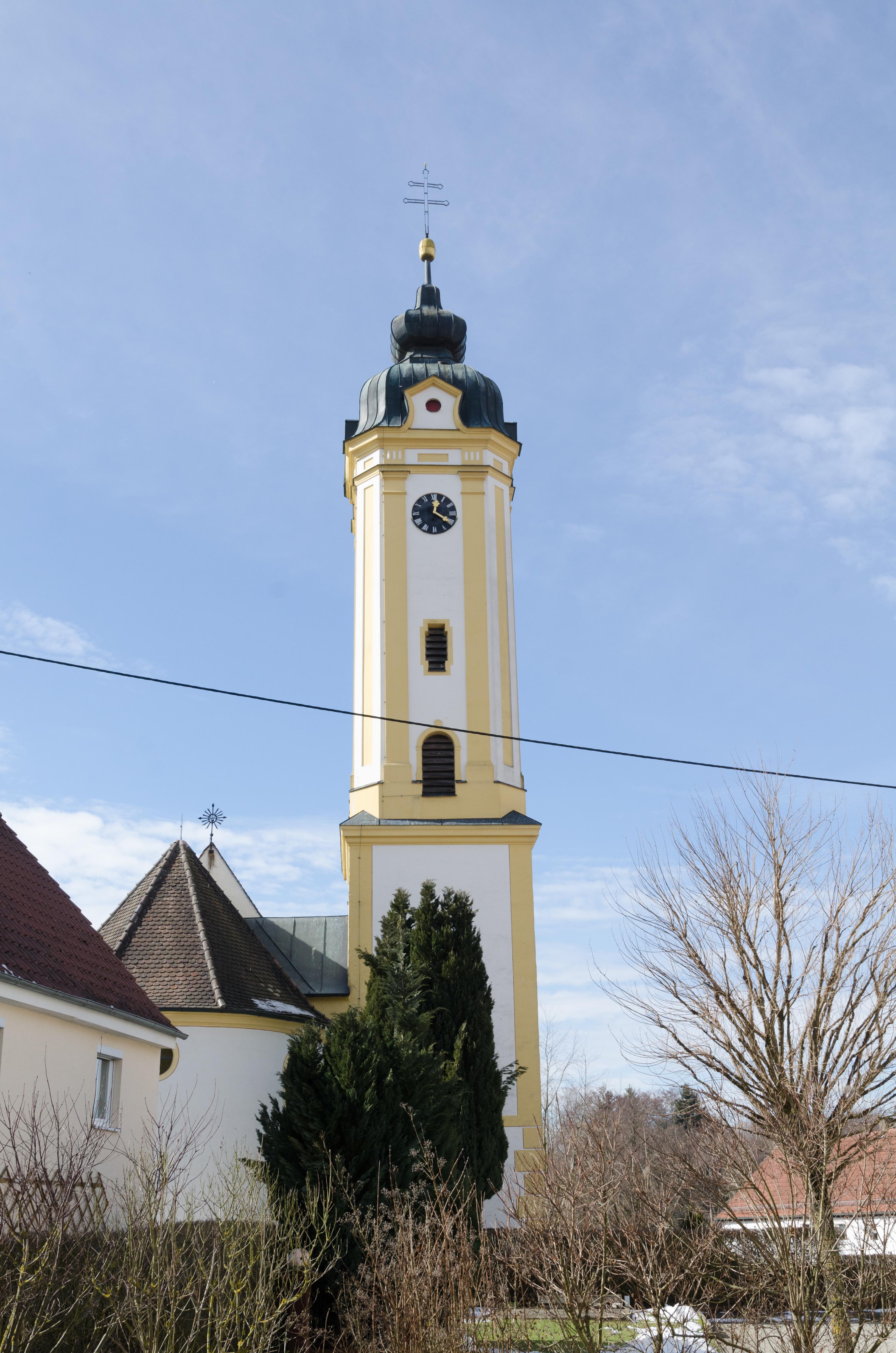
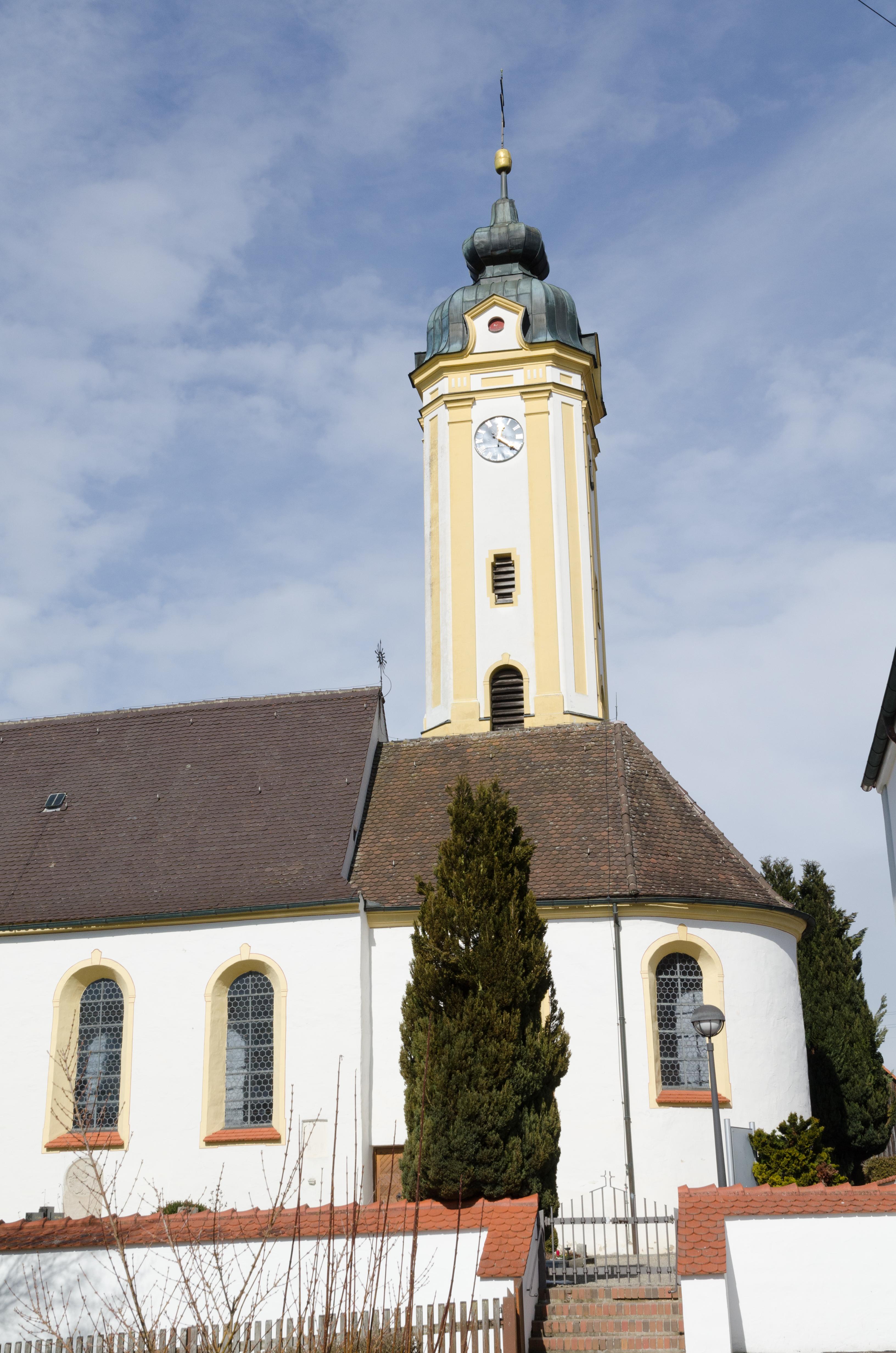
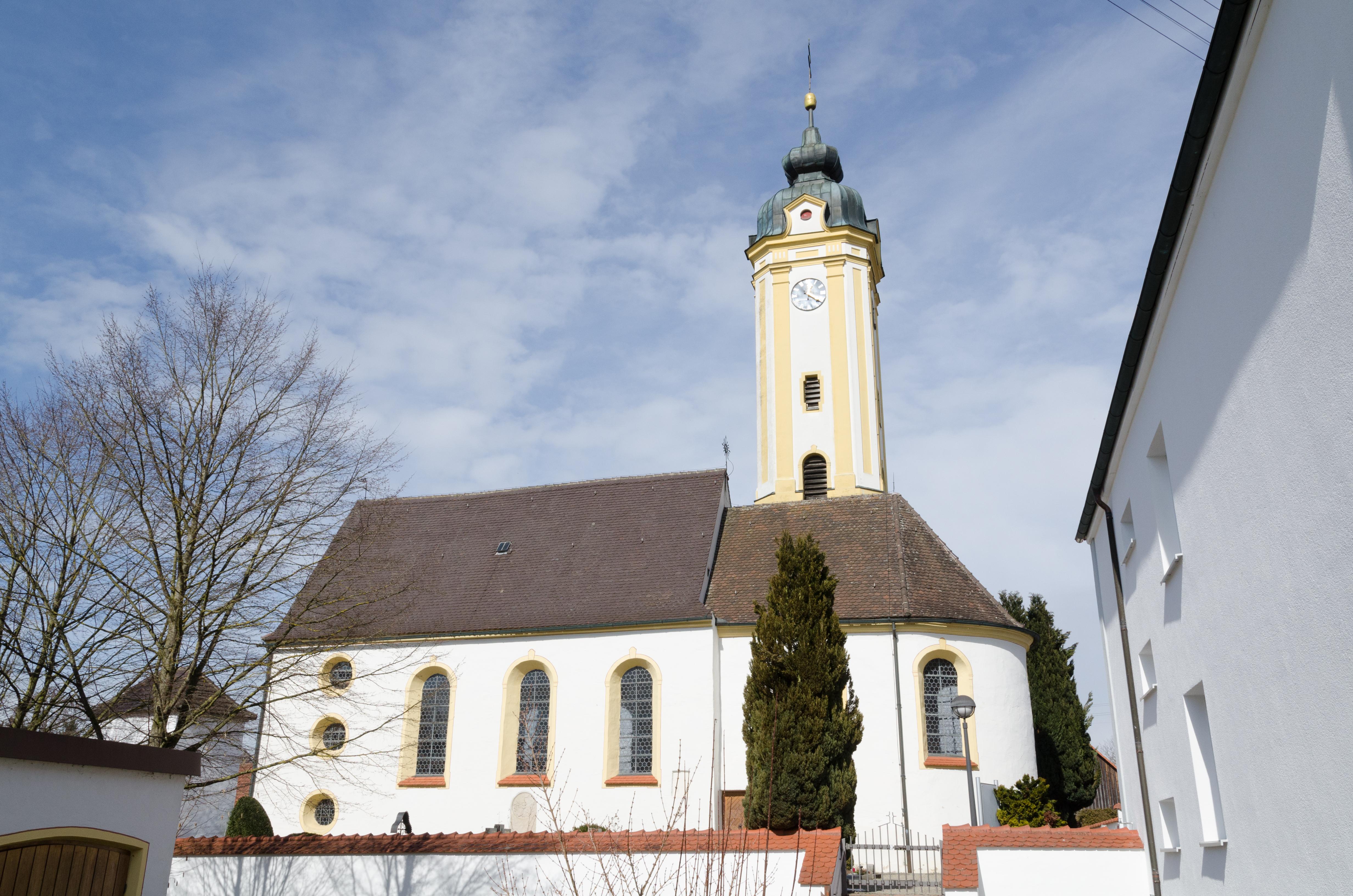
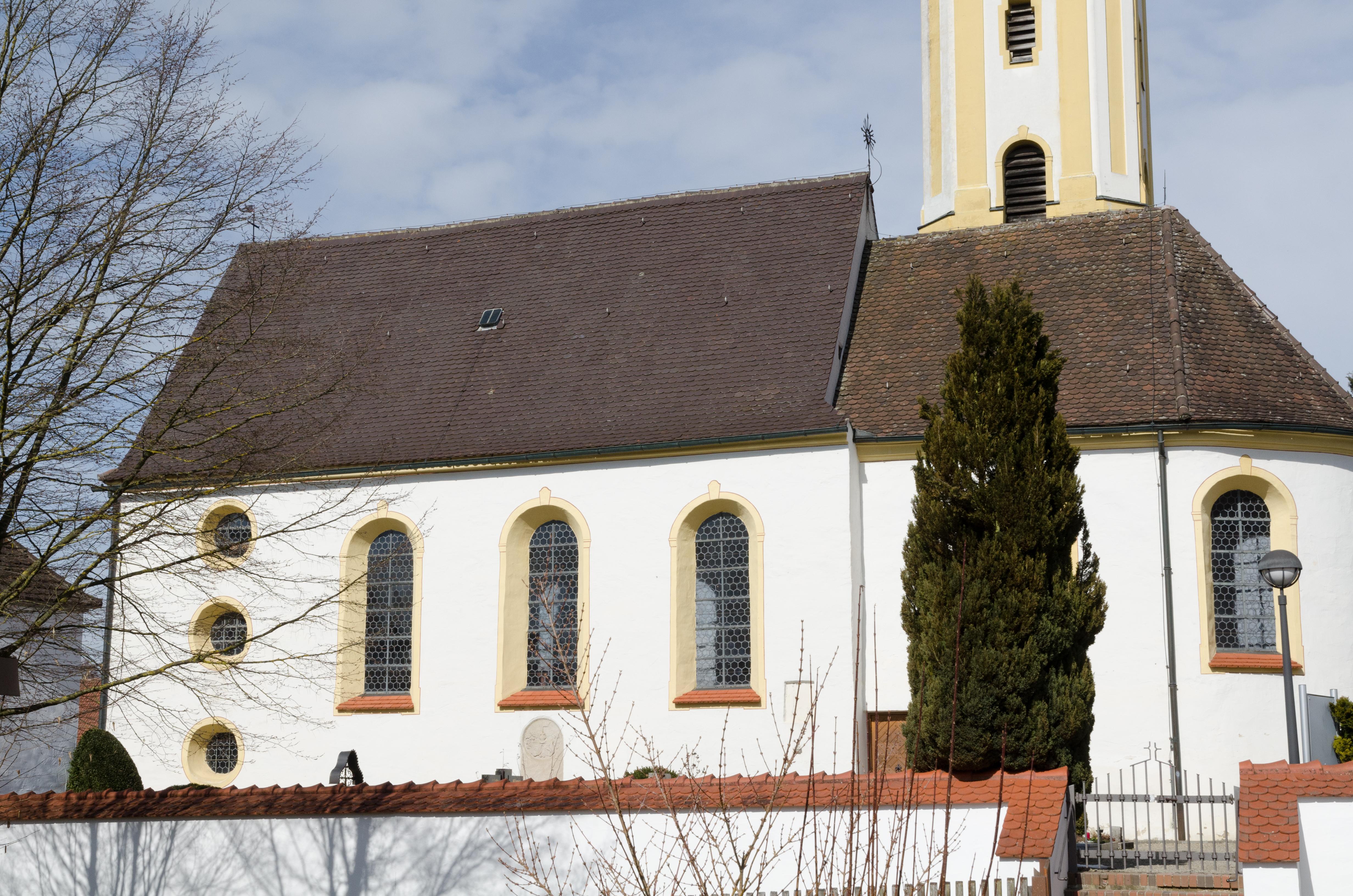
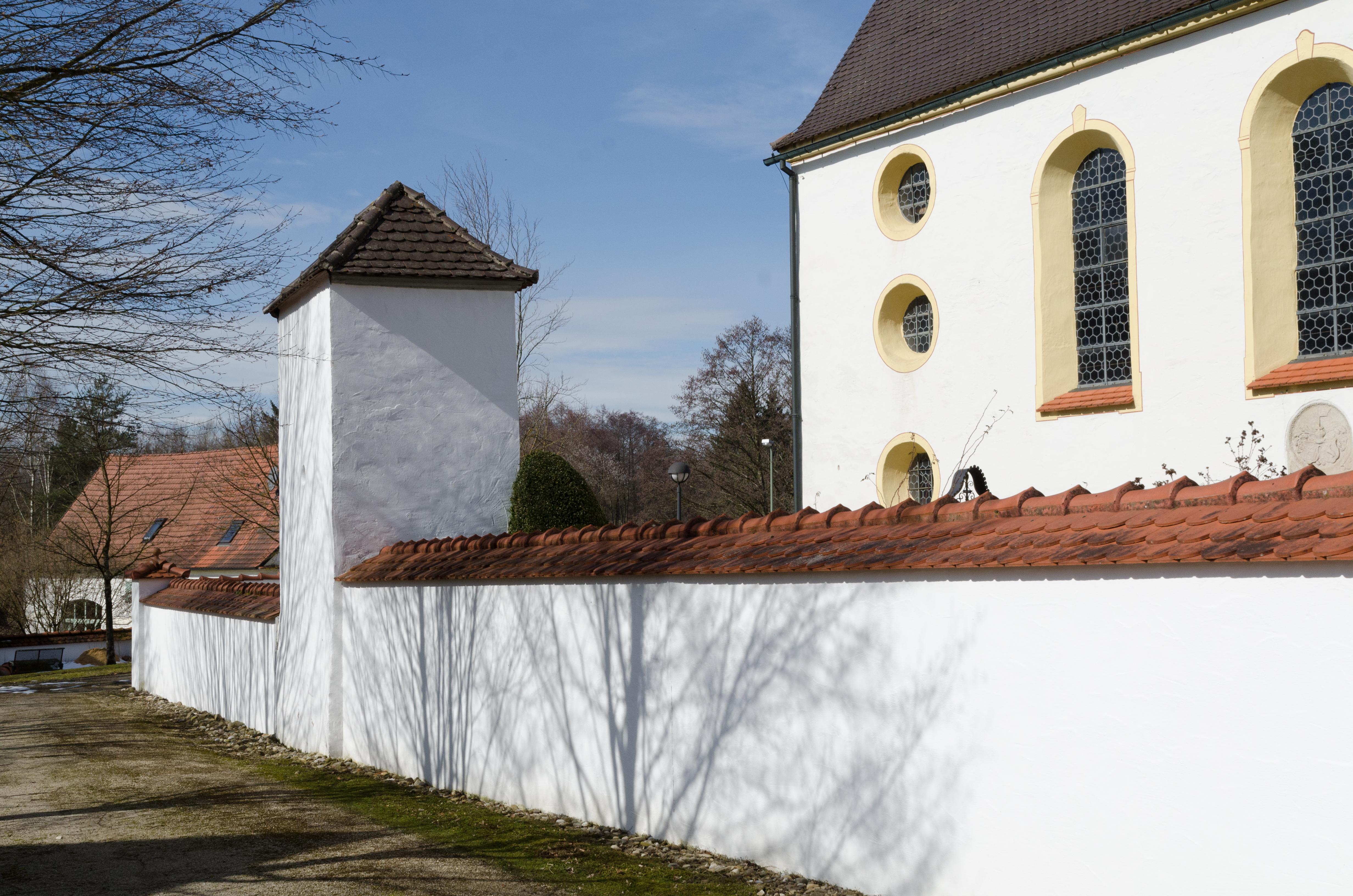
Mariä Himmelfahrt is a parish church in Germany, with Romanesque origins recorded on 12 August 1332. It presents stone walls shaped by several building periods. Romanesque beginnings gained Gothic changes, then Baroque work that continued until about 1730. Fugger parish rights joined that history in 1539.
During morning Mass on 22 February 1859, a pillar collapsed, killing eleven people and destroying the old basilica. Rebuilding began with new foundations in May 1865. Further failures required unstable sections to be demolished and rebuilt before August von Voit’s neo-Romanesque design emerged. The present church was consecrated in 1872.
Inside, Hugo Barthelme’s historicist murals cover vaults and walls with a clear palette and golden accents. Those paintings give the interior a unified surface. A Steinmeyer organ from Munich’s music academy returned here in 2004, placed in a new case and revoiced in 2015. The wooden Winkler nativity, carved around 1900, remains in a glass case.
- City
- Weißenhorn
- Content updated
Take this page with you
The myTuur app is free, and once you are standing at a spot its story starts by itself.


Spots like this one are the stops myTuur strings into tours through Weißenhorn. In the app, each story begins where you stand: walk up to a spot and it starts, read it on screen or listen as you go, then follow the route to the next one.
What is myTuur?
myTuur is a free city-guide app. Its tours are built from spots, and each spot carries a story that starts when you get there, to read or to listen to as you like.