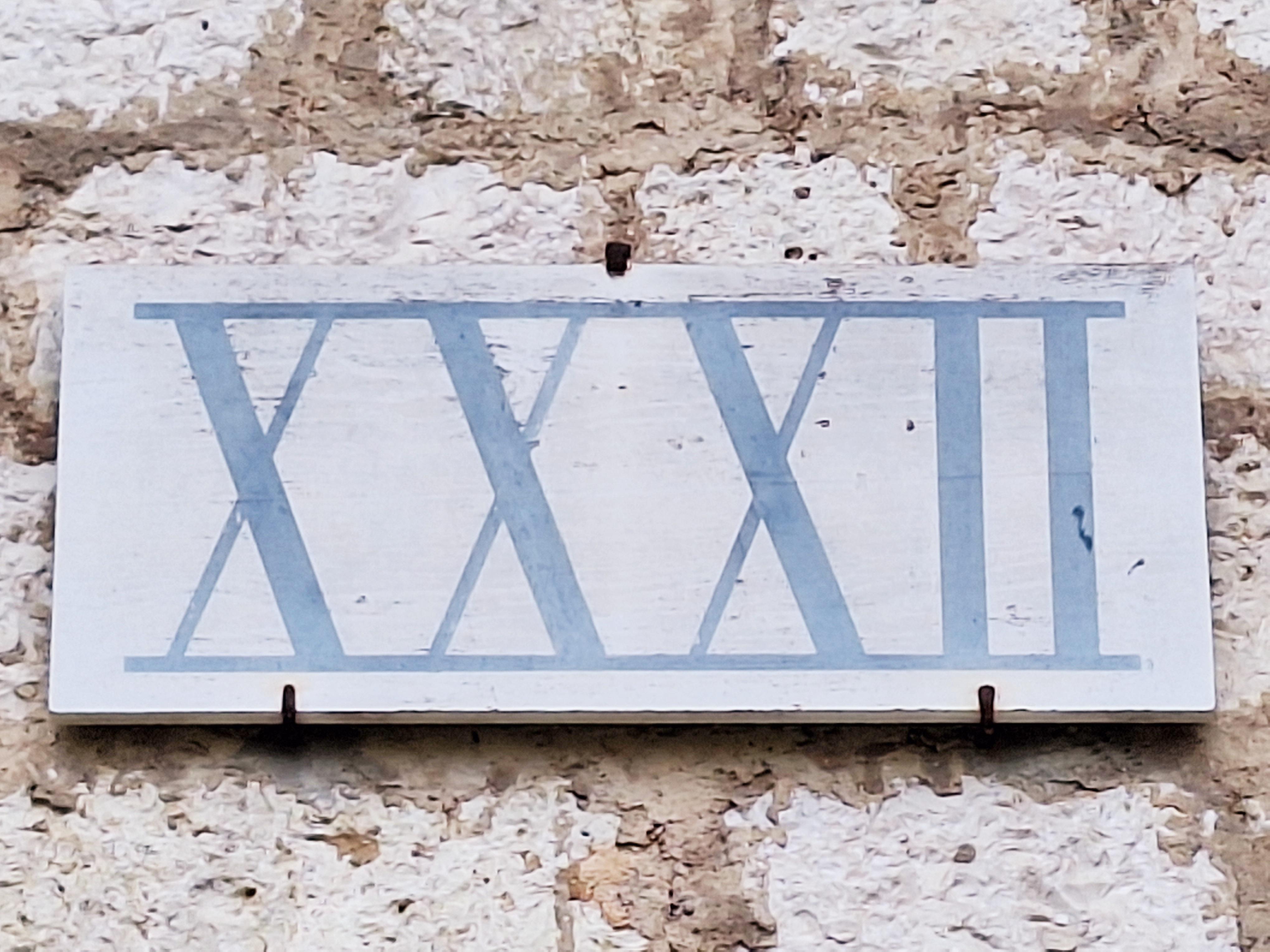
Fort Oberer Kuhberg (Werk XXXII)
Fort Oberer Kuhberg (Werk XXXII) belongs to the Bundesfestung Ulm, the ring of defences raised around the city in the 19th century. Work on it ran from 1848 to 1857, and the threat it answered came chiefly from France. Polygonal main rampart, mortar batteries, flanking towers on the surrounding wall, a half-moon-shaped reduit: the design sums up its era's military thinking.
The builders fought landslides throughout the construction phase. Galleries and casemates run deep underground: 54 casemates in all, 24 of them infantry casemates in the western outer wall. The whole fort covers about 4,000 square metres, a fraction of the total area of walls and ditches. Infantry fences and reinforced casemates date from modernizations in the late 19th and early 20th centuries.
For all that strength, the fort never saw combat. Between 1933 and 1935 the Nazi regime ran it as one of the first concentration camps in Germany. Since 1974 the Förderkreis Bundesfestung Ulm has been restoring the site, and it serves as a museum and memorial. Rain changes little here, because so much lies below ground. The many steps keep a visit slow, and the open ramparts above stay quiet and photogenic.
- City
- Ulm
- Content updated
Take this page with you
The myTuur app is free, and once you are standing at a spot its story starts by itself.


Spots like this one are the stops myTuur strings into tours through Ulm. In the app, each story begins where you stand: walk up to a spot and it starts, read it on screen or listen as you go, then follow the route to the next one.
What is myTuur?
myTuur is a free city-guide app. Its tours are built from spots, and each spot carries a story that starts when you get there, to read or to listen to as you like.