Ehemalige Abtei Sankt Maximin
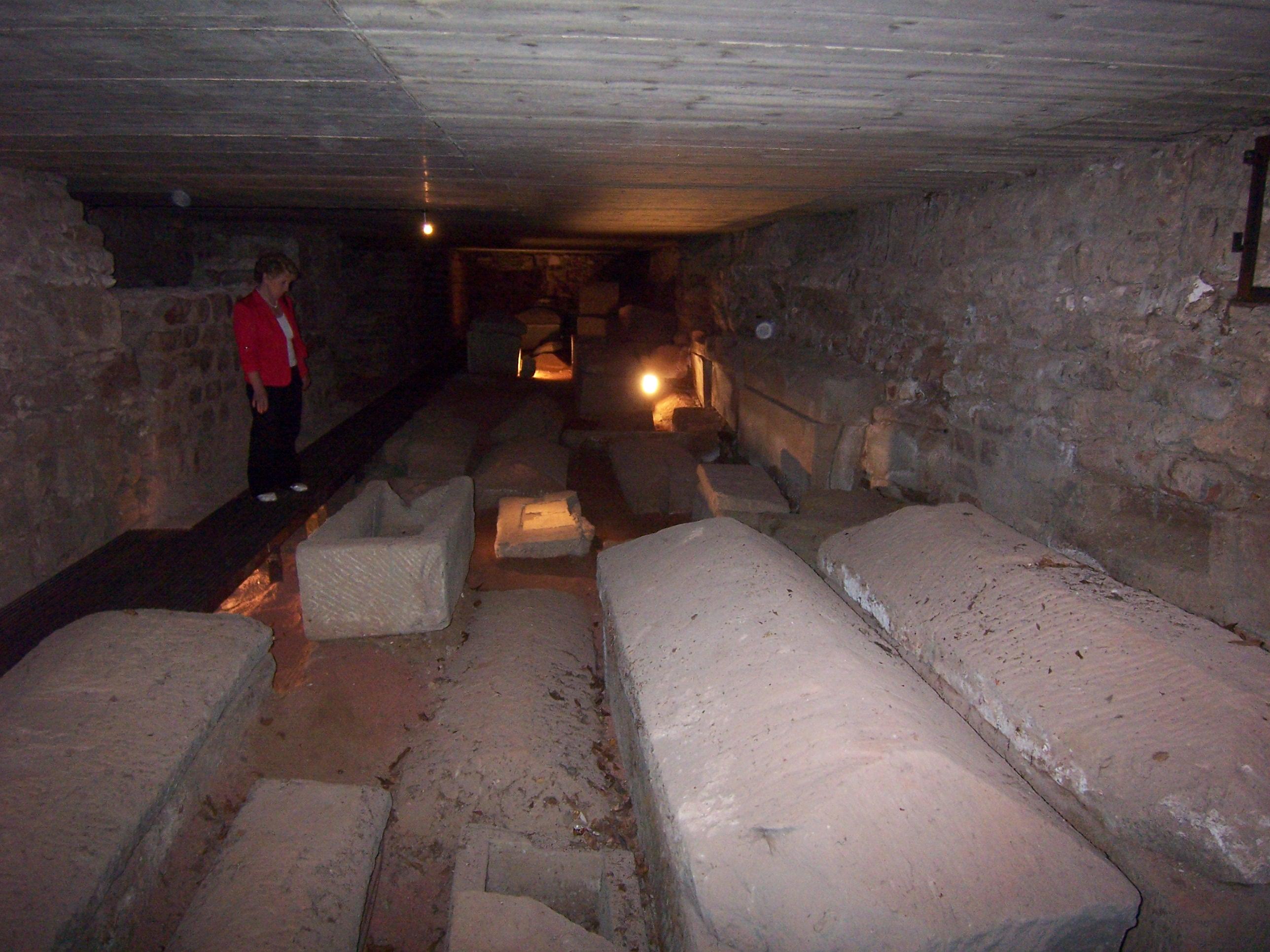
Ehemalige Abtei Sankt Maximin stands above a Roman burial ground that shaped the site's earliest Christian history. The graves lay beyond the ancient city wall. In the fourth century, Christians built a rectangular mausoleum above the burials, leaving early Christian inscriptions inside. Those inscriptions preserve traces of belief.
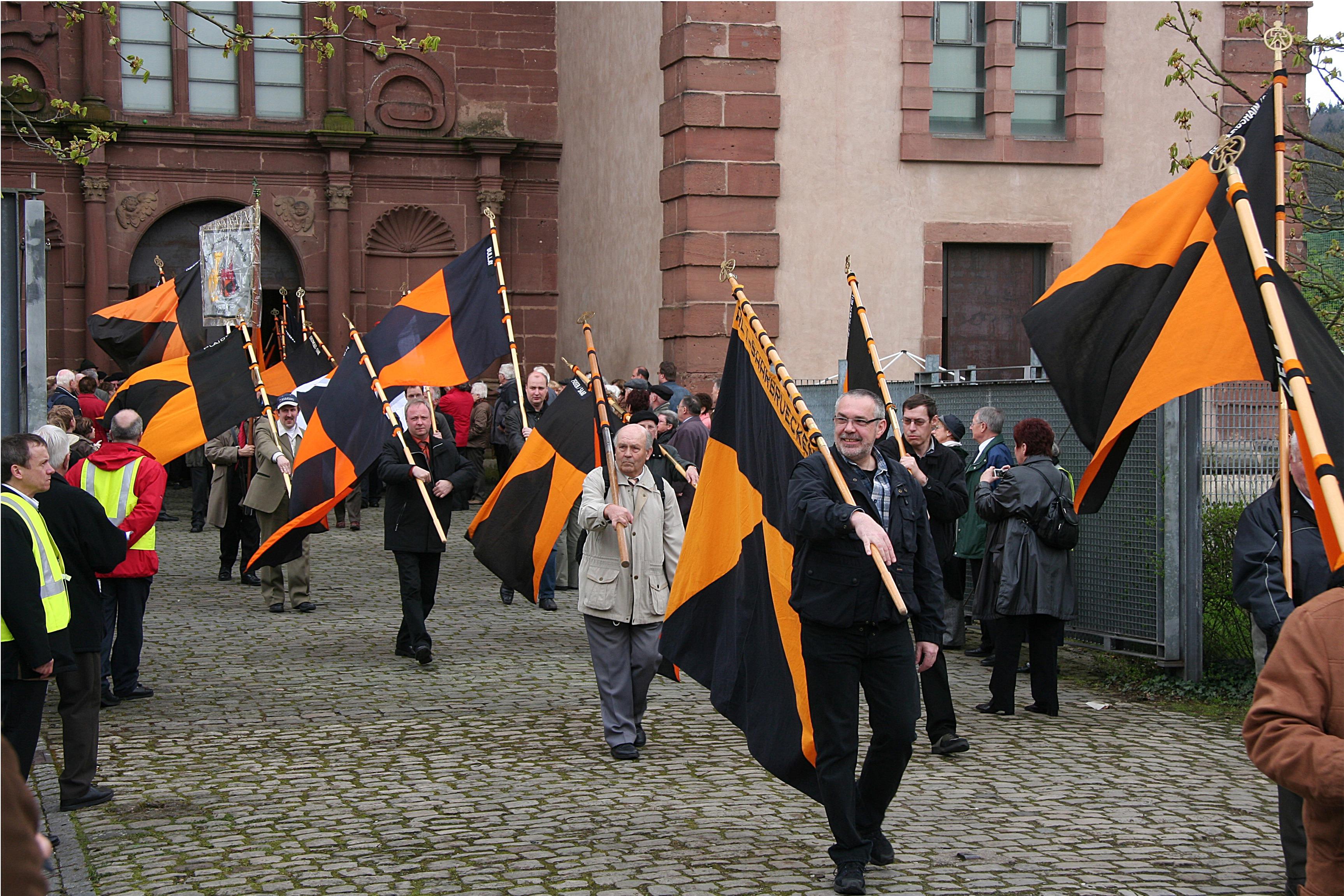
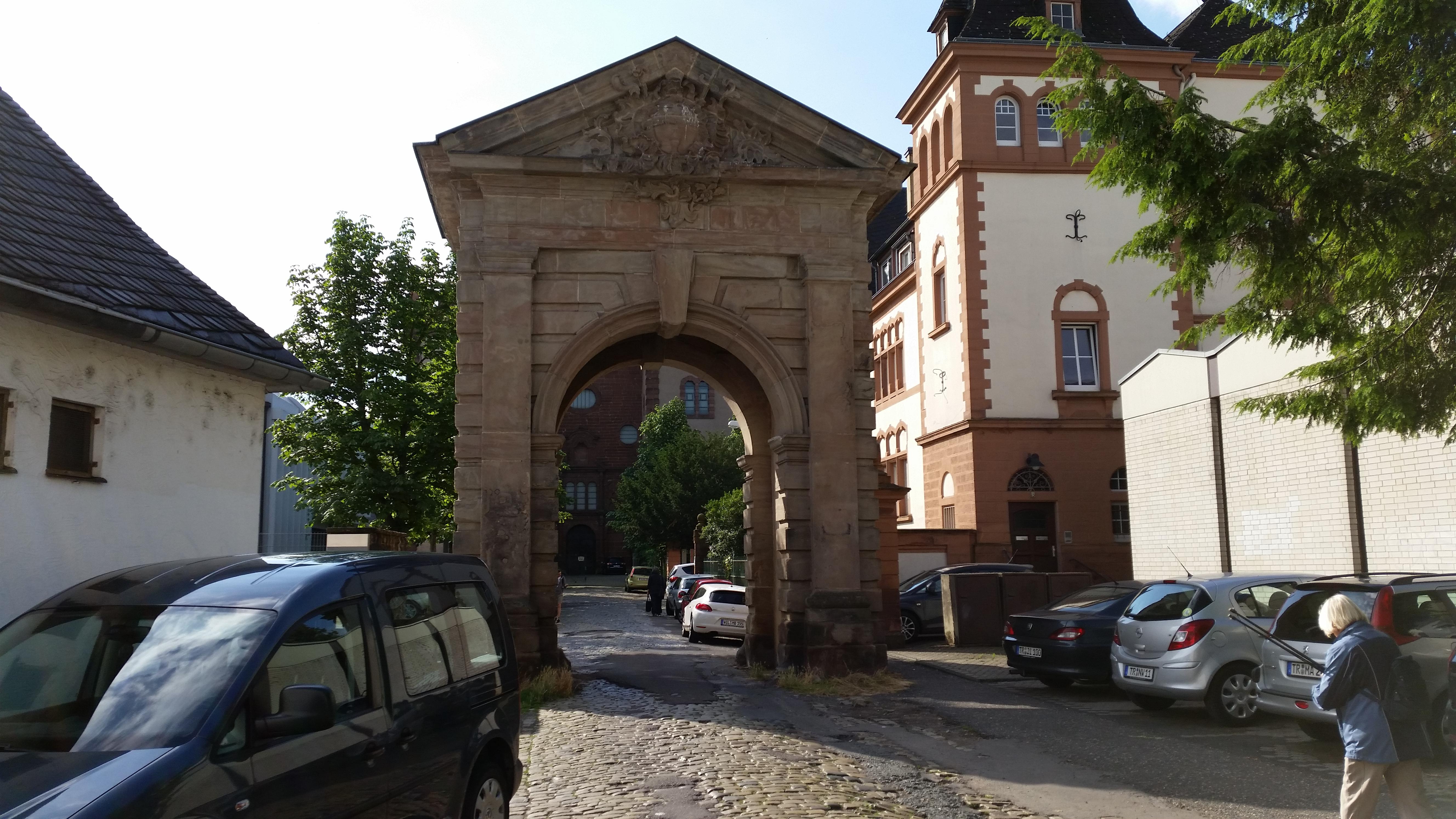
During the Middle Ages, the site became a powerful Benedictine monastery with a long history of destruction and rebuilding. Invading armies destroyed the complex, but builders rebuilt it. After secularization, the church served as a barracks, school, parish church, administrative building, and sports venue. Its public uses changed while the structure itself endured.
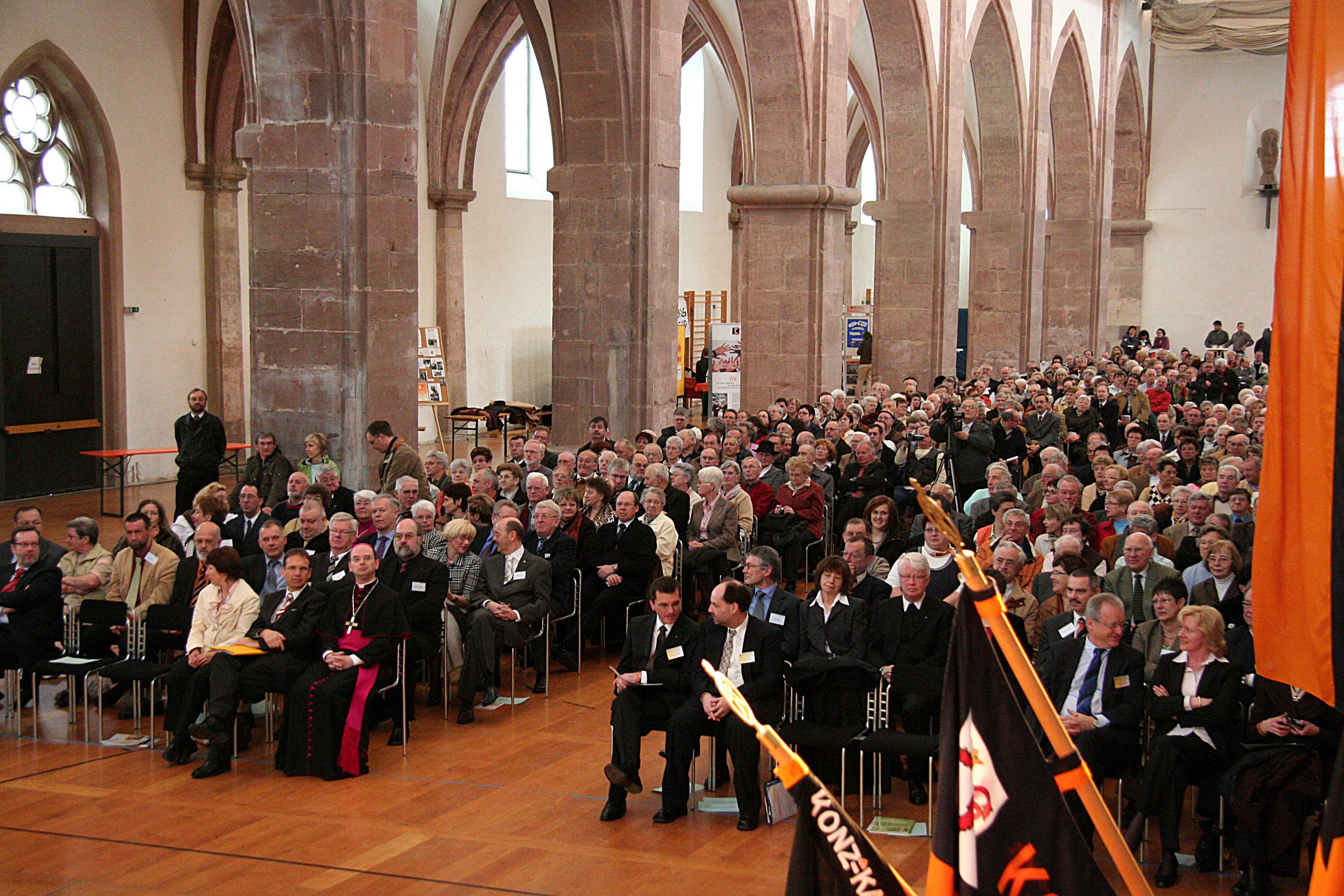
The former abbey combines concert hall, school gymnasium, and event space within a historic church interior. Music now fills the former abbey church interior. Beneath the stone floors, a crypt and ancient cemetery contain closely arranged sarcophagi, with some reused as foundations. The buried stones connect worship with remembrance. Ehemalige Abtei Sankt Maximin brings Roman funerary archaeology, Benedictine history, and modern public use into one architectural setting. Its stonework holds many layers of memory here.
- City
- Trier
- Content updated
Take this page with you
The myTuur app is free, and once you are standing at a spot its story starts by itself.


Spots like this one are the stops myTuur strings into tours through Trier. In the app, each story begins where you stand: walk up to a spot and it starts, read it on screen or listen as you go, then follow the route to the next one.
What is myTuur?
myTuur is a free city-guide app. Its tours are built from spots, and each spot carries a story that starts when you get there, to read or to listen to as you like.