Caños de Carmona
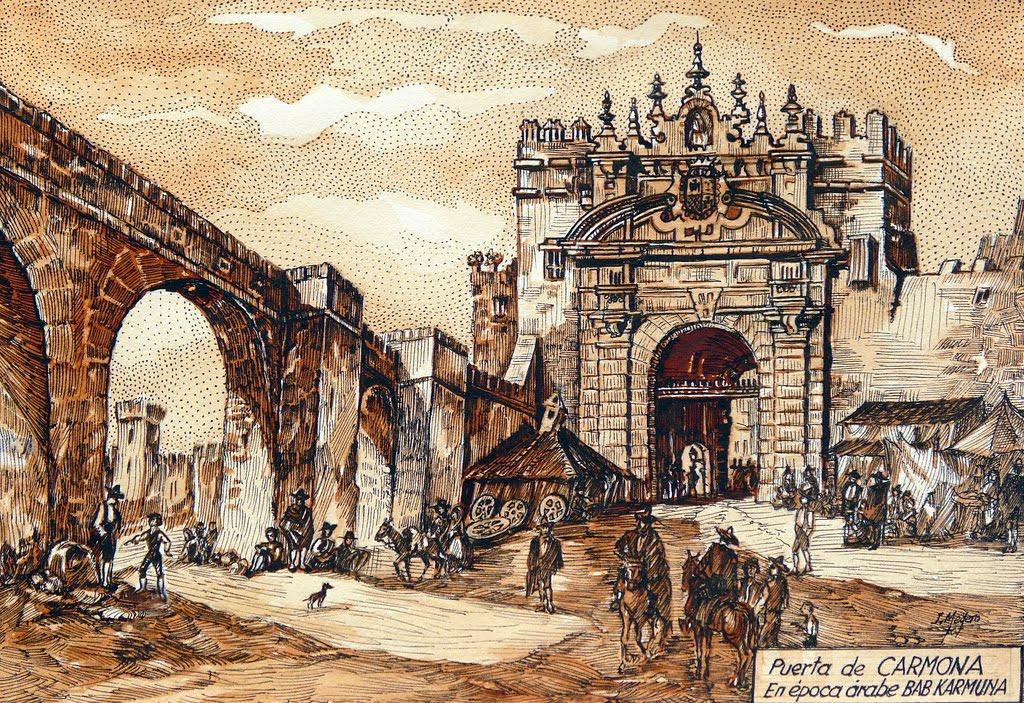
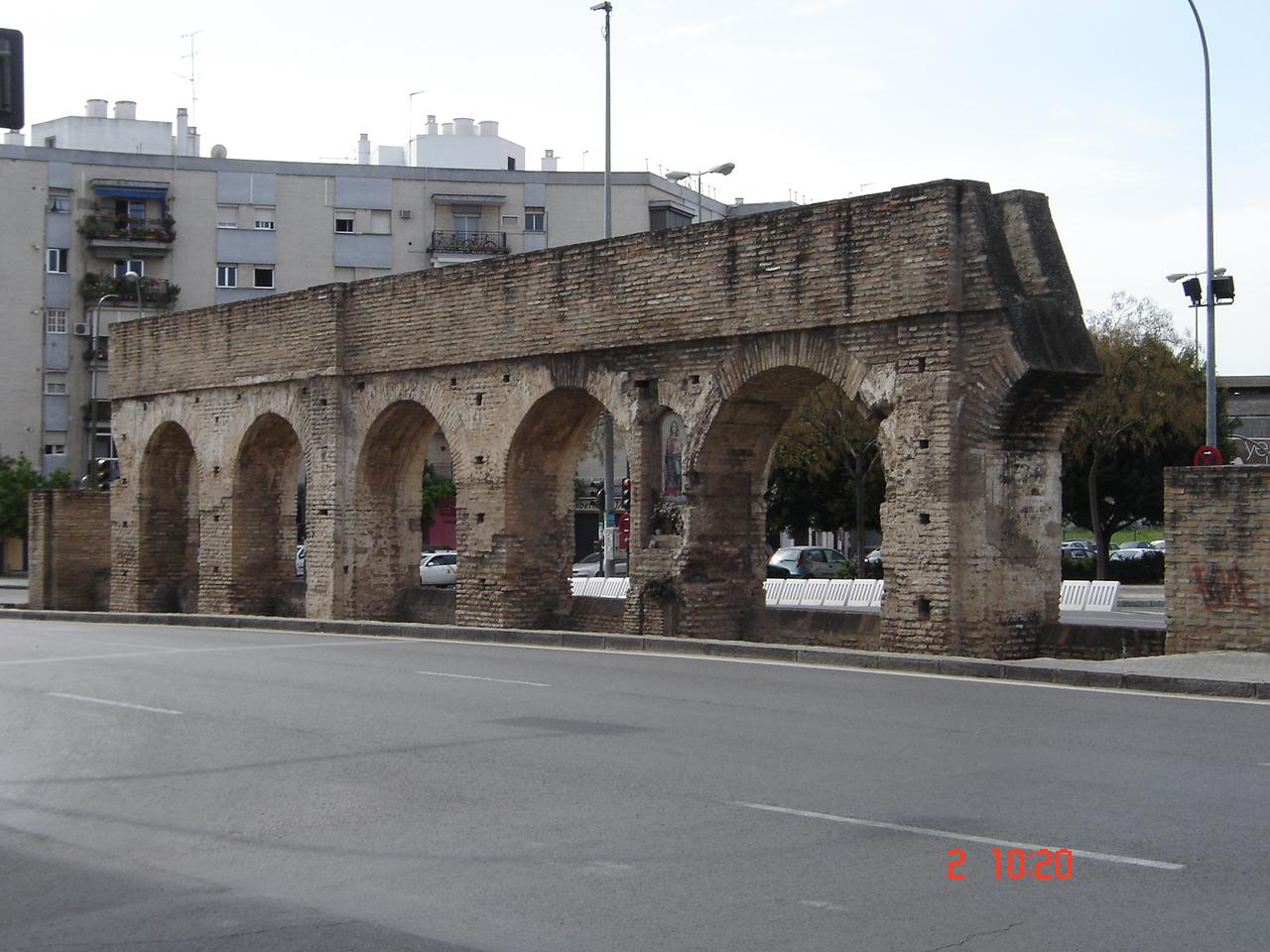
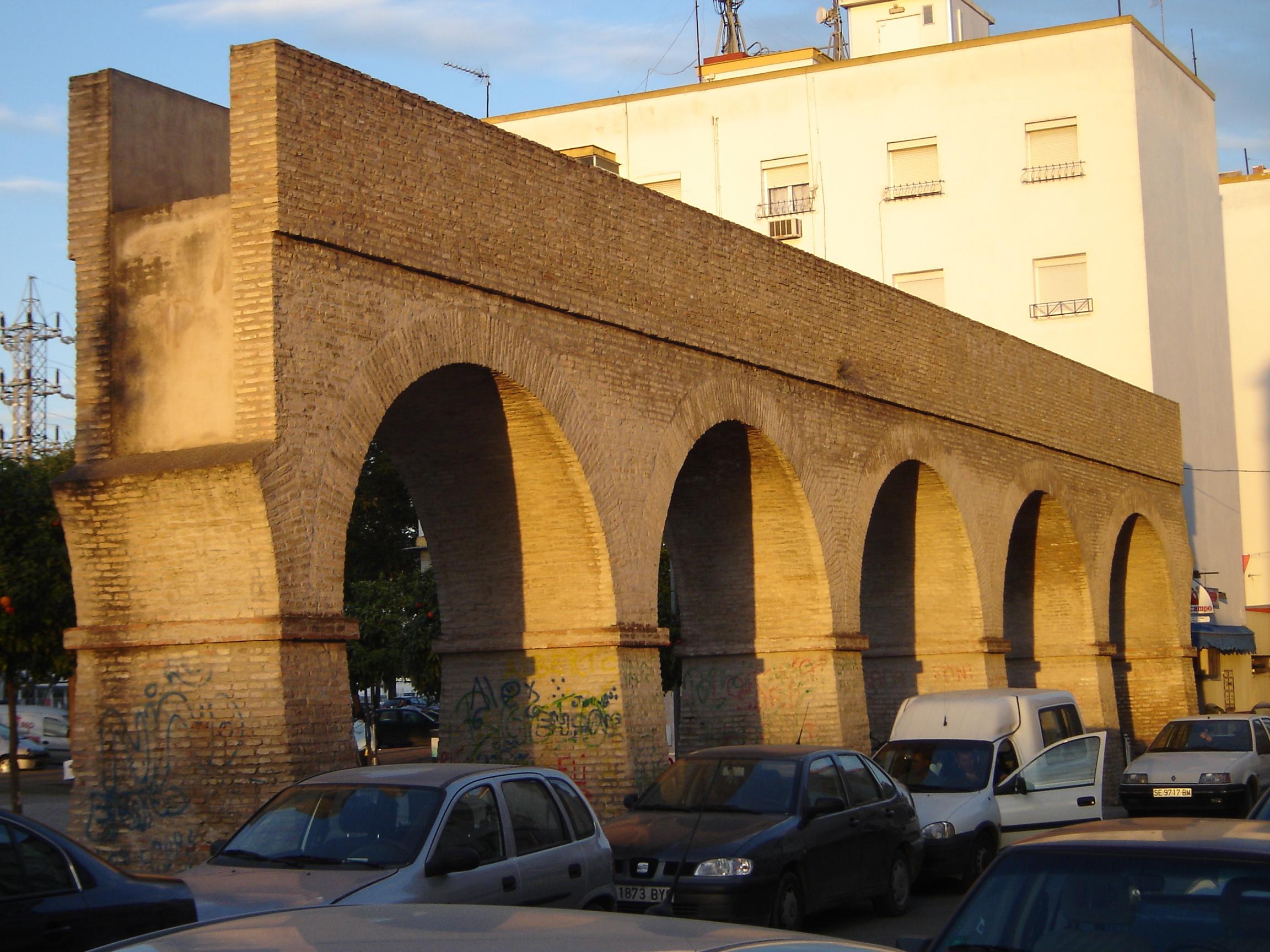
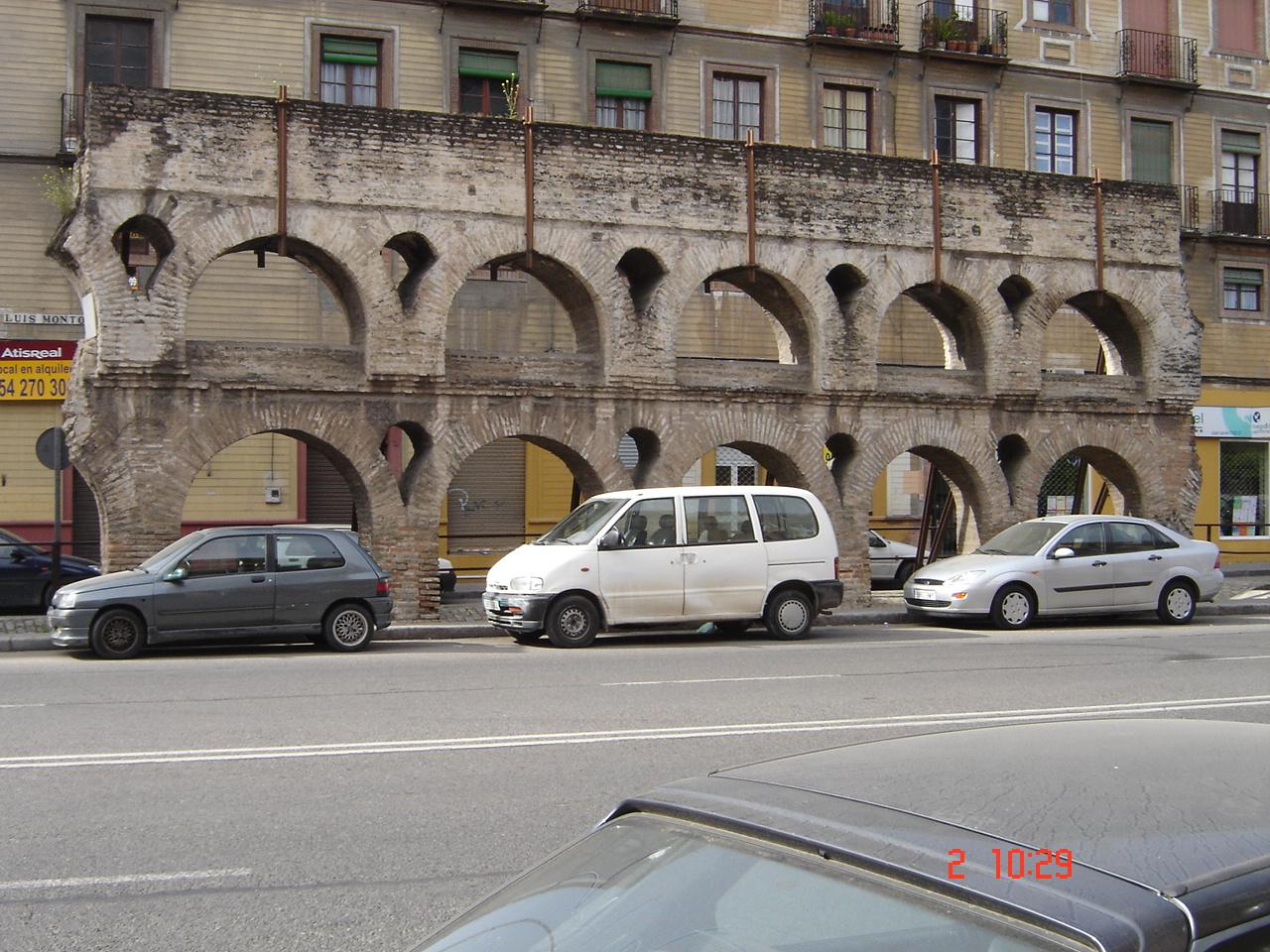
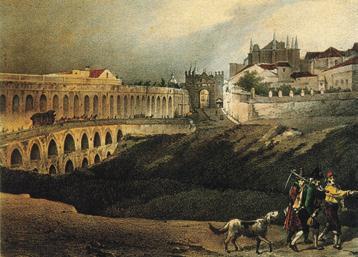
Caños de Carmona is a Roman aqueduct preserved in fragments across Seville, where brick arches reveal the city’s ancient water network. Its surviving arcades stand on Calle Cigüeña and Calle Luis Montoto, near Calle Jiménez Aranda. Built in the first century BC, the aqueduct carried spring water from Alcalá de Guadaíra to Hispalis, the Roman city that became Seville. Underground galleries filtered the water before it entered the city through the former Puerta de Carmona.
The structure also supplied royal orchards, religious buildings, public baths, fountains and flour mills. An Almohad rebuilding under Caliph Abu Yaqub Yusuf reshaped the system during the twelfth century. The aqueduct remained Seville’s main water supply for almost two thousand years, until demolition removed most of its elevated route. The preserved brickwork shows both Roman engineering and later Islamic construction.
One section once formed part of the Puente de la Calzada railway bridge, built in 1930 and dismantled in 1991. A niche there held the Virgin of las Madejas, now represented by a ceramic reproduction made in 1993.
- City
- Seville
- Content updated
Take this page with you
The myTuur app is free, and once you are standing at a spot its story starts by itself.


Spots like this one are the stops myTuur strings into tours through Seville. In the app, each story begins where you stand: walk up to a spot and it starts, read it on screen or listen as you go, then follow the route to the next one.
What is myTuur?
myTuur is a free city-guide app. Its tours are built from spots, and each spot carries a story that starts when you get there, to read or to listen to as you like.