Lamarck et sa fille Aménaïde Cornélie
The bas-relief Lamarck et sa fille Aménaïde Cornélie stands in Paris as an artwork joining scientific history with family memory. It shows Jean-Baptiste de Monet de Lamarck beside his daughter, Aménaïde Cornélie. Lamarck developed an early theory of evolution, describing the long transformation of plants and animals. His name belongs to the history of science. The paired figures connect Lamarck’s public work with the personal bond represented by his daughter’s presence. Aménaïde Cornélie has a distinctive name. Its origins recall Voltaire’s Tancrède and the mother of the Gracchi, reflecting late eighteenth-century naming choices. The relief occupies the rear of a pedestal. A French inscription presents posterity as admiring and vindicating Lamarck through his daughter’s words. The inscription addresses her father in French. The commemorative scene brings art, history and science together around Lamarck’s legacy in Paris. The family relationship remains visible beside the scientific subject.
- City
- Paris
- Content updated
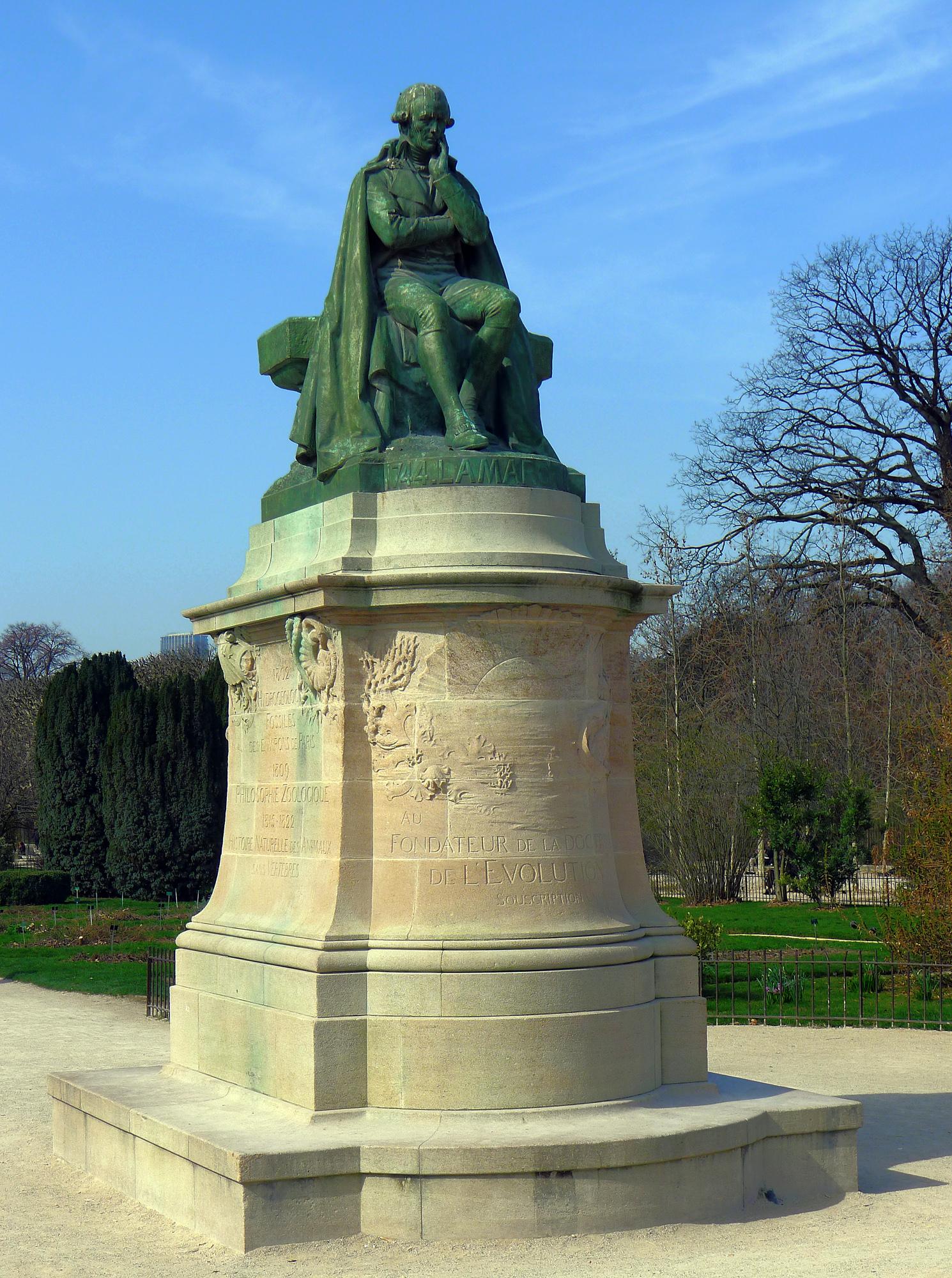
Image: MbztPublic domain
Take this page with you
The myTuur app is free, and once you are standing at a spot its story starts by itself.


Spots like this one are the stops myTuur strings into tours through Paris. In the app, each story begins where you stand: walk up to a spot and it starts, read it on screen or listen as you go, then follow the route to the next one.
What is myTuur?
myTuur is a free city-guide app. Its tours are built from spots, and each spot carries a story that starts when you get there, to read or to listen to as you like.