Hommage à Komitas et aux victimes du Génocide arménien
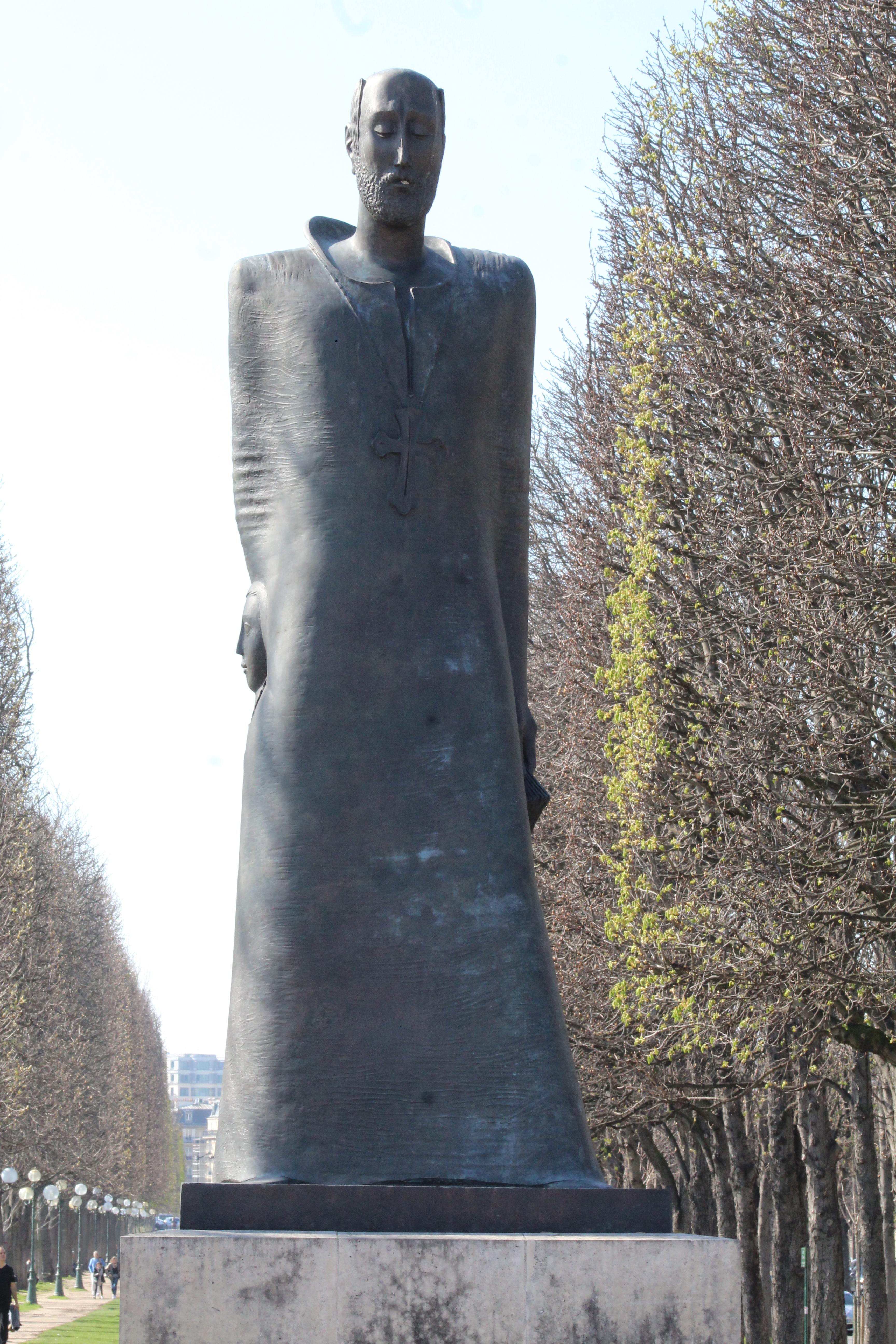
The Hommage à Komitas et aux victimes du Génocide arménien is a commemorative monument in Paris, combining architecture, public memory, and Armenian history. A six-metre statue forms the monument’s central image. Artist David Erevantzi depicts Komitas, an Armenian priest and musicologist who survived the 1915 genocide and later found refuge in France. Komitas stands at the centre of the statue. The monument commemorates Armenian victims of the genocide and Armenian fighters who died for France, joining remembrance with Franco-Armenian history. Komitas’s story connects faith, music, survival, and public remembrance. You find the statue on the Esplanade d’Arménie, beside the Jardin d’Erevan, between the Pont des Invalides and the Grand Palais. The setting places the monument in Paris’s eighth arrondissement. The work also recalls Armenian fighters who died for France and the shared history represented in this public space. The figure links Armenia and France through memory. Together, the figure, location, and dedication give this Paris monument a clear place within the city’s historical and cultural landscape. The statue presents remembrance through a recognisable human figure.
- City
- Paris
- Content updated
Take this page with you
The myTuur app is free, and once you are standing at a spot its story starts by itself.


Spots like this one are the stops myTuur strings into tours through Paris. In the app, each story begins where you stand: walk up to a spot and it starts, read it on screen or listen as you go, then follow the route to the next one.
What is myTuur?
myTuur is a free city-guide app. Its tours are built from spots, and each spot carries a story that starts when you get there, to read or to listen to as you like.